
Heart disease remains one of the leading causes of death worldwide, and its prevalence is increasing rapidly in India. Many people believe that heart disease only affects older adults or those with severe health conditions. However, cardiovascular diseases can develop silently over time, often showing subtle warning signs long before a major event such as a heart attack occurs.
Recognizing these early symptoms and seeking timely medical attention can significantly improve outcomes and even save lives. Unfortunately, many people ignore these warning signs or mistake them for minor health issues such as fatigue, indigestion, or stress.
In this article, we discuss the 10 early warning signs of heart disease that should never be ignored and explain when it is time to consult a cardiologist.
Understanding Heart Disease
Heart disease refers to a group of conditions that affect the heart and blood vessels, including:
- Coronary artery disease
- Heart failure
- Arrhythmias (irregular heartbeat)
- Heart valve disorders
- Cardiomyopathy
- Congenital heart defects
Most heart diseases develop gradually due to factors such as high cholesterol, hypertension, diabetes, obesity, smoking, poor diet, and lack of physical activity.
Identifying symptoms early can help prevent serious complications.
1. Chest Pain or Discomfort
Chest pain is one of the most recognized symptoms of heart disease. It may feel like:
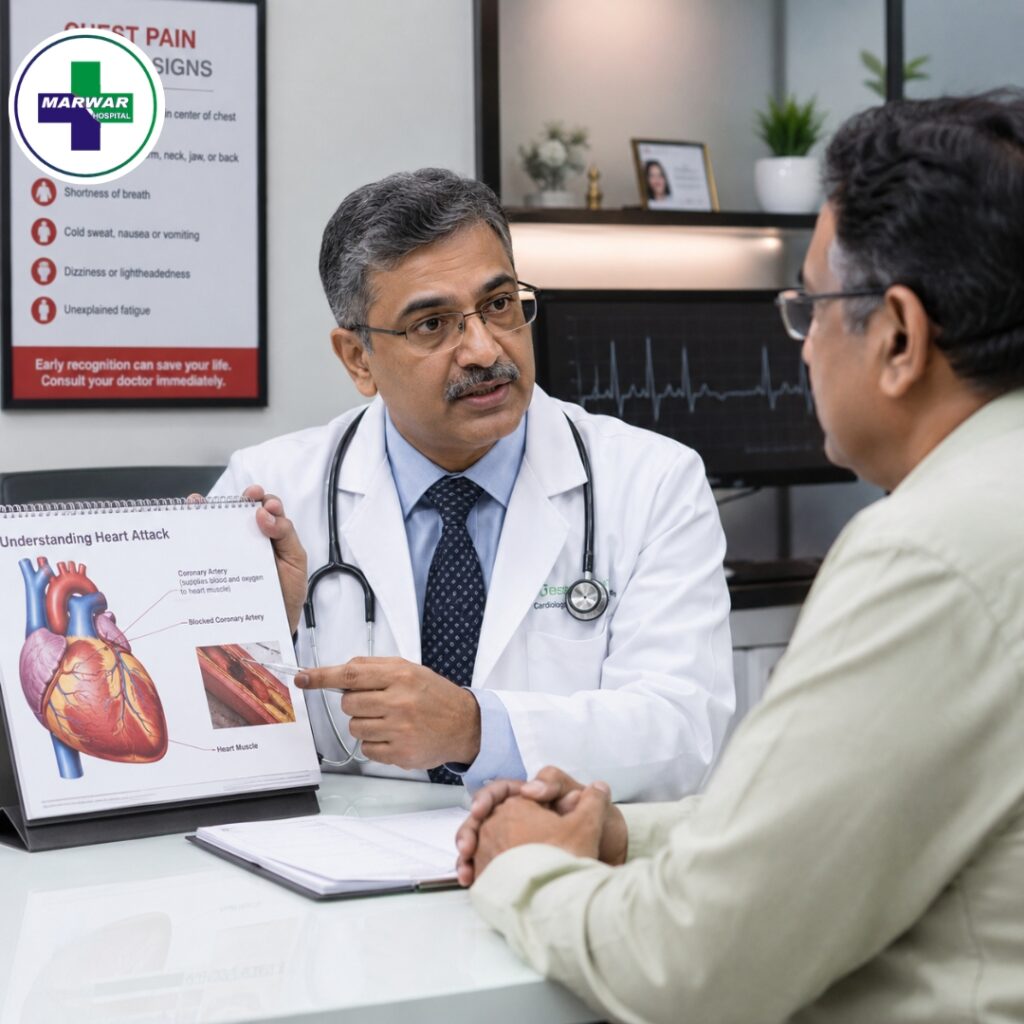
- Pressure in the chest
- Tightness
- Squeezing sensation
- Burning discomfort
- Heaviness
Some people describe it as feeling like a weight sitting on their chest.
Chest pain associated with heart disease often occurs during physical activity, emotional stress, or exertion and may improve with rest.
Warning Signs:
- Pain lasting more than a few minutes
- Recurring episodes
- Pain spreading to other parts of the body
Never ignore unexplained chest discomfort, especially if you have risk factors for heart disease.
2. Shortness of Breath
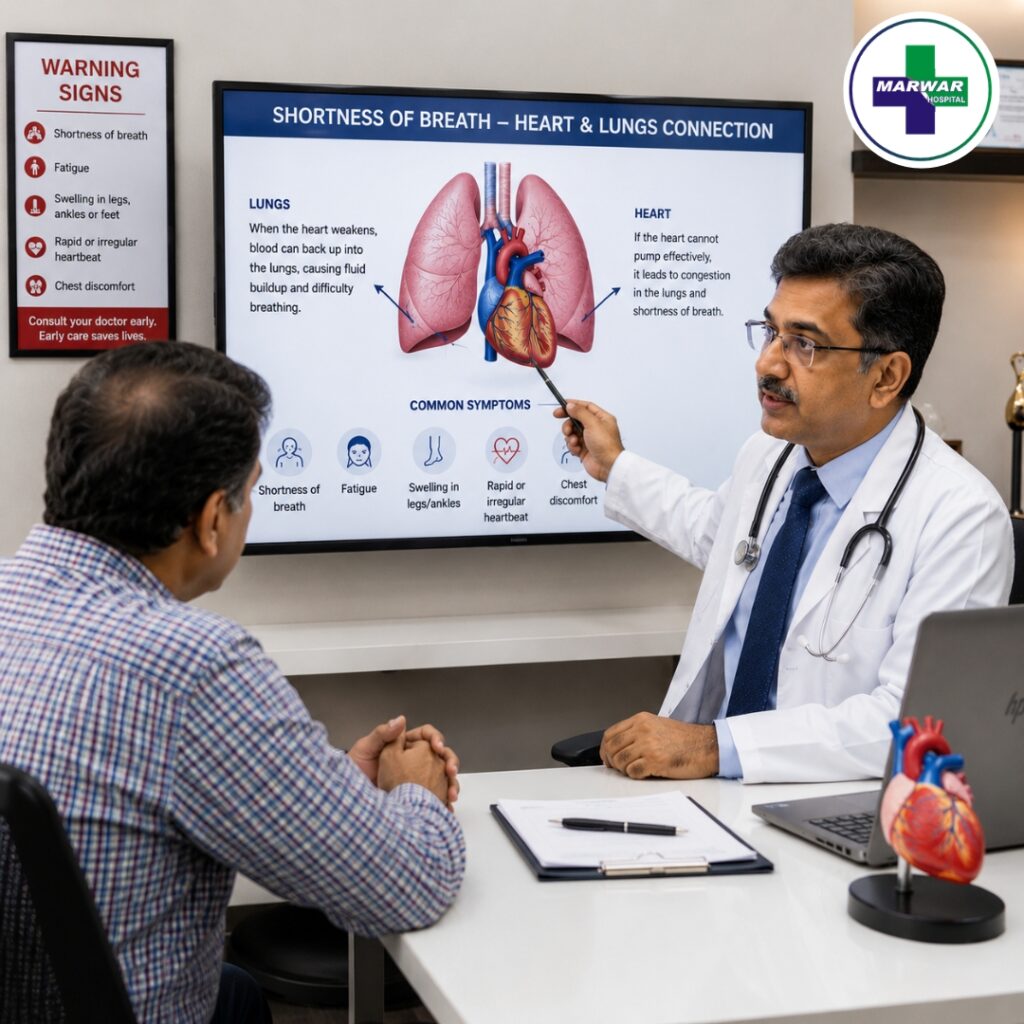
Difficulty breathing can occur when the heart is unable to pump blood efficiently.
You may experience:
- Breathlessness during routine activities
- Difficulty climbing stairs
- Shortness of breath while walking
- Breathing problems while lying down
Many patients experience breathlessness before developing more obvious heart symptoms.
Why It Happens
Poor heart function causes fluid accumulation in the lungs, making breathing difficult.
If shortness of breath occurs without a clear explanation, medical evaluation is essential.
3. Unusual Fatigue
Persistent fatigue is a commonly overlooked symptom, especially among women.
Unlike normal tiredness, heart-related fatigue may involve:
- Extreme exhaustion
- Reduced energy levels
- Difficulty performing everyday activities
- Feeling tired even after adequate rest
Why It Occurs
When the heart struggles to pump blood effectively, muscles and organs receive less oxygen-rich blood, causing fatigue.
Sudden or unexplained tiredness should not be ignored.
4. Pain in the Neck, Jaw, Shoulder, Back, or Arm
Heart disease does not always cause pain directly in the chest.
Many people experience discomfort in:
- Neck
- Jaw
- Left arm
- Both arms
- Upper back
- Shoulders
This is known as referred pain.
Important Note
Women are more likely than men to experience these atypical symptoms.
Pain that occurs during physical activity and improves with rest may indicate reduced blood flow to the heart.
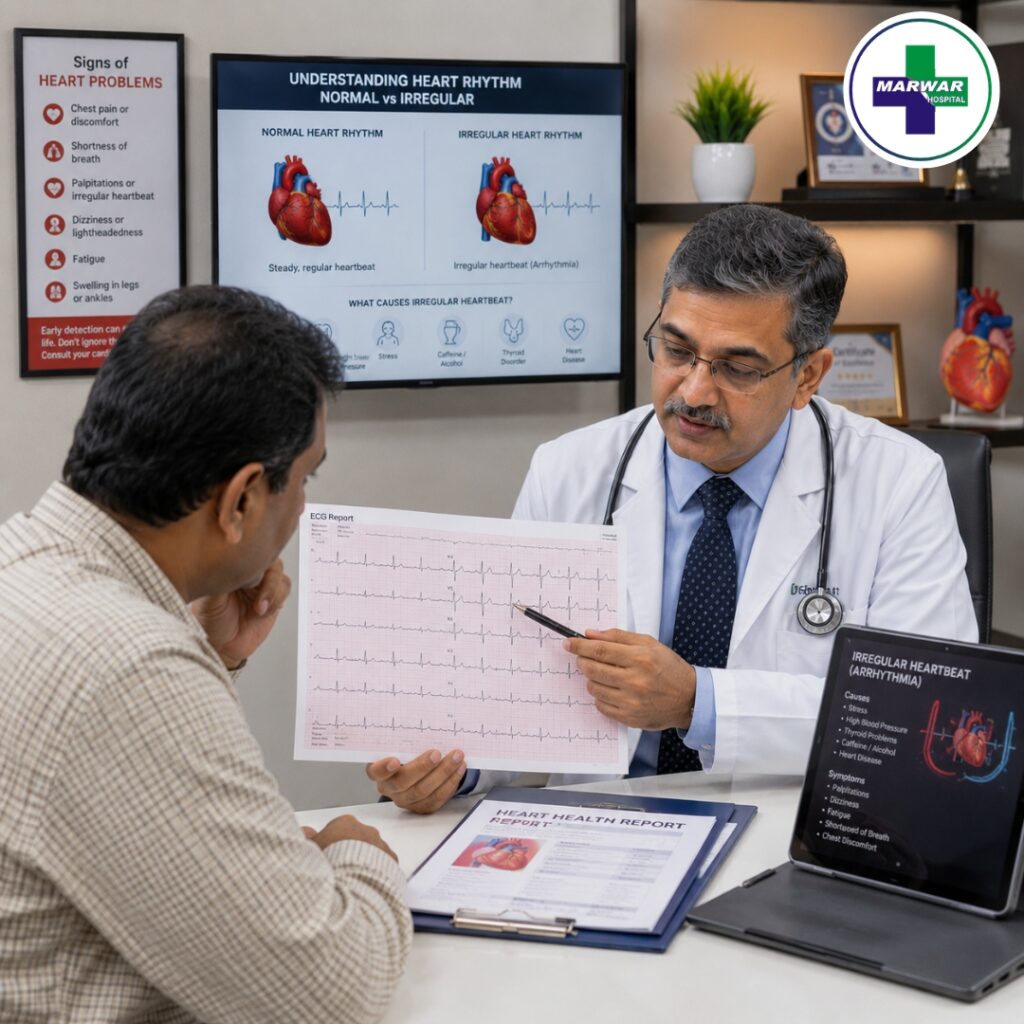
5. Irregular Heartbeat or Palpitations
An occasional skipped heartbeat is usually harmless.
However, frequent palpitations may indicate an underlying heart problem.
Symptoms include:
- Racing heartbeat
- Fluttering sensation
- Skipped beats
- Pounding heartbeat
Seek Medical Attention If:
- Palpitations occur frequently
- They are associated with dizziness
- You experience chest pain
- You feel faint
Heart rhythm disorders require professional evaluation.
6. Swelling in the Legs, Ankles, or Feet
Swelling in the lower limbs may indicate heart failure or poor circulation.
Common signs include:
- Puffy ankles
- Swollen feet
- Tight shoes suddenly feeling uncomfortable
- Leg heaviness
Why It Happens
When the heart cannot pump blood efficiently, fluid accumulates in body tissues.
Persistent swelling should always be investigated.
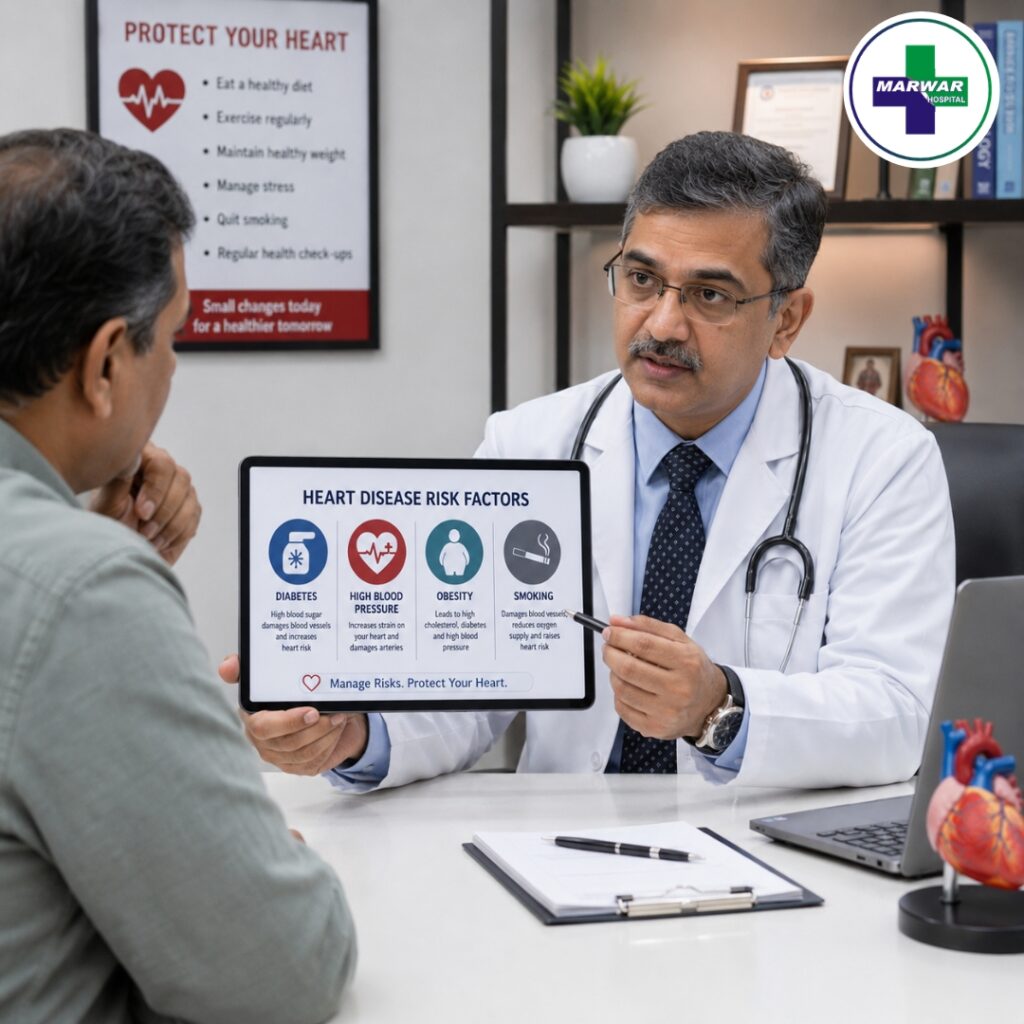
Learn more about our expert cardiologist care services here.
7. Dizziness or Lightheadedness
Feeling dizzy occasionally may result from dehydration or low blood sugar.
However, recurrent dizziness can sometimes signal cardiovascular problems.
Symptoms may include:
- Lightheadedness
- Fainting episodes
- Loss of balance
- Feeling weak
Possible Causes
- Reduced blood flow to the brain
- Heart rhythm abnormalities
- Low cardiac output
Frequent dizziness should be discussed with a healthcare professional.
8. Excessive Sweating Without Physical Activity
Unexpected sweating, particularly cold sweats, may be an early warning sign of a heart problem.
Watch for:
- Sudden sweating
- Cold, clammy skin
- Sweating while resting
Why It Matters
The body often reacts to reduced blood flow by activating stress responses, leading to excessive perspiration.
If sweating occurs alongside chest discomfort or shortness of breath, seek immediate medical attention.
9. Persistent Indigestion, Nausea, or Heartburn
Many people mistake heart-related symptoms for digestive issues.
Symptoms may include:
- Indigestion
- Acid reflux
- Nausea
- Stomach discomfort
- Feeling unusually full
Important Consideration
While digestive problems are common, recurring symptoms accompanied by other warning signs should not be ignored.
Heart attacks can sometimes present as severe indigestion, particularly in women and older adults.
10. Sleep Problems and Breathing Disturbances
Poor sleep quality may be linked to cardiovascular disease.
Common symptoms include:
- Difficulty sleeping
- Frequent nighttime awakenings
- Snoring
- Sleep apnea
- Waking up gasping for breath
Why It Matters
Sleep apnea is strongly associated with:
- High blood pressure
- Heart rhythm disorders
- Coronary artery disease
- Heart failure
Proper diagnosis and treatment can significantly reduce cardiovascular risk.
Risk Factors That Increase Heart Disease Risk
Even mild symptoms become more concerning if you have the following risk factors:
High Blood Pressure
Uncontrolled hypertension damages blood vessels and increases heart strain.
High Cholesterol
Excess cholesterol contributes to plaque buildup in arteries.
Diabetes
Diabetes significantly increases cardiovascular risk.
Smoking
Smoking damages arteries and reduces oxygen supply.
Obesity
Excess weight places additional stress on the heart.
Family History
Genetics can play an important role in cardiovascular disease.
Physical Inactivity
Sedentary lifestyles increase the likelihood of heart-related conditions.
Chronic Stress
Long-term stress can negatively affect heart health.When Should You Seek Immediate Medical Attention?
Call emergency medical services or visit a hospital immediately if you experience:
- Severe chest pain
- Chest pressure lasting several minutes
- Sudden shortness of breath
- Pain radiating to the arm, neck, jaw, or back
- Sudden fainting
- Cold sweating with chest discomfort
Early treatment can prevent serious heart damage and improve survival rates.
How to Reduce Your Risk of Heart Disease
Eat a Heart-Healthy Diet
Include:
- Fruits
- Vegetables
- Whole grains
- Lean proteins
- Healthy fats
Exercise Regularly
Aim for at least 150 minutes of moderate physical activity each week.
Maintain a Healthy Weight
Weight management reduces strain on the cardiovascular system.
Stop Smoking
Quitting smoking is one of the best decisions for heart health.
Manage Blood Pressure and Cholesterol
Regular monitoring helps identify problems early.
Control Diabetes
Proper blood sugar management reduces cardiovascular complications.
Get Routine Health Checkups
Regular screenings can detect heart disease before symptoms become severe.
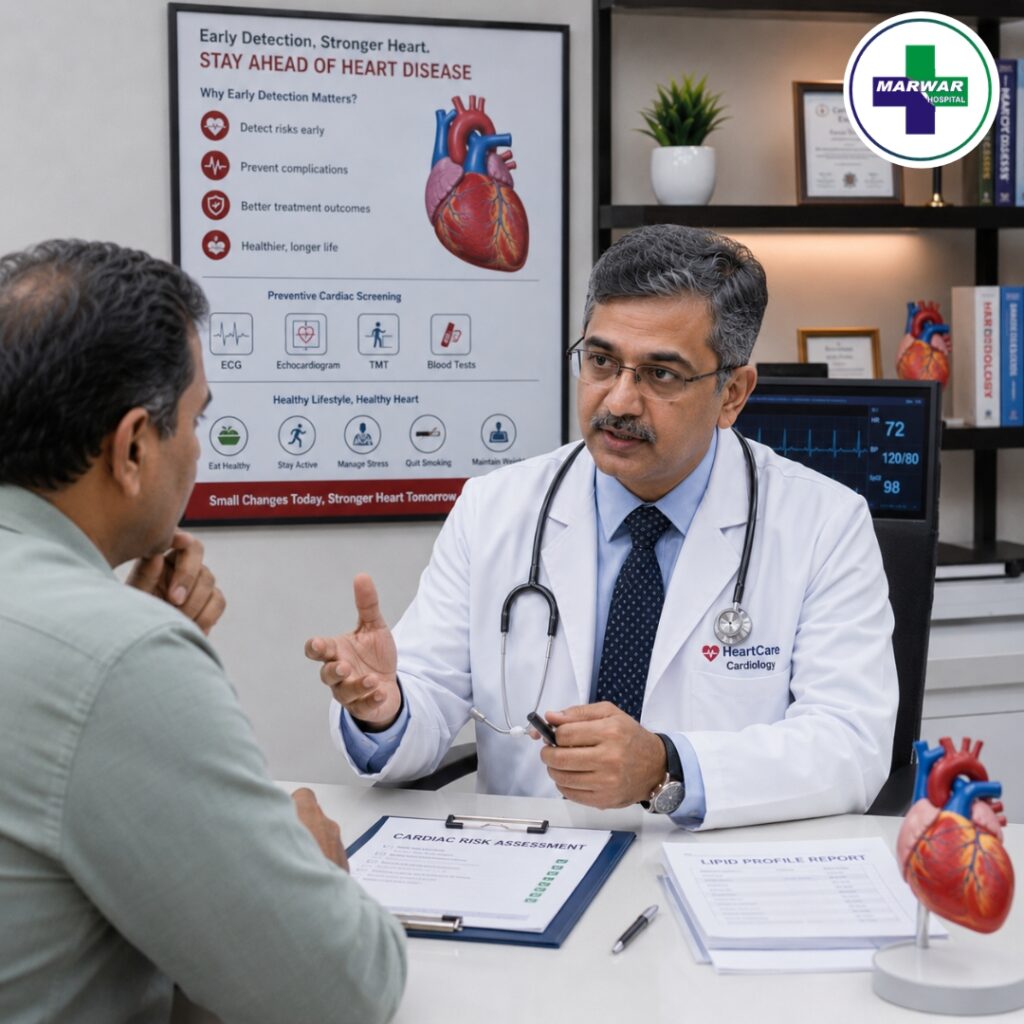
Importance of Early Diagnosis
Many heart conditions progress silently for years before causing noticeable symptoms.
Early diagnosis allows:
- Better treatment outcomes
- Prevention of heart attacks
- Improved quality of life
- Reduced healthcare costs
- Longer life expectancy
Ignoring symptoms can delay treatment and increase the risk of serious complications.
Conclusion
Heart disease often develops gradually, and the body frequently provides warning signs before a major cardiac event occurs. Symptoms such as chest pain, breathlessness, unusual fatigue, palpitations, swelling in the legs, dizziness, excessive sweating, indigestion, and sleep disturbances should never be ignored.
Being aware of these early signs and seeking timely medical evaluation can help detect heart disease in its early stages and prevent life-threatening complications. If you experience any of these symptoms or have risk factors such as diabetes, hypertension, obesity, or a family history of heart disease, consult a cardiologist without delay.
Expert Cardiology Care at Marwar Hospital Bikaner
At Marwar Hospital, our experienced cardiology team provides comprehensive heart health assessments, advanced diagnostic services, preventive cardiac care, and personalized treatment plans. Whether you are experiencing warning signs of heart disease or want a routine heart health checkup, Marwar Hospital Bikaner is committed to helping you protect your heart and live a healthier life.
📍 For immediate assistance, get directions to our hospital on Google Maps. Location: Main Road, Sadul Colony, Bikaner, Rajasthan – 334001.
📞 For expert advice and appointments, contact our hospital today. 2207714, 2208814, 2209914
The earliest warning signs of heart disease may include chest discomfort, shortness of breath, unusual fatigue, dizziness, palpitations, swelling in the legs, and unexplained sweating. These symptoms should not be ignored, especially if they occur repeatedly.
es. Heart disease does not always cause chest pain. Some people, especially women, may experience symptoms such as fatigue, shortness of breath, nausea, jaw pain, back pain, or dizziness before developing more obvious heart-related problems.
You should consult a cardiologist if you experience chest pain, breathlessness, irregular heartbeat, unexplained fatigue, dizziness, or swelling in your legs and feet. Early evaluation can help detect heart problems before they become serious.
Common risk factors include high blood pressure, high cholesterol, diabetes, obesity, smoking, lack of physical activity, chronic stress, and a family history of heart disease. Managing these factors can significantly reduce your risk.
You can lower your risk of heart disease by eating a heart-healthy diet, exercising regularly, maintaining a healthy weight, quitting smoking, controlling blood pressure and cholesterol, managing diabetes, and getting regular health checkups.