
Childhood leukemia is a type of cancer that affects the blood-forming tissues, particularly the bone marrow. Although a diagnosis of leukemia can be frightening for parents, advances in diagnosis, treatment and supportive care have significantly improved outcomes for many children. The key is recognizing concerning symptoms, obtaining an accurate diagnosis and starting appropriate treatment under the care of a specialized medical team.
Leukemia is one of the most frequently diagnosed types of cancer in children. The World Health Organization (WHO) states that childhood cancers are uncommon overall, but leukemia is one of the major cancer types affecting children and adolescents.
It is important to remember that symptoms such as fever, tiredness, bruising or bone pain do not automatically mean that a child has leukemia. Many common childhood illnesses can produce similar symptoms. A qualified doctor must evaluate the child and recommend appropriate tests.
For families in Bikaner, understanding the signs, diagnostic process and available treatment approaches can help parents seek medical attention at the right time.
What Is Childhood Leukemia?
Leukemia is a cancer of the blood-forming tissues. It begins in the bone marrow, the soft tissue inside many bones where blood cells are produced.
Normally, the bone marrow produces:
- Red blood cells, which carry oxygen
- White blood cells, which help fight infections
- Platelets, which help control bleeding
In leukemia, abnormal blood-forming cells grow and multiply in an uncontrolled way. These abnormal cells may disrupt the body’s normal production of healthy blood cells.
As a result, a child may develop symptoms related to low numbers of healthy red blood cells, platelets or properly functioning white blood cells.
The two principal forms of acute leukemia seen in children are:
Acute Lymphoblastic Leukemia (ALL)
ALL develops from immature lymphoid cells. It is the most frequently diagnosed form of leukemia among children.
Acute Myeloid Leukemia (AML)
AML develops from immature myeloid cells.It occurs less frequently than ALL but remains a significant form of leukemia in children.
Other, less common forms of leukemia can also occur in children.
What Causes Childhood Leukemia?
In most children, there is no single identifiable reason why leukemia develops.
Parents sometimes worry that something they did caused their child’s leukemia. In most cases, childhood leukemia is not caused by a parent’s actions, diet or ordinary childhood activities.
Certain genetic conditions and specific previous exposures or medical treatments can increase risk in some children, but these account for only a proportion of cases.
WHO notes that childhood cancer generally cannot be prevented in the same way as many adult cancers. Therefore, awareness of symptoms and prompt diagnosis are particularly important.
Early Symptoms of Childhood Leukemia
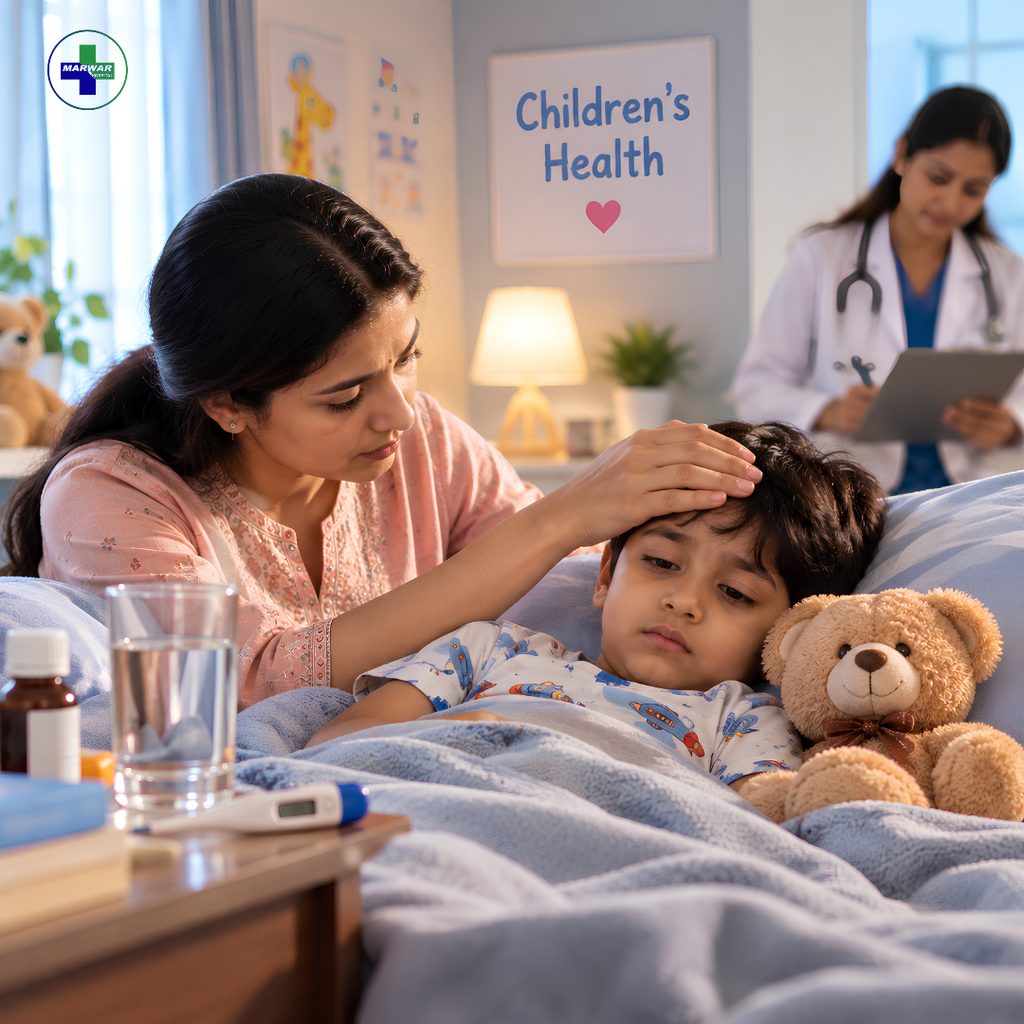
The symptoms of leukemia can develop gradually or appear over a relatively short period. They occur largely because abnormal cells interfere with normal blood-cell production.
1. Persistent Fever
Fever is extremely common in children and is usually related to infection.
However, repeated or unexplained fever should be discussed with a doctor, especially when it occurs with other unusual symptoms.
A child may experience:
- Recurrent fever
- Fever without an obvious infection
- Fever associated with unusual tiredness
- Fever accompanied by bruising or bone pain
Fever is a recognized symptom that can occur in childhood leukemia, although infections remain a much more common cause.
2. Unusual Tiredness and Weakness
A child who is normally energetic may become noticeably less active.
Parents may observe:
- Reduced interest in playing
- Frequent tiredness
- Weakness
- Sleeping more than usual
- Difficulty keeping up with normal activities
- Pale-looking skin
Leukemia can interfere with red blood cell production, potentially causing anemia. This can contribute to tiredness, weakness and pallor.
3. Easy Bruising or Bleeding
Platelets help the body control bleeding. When leukemia affects normal platelet production, a child may develop unusual bleeding or bruising.
Possible signs include:
- Frequent unexplained bruises
- Nosebleeds
- Bleeding gums
- Small red or purple spots on the skin
- Bleeding that appears excessive for a minor injury
These spots, called petechiae, can occur when small blood vessels bleed beneath the skin.
An occasional bruise is normal in an active child. Persistent or unexplained bruising should be evaluated.
4. Bone or Joint Pain
Some children with leukemia may experience discomfort or aching in their bones and joints.
Parents may notice that the child:
- Complains of persistent leg or joint pain
- Avoids physical activity
- Walks differently or develops a limp
- Has pain that keeps returning
- Complains of pain without an obvious injury
Bone and joint discomfort can be common signs associated with leukemia in children.
However, children also experience bone and joint pain for many other reasons. Persistent symptoms should therefore be assessed rather than automatically attributed to growing pains.
5. Swollen Lymph Nodes
Leukemia can sometimes cause painless enlargement of lymph nodes.
Parents may notice lumps or swelling around the:
- Neck
- Armpits
- Groin
- Abdomen or other areas
Swollen lymph nodes are extremely common in children with infections, so their presence alone does not mean leukemia.
However, persistent, unexplained or progressively enlarging lymph nodes should be examined by a doctor.
6. Pale Skin
Paleness may occur when a child’s red blood cell count becomes low.
Parents may notice that:
- The face looks unusually pale
- The lips appear less pink than usual
- The child seems tired or weak
- Normal activities become more tiring
Paleness can occur for many reasons, including iron deficiency and infections. It can also occur with leukemia-related anemia.
A blood test can help doctors investigate the cause.
7. Loss of Appetite and Weight Loss
Children can have changing appetites, but persistent loss of appetite or unexplained weight loss deserves attention.
Possible associated symptoms include:
- Eating significantly less than usual
- Losing weight without a clear reason
- Reduced energy
- Abdominal discomfort
- Persistent fever
Reduced appetite and unexplained weight loss may occur in children with ALL or AML.
8. Abdominal Pain or Fullness
Leukemia can sometimes cause enlargement of organs such as the spleen or liver.
A child may therefore experience:
- Abdominal discomfort
- A feeling of fullness
- Pain below the ribs
- Abdominal swelling
- Reduced appetite
NCI lists pain or fullness below the ribs and abdominal symptoms among possible manifestations of childhood leukemia.
Persistent abdominal symptoms should always be evaluated because many non-cancerous conditions can produce similar complaints.
9. Frequent or Persistent Infections
White blood cells play an important role in fighting infections.
In leukemia, the number of white blood cells may be abnormal and the cells may not function normally. Consequently, some children may experience frequent infections or infections that do not resolve as expected.
Parents should speak with a pediatrician if infections are unusually frequent, severe or persistent.
10. Shortness of Breath or Difficulty Breathing
Anemia can contribute to tiredness and shortness of breath. In some children with leukemia, other disease-related changes can also affect breathing.
Possible symptoms include:
- Breathlessness during activities
- Unusual tiredness after minimal exertion
- Rapid breathing
- Difficulty breathing
Breathing difficulty can have many causes and may sometimes require urgent medical attention.
When Should Parents Consult a Doctor?
Parents should not wait for every symptom to appear before seeking medical advice.
Consider consulting a pediatrician if your child has:
- Persistent or unexplained fever
- Unusual tiredness or weakness
- Repeated unexplained bruising
- Frequent nosebleeds or other unusual bleeding
- Persistent bone or joint pain
- Unexplained weight loss
- Persistent swollen lymph nodes
- Pale appearance with weakness
- Frequent or persistent infections
- Abdominal swelling or fullness
- Unexplained breathing difficulties
The presence of one of these symptoms does not establish a diagnosis of leukemia. The symptoms may have many other causes.
WHO emphasizes that awareness, timely clinical evaluation and accurate diagnosis are important components of early childhood cancer detection.

Learn more about our expert Oncologist care services here.
How Is Childhood Leukemia Diagnosed?
Diagnosing leukemia requires more than simply identifying symptoms.
The doctor generally begins with a detailed medical history and physical examination.
The evaluation may include the following.
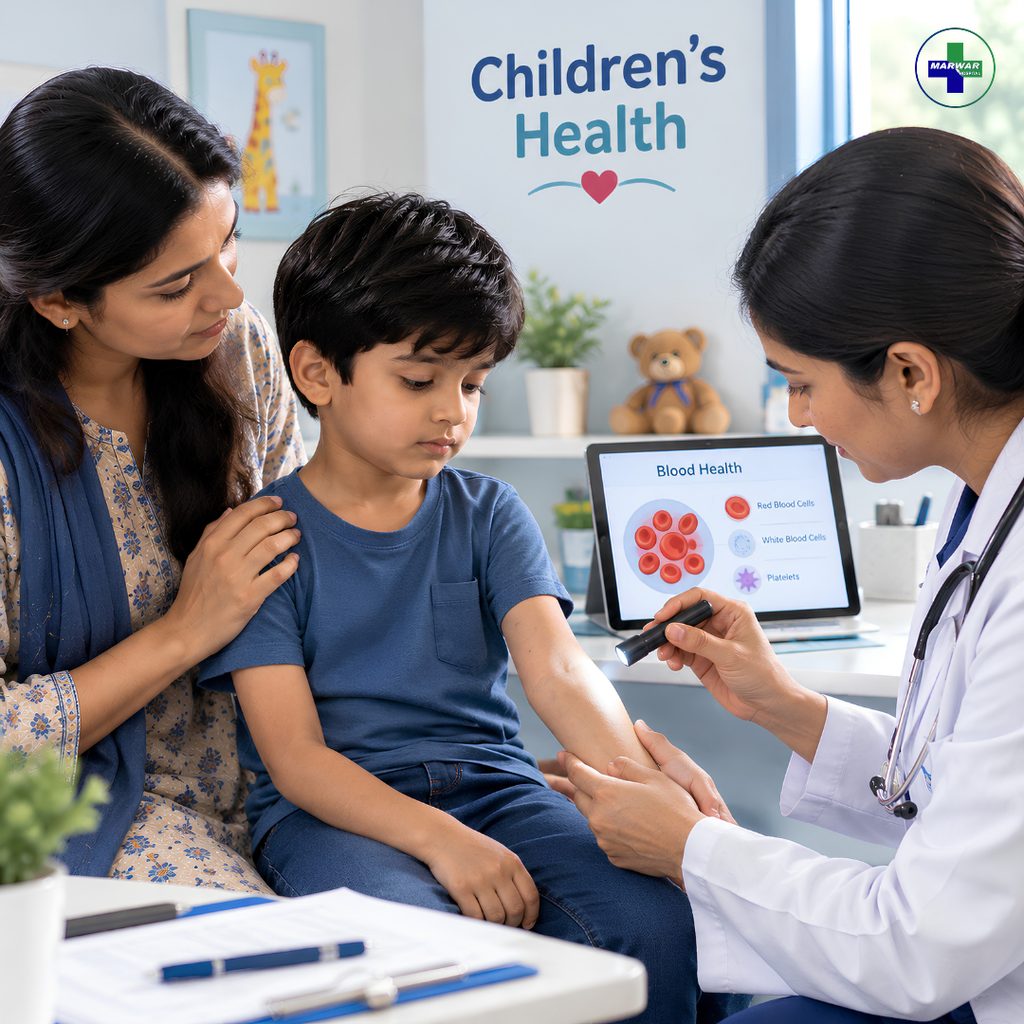
1. Complete Blood Count (CBC)
A CBC is often an important initial blood test.
It measures components such as:
- Red blood cells
- White blood cells
- Platelets
- Hemoglobin
- Other blood-cell parameters
Abnormal blood counts may prompt doctors to investigate further, although an abnormal CBC alone does not establish leukemia.
2. Peripheral Blood Examination
A blood sample may be examined to look at the appearance and types of blood cells.
This can provide additional information about abnormal cells.
3. Bone Marrow Examination
A bone marrow examination is an important part of diagnosing many cases of leukemia.
A sample of bone marrow is examined for abnormal cells and other characteristics.
Additional laboratory techniques can help determine the specific type of leukemia.
4. Flow Cytometry
Flow cytometry can help identify the characteristics of abnormal cells and assist doctors in determining the type of leukemia.
5. Genetic and Molecular Testing
Modern leukemia diagnosis may include chromosome, genetic or molecular testing.
These results can help classify leukemia and may influence treatment planning.
6. Additional Investigations
Depending on the child’s symptoms and diagnosis, doctors may recommend other tests or imaging studies to assess the disease and the child’s overall health.
The exact diagnostic plan differs between children and depends on the suspected type of leukemia.

Use up and down arrow keys to resize the meta box pane.
What Are the Treatment Options for Childhood Leukemia?
Treatment depends on several factors, including:
- Type of leukemia
- Specific subtype
- Child’s age
- Blood counts at diagnosis
- Genetic characteristics of the leukemia
- Response to initial treatment
- Whether disease is present outside the bone marrow
For this reason, leukemia treatment should always be individually planned by a pediatric oncology team.
Chemotherapy
Chemotherapy uses medicines designed to destroy leukemia cells or prevent them from multiplying.
For childhood ALL, treatment is commonly organized into phases such as:
- Remission induction
- Consolidation or intensification
- Maintenance
The goal of induction is to achieve remission, while later phases help eliminate remaining leukemia cells and reduce the risk of recurrence.
Treatment for AML also commonly involves different phases, including induction and consolidation/intensification.
Targeted Therapy
Some leukemia cells contain particular genetic or molecular changes that can be targeted with specific medicines.
Targeted therapies are used for selected patients based on the characteristics of their leukemia.
The availability and suitability of these treatments depend on the individual diagnosis.
Immunotherapy
Immunotherapy uses treatments that help the immune system recognize or attack cancer cells.
Certain immunotherapies are used for specific forms of childhood leukemia, particularly in selected cases of ALL.
For example, blinatumomab is used in particular childhood ALL settings, and research continues to expand the role of immunotherapy.
Stem Cell Transplant
A stem cell transplant may be considered for selected children, particularly in certain high-risk, refractory or relapsed leukemias.
It is not required for every child with leukemia.
The decision depends on the type of leukemia, response to treatment, risk characteristics and other clinical factors.
Supportive Care During Treatment
Cancer treatment is not only about treating leukemia cells.
Children may also need supportive care to manage complications and maintain their health during treatment.
This can include:
- Blood or platelet transfusions when needed
- Infection prevention and treatment
- Nutritional support
- Management of treatment-related side effects
- Pain management
- Psychological and emotional support
- Regular monitoring through blood tests and other investigations
WHO emphasizes that children undergoing cancer treatment require attention to nutrition, development, physical health and psychosocial needs as part of comprehensive care.
Why Early Diagnosis Matters
Childhood leukemia can initially resemble common childhood illnesses. This is one reason why persistent or unusual symptoms should not be ignored.
Early diagnosis provides an opportunity for:
- Appropriate classification of leukemia
- Timely treatment planning
- Management of complications
- Specialist supportive care
- Monitoring of treatment response
WHO identifies prompt and correct diagnosis followed by evidence-based treatment as a key strategy for improving childhood cancer outcomes.
However, early diagnosis does not mean that parents should panic whenever a child develops fever or a bruise. Instead, parents should pay attention to persistent, unexplained or unusual patterns.
Can Childhood Leukemia Be Cured?
Many children with leukemia can achieve remission and long-term survival with appropriate treatment.
The outlook varies considerably depending on the type and biological characteristics of leukemia, the child’s age, response to treatment and other clinical factors.
For example, NCI reports that approximately 98% of children with ALL achieve remission, while long-term outcomes vary between risk groups and treatment settings.
WHO also reports that, where comprehensive childhood cancer services are accessible, more than 80% of children with cancer can be cured overall, although outcomes vary significantly between healthcare settings.
Therefore, parents should discuss their child’s individual diagnosis and treatment response with the treating pediatric oncology team rather than relying on general statistics.
Supporting a Child During Leukemia Treatment
A leukemia diagnosis affects the whole family. Children may experience changes in their daily routine, school attendance, physical activity and emotional wellbeing.
Parents can support their child by:
- Maintaining a reassuring and age-appropriate conversation
- Following the medical team’s instructions carefully
- Keeping scheduled appointments
- Giving medicines exactly as prescribed
- Paying attention to fever or other signs of infection
- Supporting adequate nutrition and hydration according to medical advice
- Staying connected with school when appropriate
- Allowing the child to express fears and questions
- Asking the healthcare team about side effects and warning signs
Parents should also remember that they do not have to handle everything alone. Pediatric oncology care involves a multidisciplinary team that may include doctors, nurses, nutrition professionals, psychologists and other specialists.

Childhood Leukemia Care in Bikaner
For families in Bikaner and nearby areas, recognizing concerning symptoms and seeking appropriate medical evaluation can be an important first step.
At Marwar Hospital, Bikaner, parents can seek professional medical guidance when a child develops persistent or unexplained symptoms that require further assessment.
A pediatrician can evaluate the child and, when appropriate, recommend blood investigations or referral to a pediatric oncology specialist.
The goal is not to assume that every concerning symptom is leukemia. The goal is to ensure that persistent symptoms receive the appropriate medical attention.
Conclusion
Childhood leukemia is a serious condition affecting the blood and bone marrow, but advances in pediatric cancer care have made successful treatment possible for many children. Recognizing possible warning signs can help parents seek medical advice when it is needed.
Persistent fever, unusual tiredness, pale skin, unexplained bruising or bleeding, bone or joint pain, swollen lymph nodes, loss of appetite, weight loss, abdominal discomfort and frequent infections can occur in children with leukemia. However, these symptoms are not specific to leukemia and are often caused by other childhood illnesses.
Diagnosis generally involves a medical examination, blood tests and, when indicated, bone marrow evaluation and specialized laboratory testing. Once leukemia is confirmed, treatment is carefully planned according to the type and characteristics of the disease. Depending on the individual case, treatment may involve chemotherapy, targeted therapy, immunotherapy, stem cell transplantation and supportive care.
The most important message for parents is to remain alert without becoming fearful. If your child’s symptoms are persistent, unexplained, worsening or occurring in combination, consult a qualified pediatrician. Timely evaluation can help doctors identify the cause and begin appropriate care when necessary.
For families in Bikaner, Marwar Hospital can be a point of medical guidance when parents are concerned about unusual symptoms in their child.
When it comes to childhood health, noticing changes early and seeking appropriate medical advice can make an important difference.
📍 For immediate assistance, get directions to our hospital on Google Maps. Location: Main Road, Sadul Colony, Bikaner, Rajasthan – 334001.
📞 For expert advice and appointments, contact our hospital today. 2207714, 2208814, 2209914
Common symptoms may include persistent fever, unusual tiredness, pale skin, unexplained bruising or bleeding, bone or joint pain, swollen lymph nodes, loss of appetite, unexplained weight loss, abdominal discomfort, and frequent infections. These symptoms can also occur with many other childhood illnesses.
Childhood leukemia is diagnosed through medical evaluation and appropriate tests. These may include a complete blood count (CBC), peripheral blood examination, bone marrow examination, flow cytometry, and genetic or molecular testing.
Yes. Many children with leukemia can achieve remission and long-term survival with appropriate treatment. Treatment depends on the type and characteristics of leukemia and may include chemotherapy, targeted therapy, immunotherapy, stem cell transplantation, and supportive care.
Parents should consult a pediatrician when a child has persistent or unexplained fever, unusual tiredness, repeated bruising or bleeding, persistent bone or joint pain, unexplained weight loss, swollen lymph nodes, pale appearance with weakness, frequent infections, abdominal swelling, or unexplained breathing difficulties.
No. Symptoms such as fever, tiredness, bruising, and bone pain can have many causes and do not by themselves establish a diagnosis of leukemia. A qualified doctor should evaluate the child and recommend appropriate investigations when necessary.