
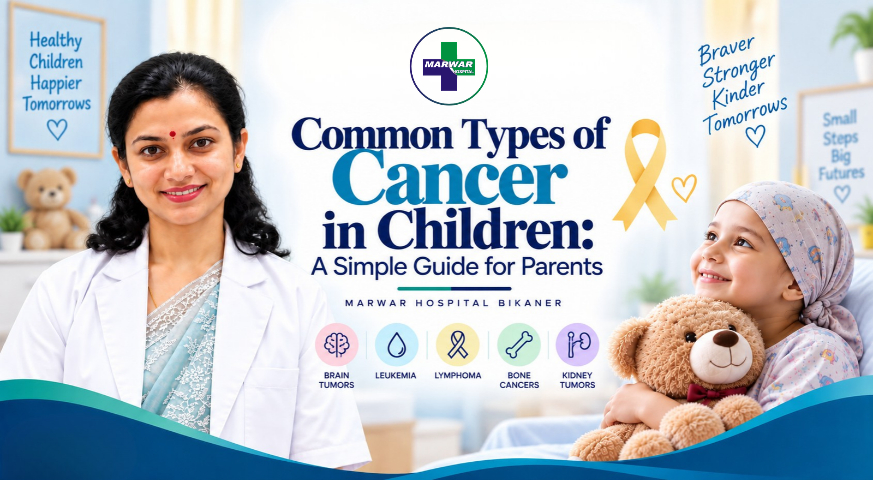
Hearing the word cancer in connection with a child can be deeply worrying for any parent. However, understanding childhood cancer can help families recognize concerning symptoms, seek medical advice at the right time and make informed decisions about their child’s care.
Childhood cancer is relatively uncommon compared with cancer in adults, and the types of cancer seen in children are also different from those that commonly affect adults. According to the World Health Organization (WHO), the major childhood cancer groups include leukemias, brain tumours, lymphomas and several solid tumours such as neuroblastoma and Wilms tumour.Certain other cancers can be diagnosed more often during adolescence.
This guide explains the common types of cancer that can occur in children, their general symptoms, how doctors investigate them and the treatment approaches that may be considered.
Important: The symptoms described below can occur because of many conditions other than cancer. Having one or more of these symptoms does not mean that a child has cancer.Ongoing or unusual symptoms should be assessed by a qualified healthcare professional.
What Is Childhood Cancer?
Childhood cancer refers to cancers that develop in children and adolescents during their growing years.Unlike many cancers in adults, childhood cancers are often not strongly linked to lifestyle factors.
Cancer develops when abnormal cells grow and multiply in an uncontrolled way. Depending on the type of cancer, these abnormal cells may develop in the blood, brain, lymphatic system, bones, kidneys, eyes, nerves or other tissues.
Childhood cancers can behave differently from adult cancers, which is why children require specialized pediatric medical care. The National Cancer Institute lists leukemia, brain and spinal cord tumours, lymphoma, neuroblastoma, Wilms tumour, retinoblastoma and bone and soft-tissue cancers among the major childhood cancer types.
1. Childhood Leukemia
Leukemia is the most common childhood cancer worldwide.
It develops in the blood-producing tissues, especially within the bone marrow. the bone marrow produces abnormal blood-forming cells that can interfere with healthy red blood cells, white blood cells and platelets.
The two main forms of acute leukemia affecting children are:
- Acute Lymphoblastic Leukemia (ALL)
- Acute Myeloid Leukemia (AML)
ALL is the most commonly diagnosed form of leukemia among children.
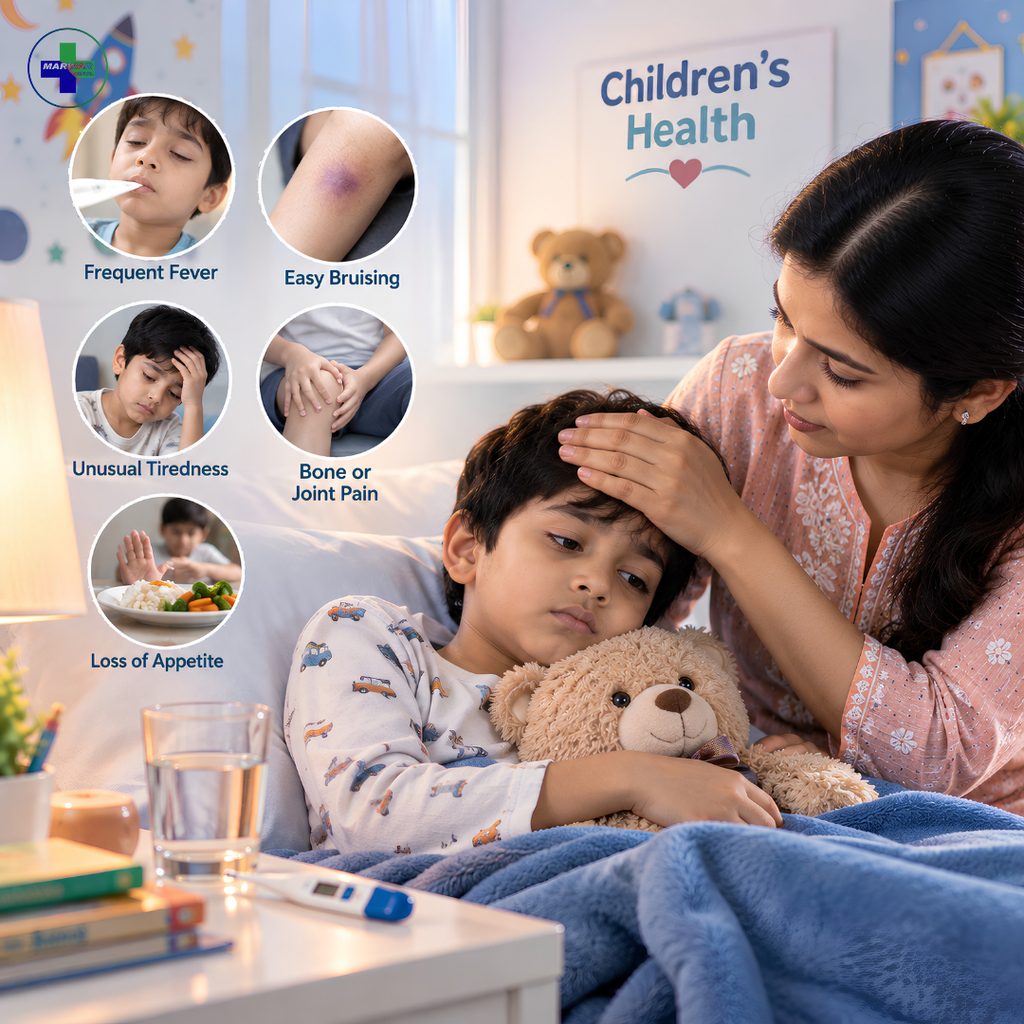
Possible symptoms
A child with leukemia may experience:
- Persistent or recurrent fever
- Unusual tiredness
- Pale skin
- Easy bruising
- Frequent bleeding or nosebleeds
- Bone or joint pain
- Swollen lymph nodes
- Loss of appetite
- Unexplained weight loss
- Frequent infections
These symptoms can also occur with common childhood illnesses, nutritional deficiencies and infections. Therefore, persistent or unusual symptoms should be assessed rather than interpreted as cancer on their own.
Diagnosis may involve blood tests, examination of blood cells and, when necessary, bone marrow testing.
Treatment depends on the specific type and characteristics of leukemia and may include chemotherapy, targeted medicines, immunotherapy or stem-cell transplantation in selected situations.
2. Brain and Central Nervous System Tumours
Brain and other central nervous system (CNS) tumours are among the most common childhood cancers.
These tumours can develop in different parts of the brain or spinal cord. Their symptoms can vary depending on the tumour’s location, size and growth rate.
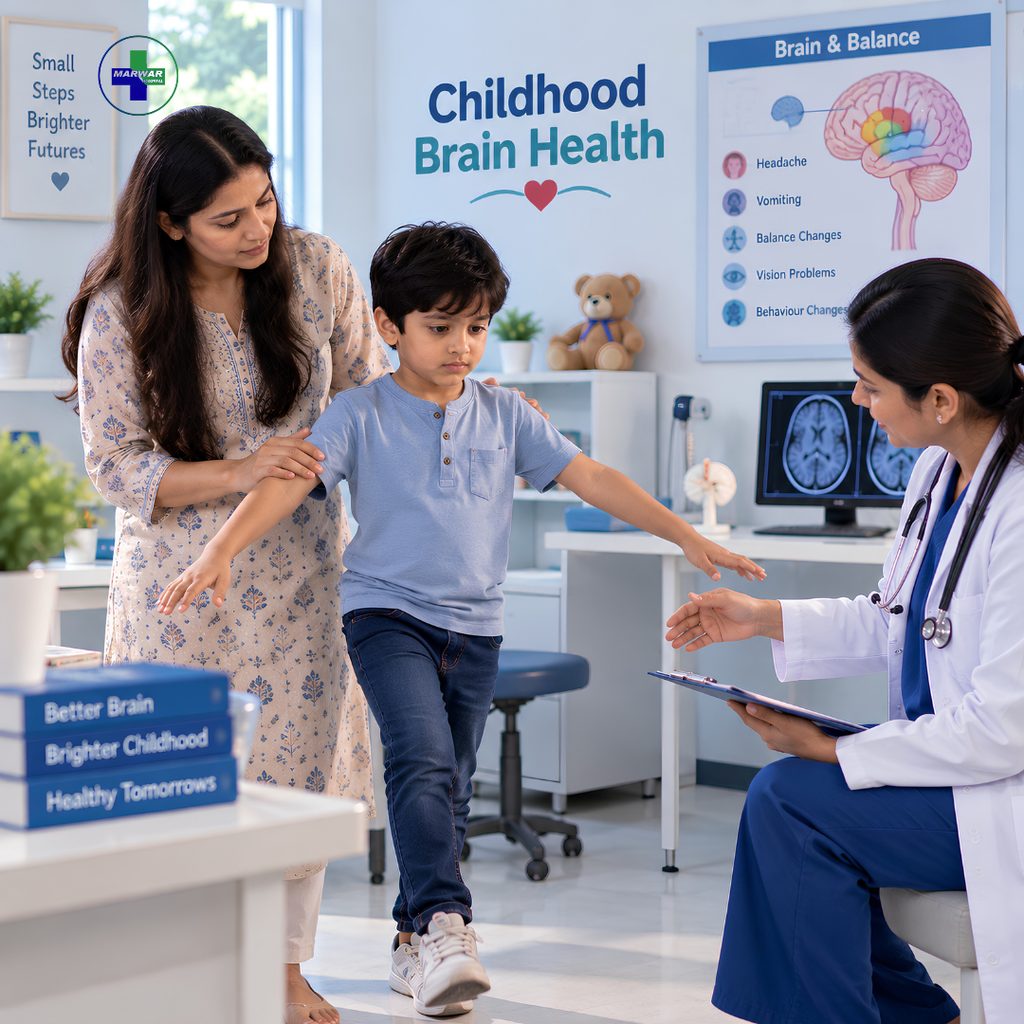
Possible warning signs
Parents may notice:
- Persistent or unusual headaches
- Repeated vomiting, particularly when associated with headaches
- Changes in vision
- Difficulty walking or maintaining balance
- Weakness
- Seizures
- Changes in behaviour
- Problems with coordination
- Changes in school performance
- Developmental changes in younger children
A headache or vomiting by itself is usually not a sign of a brain tumour.These signs can also result from infections, migraines, or other underlying health conditions in children.
However, persistent, worsening or unusual neurological symptoms should be medically evaluated.
Doctors may use neurological examinations and imaging such as MRI or CT when appropriate. Treatment depends on the specific tumour and may involve surgery, radiation therapy, chemotherapy or other specialized treatments.
3. Childhood Lymphoma
Lymphoma is a cancer that begins in lymphocytes, a type of white blood cell involved in the immune system. Abnormal lymphocytes can accumulate in lymph nodes or other tissues.
Lymphoma is broadly divided into:
- Hodgkin lymphoma
- Non-Hodgkin lymphoma
The pattern of lymphoma varies with age. Lymphomas become particularly important among adolescents. WHO notes that lymphomas are among the common childhood and adolescent cancers, with some forms being more frequent in older children and teenagers.
Possible symptoms
Parents may notice:
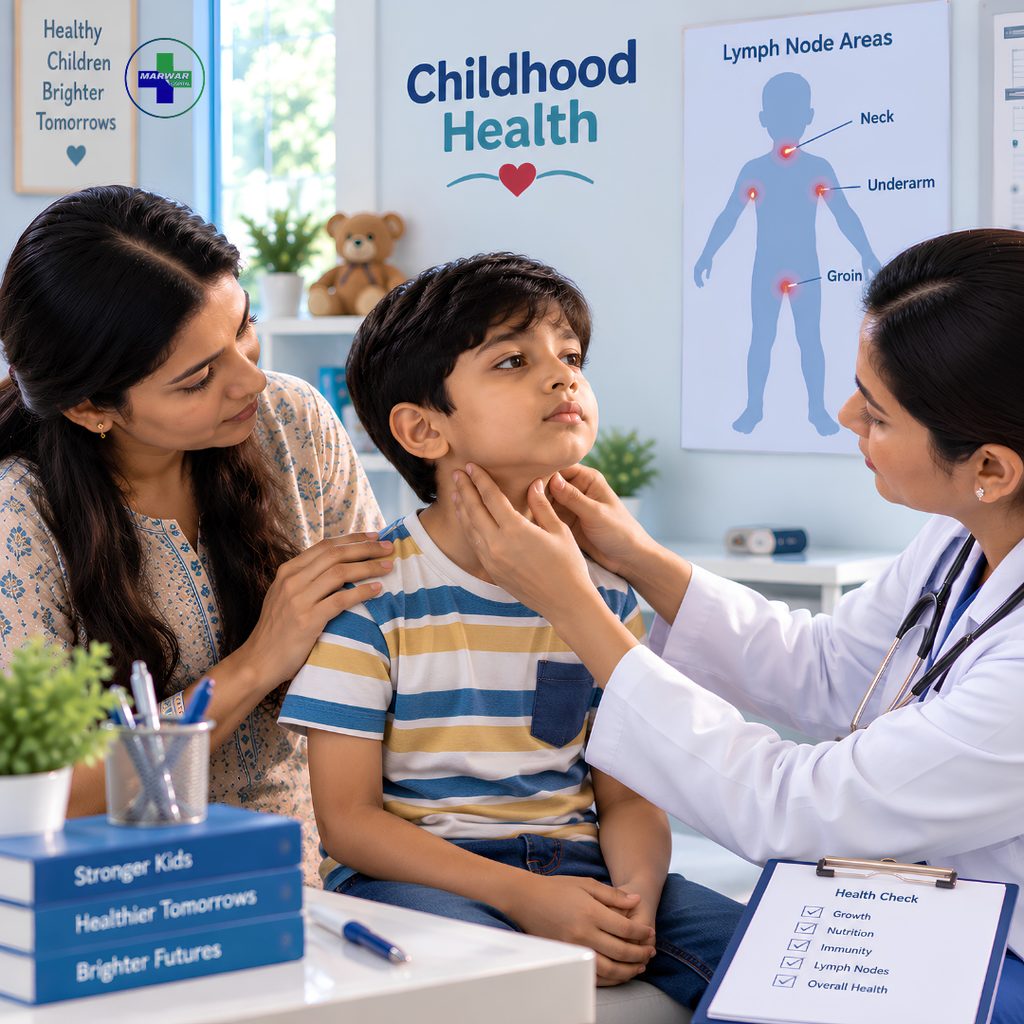
- Painless swelling of lymph nodes
- Persistent swelling in the neck, armpit or groin
- Fever without an obvious cause
- Night sweats
- Unexplained weight loss
- Persistent tiredness
- Abdominal swelling or discomfort
- Cough or breathing difficulty in some cases
Enlarged lymph nodes are very common in children, especially during infections. A swollen lymph node therefore does not automatically indicate lymphoma.
However, any swelling that persists or has no clear cause should be evaluated by a healthcare professional.
4. Neuroblastoma
Neuroblastoma is a type of cancer that develops from immature nerve cells. It most commonly affects young children and is one of the solid tumours particularly associated with early childhood.
It often begins in tissues associated with the adrenal glands or other areas of the nervous system.
Possible symptoms
Depending on where the tumour develops, symptoms may include:
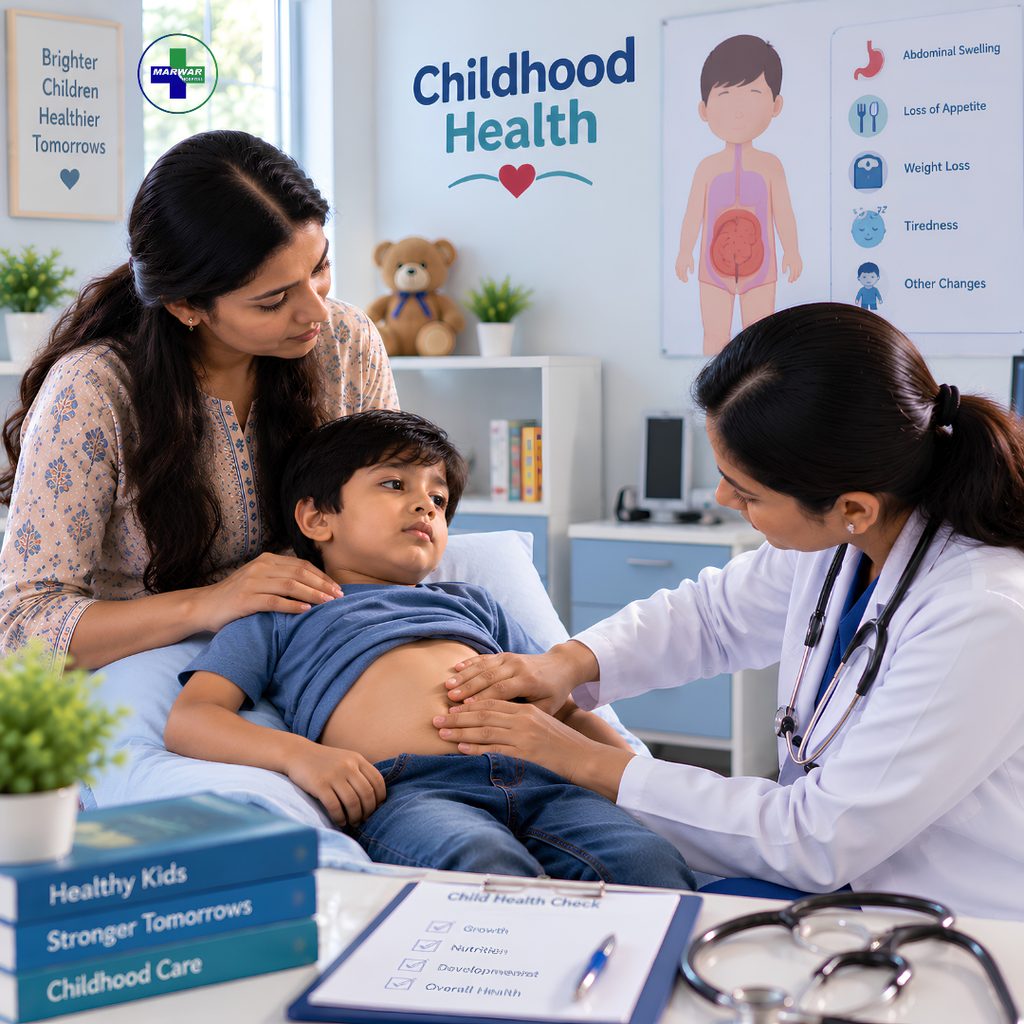
- A lump or swelling in the abdomen
- Abdominal discomfort
- Loss of appetite
- Weight loss
- Bone pain
- Fever
- Irritability
- Difficulty breathing in some cases
- Changes around the eyes in some children
Symptoms may differ considerably among children, depending on the individual.
Doctors may use imaging studies, blood and urine tests, biopsy and other specialized investigations to determine whether neuroblastoma is present.
Treatment depends on the child’s age, tumour characteristics and risk classification. It may involve surgery, chemotherapy, radiation therapy, immunotherapy or other specialized approaches.
5. Wilms Tumour
Wilms tumour, also known as nephroblastoma, is a cancer that develops in the kidney and primarily affects young children.
It is one of the better-known childhood kidney tumours. WHO includes Wilms tumour among the important childhood cancers used in its global childhood cancer programme.
Possible signs
Parents may notice:
- A lump or swelling in the abdomen
- Abdominal pain
- Blood in the urine
- Fever
- Loss of appetite
- Nausea or vomiting
- High blood pressure in some cases
A noticeable abdominal mass in a child should be evaluated by a doctor.
Parents should avoid repeatedly pressing or massaging a suspected abdominal lump.
Diagnosis may involve ultrasound and other imaging tests, blood and urine investigations and, when appropriate, tissue examination.
Treatment commonly involves surgery and may also include chemotherapy and radiation therapy depending on the disease characteristics.
6. Retinoblastoma
Retinoblastoma is a cancer of the retina, the light-sensitive tissue at the back of the eye. It primarily affects young children.
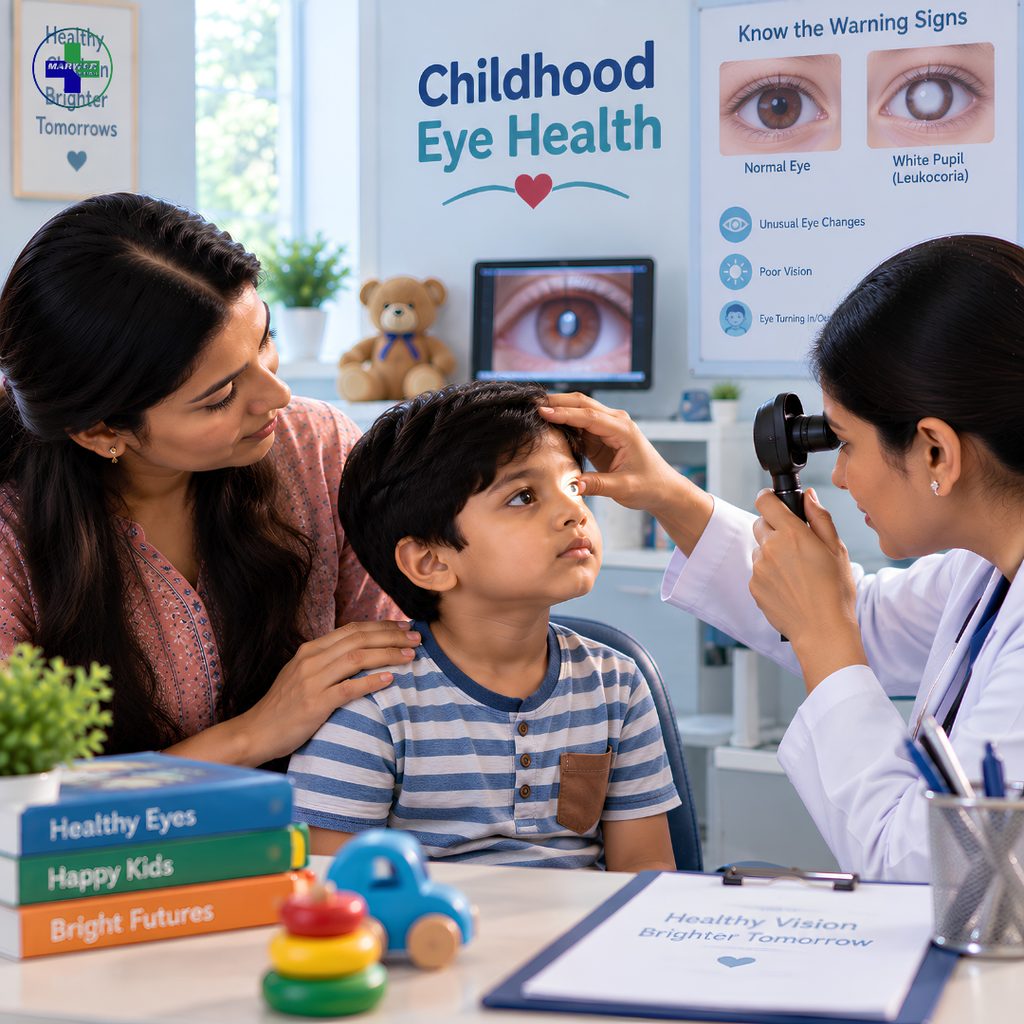
One of the most important signs parents may notice is an unusual white reflection in the pupil, sometimes called a “white pupil” or leukocoria.
Other possible signs include:
- A new or persistent squint
- Changes in vision
- Eye redness
- Eye swelling
- An unusual appearance of one eye
- Eye pain in some situations
WHO identifies leukocoria as an important warning sign associated with retinoblastoma.
A white reflection in a child’s eye should not be ignored. It can have causes other than cancer, but it needs appropriate eye examination.
Treatment depends on the size, location and extent of the tumour and may involve specialized eye treatments, chemotherapy, radiation or surgery in selected cases.
Early evaluation is particularly important because preserving vision and, when possible, the eye may be important treatment goals.
7. Bone Cancer
Bone cancers are uncommon in younger children but become more relevant during adolescence.
Two important types are:
- Osteosarcoma
- Ewing sarcoma
Possible symptoms
A child or teenager may experience:
- Persistent bone pain
- Swelling around a bone or joint
- A noticeable lump
- Difficulty moving a limb
- Limping
- Pain that continues despite rest
These symptoms can easily be mistaken for sports injuries or growing pains, particularly in active teenagers.
However, persistent pain or swelling without a clear explanation should be evaluated.
Doctors may use X-rays, MRI, CT, biopsy and other tests depending on the suspected condition.
Treatment may involve chemotherapy and surgery, with radiation therapy used in selected situations.
8. Soft-Tissue Sarcomas
Soft-tissue sarcomas are cancers that develop in tissues such as:
- Muscle
- Fat
- Blood vessels
- Tendons
- Connective tissue
They can develop in different parts of the body.
A common type in children is rhabdomyosarcoma, which develops from cells associated with skeletal muscle.
Possible symptoms
Symptoms depend on where the tumour develops. Parents may notice:
- A new lump or swelling
- A lump that continues to grow
- Pain or discomfort
- Difficulty using an affected body part
- Urinary symptoms if the tumour occurs in certain locations
- Changes around the nose or eye area for tumours in the head and neck
A lump does not necessarily mean cancer. Children develop many harmless lumps and swellings. However, a growing or persistent lump should be examined.
9. Liver Tumours
Childhood liver cancers are uncommon, but two important types are hepatoblastoma and hepatocellular carcinoma.
Hepatoblastoma occurs mainly in young children, while hepatocellular carcinoma is more often seen in older children and adolescents.
Possible symptoms
These may include:
- Abdominal swelling
- A lump in the abdomen
- Abdominal pain
- Loss of appetite
- Weight loss
- Nausea or vomiting
- Fever
- Jaundice in some cases
Doctors may use blood tests, ultrasound, CT or MRI scans and tissue testing to investigate a suspected liver tumour.
Treatment varies according to the type and stage and may involve surgery, chemotherapy or other specialized treatments.
10. Germ Cell Tumours
Germ cells are cells involved in reproduction. Rarely, tumours can develop from these cells in children and adolescents.
Germ cell tumours may occur in locations such as:
- Ovaries
- Testes
- Abdomen
- Chest
- Brain
- Other parts of the body
Symptoms depend on where the tumour develops.
For example, a child may develop swelling in the abdomen or an unusual mass in the testicle.
Any new or persistent swelling should be evaluated by a healthcare professional.
Why Are Childhood Cancers Different From Adult Cancers?
One important point parents should understand is that childhood cancers are not simply “adult cancers in smaller bodies.”
The types of cancer seen in children are different. Cancers such as breast, lung and prostate cancer—which are important adult cancers—are generally uncommon in children.
Childhood cancers often arise from developing tissues and immature cells. This is one reason pediatric oncology is a specialized field.
IARC notes that leukemia, lymphoma and central nervous system tumours are among the most common childhood cancer groups, while younger children may also develop cancers such as neuroblastoma, retinoblastoma and kidney tumours.
What Symptoms Should Parents Never Ignore?
Most childhood symptoms are not caused by cancer. Nevertheless, parents should speak with a doctor when a symptom is:
- Persistent
- Unexplained
- Getting progressively worse
- Repeatedly returning
- Associated with several other unusual symptoms
- Interfering with normal activities, sleep, school or play
Some important warning patterns include:
Persistent fever + unusual tiredness + bruising
Persistent headache + vomiting + balance problems
Abdominal swelling + weight loss + poor appetite
Persistent bone pain + swelling
White pupil or unusual eye appearance
WHO’s guidance on early childhood cancer diagnosis highlights patterns such as bleeding and fever with leukemia, abdominal masses with certain solid tumours, bone pain and limb swelling with sarcomas, and leukocoria with retinoblastoma.
These patterns are warning signs, not diagnoses.
How Is Childhood Cancer Diagnosed?
If a doctor suspects that a child’s symptoms require further investigation, the evaluation may include:
Medical history and examination
The doctor will ask about symptoms, their duration, family history and changes in the child’s general health.
Blood tests
Blood tests can help evaluate blood counts and organ function and may provide clues about certain diseases.
Imaging
Depending on the symptoms, doctors may recommend:
- Ultrasound
- X-ray
- MRI
- CT scan
- Other specialized imaging
Biopsy
In some cancers, a small tissue sample is examined under a microscope to confirm the diagnosis and identify the tumour type.
Specialized testing
Depending on the cancer, doctors may use genetic, molecular or other laboratory tests to classify the disease and guide treatment.
The exact diagnostic process varies considerably between cancer types.
How Is Childhood Cancer Treated?
There is no single treatment for childhood cancer. Treatment is selected according to the type of cancer, its stage or risk group, the child’s age and other medical factors.
Depending on the diagnosis, treatment may include:
Chemotherapy
Medicines are used to destroy cancer cells or prevent them from multiplying.
Surgery
Surgery may be used to remove a tumour when this is medically appropriate.
Radiation Therapy
High-energy radiation may be used to destroy cancer cells in selected situations.
Targeted Therapy
Some cancers contain specific molecular features that can be targeted by specialized medicines.
Immunotherapy
Certain treatments help the immune system recognize and attack cancer cells. Their use depends on the cancer type and individual circumstances.
Stem Cell Transplantation
A stem-cell transplant may be recommended for selected children with particular blood cancers or other high-risk conditions.
NCI emphasizes that childhood cancers are not always treated in the same way as adult cancers and that pediatric oncology provides specialized care for children with cancer.
Learn more about our expert Oncologist care services here.
Can Childhood Cancer Be Cured?
Many childhood cancers can be successfully treated, particularly when children have access to timely diagnosis and comprehensive treatment.
WHO reports that in countries where comprehensive childhood cancer services are generally accessible, more than 80% of children with cancer can be cured. However, outcomes remain substantially lower in many low- and middle-income settings because of barriers such as delayed diagnosis, difficulty accessing treatment and treatment interruptions.
The outlook for an individual child depends on the specific diagnosis, disease characteristics, response to treatment and overall health.
Therefore, general survival statistics should not be used to predict an individual child’s outcome.
What Can Parents Do?
Parents cannot prevent every childhood cancer, and the causes of many childhood cancers are still not completely understood. IARC notes that preventing childhood cancers is difficult because their causes are not fully understood.
However, parents can play an important role by:
- Taking persistent symptoms seriously.
- Attending regular pediatric check-ups.
- Discussing unexplained changes with a doctor.
- Keeping previous medical reports organized.
- Following recommended investigations.
- Asking questions about the diagnosis and treatment plan.
- Supporting the child’s nutrition, emotional wellbeing and daily routine during treatment.
- Following the medical team’s instructions carefully.
Most importantly, parents should avoid self-diagnosing cancer based on an internet search.
Childhood Cancer Care in Bikaner
For families in Bikaner, recognizing unusual or persistent changes in a child’s health is an important first step toward timely medical evaluation.
At Marwar Hospital, Bikaner, parents can seek professional medical guidance when they are concerned about symptoms that require further assessment. A pediatric medical team can evaluate the child and determine whether further investigations or specialist consultation are appropriate.
A suspected symptom does not automatically mean cancer. The purpose of medical evaluation is to identify the actual cause and provide appropriate care.
Conclusion
Childhood cancer includes a diverse group of diseases, and the cancers seen in children are different from many of the cancers commonly diagnosed in adults. Leukemia, brain and central nervous system tumours, lymphomas, neuroblastoma, Wilms tumour, retinoblastoma, bone cancers and soft-tissue sarcomas are among the important types parents should know about.
Each type can have different symptoms. Persistent fever, unusual tiredness, unexplained bruising, swollen lymph nodes, ongoing headaches, abdominal swelling, persistent bone pain, unusual lumps or changes in the eyes can sometimes indicate a condition that needs medical evaluation. However, these symptoms are common in many childhood illnesses and do not mean that a child has cancer.
The most important step is to notice when a symptom is persistent, unexplained, worsening or occurring alongside other unusual changes. Consulting a qualified healthcare professional can help identify the cause and determine whether further testing is necessary.
Modern pediatric oncology has made significant progress, and many childhood cancers can be treated successfully. WHO reports that more than 80% of children with cancer can be cured in settings with comprehensive childhood cancer services.
For parents in Bikaner, the message is simple: stay informed, don’t panic, and don’t ignore persistent changes in your child’s health. Timely medical evaluation can help ensure that children receive the appropriate diagnosis and care when they need it.
A child’s health deserves attention, timely evaluation and compassionate medical care.
📍 For immediate assistance, get directions to our hospital on Google Maps. Location: Main Road, Sadul Colony, Bikaner, Rajasthan – 334001.
📞 For expert advice and appointments, contact our hospital today. 2207714, 2208814, 2209914
Common childhood cancers include leukemia, brain and central nervous system tumours, lymphoma, neuroblastoma, Wilms tumour, retinoblastoma, bone cancers and soft-tissue sarcomas.
Warning signs can include persistent fever, unusual tiredness, unexplained bruising, swollen lymph nodes, persistent headaches, abdominal swelling, ongoing bone pain, unusual lumps, or changes in the appearance of the eyes. These symptoms can also have many non-cancerous causes.
Diagnosis may involve a medical history and physical examination, blood tests, imaging such as ultrasound, X-ray, MRI or CT, biopsy, and specialized genetic or molecular testing, depending on the suspected cancer type.
Treatment depends on the type and stage or risk group of cancer and the child’s individual medical factors. Depending on the diagnosis, treatment may include chemotherapy, surgery, radiation therapy, targeted therapy, immunotherapy or stem cell transplantation.
Many childhood cancers can be successfully treated, particularly when children have access to timely diagnosis and comprehensive treatment. The individual outlook depends on the specific cancer, disease characteristics, treatment response and overall health.