

Chest pain is one of the most common reasons people seek emergency medical care. While many cases of chest discomfort may be caused by conditions such as acidity, muscle strain, anxiety, or respiratory infections, chest pain can also be an early warning sign of serious heart disease. Understanding the possible causes of chest pain and knowing when to seek medical attention can help prevent life-threatening complications.
Many people ignore chest pain, assuming it is simply indigestion or fatigue. Unfortunately, delaying medical evaluation can increase the risk of severe heart damage if the pain is related to a cardiac condition. In some cases, chest pain may be the first and only warning sign before a heart attack.
In this comprehensive guide, we will discuss the different types of chest pain, their causes, warning signs that require immediate medical attention, and when you should consult a cardiologist.
What Is Chest Pain?
Chest pain refers to any discomfort, pressure, tightness, burning sensation, or pain felt in the chest area. It can vary in intensity from mild discomfort to severe pain and may last for a few seconds, several minutes, or even longer.
Chest pain can originate from various organs and structures in the chest, including:
- Heart
- Lungs
- Esophagus
- Muscles
- Ribs
- Nerves
- Blood vessels
Because chest pain has many possible causes, proper medical evaluation is important for accurate diagnosis and treatment.
Why Should Chest Pain Never Be Ignored?
While not all chest pain is related to the heart, every episode of unexplained chest discomfort deserves attention, especially in individuals with risk factors such as:
- High blood pressure
- Diabetes
- High cholesterol
- Obesity
- Smoking
- Family history of heart disease
- Previous heart problems
Ignoring symptoms can delay diagnosis and treatment of potentially serious cardiovascular conditions.

Common Causes of Chest Pain
Chest pain may be caused by heart-related and non-heart-related conditions.
Heart-Related Causes
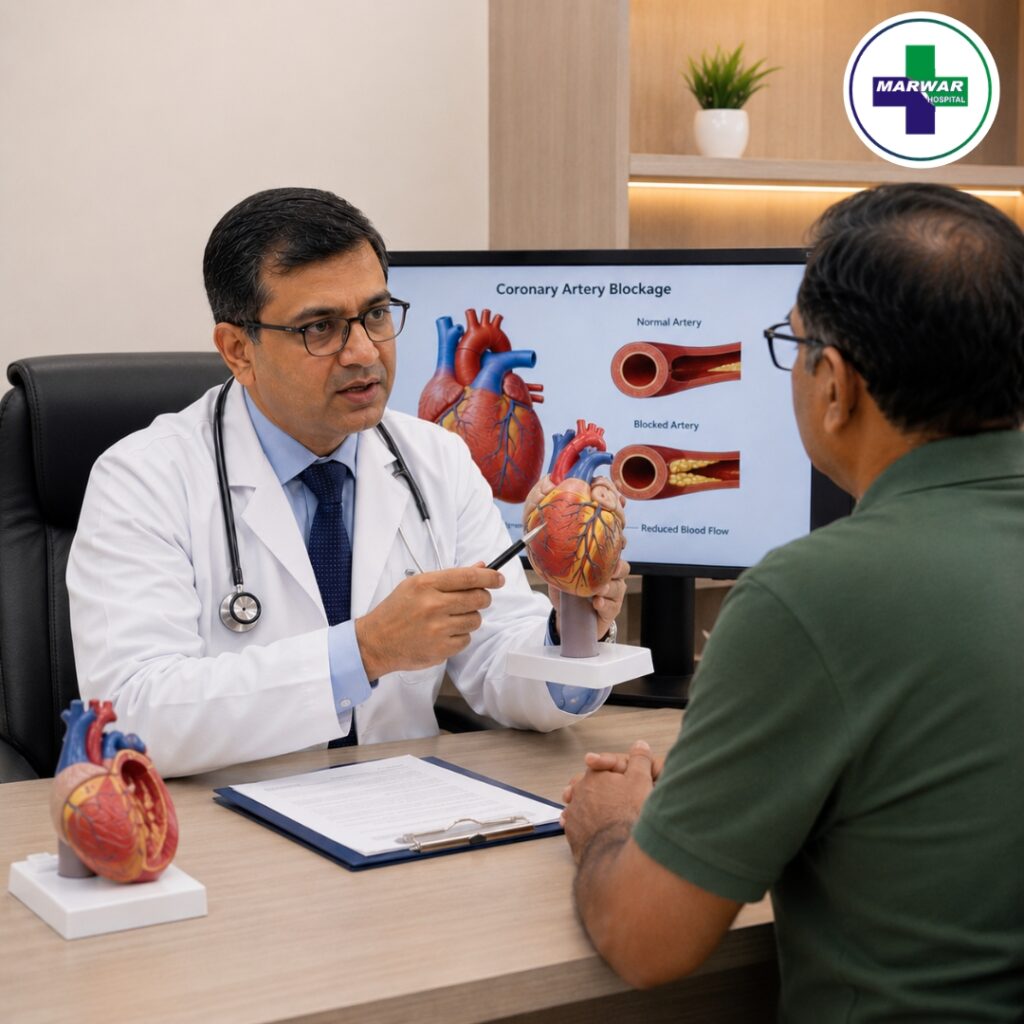
1. Coronary Artery Disease (CAD)
Coronary artery disease occurs when the arteries supplying blood to the heart become narrowed or blocked by cholesterol deposits.
Symptoms may include:
- Chest pressure
- Tightness
- Heaviness
- Pain during physical activity
This condition can increase the risk of a heart attack.
2. Angina
Angina is chest discomfort caused by reduced blood flow to the heart muscle.
Common symptoms include:
- Pressure in the chest
- Tightness
- Squeezing sensation
- Pain during exertion
Angina often improves with rest but should always be evaluated by a cardiologist.
3. Heart Attack
A heart attack occurs when blood flow to a portion of the heart muscle becomes completely blocked.
Symptoms may include:
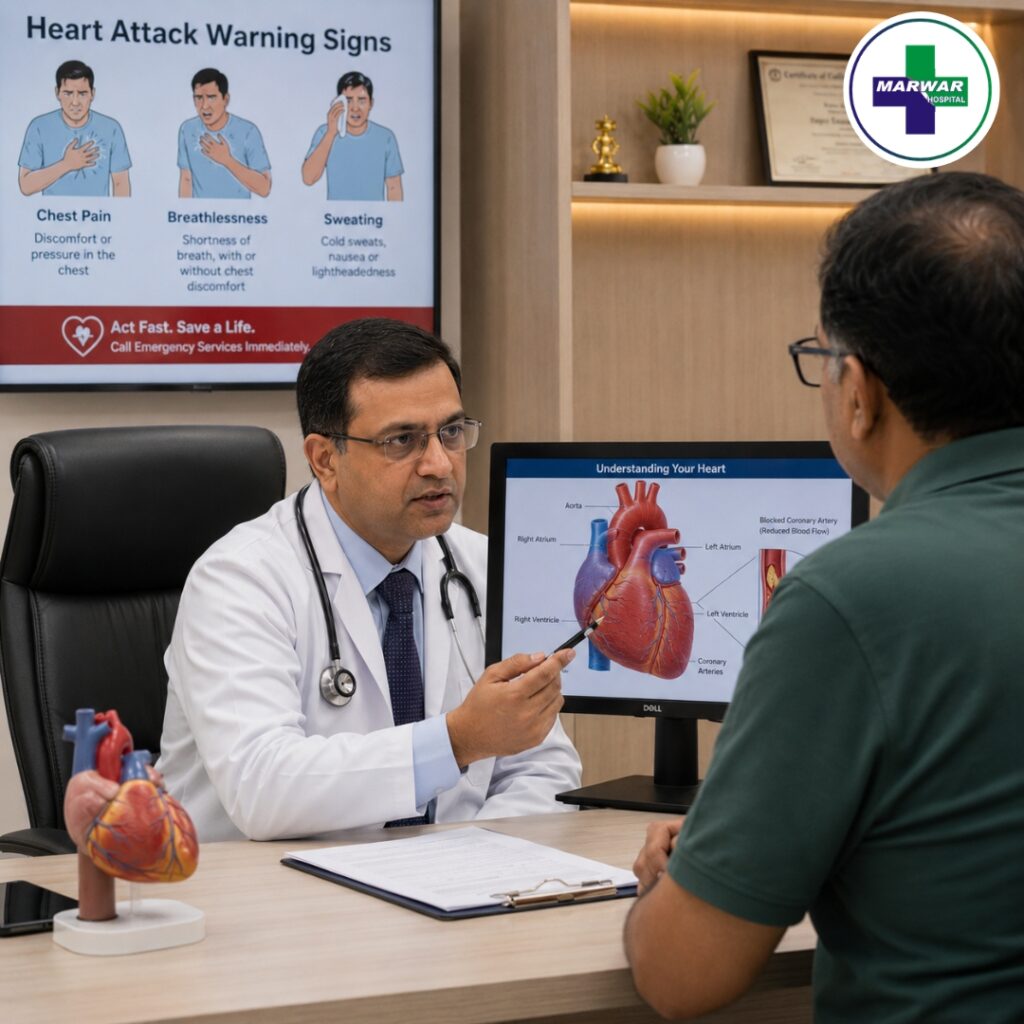
- Severe chest pain
- Pain radiating to the arm, neck, jaw, or back
- Sweating
- Shortness of breath
- Nausea
- Dizziness
A heart attack is a medical emergency that requires immediate treatment
4. Pericarditis
Pericarditis refers to inflammation of the pericardium, the sac-like structure that surrounds and protects the heart
Symptoms may include:
- Sharp chest pain
- Pain that worsens while lying down
- Fever
- Fatigue
Medical evaluation is necessary to determine the underlying cause.
5. Aortic Disorders
Conditions affecting the aorta can cause sudden and severe chest pain.
These disorders require emergency medical care and should never be ignored.
Non-Cardiac Causes of Chest Pain
Not all chest pain originates from the heart.
1. Acid Reflux (GERD)
Acid reflux can cause:
- Burning chest pain
- Heartburn
- Sour taste in the mouth
Many people confuse acid reflux with heart-related chest pain.
2. Muscle Strain
Chest muscles may become strained due to:
- Heavy lifting
- Intense exercise
- Physical injury
Pain often worsens with movement or touch.
3. Anxiety and Panic Attacks
Anxiety can produce symptoms similar to heart disease, including:
- Chest tightness
- Rapid heartbeat
- Shortness of breath
- Dizziness
However, heart-related causes must first be ruled out.
4. Lung Conditions
Chest pain may also result from:
- Pneumonia
- Pulmonary embolism
- Pleurisy
- Lung infections
These conditions often cause pain that worsens during breathing.
5. Rib Injuries
Fractured or bruised ribs can produce localized chest pain, particularly when coughing or moving.
Types of Chest Pain and What They May Indicate
Understanding the nature of chest pain can provide important clues.
Pressure or Tightness
May indicate:
- Angina
- Coronary artery disease
- Heart attack
Burning Sensation
May suggest:
- Acid reflux
- Heartburn
- Occasionally heart-related conditions
Sharp Stabbing Pain
May occur due to:
- Muscle strain
- Lung conditions
- Pericarditis
Pain During Physical Activity
Chest pain triggered by exercise may indicate reduced blood flow to the heart and should be evaluated promptly.
Pain Radiating to Other Areas
Pain spreading to:
- Left arm
- Both arms
- Neck
- Jaw
- Shoulder
- Back
may indicate a cardiac problem.
Warning Signs That Require Immediate Medical Attention
You should seek emergency medical care immediately if chest pain is accompanied by:
- Shortness of breath
- Sweating
- Dizziness
- Fainting
- Nausea
- Vomiting
- Pain radiating to the arm or jaw
- Severe chest pressure
- Rapid or irregular heartbeat
These symptoms may indicate a heart attack or another serious cardiovascular condition.
Silent Heart Attacks: A Hidden Danger
Many people assume a heart attack always causes severe chest pain. However, some individuals experience a “silent heart attack.”
Silent heart attacks are more common among:
- Diabetic patients
- Elderly individuals
- Women
Symptoms may include:
- Unusual fatigue
- Mild chest discomfort
- Breathlessness
- Indigestion-like symptoms
- Weakness
Because symptoms can be subtle, many cases go undiagnosed until significant heart damage has occurred.
When Should You Visit a Cardiologist?
You should schedule a cardiology consultation if you experience:
Recurrent Chest Pain
Any repeated episodes of chest discomfort should be evaluated.
Chest Pain During Exercise
Pain triggered by walking, climbing stairs, or physical activity may indicate coronary artery disease.
Unexplained Breathlessness
Shortness of breath accompanying chest discomfort requires medical attention.
Multiple Risk Factors
Consult a cardiologist if you have:
- Diabetes
- Hypertension
- High cholesterol
- Obesity
- Smoking history
- Family history of heart disease
Previous Heart Conditions
Patients with a history of heart disease should never ignore new chest symptoms.
How Cardiologists Diagnose Chest Pain
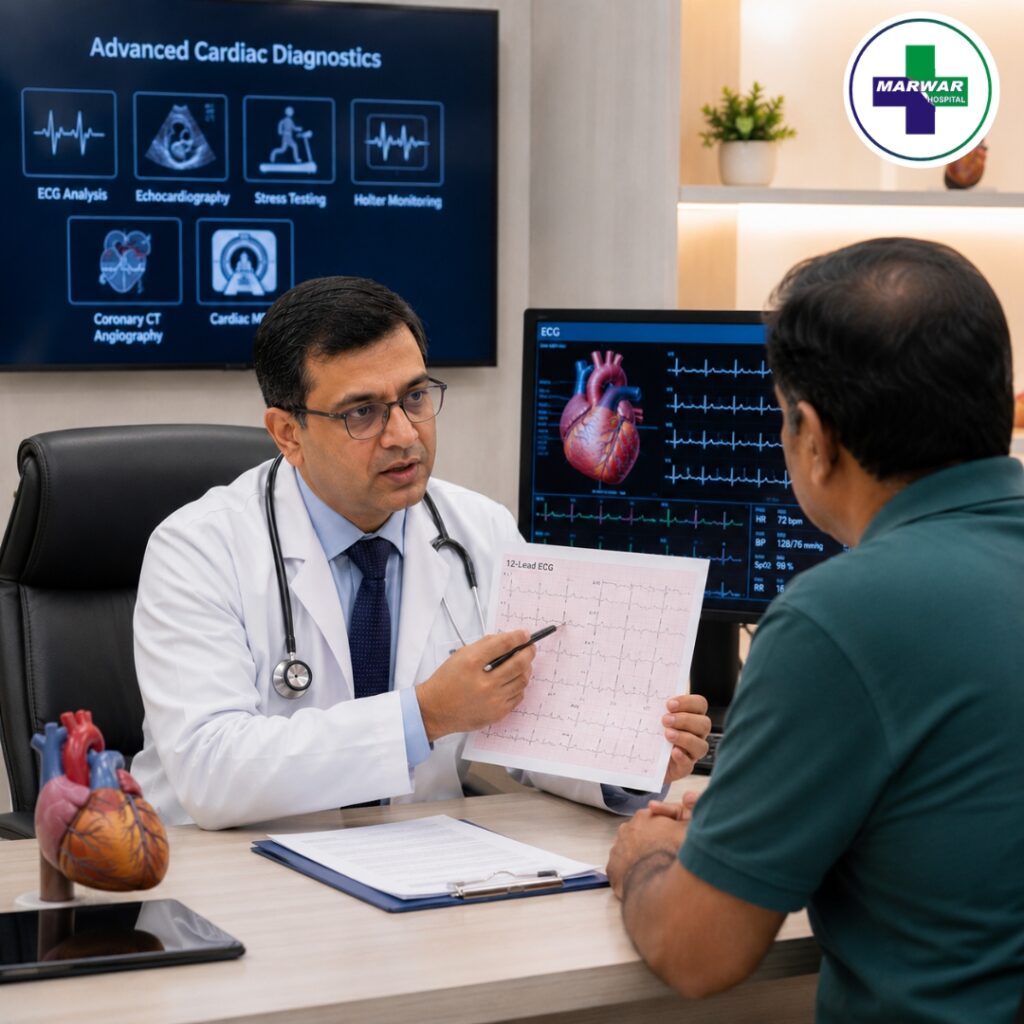
A cardiologist may recommend several tests to determine the cause of chest pain.
Electrocardiogram (ECG)
Measures the electrical activity of the heart and helps identify:
- Heart attacks
- Arrhythmias
- Ischemia
Echocardiography
Uses ultrasound technology to evaluate:
- Heart structure
- Heart valves
- Pumping function
Treadmill Stress Test (TMT)
Assesses how the heart performs during physical activity.
Blood Tests
Certain blood markers help detect heart muscle injury.
CT Coronary Angiography
Provides detailed images of coronary arteries to identify blockages.
Coronary Angiography
Used to detect and evaluate artery narrowing or blockage.
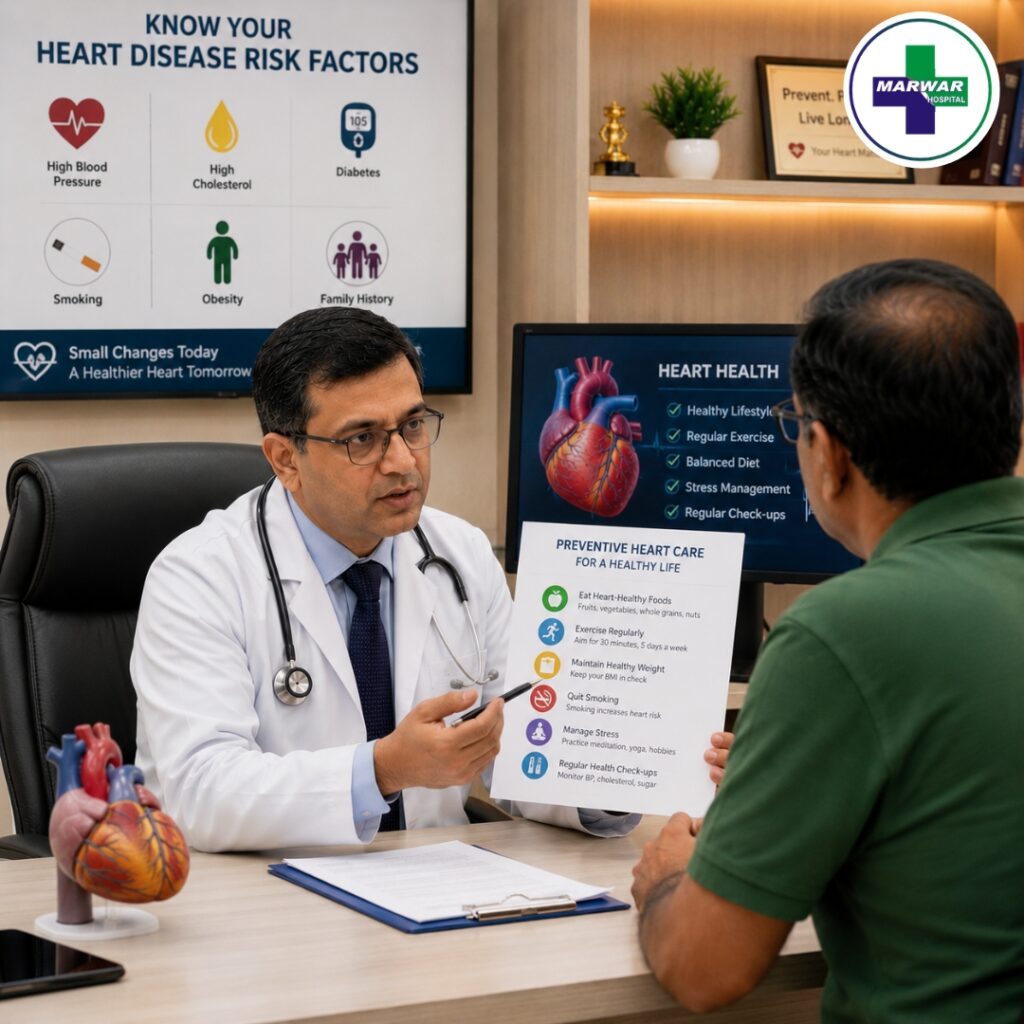
Risk Factors That Increase Heart Disease Risk
Several factors increase the likelihood that chest pain may be heart-related:
High Blood Pressure
Damages blood vessels and increases strain on the heart.
High Cholesterol
Promotes plaque formation within arteries.
Diabetes
Accelerates cardiovascular disease progression.
Smoking
Damages blood vessels and increases clot formation.
Obesity
Places additional stress on the cardiovascular system.
Family History
Genetics play a significant role in heart disease risk.
Sedentary Lifestyle
Lack of exercise contributes to multiple cardiovascular risk factors.
How to Protect Your Heart
Preventive measures can significantly reduce the risk of heart disease.
Follow a Heart-Healthy Diet
Eat:
- Fruits
- Vegetables
- Whole grains
- Lean proteins
- Healthy fats
Exercise Regularly
Aim for at least 150 minutes of moderate exercise each week.
Control Blood Pressure
Regular monitoring and treatment are essential.
Manage Cholesterol Levels
Healthy eating and medication when necessary can help maintain normal cholesterol levels.
Control Diabetes
Proper blood sugar management protects blood vessels and the heart.
Quit Smoking
Stopping tobacco use dramatically reduces cardiovascular risk.
Attend Regular Checkups
Routine screenings help identify problems before they become serious.
Importance of Early Diagnosis
Early diagnosis of heart disease offers several benefits:
- Better treatment outcomes
- Reduced risk of heart attacks
- Improved quality of life
- Prevention of long-term complications
- Lower healthcare costs
Prompt evaluation of chest pain can be lifesaving.
Conclusion
Chest pain should never be ignored, especially when it is recurrent, associated with physical activity, or accompanied by symptoms such as breathlessness, sweating, dizziness, or pain radiating to the arm and jaw. While some cases may be caused by non-cardiac conditions, chest discomfort can also be an important warning sign of serious heart disease.
Understanding the different causes of chest pain and seeking timely medical evaluation can help prevent life-threatening complications. If you experience unexplained chest pain or have risk factors for cardiovascular disease, consulting a cardiologist is one of the most important steps you can take to protect your health.
Expert Cardiology Care at Marwar Hospital Bikaner
At Marwar Hospital, our experienced cardiology team provides comprehensive heart evaluations, ECG, echocardiography, stress testing, preventive cardiology services, and advanced cardiac treatment. Whether you are experiencing chest pain, shortness of breath, palpitations, or other heart-related symptoms, Marwar Hospital Bikaner is committed to delivering expert care and helping you maintain a healthy heart.
📍 For immediate assistance, get directions to our hospital on Google Maps. Location: Main Road, Sadul Colony, Bikaner, Rajasthan – 334001.
📞 For expert advice and appointments, contact our hospital today. 2207714, 2208814, 2209914
Chest pain can be caused by heart-related conditions such as angina, coronary artery disease, and heart attack, as well as non-cardiac issues like acid reflux, muscle strain, anxiety, and lung infections. A proper medical evaluation is important to determine the exact cause.
You should seek immediate medical attention if chest pain is accompanied by shortness of breath, sweating, dizziness, nausea, fainting, or pain spreading to the arm, jaw, neck, or back. These symptoms may indicate a heart attack or another serious heart condition.
Yes, not all chest pain is related to a heart attack. Conditions such as acid reflux (GERD), anxiety, muscle strain, rib injuries, and respiratory infections can also cause chest discomfort. However, recurring or unexplained chest pain should never be ignored.
Cardiologists may use tests such as ECG, echocardiography, treadmill stress tests (TMT), blood tests, CT coronary angiography, and coronary angiography to identify the underlying cause of chest pain and assess heart health.
You can lower your risk by maintaining a healthy diet, exercising regularly, controlling blood pressure and cholesterol levels, managing diabetes, quitting smoking, and attending regular heart checkups. These lifestyle measures help protect your cardiovascular health.