

Introduction
For many couples, beginning the journey toward parenthood is one of life’s most meaningful milestones.However, if pregnancy does not occur despite regular, unprotected intercourse, it may be time to undergo a fertility evaluation. Female infertility can result from several underlying conditions, including ovulation disorders, hormonal imbalances, blocked fallopian tubes, uterine abnormalities, or age-related changes.Accurately identifying the underlying cause is the foundation of effective treatment, helping healthcare providers develop a personalized care plan for the best possible outcomes.
Modern fertility testing allows gynecologists to diagnose reproductive health conditions accurately and recommend personalized treatment plans. At Marwar Hospital, Bikaner, we provide comprehensive female infertility testing using advanced diagnostic techniques, experienced gynecologists, and compassionate care to help women understand their fertility and improve their chances of conception.
What is Female Infertility Evaluation?
A female infertility evaluation is a comprehensive medical assessment designed to determine the underlying factors affecting a woman’s ability to conceive. It involves reviewing a woman’s medical history, menstrual cycle, hormone levels, ovarian function, uterine health, and fallopian tube condition.
Since fertility depends on several organs and hormones working together, a thorough evaluation helps determine whether the problem is related to ovulation, egg quality, the uterus, fallopian tubes, or other reproductive conditions.
The purpose of fertility testing is not only to diagnose infertility but also to guide the most appropriate treatment based on each woman’s individual needs.
When Should You Undergo Female Infertility Testing?
You should consider fertility evaluation if:
- A comprehensive female infertility assessment helps identify the medical, hormonal, and reproductive factors that may be affecting a woman’s ability to become pregnant.
- If you are 35 years of age or older and have been trying to conceive for six months without success, it is recommended to seek a fertility evaluation.
- Your menstrual cycles are irregular or absent.
- You have been diagnosed with PCOS or endometriosis.
- You have experienced recurrent miscarriages.
- You have a history of pelvic infection or pelvic surgery.
- You have thyroid or hormonal disorders.
- You have severe menstrual pain or abnormal bleeding.
- You have previously undergone fertility treatment without success.
Timely fertility testing can improve the chances of successful treatment while preventing unnecessary delays in diagnosis
Why is Fertility Evaluation Important?
A comprehensive fertility assessment helps:
- Identify the exact cause of infertility.
- Detect hormonal disorders early.
- Evaluate ovulation and egg production.
- Evaluate the condition and function of the uterus and fallopian tubes
- Plan the most suitable treatment.
- Improve the chances of successful conception.
- Reduce emotional stress through timely diagnosis.
Instead of relying on assumptions, fertility testing identifies the underlying cause, enabling patients and doctors to make well-informed treatment decisions.
Female Infertility Tests
Several tests may be recommended depending on your age, symptoms, and medical history.
1. Detailed Medical History
The evaluation begins with an in-depth discussion about your reproductive health.
Your gynecologist may ask about:
- Menstrual cycle pattern
- Previous pregnancies
- Previous miscarriages
- Medical conditions
- Surgical history
- Current medications
- Family history
- Lifestyle habits
- Duration of infertility
This information helps guide further investigations.
2. Physical and Gynecological Examination
A physical examination evaluates overall health, body weight, signs of hormonal imbalance, and reproductive anatomy.
The gynecological examination helps identify abnormalities involving the uterus, cervix, or ovaries.
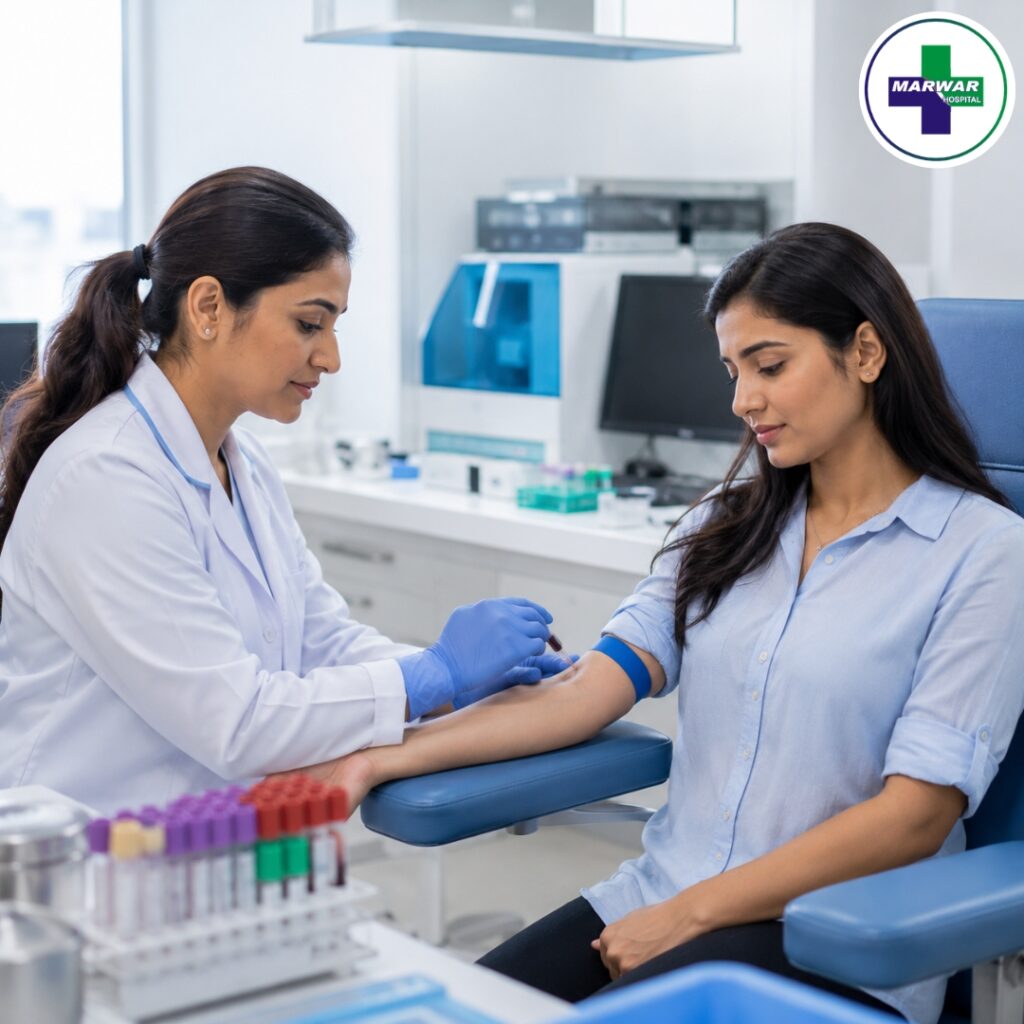
3. Hormone Blood Tests
Hormones play a crucial role in fertility.
Blood tests may include evaluation of:
- Follicle Stimulating Hormone (FSH)
- Luteinizing Hormone (LH)
- Estradiol
- Progesterone
- Anti-Müllerian Hormone (AMH)
- Prolactin
- Thyroid hormones (TSH, Free T4)
- Blood sugar and insulin levels when indicated
These diagnostic tests provide important insights into ovarian function and help evaluate whether ovulation is occurring normally.
4. Ovulation Assessment
Determining whether ovulation occurs regularly is essential.
Ovulation may be assessed through:
- Menstrual history
- Blood progesterone testing
- Ultrasound follicular monitoring
- Ovulation tracking
This assessment helps confirm whether the ovaries are releasing mature eggs regularly, providing valuable information about ovulation and overall fertility.
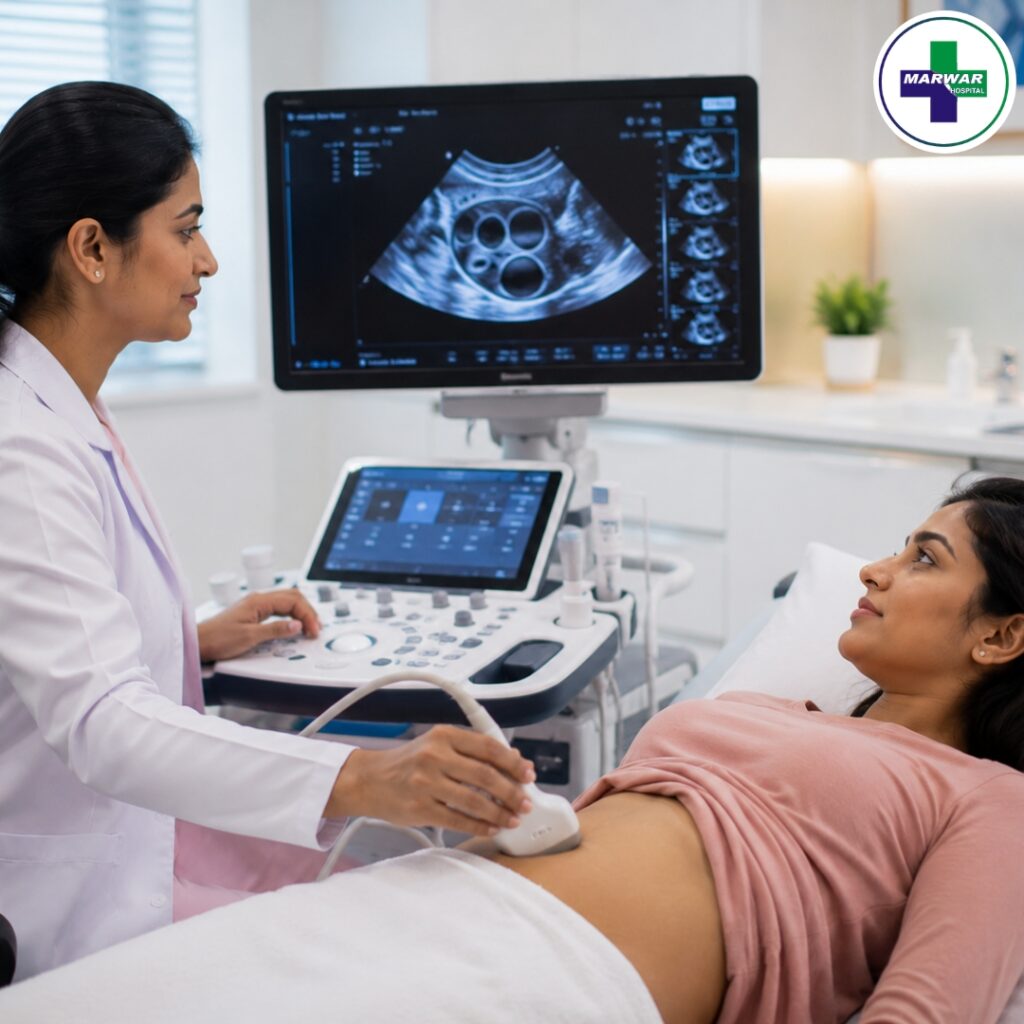
5. Pelvic Ultrasound
A pelvic ultrasound is an essential diagnostic test used to evaluate female fertility and reproductive health.
It helps evaluate:
- Ovarian size
- Number of ovarian follicles
- PCOS
- Ovarian cysts
- Uterine fibroids
- Uterine polyps
- Endometrial thickness
- Congenital uterine abnormalities
Ultrasound is painless, safe, and highly informative.
6. Follicular Monitoring
Follicular monitoring uses a series of ultrasound scans throughout the menstrual cycle to track the growth and development of ovarian follicles.
It allows doctors to observe:
- Growth of ovarian follicles
- Timing of ovulation
- Endometrial development
- Response to fertility medications
This test is particularly useful for women receiving ovulation induction treatment.
HSG is an X-ray procedure used to examine:
- Whether the fallopian tubes are open
- Shape of the uterine cavity
Blocked fallopian tubes are a frequent cause of female infertility, and an HSG test helps detect these blockages accurately.
8. Sonohysterography
This specialized ultrasound uses sterile saline to provide a clearer view of the uterine cavity.
It helps detect:
- Endometrial polyps
- Fibroids
- Adhesions
- Uterine abnormalities
9. Hysteroscopy
Hysteroscopy is a minimally invasive procedure in which a thin camera is inserted into the uterus.
It allows direct visualization of:
- Polyps
- Fibroids
- Septum
- Adhesions
- Other uterine abnormalities
Certain reproductive conditions can be diagnosed and treated during the same procedure, improving treatment efficiency and outcomes.
10. Laparoscopy
Laparoscopy may be recommended when conditions such as endometriosis or pelvic adhesions are suspected.
It helps diagnose:
- Endometriosis
- Pelvic scar tissue
- Tubal disease
- Ovarian disorders
This minimally invasive procedure can diagnose reproductive conditions and provide treatment in selected cases when appropriate.
Common Conditions Diagnosed During Fertility Evaluation
Female infertility testing can identify several conditions, including:
- Polycystic Ovary Syndrome (PCOS)
- Ovulation disorders
- Endometriosis
- Blocked fallopian tubes
- Uterine fibroids
- Endometrial polyps
- Hormonal imbalance
- Thyroid disorders
- Premature ovarian insufficiency
- Pelvic inflammatory disease
Accurate diagnosis enables targeted treatment and better outcomes.
What Happens After Fertility Testing?
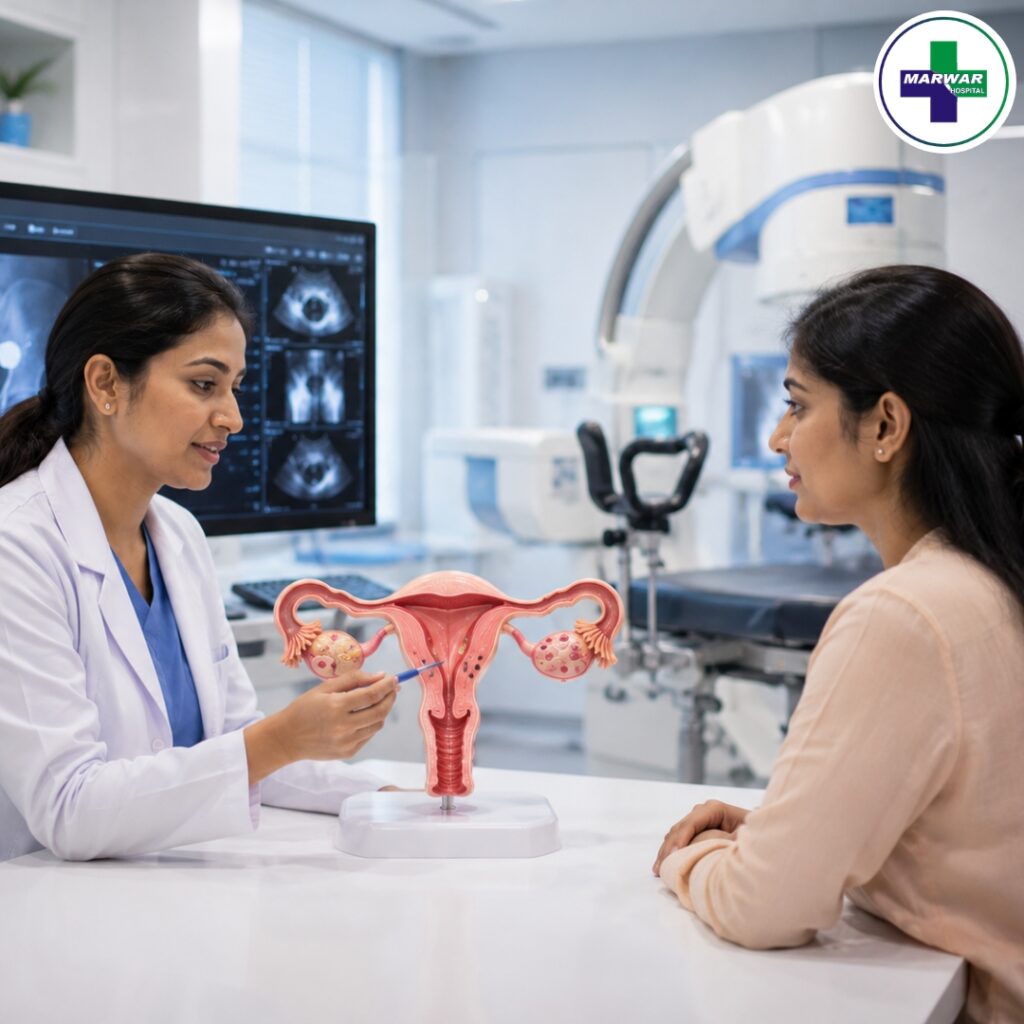
After reviewing the results, your gynecologist will explain the diagnosis and discuss the most suitable treatment plan.
Treatment recommendations may include:
- Lifestyle modifications
- Weight management
- Ovulation induction medications
- Hormonal therapy
- Treatment of thyroid disorders
- Surgical correction of uterine abnormalities
- Management of PCOS or endometriosis
- Fertility counseling
- Referral for advanced reproductive treatments when appropriate
Every treatment plan is personalized according to the patient’s age, fertility goals, and underlying condition.

Learn more about our expert gynaecologist care services here.
How to Prepare for Fertility Tests
To ensure accurate results:
- Keep a record of your menstrual cycles.
- Carry previous medical records and reports.
- Inform your doctor about current medications.
- Follow instructions regarding fasting, if required.
- Schedule fertility tests on the appropriate days of your menstrual cycle for the most accurate results
- Discuss any concerns with your gynecologist before the tests.
Proper preparation helps improve the accuracy of the evaluation.
Lifestyle Habits That Support Fertility
Along with medical evaluation, healthy habits contribute to better reproductive health.
- Eat a nutritious, balanced diet.
- Maintain a healthy body weight.
- Exercise regularly.
- Sleep for 7–8 hours daily.
- Avoid smoking and excessive alcohol.
- Reduce stress through relaxation techniques.
- Stay hydrated.
- Attend regular gynecological check-ups.
Healthy lifestyle choices support both natural fertility and medical treatment.
Why Choose Marwar Hospital, Bikaner for Female Infertility Evaluation?
At Marwar Hospital, Bikaner, we provide patient-focused fertility care with a commitment to accurate diagnosis and personalized treatment.
Our Women’s Health Department offers:
- Experienced gynecology specialists
- Comprehensive infertility evaluation
- Advanced laboratory investigations
- Modern ultrasound facilities
- Ovulation monitoring
- Hormonal assessment
- PCOS management
- Diagnosis of uterine and tubal disorders
- Personalized fertility counseling
- Compassionate and confidential care
We believe that every woman deserves a thorough evaluation and a treatment plan tailored to her individual reproductive health needs.
Conclusion
A timely fertility evaluation is one of the most important steps for women who are experiencing difficulty conceiving. Comprehensive infertility testing helps identify the underlying cause, allowing gynecologists to recommend the most effective treatment while avoiding unnecessary delays.
At Marwar Hospital, Bikaner, our experienced gynecology team is dedicated to providing accurate diagnosis, advanced fertility evaluation, and compassionate care for women at every stage of their reproductive journey. Whether your concerns are related to irregular periods, PCOS, hormonal imbalance, or unexplained infertility, we are committed to helping you understand your fertility and take confident steps toward achieving a healthy pregnancy.
📍 For immediate assistance, get directions to our hospital on Google Maps. Location: Main Road, Sadul Colony, Bikaner, Rajasthan – 334001.
📞 For expert advice and appointments, contact our hospital today. 2207714, 2208814, 2209914
You should consider female infertility testing if you are under 35 and have not conceived after one year of regular, unprotected intercourse, or if you are 35 or older and have been trying for six months without success. Women with irregular periods, PCOS, endometriosis, or recurrent miscarriages should seek evaluation sooner.
A female infertility evaluation may include hormone blood tests, ovulation assessment, pelvic ultrasound, follicular monitoring, HSG (Hysterosalpingography), hysteroscopy, laparoscopy, and a detailed medical examination. The tests recommended depend on your symptoms and medical history.
Most fertility tests, such as blood tests and pelvic ultrasounds, are painless. Some procedures like HSG or hysteroscopy may cause mild, temporary discomfort, but they are generally safe and well tolerated by most women.
In many cases, comprehensive fertility testing can identify the underlying cause of infertility, such as PCOS, ovulation disorders, blocked fallopian tubes, hormonal imbalances, endometriosis, or uterine abnormalities. An accurate diagnosis helps your gynecologist recommend the most appropriate treatment.
Marwar Hospital, Bikaner, offers comprehensive female infertility evaluation with experienced gynecologists, advanced diagnostic facilities, hormone testing, pelvic ultrasound, ovulation monitoring, personalized fertility counseling, and evidence-based treatment plans to support your journey toward a healthy pregnancy.