

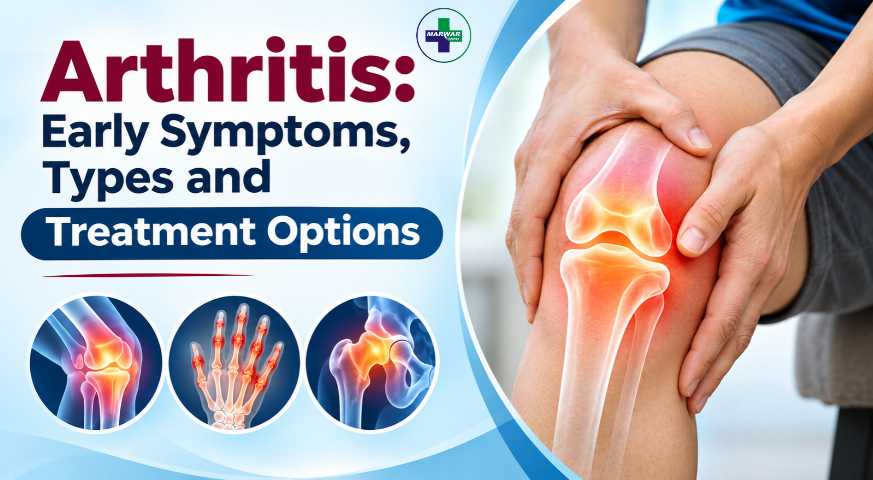
Arthritis is a common health condition that affects the joints and can cause pain, stiffness, swelling, and difficulty performing everyday activities. It may affect people of different ages, including young adults, middle-aged individuals, and older adults. Although arthritis is often associated with ageing, certain types can develop much earlier in life.
Joint discomfort may initially appear mild and occasional. However, when symptoms become persistent, they can interfere with walking, climbing stairs, working, exercising, and maintaining an active lifestyle. Recognising the early symptoms of arthritis and understanding its different types can help individuals seek appropriate medical evaluation and treatment.
Learning about arthritis, its causes, and available treatment options is an important step towards protecting joint health and improving quality of life.
What Is Arthritis?
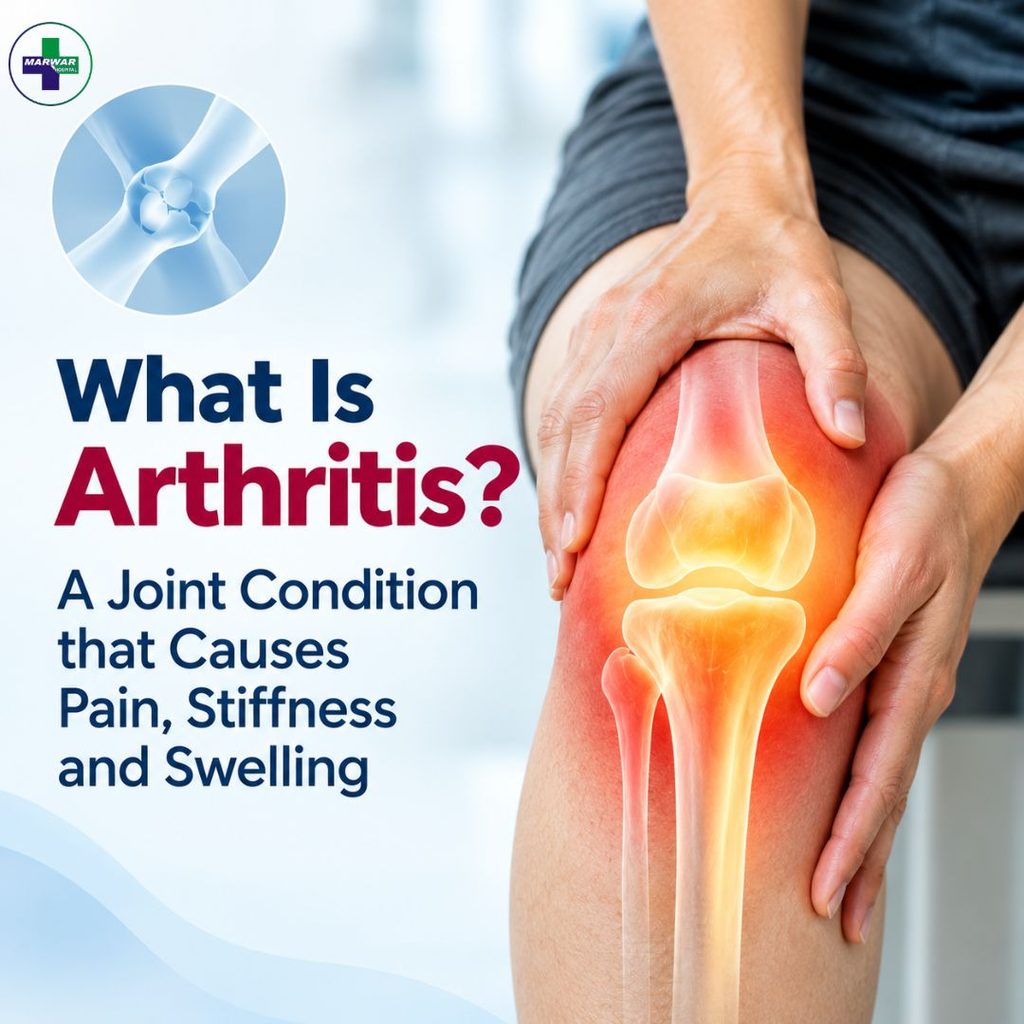
Arthritis is a general term used to describe conditions that cause inflammation, pain, or damage in one or more joints. Joints are the areas where two bones meet, allowing the body to move comfortably.
Healthy joints contain cartilage that helps reduce friction between bones. They also have structures that support movement and stability. When arthritis affects a joint, these structures may become damaged, inflamed, or less effective.
Arthritis can affect different parts of the body, including:
- Knees
- Hips
- Hands and fingers
- Wrists
- Shoulders
- Ankles
- Feet
- Spine
The symptoms and severity of arthritis depend on the specific type of condition, the joints involved, and individual health factors.
Early Symptoms of Arthritis
Recognising early arthritis symptoms is important because joint problems may gradually develop over time. Some people experience mild discomfort initially, while others notice more obvious swelling or stiffness.
1. Joint Pain
Joint pain is one of the most common early symptoms of arthritis.
The discomfort may appear during movement, after physical activity, or even while resting. Some individuals experience pain in a single joint, while others notice discomfort affecting several joints.
Pain patterns can vary depending on the type of arthritis. For example, osteoarthritis often causes discomfort that increases with joint use, whereas inflammatory arthritis may involve pain even during periods of rest.
2. Morning Joint Stiffness
Morning stiffness is another important symptom associated with arthritis.
People may notice difficulty moving their fingers, knees, or other joints after waking up. The stiffness may gradually improve after movement.
In osteoarthritis, morning stiffness often lasts for a relatively short period. In inflammatory conditions such as rheumatoid arthritis, stiffness may continue for longer and affect daily activities.
Persistent morning stiffness should be discussed with a healthcare professional, particularly when accompanied by swelling or multiple painful joints.
3. Joint Swelling
Arthritis may cause swelling around affected joints.
The joint may appear enlarged, feel warm, or become tender when touched. Swelling can sometimes make normal movements uncomfortable.
Persistent swelling, especially when accompanied by redness, warmth, or severe pain, requires medical evaluation.
4. Reduced Joint Movement
Some people experience difficulty bending, straightening, or rotating an affected joint.
For example, arthritis in the knee may make climbing stairs difficult, while arthritis in the fingers may interfere with gripping objects or opening containers.
Reduced mobility may gradually affect independence and daily comfort.
5. Joint Tenderness
Tenderness refers to discomfort when pressure is applied around an affected joint.
A person may notice pain while touching the knee, holding objects, or placing pressure on the hands and feet.
Tenderness may occur alongside inflammation, swelling, or other joint-related symptoms.

6. Fatigue and General Discomfort
Certain inflammatory types of arthritis can cause fatigue, reduced energy, and a general feeling of being unwell.
These symptoms may develop because inflammation affects more than just the joints. In some conditions, individuals may also experience fever or reduced appetite.
Different Types of Arthritis
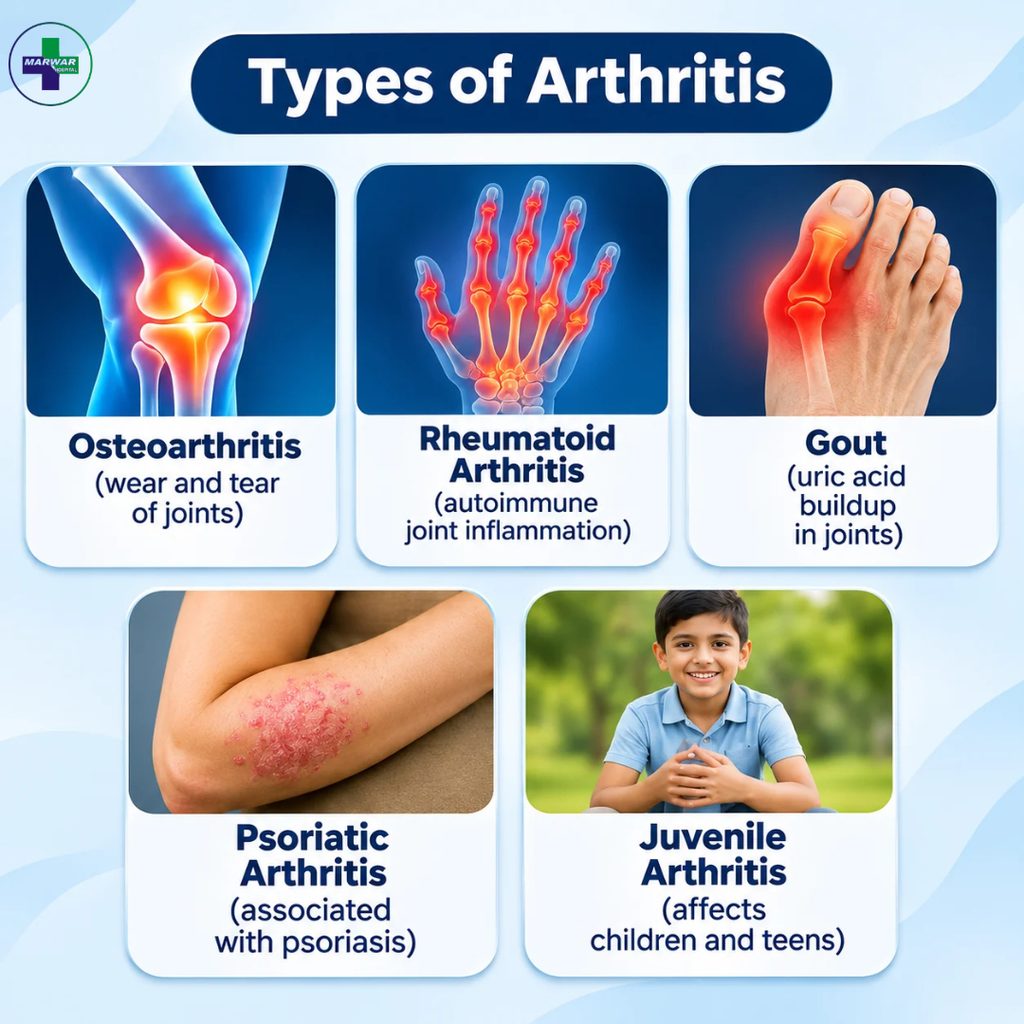
There are several types of arthritis, each with different causes, symptoms, and treatment approaches.
1. Osteoarthritis
Osteoarthritis is one of the most common forms of arthritis.
It develops when changes occur in the cartilage and other structures within a joint. Cartilage gradually becomes less effective at protecting the ends of bones, which may contribute to pain and stiffness.
Osteoarthritis commonly affects the knees, hips, hands, and spine.
Common symptoms include:
- Joint pain during activity
- Stiffness after rest
- Reduced flexibility
- Joint tenderness
- Difficulty performing daily movements
Age, previous joint injuries, excess body weight, and certain genetic factors may increase the likelihood of developing osteoarthritis.
However, osteoarthritis is not simply an unavoidable consequence of ageing. Appropriate treatment and lifestyle changes can help manage symptoms and maintain mobility.
2. Rheumatoid Arthritis
Rheumatoid arthritis is an autoimmune condition in which the immune system mistakenly attacks tissues around the joints.
This can cause inflammation, swelling, pain, and damage to joint structures.
Rheumatoid arthritis often affects joints on both sides of the body, such as both hands, wrists, or knees.
Symptoms may include:
- Persistent joint swelling
- Prolonged morning stiffness
- Pain affecting several joints
- Fatigue
- Reduced appetite
- General weakness
Early diagnosis and treatment are particularly important because ongoing inflammation can lead to permanent joint damage.
Rheumatoid arthritis may also affect organs outside the joints, including the eyes, lungs, and heart.
3. Gout
Gout is a type of inflammatory arthritis associated with the accumulation of uric acid crystals in joints.
It often causes sudden episodes of intense pain, swelling, redness, and warmth.
The big toe is frequently affected, although gout can also involve the ankles, knees, wrists, and other joints.
Gout attacks may develop suddenly, sometimes during the night. Without appropriate management, attacks may become more frequent and eventually cause joint damage.
Treatment may include medicines to control inflammation and, when indicated, medicines that lower uric acid levels.
4. Psoriatic Arthritis
Psoriatic arthritis is an inflammatory condition associated with psoriasis, a disease that causes patches of irritated or scaly skin.
It can affect different joints, including the fingers, toes, knees, and spine.
Symptoms may include:
- Joint pain and stiffness
- Swelling of fingers or toes
- Heel pain
- Nail changes
- Skin psoriasis
- Reduced joint movement
Some individuals develop joint symptoms before noticeable skin symptoms appear.
Early evaluation is important because untreated inflammation can damage joints over time.
5. Juvenile Arthritis
Juvenile arthritis refers to inflammatory arthritis that begins during childhood or adolescence.
It may cause joint pain, swelling, stiffness, and reduced movement. Some children also experience fever, rash, or eye inflammation, depending on the type.
Early recognition and appropriate treatment can help children maintain physical activity, participate in school, and support healthy development.
What Causes Arthritis?
The causes of arthritis vary depending on the type of condition.
Several factors may contribute to its development.
Age-related changes: Changes in cartilage and joint structures may increase the likelihood of osteoarthritis.
Autoimmune activity: Conditions such as rheumatoid arthritis occur when the immune system mistakenly attacks healthy tissues.
Previous joint injuries: Sports injuries, fractures, or repeated joint stress may increase the risk of developing osteoarthritis later.
Genetic factors: Family history may influence the likelihood of certain arthritis conditions.
Metabolic factors: Elevated uric acid levels can contribute to gout.
Excess body weight: Additional weight can increase pressure on weight-bearing joints, particularly the knees and hips.
Infections: Certain infections can trigger joint inflammation or cause infectious arthritis.
Not every person with these risk factors develops arthritis, and arthritis can occur even without an obvious risk factor.
Effective Treatment Options for Arthritis
Arthritis treatment depends on the type of arthritis, symptom severity, affected joints, and the individual’s overall health.
The primary goals of treatment are to reduce pain, control inflammation, protect joint function, improve mobility, and support quality of life.
1. Medicines for Arthritis
Different medicines may be used depending on the arthritis condition.
These may include:
- Pain-relieving medicines
- Anti-inflammatory medicines
- Corticosteroids in selected situations
- Disease-modifying antirheumatic drugs for inflammatory arthritis
- Biologic medicines for certain autoimmune conditions
- Medicines that lower uric acid levels in gout
Disease-modifying medicines are particularly important in conditions such as rheumatoid arthritis because they help control inflammation and reduce the risk of joint damage.
Medicines should only be taken under appropriate medical guidance. Some treatments require regular monitoring through blood tests or other investigations.
2. Physiotherapy and Exercise
Physiotherapy can help individuals maintain joint movement, improve muscle strength, and support physical function.
A physiotherapist may recommend suitable exercises based on the affected joints and the person’s physical abilities.
Common exercise approaches include:
- Gentle stretching
- Strengthening exercises
- Range-of-motion exercises
- Walking
- Low-impact physical activity
Regular exercise may improve joint flexibility and reduce stiffness. Activities should be adjusted according to pain levels and medical advice.
Avoid forcing painful movements or continuing exercises that cause significant swelling or worsening discomfort.
3. Weight Management
Maintaining a healthy body weight may help reduce stress on weight-bearing joints.
For people with knee or hip osteoarthritis, gradual weight reduction when appropriate can improve symptoms and physical function.
A balanced diet, regular activity, and sustainable lifestyle changes are generally more beneficial than extreme weight-loss methods.
4. Hot and Cold Therapy
Heat and cold may provide temporary relief from certain arthritis symptoms.
Warm compresses or warm baths can help reduce stiffness and make movement more comfortable.
Cold packs may help relieve swelling or discomfort during an inflammatory flare.
Use a towel between the pack and skin, and avoid applying extreme temperatures directly to the affected area.
5. Joint Protection and Daily Habits
Small adjustments in daily activities can help reduce unnecessary stress on joints.
Useful habits include:
- Avoiding repetitive strain when possible
- Using supportive footwear
- Taking regular movement breaks
- Choosing comfortable positions during work
- Using assistive devices when recommended
- Maintaining adequate sleep
These measures can support joint function alongside medical treatment.
6. Surgical Treatment
Surgery may be considered when arthritis causes severe joint damage and symptoms do not improve sufficiently with other treatments.
Depending on the condition, surgical options may include joint replacement or other procedures designed to improve function and reduce pain.
Knee and hip replacement surgery may be recommended for selected individuals with advanced osteoarthritis.
The decision depends on the patient’s symptoms, medical condition, mobility, and overall treatment goals.

When Should You Consult a Doctor for Arthritis?
Medical evaluation is important when joint symptoms persist, repeatedly return, or interfere with daily activities.
Consult a healthcare professional if you experience:
- Persistent joint pain
- Repeated joint swelling
- Morning stiffness lasting longer than usual
- Difficulty walking or climbing stairs
- Reduced movement in the fingers or knees
- Pain affecting several joints
- Symptoms that gradually become worse
A suddenly hot, swollen, and extremely painful joint, especially when accompanied by fever, requires urgent medical assessment because infection may be a possible cause.
Early evaluation can help identify the underlying condition and guide appropriate treatment.
How Is Arthritis Diagnosed?
Arthritis diagnosis begins with a medical history and physical examination.
A healthcare professional may ask about the location of pain, duration of symptoms, morning stiffness, family history, previous injuries, and associated health conditions.
Depending on the suspected type of arthritis, investigations may include:
X-rays: Help identify changes in joint structure and signs of osteoarthritis.
Blood tests: May help assess inflammation or support the evaluation of autoimmune arthritis.
Ultrasound: Can help detect inflammation or fluid around joints.
MRI: May provide detailed information about cartilage, soft tissues, and other joint structures.
Joint fluid analysis: May help identify uric acid crystals or investigate possible joint infection.
Not every patient requires every test. Investigations are selected according to symptoms and clinical findings.
Everyday Tips for Maintaining Joint Health
Healthy daily habits can support joint function and help manage arthritis symptoms.
Stay physically active: Regular gentle exercise supports strength, flexibility, and mobility.
Maintain a healthy weight: Reducing excess weight may decrease pressure on knees and hips.
Eat a balanced diet: Include vegetables, fruits, whole grains, protein sources, and healthy fats.
Avoid prolonged inactivity: Change positions regularly and take comfortable movement breaks.
Follow treatment consistently: Take prescribed medicines as directed and attend recommended follow-up appointments.
Pay attention to recurring symptoms: Persistent joint pain or swelling should not automatically be considered normal ageing.

Conclusion
Arthritis is a group of conditions that can cause joint pain, stiffness, swelling, and reduced mobility. Osteoarthritis, rheumatoid arthritis, gout, psoriatic arthritis, and juvenile arthritis are among its different forms.
Recognising early arthritis symptoms, understanding the type of arthritis, and seeking appropriate medical evaluation can help individuals receive suitable treatment. Medicines, physiotherapy, exercise, weight management, and joint-protection strategies may support better mobility and quality of life.
Marwar Hospital is mentioned in this article in the context of general arthritis-related health awareness and the importance of recognising joint symptoms that may require medical assessment.
Medical Disclaimer: This article is intended for general educational purposes only and does not replace professional medical advice, diagnosis, or treatment. Arthritis symptoms and treatment needs vary between individuals. Consult a qualified healthcare professional for appropriate evaluation and personalised care.
📍 For immediate assistance, get directions to our hospital on Google Maps. Location: Main Road, Sadul Colony, Bikaner, Rajasthan – 334001.
📞 For expert advice and appointments, contact our hospital today. 2207714, 2208814, 2209914
Early symptoms of arthritis include joint pain, morning stiffness, swelling, tenderness, reduced movement, and difficulty performing everyday activities. Some inflammatory types of arthritis may also cause fatigue and general discomfort.
The most common types of arthritis include osteoarthritis, rheumatoid arthritis, gout, psoriatic arthritis, and juvenile arthritis. Each type has different causes, symptoms, and treatment approaches.
Yes, many arthritis conditions can be managed without surgery. Treatment may include medicines, physiotherapy, regular exercise, weight management, and lifestyle modifications. Surgery may be considered in advanced cases.
Arthritis can develop at any age. Osteoarthritis is more common in older adults, while rheumatoid arthritis, gout, and juvenile arthritis may affect younger individuals depending on the condition and risk factors.
Consult a doctor if you experience persistent joint pain, swelling, prolonged morning stiffness, or difficulty moving. Sudden severe joint pain with warmth, swelling, or fever requires urgent medical assessment.