

Female infertility is a common reproductive health concern that affects millions of women worldwide. While difficulties in conceiving can be emotionally challenging, modern gynecology and fertility care have made it possible for many couples to achieve a successful pregnancy. Early diagnosis, personalized treatment, and expert medical guidance play a significant role in improving fertility outcomes.
At Marwar Hospital, Bikaner, our experienced gynecologists provide comprehensive evaluation, advanced fertility care, and individualized treatment plans for women experiencing infertility. Whether infertility is caused by hormonal imbalance, ovulation disorders, PCOS, endometriosis, blocked fallopian tubes, uterine abnormalities, or age-related factors, our team focuses on identifying the root cause and recommending the most suitable treatment to help women achieve healthy pregnancies.
What is Female Infertility?
Female infertility refers to the inability of a woman to conceive after 12 months of regular, unprotected intercourse if she is below 35 years of age. Women aged 35 years or older are advised to seek medical evaluation if pregnancy does not occur after six months of trying.
Infertility does not mean pregnancy is impossible, as many women achieve successful conception with appropriate fertility treatment. Many women successfully conceive after receiving the right diagnosis, medical treatment, lifestyle modifications, or fertility support.
Identifying the underlying cause of infertility is the first step toward effective treatment, successful pregnancy planning, and improved reproductive health.
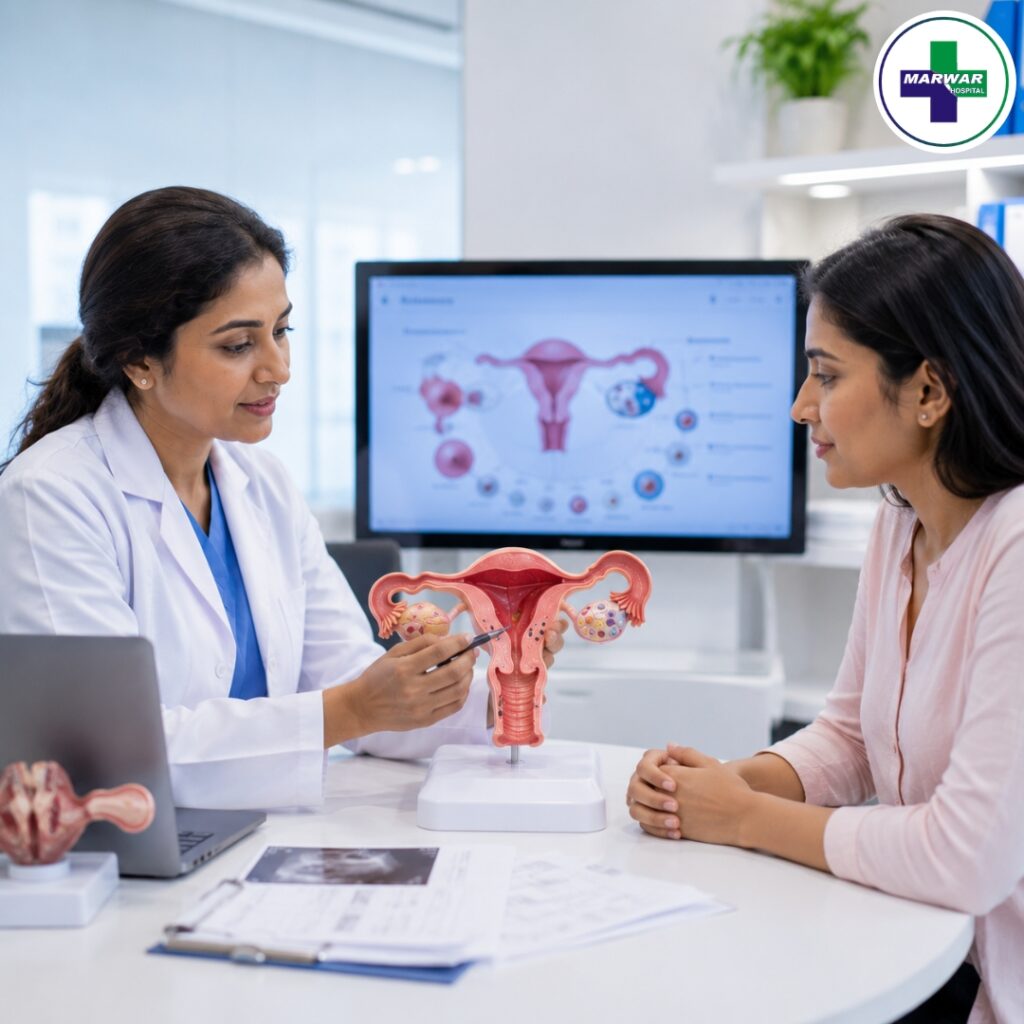
Common Causes of Female Infertility
Female infertility may develop due to various medical conditions that interfere with ovulation, fertilization, or successful embryo implantation.
1. Ovulation Disorders
Ovulation disorders are one of the most common causes of female infertility, affecting the chances of natural conception.
Common ovulation disorders include:
- Polycystic Ovary Syndrome (PCOS)
- Hormonal imbalance
- Thyroid disorders
- High prolactin levels
- Premature ovarian insufficiency
Irregular ovulation can lead to uneven menstrual cycles and lower the chances of achieving a successful pregnancy.
2. Polycystic Ovary Syndrome (PCOS)
PCOS is one of the most common medical conditions contributing to female infertility and ovulation-related fertility problems.
- Irregular periods
- Weight gain
- Acne
- Excess facial hair
- Difficulty conceiving
Proper medical treatment combined with lifestyle changes can significantly improve ovulation and pregnancy chances.
3. Blocked Fallopian Tubes
Healthy fallopian tubes enable the egg and sperm to meet, allowing natural fertilization and increasing the chances of pregnancy.
Blocked or damaged tubes may occur because of:
- Pelvic infections
- Previous abdominal surgery
- Endometriosis
- Tuberculosis
- Pelvic inflammatory disease
Blocked fallopian tubes may require specialized fertility treatment based on the location, severity, and underlying cause of the blockage.
4. Endometriosis
Endometriosis is a condition in which tissue similar to the uterine lining grows outside the uterus, affecting fertility.
It may lead to:
- Severe menstrual pain
- Pelvic pain
- Pain during intercourse
- Reduced fertility
Early diagnosis helps improve treatment outcomes.
5. Uterine Problems
Structural abnormalities inside the uterus may interfere with implantation.
These include:
- Fibroids
- Uterine polyps
- Congenital uterine abnormalities
- Scar tissue inside the uterus
Many uterine conditions can be effectively treated with timely medical care, improving fertility and overall reproductive health.
6. Age-Related Fertility Decline
Female fertility gradually declines with age, particularly after 35, reducing the chances of natural conception over time.
Egg quality and egg reserve gradually decline, making conception more difficult.
Early pregnancy planning improves the chances of natural conception.
7. Lifestyle Factors
Certain lifestyle habits may negatively affect fertility, including:
- Smoking
- Excessive alcohol consumption
- Obesity
- Poor nutrition
- Chronic stress
- Lack of exercise
- Poor sleep
Adopting healthy lifestyle habits supports reproductive health and improves fertility outcomes.
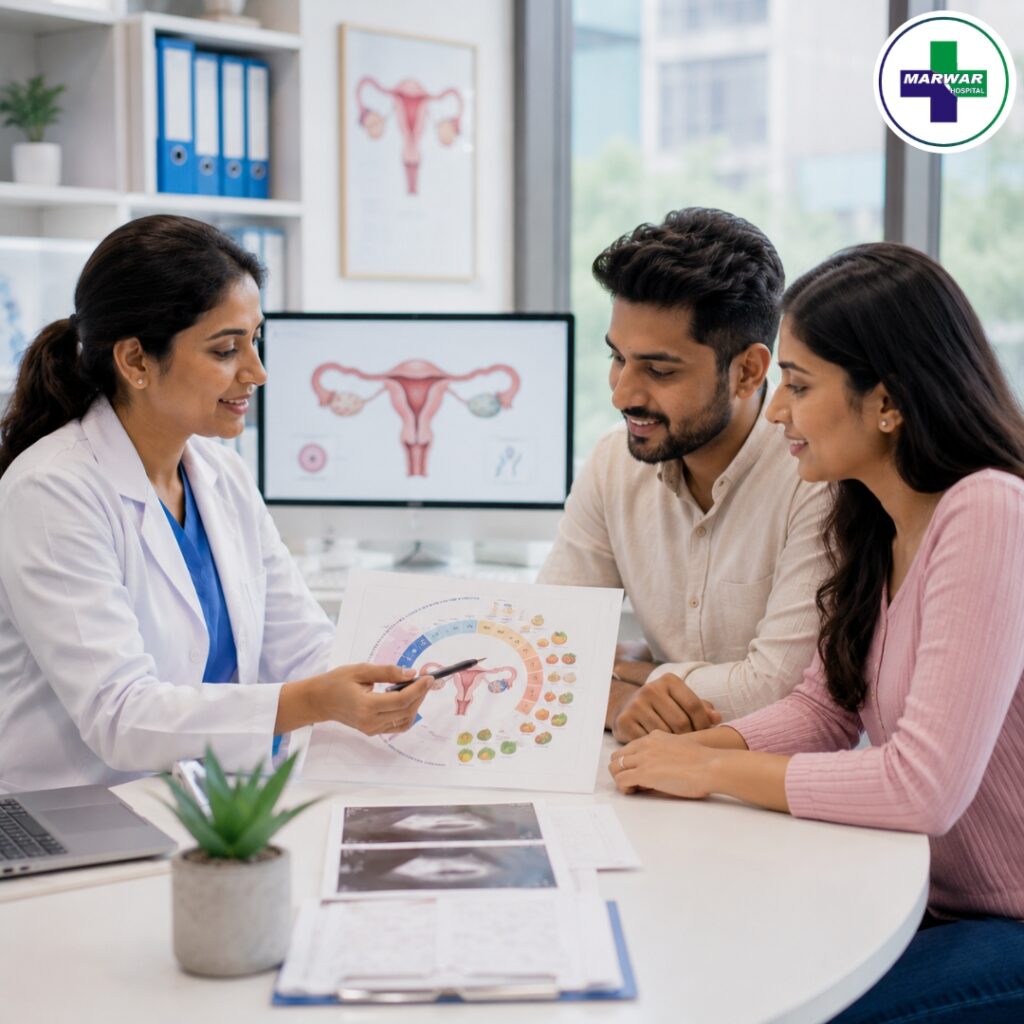
Symptoms That May Indicate Female Infertility
Some women experience no obvious symptoms except difficulty conceiving.
Others may notice:
- Irregular menstrual cycles
- Very heavy periods
- Very light periods
- Missed periods
- Painful menstruation
- Pelvic pain
- Hormonal imbalance
- Excessive hair growth
- Acne
- Difficulty getting pregnant despite regular attempts
If these symptoms are present, consulting a gynecologist is recommended.
When Should You Consult a Gynecologist?
You should seek medical evaluation if:
- You are under 35 and have been trying to conceive for one year without achieving pregnancy.
- You are over 35 and have been trying to conceive for six months without becoming pregnant.
- Your menstrual cycles are irregular.
- You have known PCOS or thyroid disease.
- You have recurrent miscarriages.
- You have severe pelvic pain.
- You have undergone pelvic surgery.
- You have a history of endometriosis.
- You have experienced previous pelvic infections.
Early fertility evaluation often increases the chances of successful treatment.
Female Infertility Diagnosis at Marwar Hospital, Bikaner
An accurate diagnosis identifies the underlying cause of infertility and helps create the most effective, personalized treatment plan.
Our specialists perform a detailed fertility assessment that may include:
Medical History Evaluation
The doctor reviews:
- Menstrual history
- Pregnancy history
- Previous surgeries
- Lifestyle habits
- Family history
- Existing medical conditions
Physical Examination
A comprehensive gynecological examination helps identify possible reproductive health concerns and hormonal abnormalities.
Hormonal Blood Tests
Blood investigations evaluate hormone levels related to:
- Ovulation
- Thyroid function
- Ovarian reserve
- Prolactin
- Reproductive hormones
These tests provide valuable information about fertility health.
Ultrasound Examination
Pelvic ultrasound helps examine:
- Ovaries
- Uterus
- Follicle development
- Endometrial thickness
- Presence of ovarian cysts or fibroids
Ultrasound is an essential part of fertility evaluation.
Ovulation Monitoring
Tracking ovulation helps determine whether eggs are developing and being released regularly during the menstrual cycle.
Fallopian Tube Assessment
Special investigations may be recommended to check whether the fallopian tubes are open and functioning properly.
Female Infertility Treatment Options at Marwar Hospital, Bikaner
Fertility treatment is determined by the underlying cause of infertility and each woman’s individual reproductive health needs.
Our gynecology team offers individualized treatment plans for every patient.

Lifestyle Modification
For many women, healthy lifestyle changes significantly improve fertility.
Recommendations include:
- Maintaining healthy body weight
- Regular exercise
- Balanced nutrition
- Stress management
- Adequate sleep
- Avoiding smoking
- Limiting alcohol intake
Even modest weight reduction may restore ovulation in overweight women.
Ovulation Induction
Women who do not ovulate regularly may receive medications that stimulate ovulation.
These medications stimulate the ovaries to release mature eggs, improving the chances of successful conception during each menstrual cycle.
Regular monitoring ensures safe and effective treatment.
Hormonal Therapy
Hormonal medications help correct endocrine disorders affecting fertility.
Treatment may include management of:
- Thyroid disorders
- Elevated prolactin
- PCOS-related hormonal imbalance
- Menstrual irregularities
Balanced hormones improve reproductive function.
PCOS Management
Women with PCOS often achieve better fertility outcomes through a comprehensive treatment approach that may include:
- Weight management
- Nutritional guidance
- Exercise
- Ovulation medications
- Hormonal regulation
Effective PCOS treatment often improves pregnancy outcomes.
Treatment for Endometriosis
Depending on severity, treatment may involve:
- Medications
- Pain management
- Surgical intervention when necessary
Managing endometriosis may improve fertility in selected patients.
Surgical Treatment
Some women require minimally invasive surgery to treat structural reproductive problems.
Surgical treatment may help correct:
- Fibroids
- Endometrial polyps
- Ovarian cysts
- Adhesions
- Uterine abnormalities
The goal is to restore normal reproductive anatomy whenever possible.
Pregnancy Planning and Fertility Care
Successful pregnancy planning begins before conception.
Our specialists guide couples regarding:
- Fertile window calculation
- Ovulation timing
- Nutrition before pregnancy
- Folic acid supplementation
- Weight management
- Chronic disease control
- Healthy lifestyle habits
Proper pregnancy planning improves maternal and fetal health.
Emotional Support During Fertility Treatment
Infertility can affect emotional well-being and relationships.
Women may experience:
- Anxiety
- Stress
- Depression
- Frustration
- Emotional exhaustion
Supportive counseling, compassionate care, and clear communication help couples stay positive throughout their fertility journey.
Tips to Improve Female Fertility Naturally
While medical treatment may be necessary, healthy habits can also support fertility.
Helpful recommendations include:
- Eat a balanced diet rich in fruits and vegetables.
- Maintain a healthy body weight.
- Exercise regularly without overtraining.
- Sleep for 7–8 hours daily.
- Reduce stress through relaxation techniques.
- Avoid tobacco and alcohol.
- Limit excessive caffeine intake.
- Manage chronic medical conditions promptly.
- Take prescribed supplements as advised by your doctor.
- Attend regular gynecological check-ups.
Why Choose Marwar Hospital, Bikaner for Female Infertility Care?
Marwar Hospital provides comprehensive women’s healthcare with a patient-centered approach.
Our strengths include:
- Experienced gynecologists
- Personalized infertility treatment plans
- Advanced diagnostic facilities
- Comprehensive fertility evaluation
- PCOS management
- Hormonal disorder treatment
- Pregnancy planning guidance
- Modern ultrasound services
- Compassionate patient care
- Focus on improving reproductive health and successful pregnancy outcomes
Every treatment plan is designed according to the patient’s medical condition, age, fertility goals, and overall health.

Preventing Fertility Problems
Although not every infertility condition can be prevented, women can reduce certain risks by:
- Maintaining a healthy lifestyle
- Seeking early treatment for menstrual irregularities
- Managing thyroid disorders and diabetes
- Treating pelvic infections promptly
- Avoiding smoking and tobacco use
- Scheduling regular gynecological examinations
- Planning pregnancy at an appropriate reproductive age whenever possible
Preventive care contributes to long-term reproductive health.
Learn more about our expert gynaecologist care services here.
Conclusion
Female infertility is a treatable condition, and timely medical care can significantly improve the chances of conception. Whether infertility is caused by PCOS, ovulation disorders, hormonal imbalance, endometriosis, blocked fallopian tubes, uterine conditions, or age-related factors, early diagnosis and personalized treatment remain the key to successful pregnancy.
At Marwar Hospital, Bikaner, our dedicated gynecology team offers comprehensive infertility evaluation, advanced treatment options, fertility care, and pregnancy planning services tailored to each woman’s unique needs. With compassionate care, modern diagnostic facilities, and evidence-based treatment, we strive to help women overcome fertility challenges and achieve their dream of parenthood while promoting better reproductive health.
📍 For immediate assistance, get directions to our hospital on Google Maps. Location: Main Road, Sadul Colony, Bikaner, Rajasthan – 334001.
📞 For expert advice and appointments, contact our hospital today. 2207714, 2208814, 2209914
Female infertility is the inability to conceive after 12 months of regular, unprotected intercourse (or after 6 months if you are over 35). If you have irregular periods, PCOS, recurrent miscarriages, or difficulty getting pregnant, it is advisable to consult a gynecologist for a fertility evaluation.
Common causes of female infertility include ovulation disorders, PCOS, blocked fallopian tubes, endometriosis, uterine abnormalities, hormonal imbalances, thyroid disorders, age-related decline in fertility, and certain lifestyle factors such as obesity and smoking.
At Marwar Hospital, Bikaner, female infertility is diagnosed through a comprehensive evaluation that may include medical history, physical examination, hormonal blood tests, pelvic ultrasound, ovulation monitoring, and fallopian tube assessment to identify the underlying cause of infertility.
Female infertility treatment depends on the underlying cause and may include lifestyle modifications, ovulation induction medications, hormonal therapy, PCOS management, treatment for endometriosis, minimally invasive surgery, and personalized fertility care to improve the chances of pregnancy.
Yes. Many women with PCOS can achieve a successful pregnancy with timely diagnosis, lifestyle changes, weight management, ovulation-inducing medications, and appropriate fertility treatment under the guidance of experienced gynecologists.