
Your eyes play an essential role in helping you understand and experience the world around you. From reading and working to driving and recognizing people, clear vision is a major part of everyday life. However, many eye problems can develop gradually without causing noticeable symptoms in the beginning. This is why regular eye health checkups are important, even when your vision appears normal.
A comprehensive eye examination does more than determine your need for glasses; it also helps identify potential vision problems and eye conditions. A comprehensive eye checkup can help identify vision changes, eye diseases, and other abnormalities at an early stage. Timely evaluation and appropriate treatment can help protect your eyesight and support long-term eye health.
For individuals looking for professional eye care in Bikaner, Marwar Hospital provides eye-related consultation and diagnostic care with a patient-focused approach.
What Is an Eye Health Checkup?
An eye health checkup is a medical examination designed to evaluate your vision and the overall condition of your eyes. Depending on your age, symptoms, medical history, and risk factors, an eye specialist may perform several tests to assess different aspects of eye health.
A routine examination may identify common vision problems such as short-sightedness, long-sightedness, or difficulty focusing. A detailed examination may also help detect conditions such as cataracts, glaucoma, retinal disorders, diabetic eye changes, and other problems affecting the structures of the eye.
Regular checkups are particularly valuable because certain eye conditions may progress silently. Detecting a problem early can give patients more opportunities for timely management.
Why Are Regular Eye Checkups Important?
Many people visit an eye specialist only after experiencing blurred vision, eye pain, headaches, or other noticeable symptoms. Relying solely on symptoms may not always be the most effective approach, as some eye conditions can develop without noticeable warning signs.
Some eye diseases may initially cause little or no discomfort. Regular examinations can help identify changes before they significantly affect daily activities.
An eye checkup can help:
- Evaluate the clarity and quality of your vision
- Identify changes in your eyesight
- Detect common eye conditions at an early stage
- Monitor existing eye problems
- Check eye health in people with diabetes or other risk factors
- Determine whether spectacles or contact lenses need updating
- Assess eye health as you get older
- Provide guidance about protecting your eyesight
Routine examinations can therefore become an important part of preventive healthcare.
Who Should Get an Eye Checkup?
People of all ages can benefit from appropriate eye examinations. However, the frequency of checkups can vary depending on individual circumstances.
Children
Good vision is essential for children’s learning and development, helping them understand, explore, and interact effectively with their surroundings. Children may not always realize that they are having difficulty seeing clearly. Signs such as sitting very close to the television, frequently rubbing the eyes, squinting, difficulty reading, or avoiding visually demanding activities may indicate the need for an eye examination.
Parents should consider professional evaluation if a child shows unusual visual behavior or complains about vision-related difficulties.
Teenagers and Young Adults
Students and young professionals often spend long periods using smartphones, tablets, computers, and other digital screens. Although screen use itself does not necessarily mean that someone has an eye disease, prolonged visual tasks can contribute to discomfort, dryness, and temporary eye strain.
Regular vision assessments can help identify refractive errors and other concerns.
Adults
Adults should pay attention to changes in vision, especially if they spend many hours working on computers or performing visually demanding tasks. Periodic examinations can help monitor eyesight and detect developing problems.
Older Adults
As people grow older, their likelihood of developing various eye conditions gradually increases, making regular eye checkups increasingly important. Cataracts, glaucoma, retinal changes, and age-related vision problems become more important considerations as people grow older. Regular eye examinations can help monitor these changes and support timely medical care.
What Happens During an Eye Health Checkup?
A comprehensive eye examination may include several steps. The exact tests performed can vary according to your symptoms, age, medical history, and the doctor’s assessment.
1. Medical and Eye History
The eye specialist may first ask about your current symptoms, previous eye problems, surgeries, medications, family history, and general health conditions.
Information about diabetes, high blood pressure, previous eye injuries, or a family history of certain eye diseases can be particularly relevant.
2. Vision Assessment
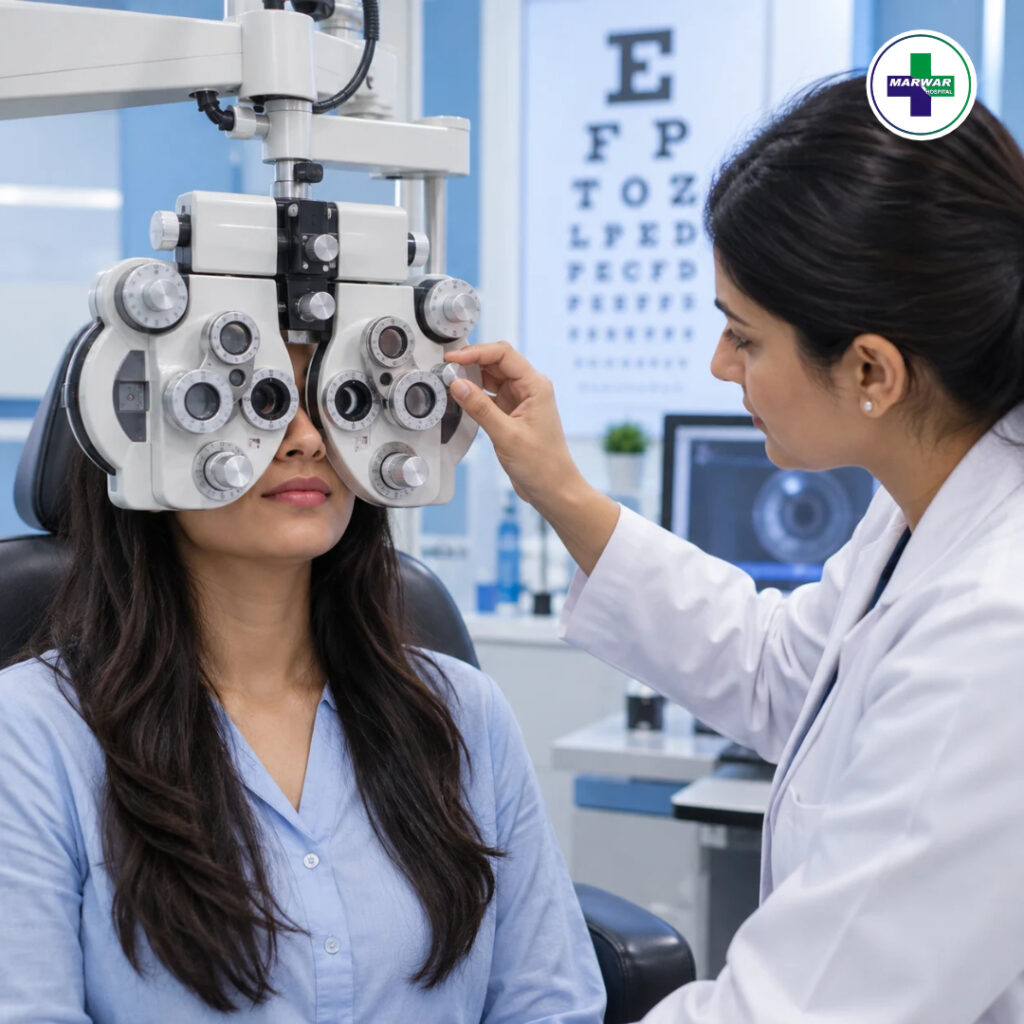
A vision test checks how clearly you can see objects at different distances. You may be asked to read letters, numbers, or symbols from a chart.
If your vision is not clear, the doctor may perform additional testing to determine whether you have a refractive error.
3. Refraction Test
A refraction assessment helps determine the appropriate lens power for spectacles or contact lenses when required. Different lens options may be placed in front of your eyes while you identify which option provides clearer vision.
This test can help identify conditions such as:
- Myopia, or short-sightedness
- Hyperopia, or long-sightedness
- Astigmatism
- Presbyopia, commonly associated with age-related difficulty focusing on nearby objects
4. Eye Pressure Measurement
Eye pressure may be assessed as part of an examination for glaucoma risk. Increased pressure inside the eye can be associated with damage to the optic nerve in some people.
Because glaucoma may progress without obvious symptoms during its early stages, appropriate evaluation is important, particularly for people with risk factors.
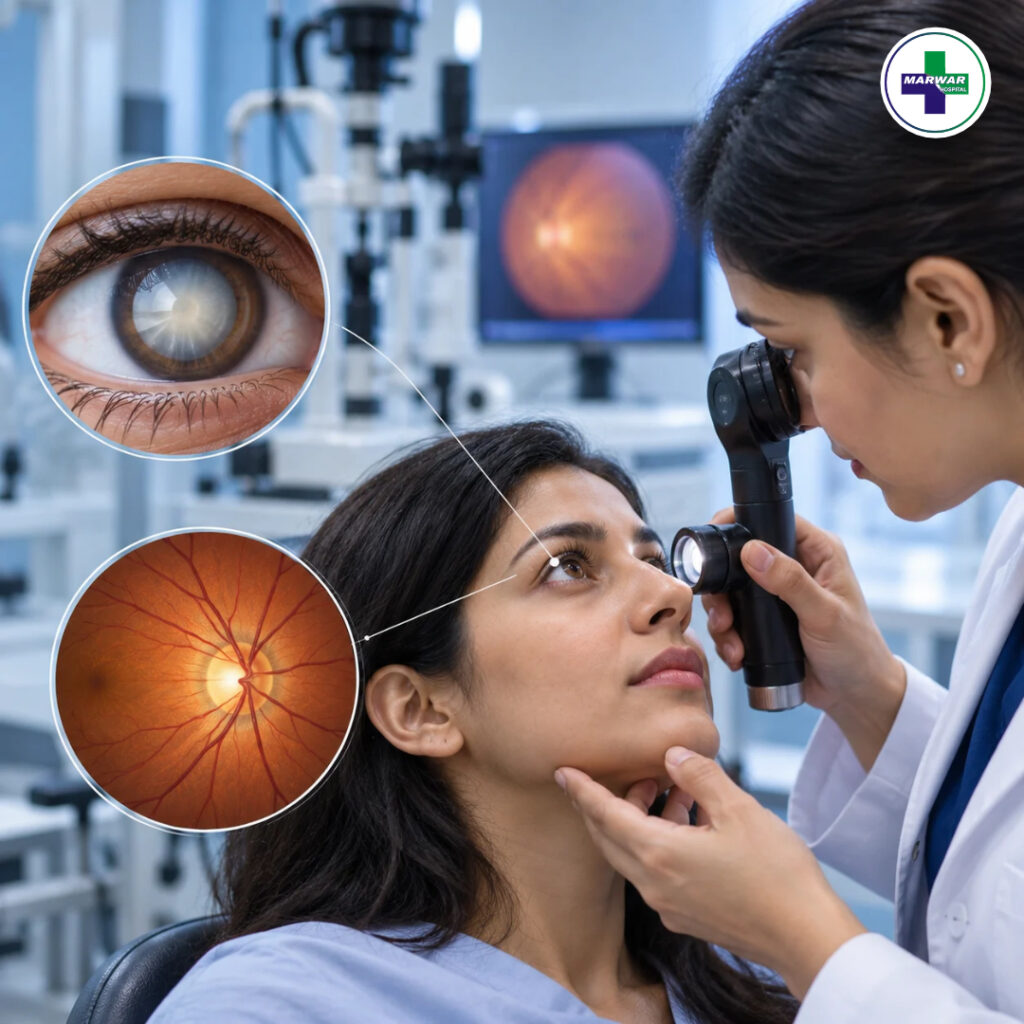
5. Examination of the Eye
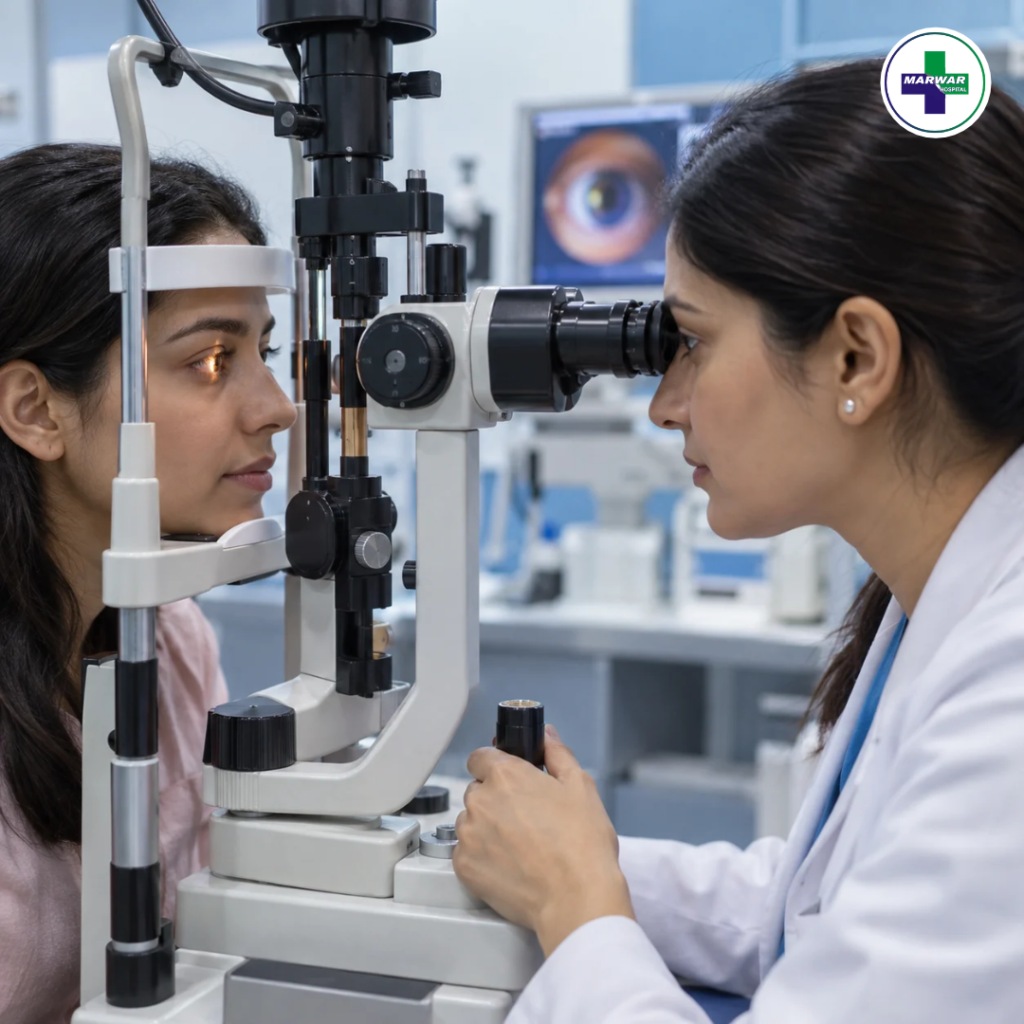
The specialist may examine different parts of the eye, including the cornea, lens, iris, retina, and optic nerve.
In some situations, special instruments or eye drops may be used to obtain a more detailed view of internal eye structures.
6. Additional Diagnostic Tests
If the doctor identifies a concern or believes further assessment is necessary, additional diagnostic tests may be recommended. These tests depend on the suspected condition and the patient’s individual requirements.
Common Eye Problems That Can Be Detected
Regular eye examinations can help identify a variety of vision and eye health concerns.
Cataract
A cataract develops when the eye’s natural lens gradually turns cloudy, causing blurred vision and difficulty seeing clearly over time. It commonly develops with increasing age and may cause gradually worsening vision, glare, or difficulty seeing in low-light conditions.
Glaucoma
Glaucoma refers to a group of eye conditions that can damage the optic nerve. It may develop gradually, and some individuals may not notice symptoms until significant vision changes occur. Regular examinations can help assess risk and monitor eye health.
Refractive Errors
Refractive errors occur when light does not focus properly on the retina. Myopia, hyperopia, astigmatism, and presbyopia are common examples.
These problems can often be managed with appropriate corrective lenses after professional assessment.
Diabetic Eye Problems
People living with diabetes may be at increased risk of damage to the blood vessels of the retina. Regular eye examinations are important because diabetes-related eye changes may develop before noticeable vision problems occur.
Dry Eyes
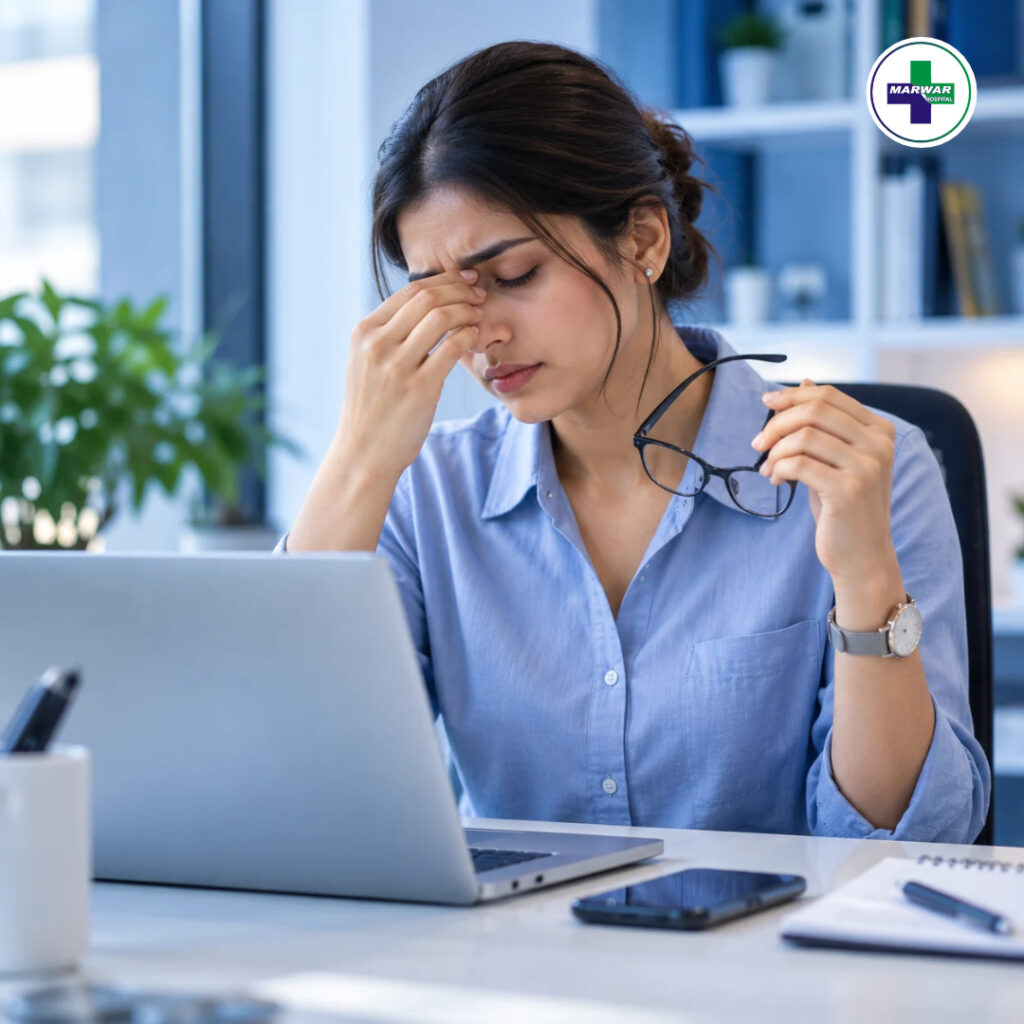
Dry eye can cause burning, irritation, a gritty sensation, redness, or fluctuating vision. Long periods of screen use, environmental conditions, certain medications, and other factors may contribute to dry-eye symptoms.
Warning Signs That Should Not Be Ignored
Some eye symptoms require prompt medical attention rather than waiting for a routine checkup.
Seek professional eye care if you experience:
- Sudden loss or significant reduction of vision
- Sudden appearance of many floaters
- Flashes of light
- Severe or persistent eye pain
- Sudden double vision
- Significant redness accompanied by pain
- A noticeable change in vision
- Difficulty seeing in dim lighting
- Persistent blurred vision
- Injury or trauma involving the eye
Sudden changes in vision can sometimes indicate an urgent eye condition, so timely evaluation is important.
How Often Should You Have an Eye Checkup?
There is no single schedule that is suitable for everyone. The appropriate frequency depends on factors such as age, general health, family history, existing eye conditions, vision requirements, and risk factors.
People who already have an eye condition or medical conditions that can affect the eyes may require more frequent monitoring.
Instead of choosing a fixed schedule based solely on age, it is better to discuss your individual requirements with an eye specialist.
Tips for Maintaining Healthy Eyes
Regular examinations are only one part of maintaining good eye health. Everyday habits can also support comfortable and healthy vision.
Follow the 20-20-20 Approach
If you work extensively on digital screens, take regular visual breaks. A commonly recommended approach is to look away from the screen periodically and focus on something at a distance.
Maintain a Balanced Diet
A nutritious diet containing vegetables, fruits, whole grains, proteins, and other nutrient-rich foods supports overall health, including eye health.
Protect Your Eyes
Use appropriate protective eyewear when working in environments where dust, chemicals, particles, or other hazards could injure the eyes.
Avoid Rubbing Your Eyes
Frequent or forceful rubbing may irritate the delicate tissues around the eyes. If your eyes feel itchy or uncomfortable, discuss recurring symptoms with an eye-care professional.
Manage Health Conditions
Conditions such as diabetes and high blood pressure can affect different parts of the body, including the eyes. Following your doctor’s advice and maintaining appropriate health management can contribute to better long-term eye health.
Give Your Eyes Breaks
Long periods of reading, driving, computer work, or mobile use can make the eyes feel tired. Short breaks can help reduce visual discomfort.
Why Choose Marwar Hospital Bikaner for Eye Care?
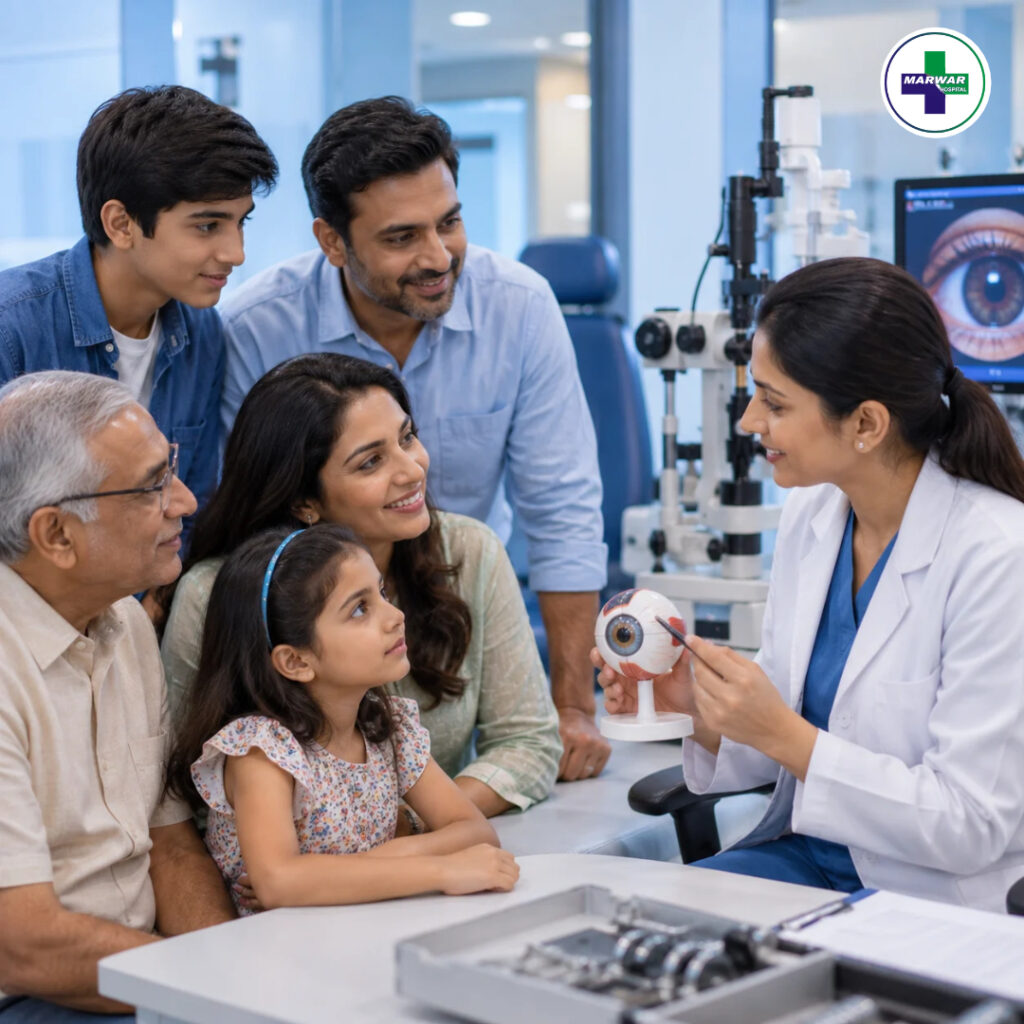
Choosing an appropriate healthcare facility is an important part of managing your eye health. Marwar Hospital Bikaner offers healthcare services with an emphasis on professional evaluation, appropriate diagnosis, and patient-centered care.
If you are experiencing changes in vision, recurring eye discomfort, or simply want to understand your eye health better, consulting an eye specialist can be a useful step.
A professional examination can help determine whether your symptoms are related to a simple vision problem or require further evaluation.
Take Your Eye Health Seriously
Good eyesight should never be taken for granted. Many people adapt to gradual vision changes without realizing that their eyesight has changed. Regular eye health checkups can help identify such changes and provide an opportunity for appropriate medical guidance.
Whether you are a student spending hours studying, a professional working on screens, a parent concerned about your child’s vision, or an older adult experiencing changes in eyesight, paying attention to eye health is important.
Do not wait until vision problems interfere with your daily life. If you notice unusual symptoms or have risk factors for eye disease, schedule an appropriate eye examination with a qualified eye-care professional.
For comprehensive healthcare and eye-related consultation in Bikaner, you can consider Marwar Hospital Bikaner for professional medical evaluation and guidance.
Conclusion
An eye health checkup is more than a simple vision test. It provides an opportunity to assess your eyesight, examine important eye structures, identify potential problems, and understand what steps may help protect your vision.
Many eye conditions can develop gradually, making regular professional evaluation an important part of preventive eye care. Maintaining healthy habits, taking breaks from screens, protecting your eyes, managing underlying health conditions, and seeking timely medical attention can all contribute to better eye health.
If you are experiencing vision changes or have concerns about your eyes, consult an eye specialist rather than ignoring the symptoms. Early attention can make a meaningful difference in managing many eye-related conditions.
Marwar Hospital Bikaner is committed to providing accessible healthcare and professional medical support for patients seeking eye care and other specialized healthcare services in Bikaner.
📍 For immediate assistance, get directions to our hospital on Google Maps. Location: Main Road, Sadul Colony, Bikaner, Rajasthan – 334001.
📞 For expert advice and appointments, contact our hospital today. 2207714, 2208814, 2209914
The frequency of an eye checkup depends on your age, medical history, existing eye conditions, family history, and other risk factors. Consult an eye specialist to determine the appropriate schedule for you.
A comprehensive eye checkup may include medical and eye history, vision assessment, refraction testing, eye pressure measurement, and examination of the cornea, lens, retina, and optic nerve. Additional diagnostic tests may be recommended when required.
Yes. Some eye conditions, including glaucoma and certain diabetic eye changes, may develop with few or no noticeable symptoms initially. Regular eye examinations can help identify changes at an early stage
You should consult an eye specialist if you experience persistent blurred vision, sudden vision changes, eye pain, flashes of light, many new floaters, double vision, significant redness with pain, or an eye injury.
Patients looking for eye care in Bikaner can consider Marwar Hospital Bikaner for eye-related consultation, examination, and diagnostic care. A qualified eye-care professional can assess your symptoms and recommend appropriate evaluation.