
Good eyesight plays a vital role in helping us manage our daily activities with confidence and ease.Glasses and contact lenses can effectively correct many common refractive errors, but some people prefer to reduce their dependence on corrective lenses. LASIK eye surgery is one of the most widely known laser-based procedures used to correct certain refractive errors and improve unaided vision.
LASIK stands for Laser-Assisted In Situ Keratomileusis. The procedure reshapes the cornea—the transparent front surface of the eye—so that incoming light can focus more accurately on the retina. It may be considered for suitable adults with conditions such as myopia (short-sightedness), hyperopia (long-sightedness) and astigmatism.
For people looking for LASIK eye surgery in Bikaner, it is important to understand not only the potential benefits but also eligibility, preparation, possible side effects and recovery. At Marwar Hospital Bikaner, patients can consult an eye-care specialist to determine whether laser vision correction is appropriate for their individual eye health and visual needs.
What Is LASIK Eye Surgery?
LASIK is a refractive eye procedure that uses a laser to change the shape of the cornea. The cornea plays a major role in focusing light entering the eye.
When the cornea does not bend light correctly, the image may not focus precisely on the retina. This results in a refractive error and can cause blurred vision.
During LASIK, the surgeon creates a thin flap in the cornea, uses a laser to reshape the underlying corneal tissue, and then repositions the flap. The aim is to improve the way light is focused inside the eye.
LASIK does not treat every type of vision problem, and it is not suitable for everyone. A detailed eye examination is necessary before deciding whether the procedure is appropriate.
Which Vision Problems Can LASIK Correct?
LASIK is primarily designed to correct refractive errors.
Myopia
Myopia, commonly called short-sightedness, causes distant objects to appear blurred while nearby objects may remain clearer.
LASIK can reshape the cornea to help light focus more appropriately on the retina.
Hyperopia
Hyperopia, or long-sightedness, can make close-up activities difficult and may also affect distance vision.
In selected patients, LASIK can modify the corneal shape to improve focusing.
Astigmatism
Astigmatism occurs when the cornea has an irregular curvature, which can cause blurred or distorted vision at different distances.
LASIK can sometimes correct astigmatism by changing the shape of the cornea.
The amount of correction possible varies from person to person. Your eye specialist will determine whether your prescription falls within an appropriate range for LASIK.
Potential Benefits of LASIK Eye Surgery
LASIK can offer several advantages for appropriately selected patients.
1. Reduced Dependence on Glasses
One of the main reasons people consider LASIK is the possibility of reducing their dependence on glasses.
After successful surgery, many patients can perform everyday activities without needing corrective lenses for distance vision.
However, results vary, and some patients may still require glasses for particular activities.
2. Freedom From Contact Lenses
Contact lenses can be convenient, but some people experience dryness, irritation or difficulty wearing them for extended periods.
LASIK may provide an alternative for people who would prefer not to rely on contact lenses.
3. Quick Visual Improvement
Many patients experience noticeable improvement in vision relatively soon after LASIK, although the exact recovery experience varies.
Vision may fluctuate during the initial healing period, and the eyes may require some time to fully stabilise.
4. Convenience During Daily Activities
Reducing dependence on glasses or contact lenses can make certain activities more convenient.
For example, people may find activities such as exercising, travelling or participating in outdoor activities easier without having to manage corrective lenses.
5. Long-Term Vision Correction
LASIK permanently changes the shape of the cornea. The goal is to provide long-term correction of the treated refractive error.
However, natural changes in the eyes continue with age. LASIK does not prevent age-related changes such as presbyopia, which can make reading at close distances more difficult later in life.
Who May Be a Candidate for LASIK?
Not everyone who wears glasses or contact lenses is automatically suitable for LASIK.
A person may be considered for the procedure if they:
- Are an appropriate age for refractive surgery
- Have a stable glasses or contact lens prescription
- Have healthy eyes
- Have sufficient corneal thickness and suitable corneal shape
- Have realistic expectations about the outcome
- Do not have certain conditions that could make surgery unsafe
The U.S. Food and Drug Administration notes that candidates for LASIK need a comprehensive eye examination and evaluation of factors such as corneal health and refractive stability.
A detailed assessment is therefore essential before scheduling the procedure.

Who May Not Be Suitable for LASIK?
LASIK may not be recommended in certain situations.
For example, people with certain corneal disorders, severe dry eye, unstable prescriptions, some eye diseases or conditions affecting healing may not be suitable candidates.
Pregnancy and breastfeeding can also temporarily affect vision and may influence the timing of refractive surgery.
Having a high refractive prescription does not automatically mean LASIK is impossible, but your ophthalmologist will need to determine whether your eyes can safely undergo the procedure.
The final decision should always be based on a comprehensive examination rather than an online eligibility checklist.
What Happens Before LASIK?
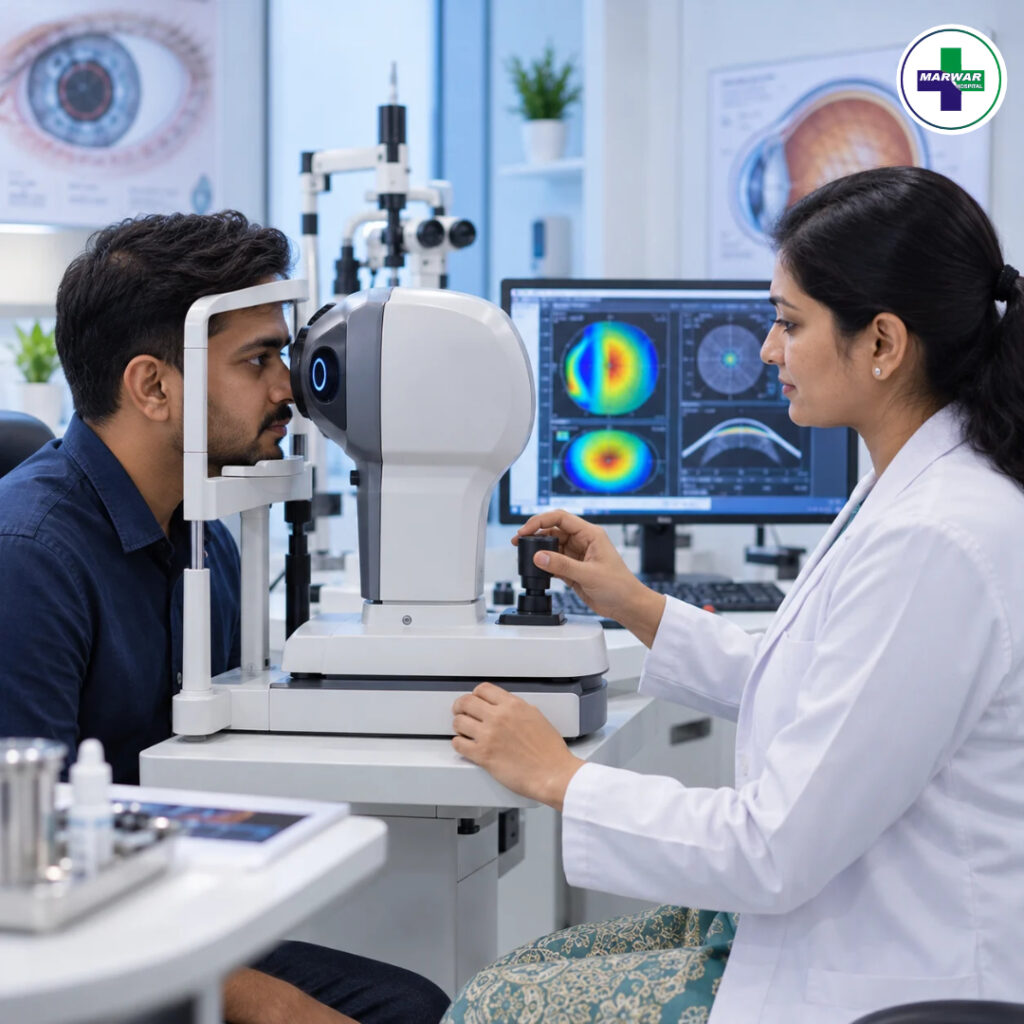
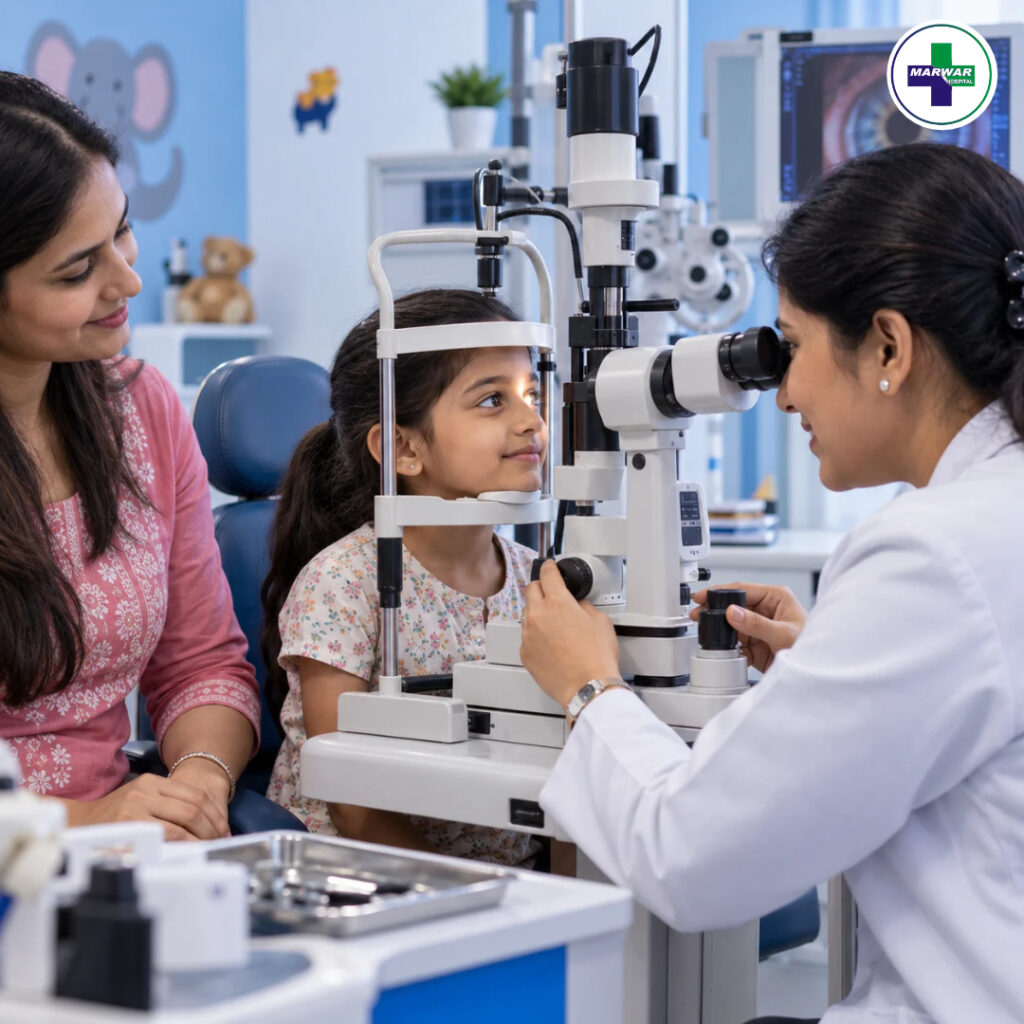
A thorough pre-operative evaluation is one of the most important steps in the LASIK process.
Your eye specialist may assess:
- Current glasses prescription
- Corneal thickness
- Corneal shape and surface
- Tear-film and dry-eye status
- Overall eye health
- Pupil size
- Eye pressure
- Retina and optic nerve health
Specialised corneal mapping may also be performed to understand the shape and thickness of the cornea.
If you wear contact lenses, your doctor may ask you to stop wearing them for a specific period before measurements are taken because contact lenses can temporarily alter corneal shape.
Your surgeon will provide specific instructions based on the type of lenses you wear.

How Is LASIK Performed?
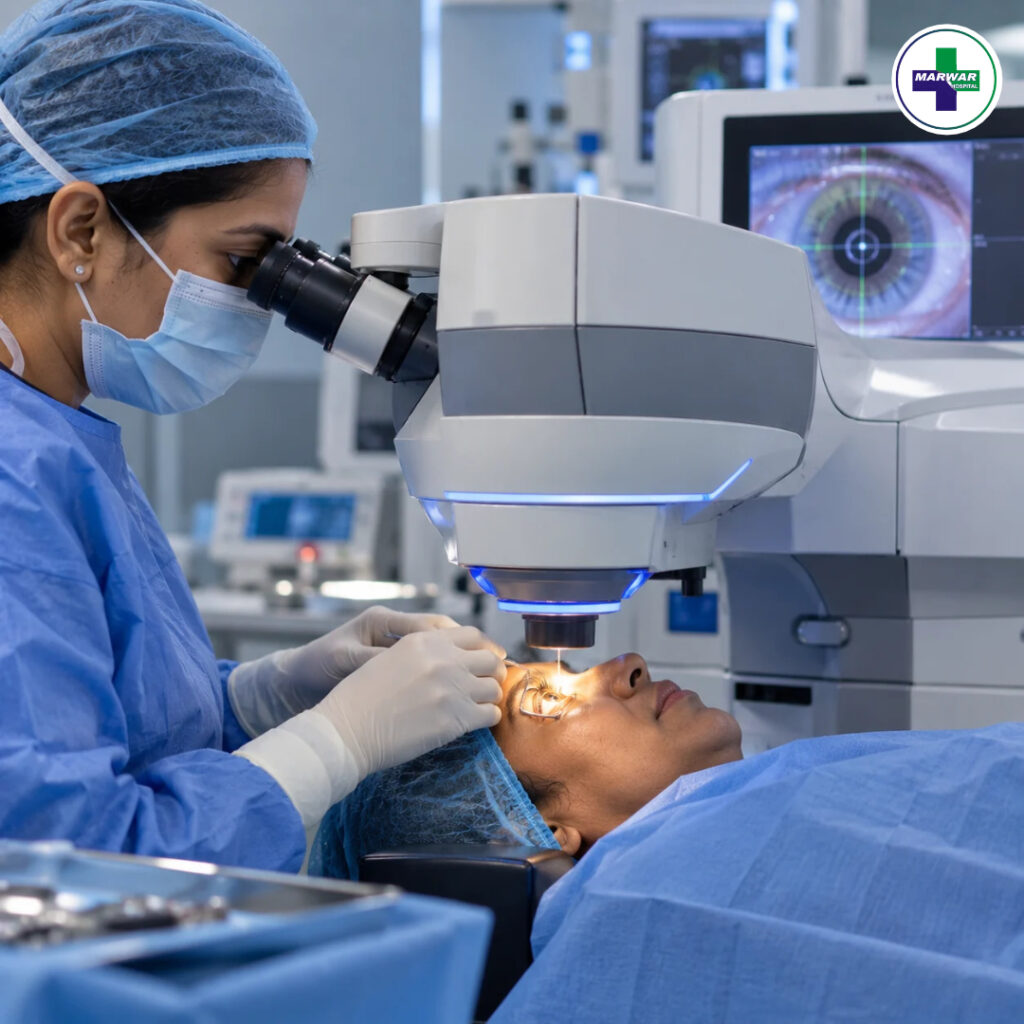
LASIK is generally performed using numbing eye drops, so the eye is not expected to feel significant pain during the procedure.
The surgeon creates a thin corneal flap. The underlying corneal tissue is then reshaped using an excimer laser according to the patient’s individual prescription.
After the reshaping is completed, the corneal flap is placed back into position.
The procedure itself is usually relatively short, although the total time at the eye-care facility will be longer because of preparation and post-operative evaluation.
Patients should arrange for someone to accompany them home after surgery because vision may be temporarily blurred immediately afterward.
Is LASIK Painful?
Most patients do not experience significant pain during the procedure because the eye is numbed with anaesthetic drops.
After surgery, some people may experience temporary:
- Burning
- Stinging
- Watery eyes
- Light sensitivity
- Gritty sensation
- Mild discomfort
These symptoms generally improve during the early healing period.
If severe or increasing pain occurs after LASIK, contact your surgeon promptly rather than assuming it is part of normal recovery.
LASIK Recovery Guide
Recovery varies between individuals, but following post-operative instructions carefully is an important part of achieving the best possible outcome.
First Few Hours
Immediately after surgery, vision may be blurry or hazy. Some patients experience watering, light sensitivity or mild irritation.
Resting the eyes after the procedure is generally recommended.
Avoid driving yourself home.
First Few Days
Vision often improves significantly during the early recovery period, but fluctuations may occur.
Your doctor may prescribe eye drops to support healing and reduce the risk of infection or inflammation.
Avoid rubbing or pressing on your eyes.
It is particularly important to prevent accidental rubbing during sleep, as this can interfere with the healing corneal flap.
First Week
Your doctor will provide individual instructions regarding when you can return to work, exercise and other activities.
Many people can resume routine activities relatively quickly, but recovery is not identical for everyone.
Follow-up appointments are important because your ophthalmologist needs to monitor healing and assess visual results.
Important LASIK After-Care Tips
Following the surgeon’s instructions can support a smooth recovery.
Avoid Rubbing Your Eyes
Do not rub or press the eyes, especially during the initial healing period.
Use Prescribed Eye Drops
Use medications exactly as directed by your ophthalmologist.
Do not discontinue prescribed drops simply because your vision feels better.
Protect Your Eyes
Your doctor may recommend protective eyewear, particularly while sleeping or when exposed to dust or other irritants.
Avoid Swimming Initially
Swimming pools, hot tubs and other water environments may increase the risk of irritation or infection during the early recovery period. Follow your surgeon’s advice about when it is safe to return to swimming.
Limit Eye Irritants
Avoid smoke, dust and other irritants while the eyes are healing.
Attend Follow-Up Appointments
Even if your vision appears excellent, follow-up examinations are important for monitoring recovery.
Possible Side Effects and Risks of LASIK
LASIK has a strong safety record when appropriately performed on carefully selected patients, but no surgical procedure is completely risk-free.
Some patients may experience temporary side effects such as:
- Dry eyes
- Glare
- Halos around lights
- Difficulty seeing at night
- Fluctuating vision
- Light sensitivity
- Temporary blurred vision
Some visual symptoms may persist in certain patients. Rare but serious complications can also occur.
The FDA recommends discussing the potential benefits and risks of LASIK with a qualified eye-care professional before deciding to undergo surgery.
It is important to have realistic expectations. LASIK can reduce dependence on glasses, but it does not guarantee perfect vision for every patient.
Does LASIK Give Permanent Results?
LASIK permanently reshapes the cornea, but this does not mean that eyesight can never change again.
Age-related changes continue after surgery. For example, presbyopia commonly develops with age and can make close-up reading more difficult.
Some people may also experience changes in their refractive prescription over time.
In selected cases, an additional procedure may be considered, but this depends on the patient’s eye health, corneal thickness, residual prescription and other factors.
LASIK and Screen Use
After LASIK, many people can return to computer and smartphone use according to their doctor’s advice.
However, prolonged screen use can still contribute to digital eye strain and dry-eye symptoms, even after successful laser vision correction.
The same healthy habits remain useful:
- Take regular screen breaks
- Blink frequently
- Keep screens at a comfortable distance
- Maintain suitable lighting
- Avoid excessive screen brightness
- Follow your ophthalmologist’s advice if you experience dryness
LASIK corrects refractive error; it does not make the eyes immune to ordinary eye fatigue.
Learn more about our expert ophthalmologist care services here.
When Should You Contact Your Doctor After LASIK?
Some mild discomfort and temporary visual changes can be expected during early recovery. However, certain symptoms require prompt medical attention.
Contact your eye surgeon if you experience:
- Severe or increasing eye pain
- Sudden reduction in vision
- Increasing redness
- Significant swelling
- New or worsening visual disturbances
- Discharge from the eye
- Symptoms that are getting worse instead of improving
Do not self-medicate or use someone else’s eye drops.
LASIK Eye Surgery at Marwar Hospital Bikaner
Choosing refractive surgery is an important decision that should begin with a detailed eye examination.
At Marwar Hospital Bikaner, patients can consult eye-care professionals regarding refractive errors and available vision-correction options. A complete assessment can help determine whether LASIK may be appropriate based on the patient’s prescription, corneal health, eye condition and individual expectations.
If you are considering LASIK eye surgery in Bikaner, discuss your goals and concerns openly with your ophthalmologist. Understanding the procedure, expected results, possible risks and recovery process can help you make a more informed decision.
Conclusion
LASIK eye surgery can be an effective option for appropriately selected patients who want to reduce their dependence on glasses or contact lenses. By reshaping the cornea, LASIK aims to improve the way light is focused on the retina and correct certain refractive errors.
The potential advantages include greater convenience, reduced dependence on corrective lenses and improved unaided distance vision. However, LASIK is not suitable for everyone, and results can vary from person to person.
A detailed pre-surgical eye examination is essential to assess corneal health, prescription stability, tear-film condition and other factors. After surgery, following prescribed eye drops, avoiding eye rubbing, protecting the eyes and attending follow-up appointments are important parts of recovery.
If you are considering LASIK eye surgery in Bikaner, consult the ophthalmology team at Marwar Hospital Bikaner to understand whether laser vision correction is appropriate for your eyes.
Clearer vision begins with the right evaluation. Take the first step by getting your eyes professionally assessed before making a decision about LASIK.
📍 For immediate assistance, get directions to our hospital on Google Maps. Location: Main Road, Sadul Colony, Bikaner, Rajasthan – 334001.
📞 For expert advice and appointments, contact our hospital today. 2207714, 2208814, 2209914
LASIK eye surgery is a laser-based procedure that reshapes the cornea to correct certain refractive errors, including myopia, hyperopia, and astigmatism, with the goal of improving unaided vision.
Potential benefits of LASIK include reduced dependence on glasses or contact lenses, improved unaided distance vision, quick visual improvement for many patients, and greater convenience during everyday activities.
LASIK may be suitable for adults with a stable prescription, healthy eyes, suitable corneal thickness and shape, and realistic expectations. A comprehensive eye examination is necessary to determine individual eligibility.
Many patients can return to routine activities relatively quickly, but recovery varies. Temporary dryness, blurred or fluctuating vision, light sensitivity, or mild discomfort may occur during the initial healing period. Follow your ophthalmologist’s instructions carefully.
If you are looking for LASIK eye surgery in Bikaner, you can consult the eye-care professionals at Marwar Hospital Bikaner for an eye examination and guidance on whether laser vision correction may be appropriate for you.