
A childhood cancer diagnosis can be overwhelming for parents. Along with the emotional stress, families often have many questions: What treatment will my child need? How long will it take? Will chemotherapy be necessary? What side effects can occur? Can my child continue school? And most importantly, what can we expect during the treatment journey?
The good news is that many childhood cancers can be treated successfully, particularly when children receive an accurate diagnosis, appropriate treatment and comprehensive supportive care. The World Health Organization (WHO) reports that in settings where comprehensive childhood cancer services are accessible, more than 80% of children with cancer can be cured. Outcomes vary considerably between countries and individual cancer types.
Pediatric cancer treatment is different from adult cancer treatment because children are still growing and developing. Their physical, emotional, nutritional and educational needs must be considered alongside cancer treatment.
This guide explains the basics of pediatric cancer treatment and what parents should know when their child is diagnosed.
What Is Pediatric Cancer?
Pediatric cancer refers to cancers that develop in children and adolescents. Common childhood cancers include:
- Leukemia
- Brain and central nervous system tumours
- Lymphoma
- Neuroblastoma
- Wilms tumour
- Retinoblastoma
- Bone cancers
- Soft-tissue sarcomas
- Certain liver and other solid tumours
The treatment required depends heavily on the exact type of cancer. Treatment plans for childhood cancer vary, as each child may require an individualized approach.
The WHO emphasizes that an accurate diagnosis is essential because each childhood cancer may require a specific combination of treatments, such as chemotherapy, surgery or radiotherapy.
Why Is Pediatric Cancer Treatment Different?
Children are not simply small adults. Their bodies are developing rapidly, and cancer treatment needs to account for growth, nutrition, organ development, learning and emotional wellbeing.
Pediatric oncology teams therefore consider several factors when developing a treatment plan:
- The child’s age
- Type of cancer
- Location of the tumour
- Stage or extent of disease
- Biological and genetic characteristics
- Overall health
- Response to initial treatment
- Potential short- and long-term effects of treatment
The National Cancer Institute (NCI) notes that childhood cancers are not always treated in the same way as cancers in adults and are generally managed by teams with specialized pediatric oncology expertise.
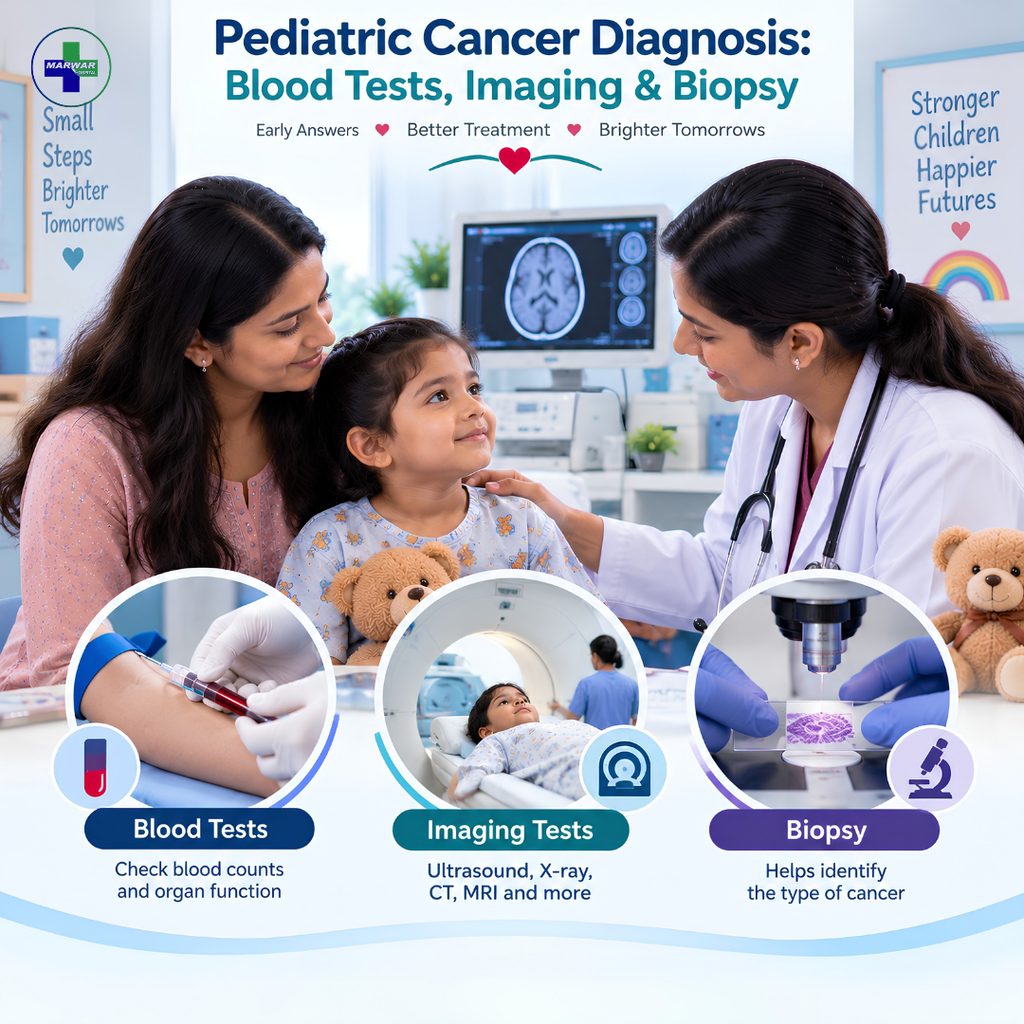
Step 1: Getting an Accurate Diagnosis
Before treatment begins, doctors need to understand exactly what type of cancer the child has.
The diagnostic process may include:
Blood Tests
Blood tests can provide information about blood-cell counts and the functioning of important organs.
Imaging Tests
Depending on the suspected cancer, doctors may use:
- Ultrasound
- X-ray
- CT scan
- MRI
- Other specialized imaging
Biopsy
For many solid tumors, doctors may recommend a biopsy to determine the nature of the growth. A small sample of tissue is examined by a pathologist to identify the type and characteristics of the cancer.
Bone Marrow Examination
For diseases such as leukemia, examining the bone marrow may be an important part of diagnosis.
Genetic and Molecular Testing
Modern cancer care may include testing for specific genetic or molecular changes in cancer cells. These results can sometimes help doctors classify the cancer and select appropriate treatment.
The WHO childhood cancer care pathway includes clinical evaluation, diagnostic procedures, biopsy when appropriate, pathological confirmation and staging before disease-directed treatment.
Step 2: Understanding the Treatment Plan
Once the diagnosis is confirmed, the medical team develops an individualized treatment plan.
Parents should ask the treating team:
- What type of cancer does my child have?
- What is the extent or stage of the disease?
- What treatments are recommended?
- What is the purpose of each treatment?
- How long might treatment continue?
- What side effects should we expect?
- What symptoms require urgent medical attention?
- How will treatment response be monitored?
- Will my child need nutritional or psychological support?
Understanding the treatment plan can make the treatment journey less confusing and help parents prepare for upcoming appointments.
Chemotherapy in Children
Chemotherapy involves using medications to destroy cancer cells or prevent their growth and multiplication.
It is an important treatment for several childhood cancers, particularly leukemia and some solid tumours. Depending on the cancer, chemotherapy may be used alone or together with surgery, radiation, immunotherapy or other treatments.
Chemotherapy may be given through:
- An intravenous (IV) line
- A central venous catheter or port
- Injection
- Oral medicines
- Other routes depending on the specific treatment
The schedule varies. Some children receive treatment in cycles, with periods of treatment followed by recovery periods.
Possible chemotherapy side effects
Side effects depend on the medicines used and the individual child. They may include:
- Tiredness
- Nausea or vomiting
- Reduced appetite
- Hair loss
- Mouth sores
- Changes in blood counts
- Increased susceptibility to infection
Not every child experiences every side effect, and modern supportive medicines can help doctors manage many treatment-related problems.
Parents should never stop or change cancer medicines without discussing it with the treating team.
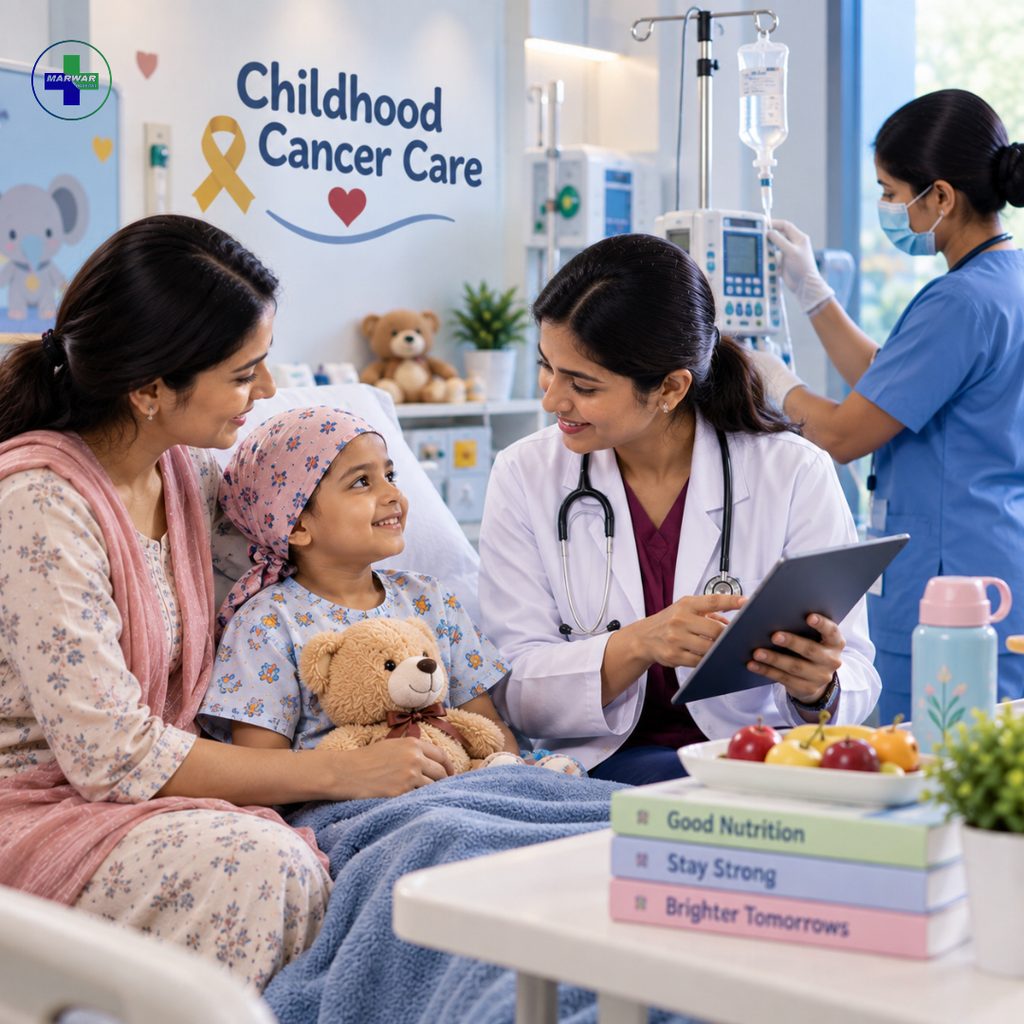
Learn more about our expert Oncologist care services here.
Surgery for Childhood Cancer
Surgery may be recommended when a tumour can be safely removed.
hedeIt is particularly important for many solid tumours. However, surgery is not appropriate for every childhood cancer.
For example, leukemia is a blood cancer and is not treated by surgically removing a tumour. NCI notes that surgery is primarily a local treatment and is commonly used for solid tumours that can be removed.
Depending on the diagnosis, surgery may be recommended to:
- Remove the main tumour
- Obtain tissue for diagnosis
- Relieve pressure or symptoms
- Remove remaining tumour tissue after other treatment
- Address complications
The surgical approach depends on the tumour’s location, size and relationship with nearby organs and tissues.
Radiation Therapy
Radiation therapy uses concentrated high-energy rays to damage or eliminate cancer cells.
It may be recommended for selected childhood cancers, depending on the tumour type and location.
Radiation can sometimes be used:
- Before surgery
- After surgery
- Alongside chemotherapy
- As part of treatment for certain brain tumours
- To relieve symptoms in selected situations
According to the NCI, radiation therapy may be used alongside surgery, chemotherapy, or other treatments based on the type of cancer and the goals of care.
Because children are still developing, pediatric specialists carefully consider radiation exposure and potential long-term effects when planning treatment.
Targeted Therapy
Targeted therapies are medicines designed to act on specific changes that help cancer cells grow, divide or survive.
Unlike traditional chemotherapy, which can affect many rapidly dividing cells, targeted therapy is designed around particular molecular characteristics of the cancer.
However, targeted therapy is not suitable for every child.
Whether it can be used depends on the child’s cancer type and, in some cases, the results of biomarker or molecular testing.
NCI describes targeted therapy as treatment directed at changes in cancer cells that help them grow, divide or spread.
Immunotherapy
Immunotherapy is another area of modern pediatric cancer care.
It helps the immune system recognize or attack cancer cells. Certain immunotherapies are already used for selected childhood cancers, while others continue to be investigated through clinical research.
One example is CAR T-cell therapy, which is used for some children with acute lymphoblastic leukemia.
Immunotherapy can have its own side effects, so children receiving these treatments require close medical monitoring.
Stem Cell Transplantation
A stem cell transplant may be considered for selected children with certain blood cancers or other high-risk conditions.
The basic concept is to restore healthy blood-forming stem cells after intensive treatment that may have damaged or destroyed the child’s existing blood-forming cells.
A transplant is not required for every child with cancer. The decision depends on the diagnosis, disease characteristics, treatment response and other clinical factors.
NCI lists blood stem-cell transplantation among the established cancer treatment approaches used in selected circumstances.
Why Supportive Care Is So Important
Cancer treatment involves much more than attacking cancer cells.
Children may require supportive care to help them remain as healthy and comfortable as possible throughout treatment.
Supportive care can include:
- Infection prevention and treatment
- Blood or platelet transfusions when required
- Nutrition support
- Pain management
- Treatment of nausea and vomiting
- Management of treatment-related complications
- Psychological support
- Physiotherapy and rehabilitation
- Social and educational support
WHO specifically emphasizes the importance of nutritional, physical, cognitive and psychosocial support as part of comprehensive childhood cancer care.
Managing Infection Risk During Treatment
Some cancer treatments can temporarily lower blood-cell counts and affect the immune system.
Parents may therefore receive specific instructions about:
- Monitoring temperature
- Hand hygiene
- Avoiding exposure to people with certain infections
- Food and water safety
- When to contact the hospital
- When emergency medical evaluation is required
A fever during certain phases of cancer treatment can require urgent medical assessment. Parents should ask the treating team what temperature or symptoms should prompt an immediate call or hospital visit.
Do not give medicines for fever or infection without checking with the child’s healthcare team when the child is receiving cancer treatment.
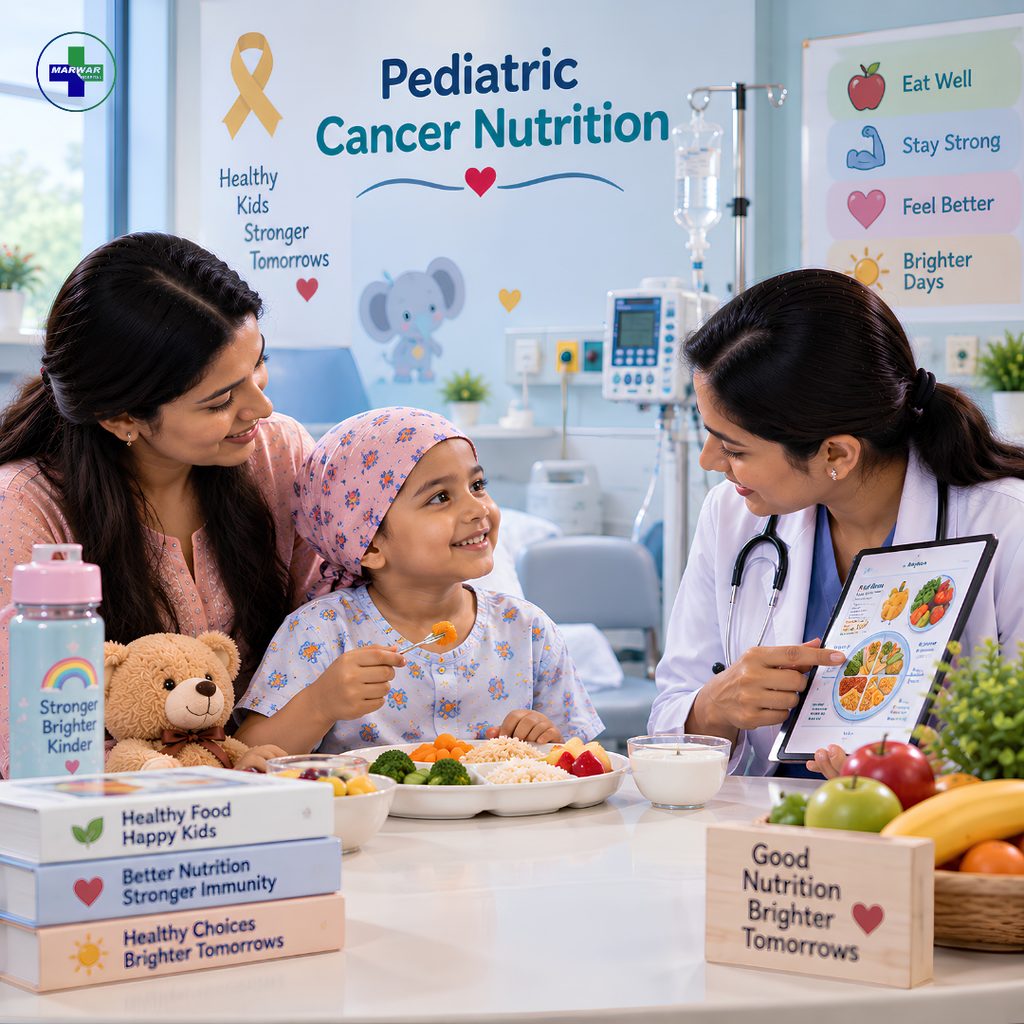
Nutrition During Pediatric Cancer Treatment
Good nutrition can be an important part of supporting a child’s health during treatment.
Some children may experience:
- Reduced appetite
- Nausea
- Vomiting
- Taste changes
- Mouth sores
- Difficulty eating
- Weight changes
The nutritional needs of each child are different.
A pediatric oncology team may recommend working with a dietitian or nutrition specialist to develop an appropriate eating plan.
Parents should not force a child to eat large amounts when the child feels unwell. Instead, the medical team can provide practical guidance based on the child’s treatment, symptoms and nutritional status.
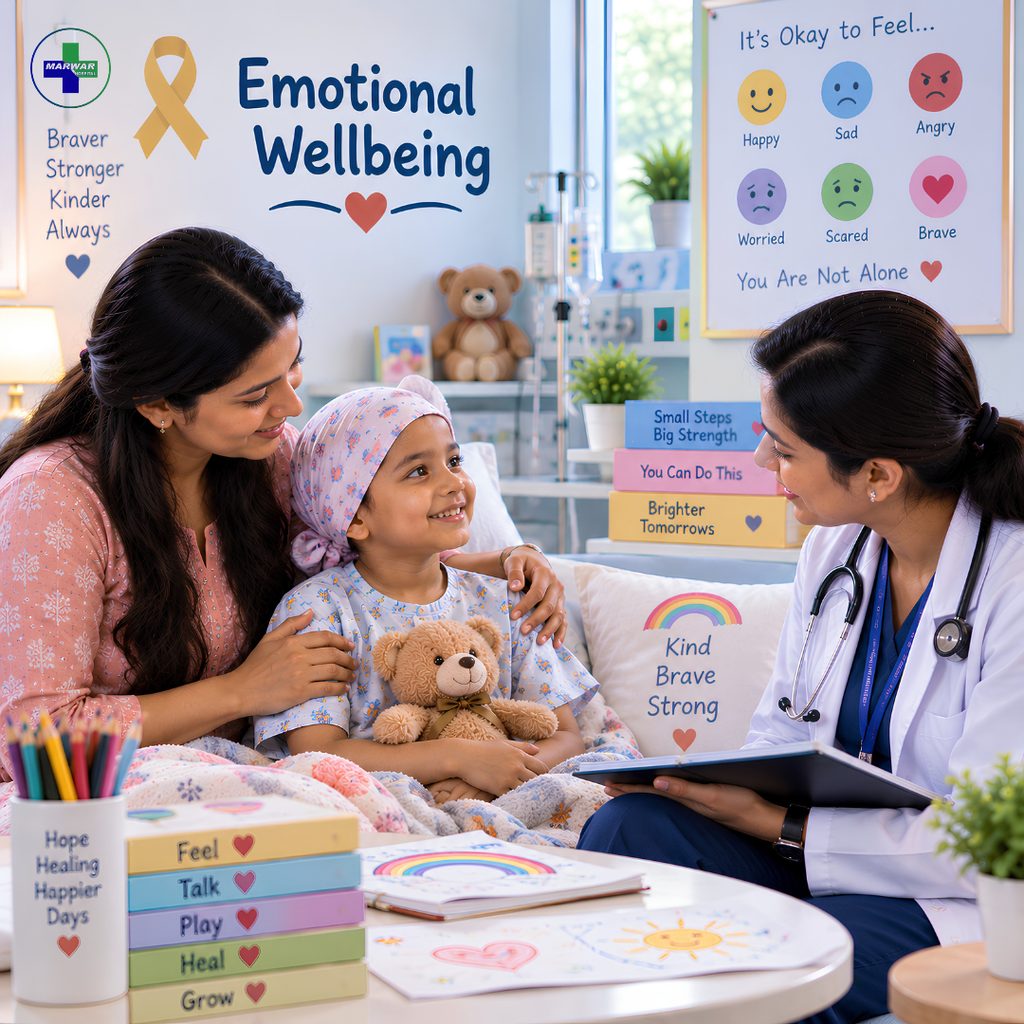
Emotional Support for the Child
Cancer treatment can affect a child’s emotions as much as their physical health.
Children may feel:
- Fear
- Confusion
- Anger
- Sadness
- Frustration
- Anxiety about procedures
- Concern about missing school or seeing friends
Parents can help by explaining medical procedures in age-appropriate language and allowing children to ask questions.
You do not need to have every answer. It is perfectly reasonable to say:
“I don’t know yet, but we can ask your doctor together.”
Maintaining familiar routines where medically possible can also help children feel more secure.
NCI notes that childhood cancer can affect many aspects of a child’s life and that keeping life as normal as possible can be helpful during treatment.
Can a Child Continue School During Treatment?
School participation depends on the child’s health, treatment schedule, infection risk and medical advice.
Some children may be able to attend school during certain periods, while others may need extended breaks.
When regular school attendance is not possible, families can discuss:
- Home-based learning
- Online classes
- School assignments
- Flexible attendance
- Communication with teachers
Maintaining educational and social connections can help children feel connected to their normal lives.
What About Hair Loss?
Hair loss is one of the side effects many parents associate with chemotherapy.
Some chemotherapy medicines affect rapidly dividing hair follicles, which can cause temporary hair loss.
However:
- Not every chemotherapy medicine causes hair loss.
- The degree of hair loss varies.
- Hair usually begins to grow again after treatment, although timing varies between individuals.
Parents can prepare children by explaining that hair loss is a treatment effect and not their fault.
Some families choose to let children select a cap, scarf or hairstyle that makes them comfortable.
Will Treatment Always Be the Same Length?
No.
Treatment duration varies greatly depending on the cancer type and treatment plan.
For some childhood cancers, treatment may take months. Other cancers may require a longer course involving several phases.
The treatment schedule can also change depending on:
- How the cancer responds
- Blood counts
- Side effects
- Infections or other complications
- Results of follow-up tests
Parents should ask the treating team for an individualized treatment timeline rather than comparing their child’s schedule with another child’s experience.
How Do Doctors Know If Treatment Is Working?
Doctors use different methods to monitor treatment response.
Depending on the cancer, monitoring may involve:
- Physical examinations
- Blood tests
- Bone marrow tests
- Ultrasound
- CT scans
- MRI
- PET scans in selected situations
- Other disease-specific investigations
The exact method depends on the type of cancer.
Treatment may be adjusted if tests show that the cancer is responding differently than expected.
Why Completing the Treatment Plan Matters
Cancer treatment is often planned as a carefully structured course.
Parents may sometimes feel tempted to stop treatment when a child appears better. However, feeling better does not necessarily mean that all cancer cells have been eliminated.
WHO identifies treatment abandonment as one factor contributing to poorer childhood cancer outcomes in many settings.
If your child is experiencing significant side effects, financial difficulties, transportation problems or other challenges that make treatment difficult, tell the medical team. They may be able to help identify solutions rather than leaving the treatment plan incomplete.
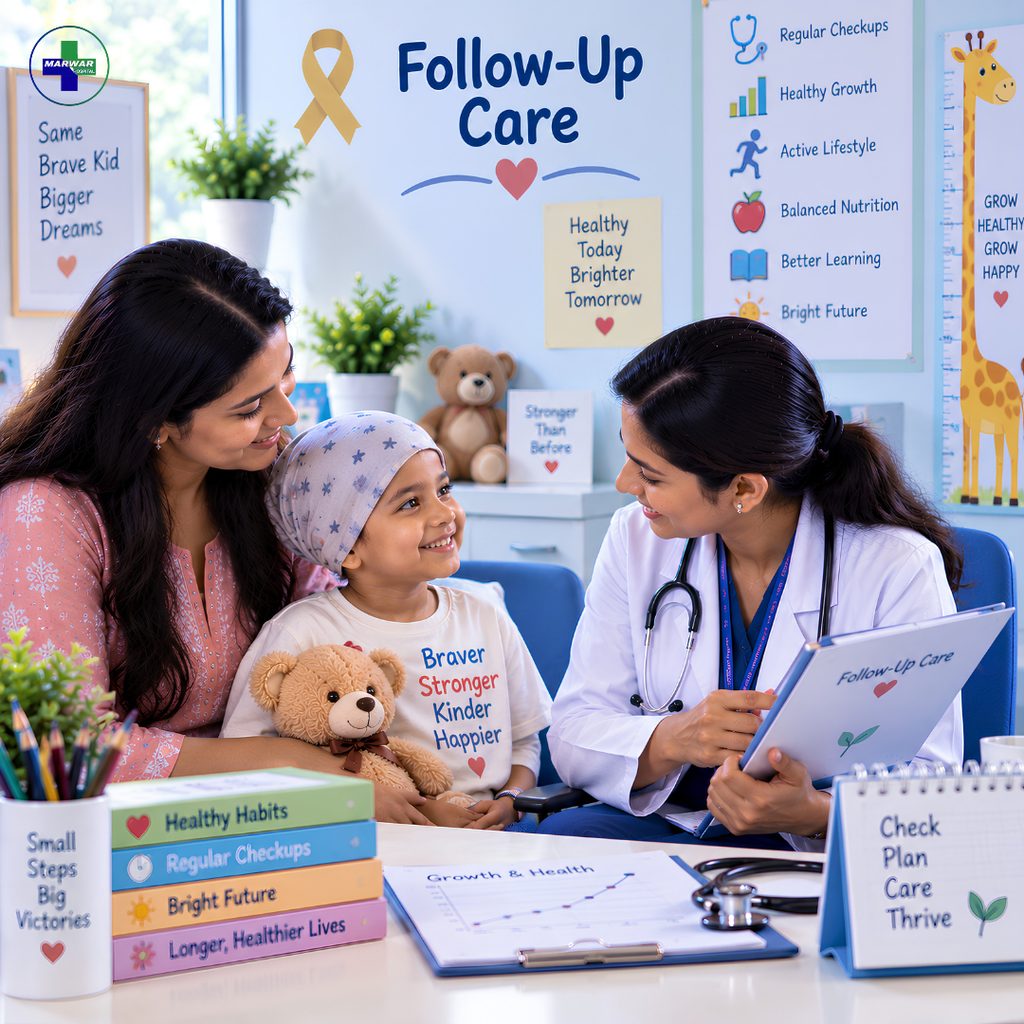
Follow-Up After Cancer Treatment
Finishing cancer treatment is a major milestone, but follow-up care remains important.
Doctors may continue monitoring for:
- Cancer recurrence
- Growth and development
- Organ function
- Learning and cognitive development
- Nutrition
- Emotional wellbeing
- Long-term effects of treatment
WHO notes that children who complete cancer treatment require ongoing care to monitor recurrence and possible long-term effects.
Follow-up schedules differ depending on the child’s diagnosis and treatment history.
Questions Parents Should Ask the Pediatric Oncology Team
Parents often receive a lot of information during a stressful period. Writing down questions before appointments can help.
Consider asking:
- What exact type of cancer does my child have?
- What tests confirmed the diagnosis?
- Has the cancer spread?
- What is the goal of treatment?
- Which treatments are being recommended?
- How long is the expected treatment plan?
- What side effects should we watch for?
- Which symptoms require immediate medical attention?
- What can my child eat during treatment?
- Can my child attend school?
- How will treatment response be monitored?
- What follow-up care will be needed after treatment?
Do not hesitate to ask the same question more than once. Cancer treatment can involve complex medical information, and parents deserve clear explanations.
The Importance of a Multidisciplinary Pediatric Cancer Team
Childhood cancer treatment is rarely the responsibility of one doctor alone.
A comprehensive pediatric cancer team may include:
- Pediatric oncologists
- Pediatric surgeons
- Radiation oncologists
- Pathologists
- Radiologists
- Pediatric nurses
- Nutrition specialists
- Psychologists
- Social workers
- Rehabilitation professionals
- Other specialists depending on the child’s needs
WHO describes multidisciplinary care as an important component of comprehensive childhood cancer treatment.
This team-based approach allows different aspects of the child’s health to be considered together.
What Parents Should Remember About Childhood Cancer
A cancer diagnosis changes family life, but it does not define a child’s entire identity.
Children receiving cancer treatment are still children. They need opportunities to:
- Play when medically appropriate
- Learn
- Communicate
- Spend time with family
- Maintain friendships
- Celebrate important occasions
- Express their feelings
- Have moments that are not focused on illness
Parents should also take care of themselves. Supporting a child through cancer treatment can be physically and emotionally demanding. Accepting help from family members, friends, counsellors or support organizations can make the journey more manageable.
Pediatric Cancer Care in Bikaner
For families in Bikaner and nearby areas, timely medical evaluation and access to appropriate pediatric cancer care are important parts of the treatment journey.
At Marwar Hospital, Bikaner, parents can seek professional medical guidance when their child has symptoms that require evaluation or when specialist pediatric cancer care is being considered.
Every child’s diagnosis and treatment plan is different. Medical decisions should therefore be based on the child’s individual condition, diagnostic results and recommendations from the treating healthcare team.
Conclusion
A pediatric cancer diagnosis can be one of the most difficult experiences a family faces, but parents should know that treatment options have advanced significantly, and many childhood cancers can be treated successfully when appropriate care is accessible.
Treatment begins with an accurate diagnosis. Depending on the cancer, a child’s treatment may involve chemotherapy, surgery, radiation therapy, targeted therapy, immunotherapy, stem cell transplantation or a combination of approaches.
Supportive care is equally important. Managing infections, nutrition, pain, treatment side effects, emotional wellbeing and the child’s education can all form part of comprehensive pediatric cancer care.
Parents should remember that there is no universal treatment plan for childhood cancer. The right approach depends on the specific cancer, its extent, biological characteristics, the child’s age and response to treatment.
WHO emphasizes that prompt and accurate diagnosis followed by evidence-based treatment and tailored supportive care can improve outcomes.
If your child has been diagnosed with cancer, ask questions, understand the treatment plan and stay in regular communication with the pediatric oncology team. If you are concerned about persistent or unusual symptoms, seek professional medical evaluation rather than relying on self-diagnosis.
For families in Bikaner, Marwar Hospital can be a place to seek medical guidance and discuss the next steps in a child’s healthcare journey.
With timely diagnosis, appropriate treatment and comprehensive support, children with cancer can receive the care they need to move toward recovery and a healthy future.
📍 For immediate assistance, get directions to our hospital on Google Maps. Location: Main Road, Sadul Colony, Bikaner, Rajasthan – 334001.
📞 For expert advice and appointments, contact our hospital today. 2207714, 2208814, 2209914
Treatment depends on the type of cancer, its stage or extent, the child’s age, biological characteristics and overall health. Depending on the diagnosis, treatment may include chemotherapy, surgery, radiation therapy, targeted therapy, immunotherapy or stem cell transplantation.
No. Not every child requires chemotherapy. The treatment plan is individualized according to the specific cancer and other clinical factors. Chemotherapy may be used alone or alongside surgery, radiation, immunotherapy or other treatments.
Possible side effects include tiredness, nausea or vomiting, reduced appetite, hair loss, mouth sores, changes in blood counts and increased susceptibility to infection. Not every child experiences every side effect, and supportive medicines can help manage many treatment-related problems.
It depends on the child’s health, treatment schedule, infection risk and medical advice. Some children may attend school during certain periods, while others may need a break. Home-based learning, online classes and flexible attendance may be considered when regular school attendance is not possible.
Treatment duration varies considerably depending on the type of cancer and the individual treatment plan. Some treatments may take months, while others involve longer courses with several phases. Treatment schedules can also change based on response, blood counts, side effects and complications.