
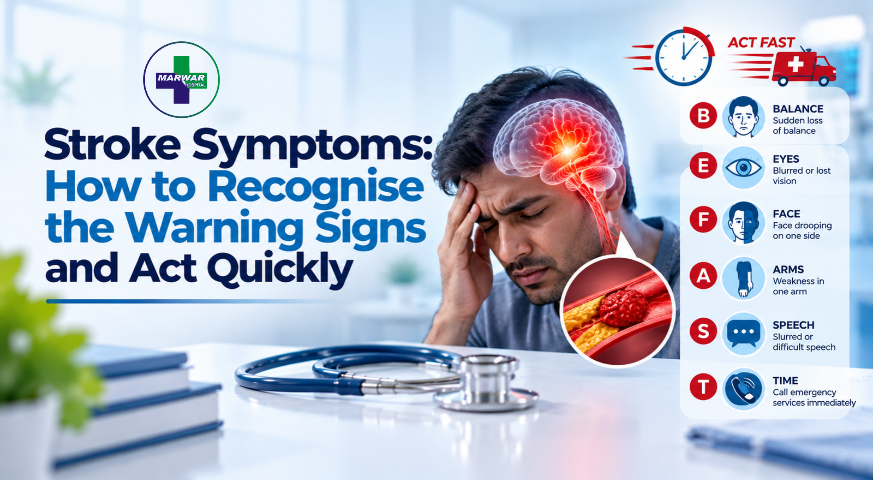
A stroke occurs when the brain’s blood supply is interrupted or a blood vessel breaks and causes bleeding.When the brain does not receive enough oxygen-rich blood, its cells can be damaged, potentially affecting movement, speech, vision, and memory. Stroke symptoms usually appear suddenly, and the signs may differ depending on which part of the brain is affected.
Recognising these changes helps people understand when urgent medical assessment is needed.
This article explains the main types of stroke, seven common warning signs, the FAST method, appropriate emergency responses, and ways to reduce stroke risk.
What Is a Stroke?
A stroke occurs when part of the brain cannot receive its normal supply of blood or is damaged by bleeding. It is generally classified into two main types.
Ischaemic stroke: This type of stroke occurs when a blood clot or other obstruction blocks blood flow to part of the brain.
Haemorrhagic stroke: This develops when a blood vessel ruptures, causing blood to leak into or around the brain.
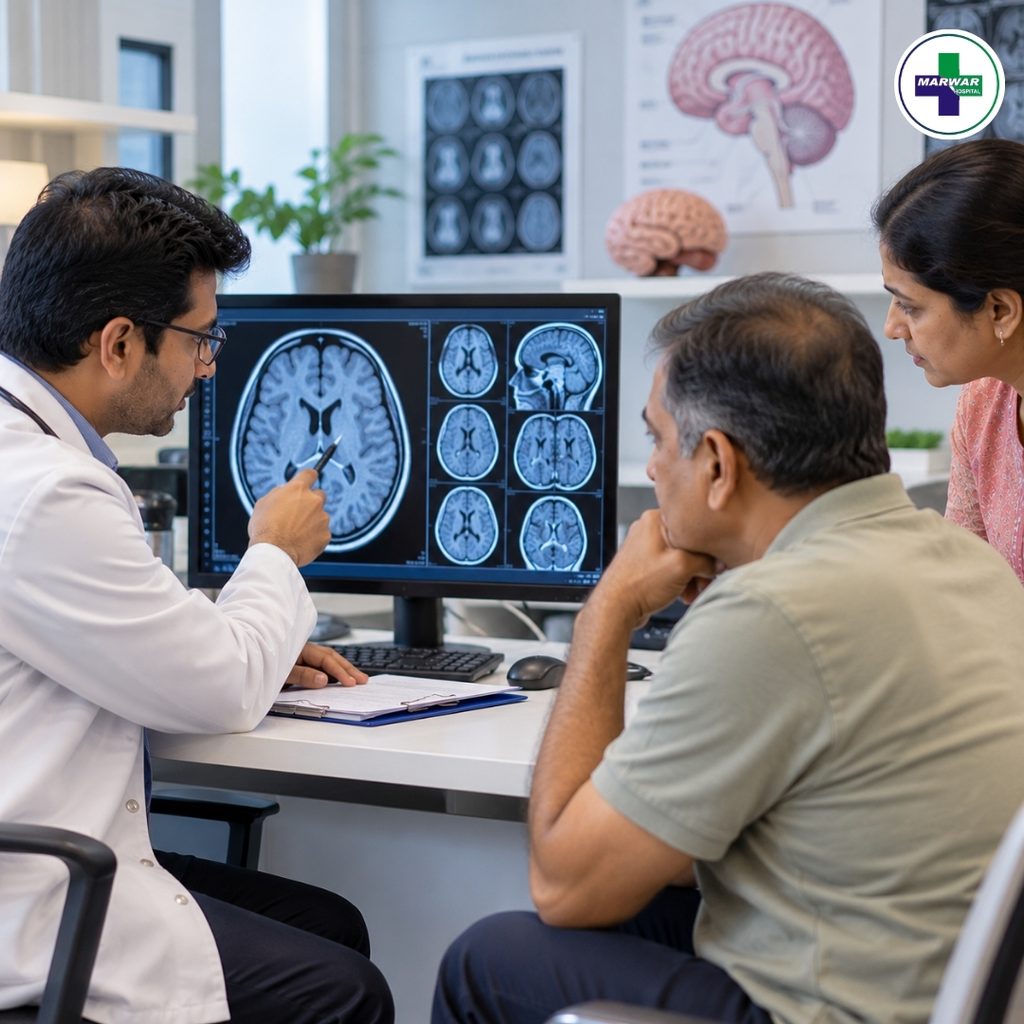
Although both types can produce similar symptoms, their treatments differ. Doctors use medical examinations and brain imaging to determine the cause and select appropriate treatment.
7 Common Warning Signs of a Stroke
1. Weakness or Numbness on One Side
Sudden weakness or reduced sensation in the face, arm, or leg may indicate a stroke. It often affects one side of the body.
The person may find it difficult to raise an arm, grip an object, move a leg, or carry out everyday activities.Unexpected one-sided weakness should not be dismissed as tiredness or a temporary muscle problem.

2. Facial Drooping
A stroke can disrupt the nerve signals responsible for facial movement, causing one side of the face to droop or look uneven.
Ask the person to smile and observe whether the mouth moves evenly.A sudden facial droop or an uneven smile can be a key warning sign of a stroke.
3. Difficulty Speaking or Understanding Words
A person may suddenly experience slurred speech, struggle to recall familiar words, or find it difficult to speak in complete, clear sentences. Some people can speak but cannot understand what others are saying.
These symptoms can appear even if the person remains conscious and seems fully alert. Sudden difficulty communicating can indicate that the brain’s language functions have been affected.
4. Sudden Vision Changes
A stroke may interfere with the brain’s ability to process visual information. Possible symptoms include blurred vision, double vision, loss of vision in one eye, or difficulty seeing part of the surrounding area.
These changes may occur without pain. Because these symptoms can appear without warning, it is important to identify them as early as possible.
Because these symptoms can appear suddenly, recognising them quickly is essential for identifying a possible stroke.
5. Dizziness or Loss of Balance
A person may suddenly feel unsteady, struggle to walk, or lose coordination. Some people experience severe dizziness or find it difficult to remain standing.
Dizziness can have several causes, but sudden balance problems accompanied by other neurological symptoms may indicate a stroke.
6. An Unusually Severe Headache
A sudden, extremely painful headache can sometimes indicate bleeding in or around the brain, particularly when it is unlike previous headaches.
Other symptoms may include vomiting, neck stiffness, confusion, or reduced consciousness. Not every severe headache is caused by a stroke, but a headache that reaches maximum intensity rapidly needs urgent medical evaluation.
7. Sudden Confusion
A stroke can affect attention, understanding, and awareness. A person may become disoriented, struggle to follow a conversation, or have difficulty answering simple questions.
Because sudden confusion can also result from other medical conditions, its underlying cause needs professional assessment.
How to Recognise a Stroke With the FAST Method
The FAST approach is an easy way to remember three key stroke warning signs and understand why immediate action is important.
- F — Face: Ask the person to smile. Does one side droop?
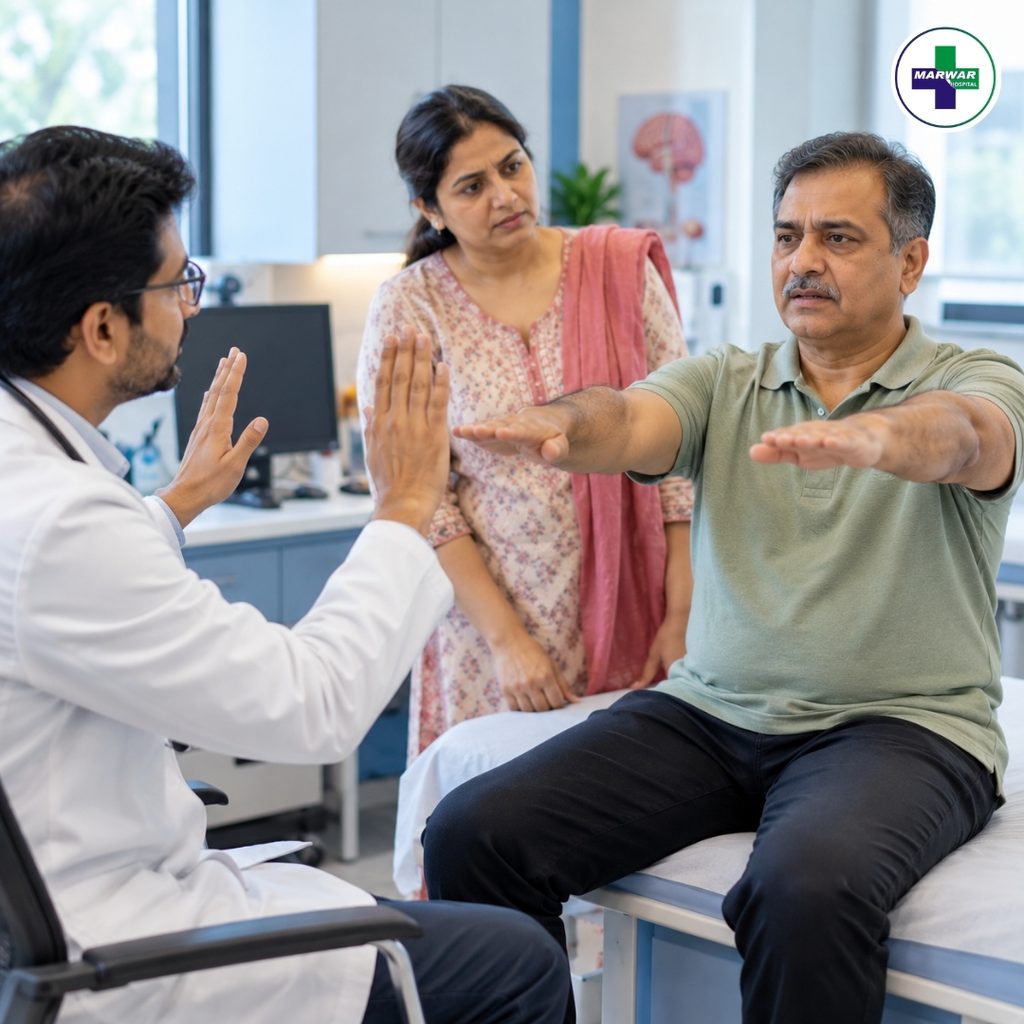
- A — Arms: Ask the person to raise both arms and observe whether one arm drops or is difficult to lift.
- S — Speech: Ask them to repeat a simple sentence. Is their speech unclear or unusual?
- T — Time: If any of these warning signs appear suddenly, seek emergency medical help immediately.
The FAST method does not cover every stroke symptom. Sudden changes in vision, difficulty maintaining balance, or other unexpected neurological symptoms also need urgent medical attention.
What to Do if a Stroke Is Suspected
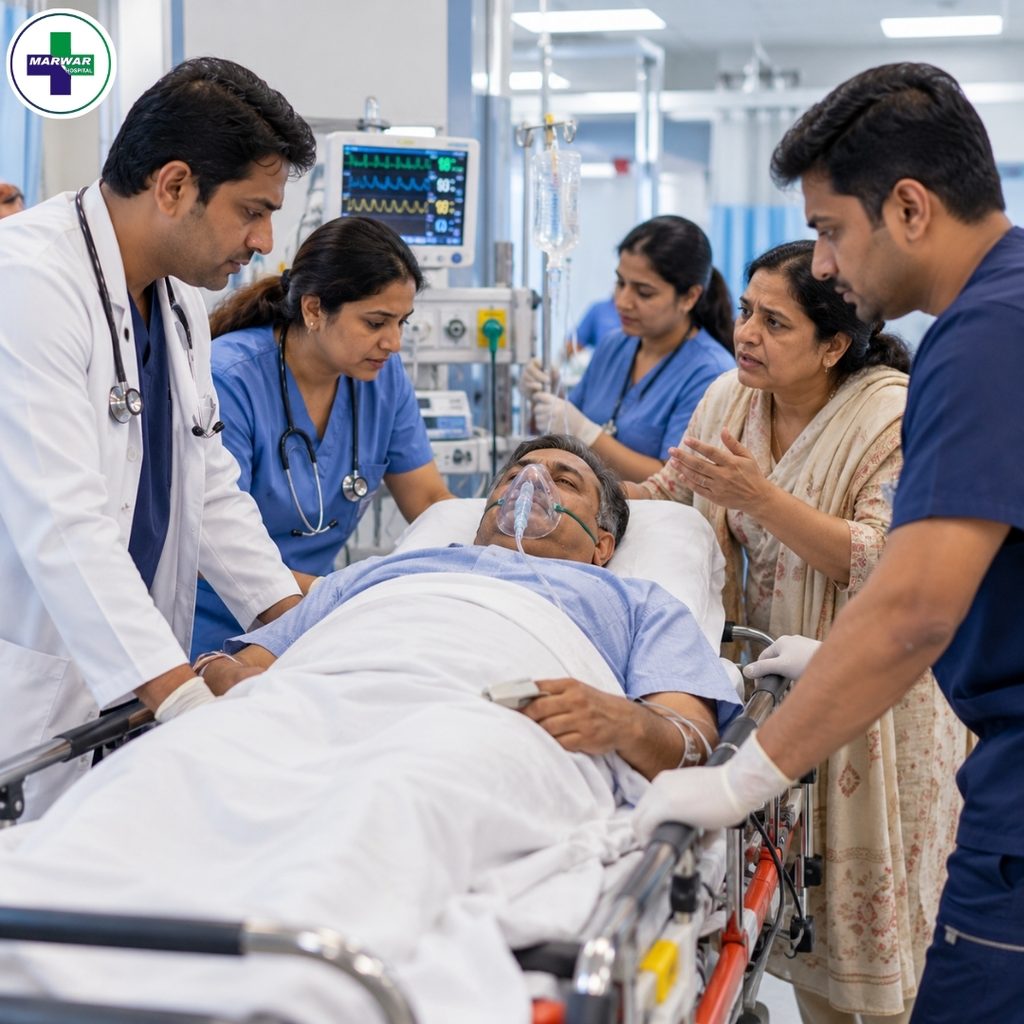
In India, call 112 for emergency assistance. Explain the symptoms and provide the time they started, if known. If no one saw when the symptoms began, record the last time the person was known to be acting normally.
While waiting for assistance:
- Keep the person safe and stay with them.
- Avoid asking them to walk if they are weak or unsteady.
- Do not give food, water, or tablets by mouth because swallowing may be affected.
- Do not give aspirin unless a medical professional specifically advises it, as some strokes involve bleeding.
- Follow the emergency operator’s instructions if the person’s consciousness or breathing changes.
Knowing when stroke symptoms first appeared is crucial, as eligibility for certain treatments depends on the time elapsed since symptoms began.
Learn more about our expert services here.
Why Does Early Treatment Matter?
The effects of a stroke depend on which part of the brain is affected, the extent of the injury, and the speed of treatment. Possible complications include difficulties with movement, communication, memory, vision, and everyday activities.
Doctors use examinations and brain imaging to determine whether the stroke is caused by a blockage or bleeding. Depending on the findings, treatment may involve restoring blood flow, managing bleeding, or addressing other complications.
At Marwar Hospital, stroke awareness helps explain how an interruption in the brain’s blood supply can interfere with essential body functions. Recognising the symptoms helps people understand why timely medical assessment matters.
Can Stroke Symptoms Disappear?
Yes. Symptoms that disappear after a short time may be caused by a transient ischaemic attack (TIA), commonly known as a mini-stroke.
A transient ischaemic attack (TIA) happens when the blood supply to a part of the brain is temporarily disrupted. It may cause brief weakness, speech difficulties, or vision changes.
Even when the symptoms disappear completely, a TIA may be a warning sign of a higher risk of stroke in the future. It is not possible to reliably distinguish a TIA from a stroke at home, so symptoms should never be ignored simply because they disappear.
How Can the Risk of Stroke Be Reduced?
Some stroke risk factors cannot be changed, including age and family history. However, managing health conditions and maintaining healthy habits can help reduce the overall risk.
Manage blood pressure: High blood pressure is a major stroke risk factor. Regular monitoring and appropriate treatment can help control it.
Control diabetes and cholesterol: High blood sugar and unhealthy cholesterol levels can damage blood vessels over time. Follow recommended medical advice and monitoring schedules.
Avoid smoking: Tobacco damages blood vessels and increases cardiovascular risk. Quitting can improve long-term health.
Eat balanced meals: Include vegetables, fruits, whole grains, and pulses. Limiting excessive salt and unhealthy fats supports cardiovascular health.
Stay physically active: Regular activity can help maintain healthy blood pressure, blood sugar, and body weight. Choose activities suitable for your physical condition.
Pay attention to heart health: Conditions such as atrial fibrillation can increase the risk of blood clots travelling to the brain. Appropriate medical care can help manage this risk.
Attend regular health check-ups: Routine assessments can help identify risk factors and support early management of existing conditions.

Conclusion
Stroke symptoms can appear without warning and affect movement, speech, vision, balance, or awareness. Sudden facial drooping, one-sided weakness, difficulty speaking, unexpected vision changes, and severe balance problems are among the signs people should recognise.
The FAST method provides a simple way to remember common symptoms. Knowing the warning signs, recording when they began, and understanding the appropriate response can help reduce delays in medical care.
Marwar Hospital recognises stroke awareness as an important part of general health education. Understanding the condition and its risk factors can help people make informed decisions about their health.
Medical Disclaimer: This article is for educational purposes only and does not replace professional medical advice, diagnosis, or treatment.
📍 For immediate assistance, get directions to our hospital on Google Maps. Location: Main Road, Sadul Colony, Bikaner, Rajasthan – 334001.
📞 For expert advice and appointments, contact our hospital today. 2207714, 2208814, 2209914
Common warning signs include sudden facial drooping, weakness or numbness on one side of the body, difficulty speaking or understanding words, sudden vision changes, loss of balance, confusion, and an unusually severe headache.
FAST stands for Face, Arms, Speech, and Time. Check for facial drooping, difficulty raising both arms, and unusual or slurred speech. If any of these symptoms appear suddenly, seek emergency medical help immediately.
Call emergency services immediately. In India, dial 112. Note when the symptoms started or when the person was last known to be normal. Keep them safe, do not give food, water, or medication by mouth, and follow the emergency operator’s instructions.
Yes. Temporary symptoms may indicate a transient ischaemic attack (TIA), also called a mini-stroke. Even if symptoms disappear completely, urgent medical assessment is necessary because a TIA may signal an increased risk of a future stroke.
You can help reduce stroke risk by controlling blood pressure, managing diabetes and cholesterol, avoiding smoking, eating a balanced diet, staying physically active, managing heart conditions, and attending regular health checkups.