


A migraine is more than an ordinary headache. It is a neurological condition that can affect a person’s ability to work, study, sleep, and perform everyday activities. Some people experience intense head pain, while others notice nausea, sensitivity to light, or difficulty concentrating during an episode.
Migraine symptoms can vary in intensity and duration. They may last for several hours or, in some cases, continue for days. Understanding what causes migraine, recognising its symptoms, and knowing how it can be managed are important steps towards improving daily comfort and quality of life.
What Is a Migraine?
Migraine is a neurological disorder involving changes in brain activity and the pathways responsible for pain. It commonly causes recurring episodes of headache, although not every migraine involves severe head pain.
The discomfort often affects one side of the head, but it can also occur on both sides. Some individuals experience a throbbing sensation, while others describe pressure or persistent pain.
Migraine attacks may interfere with routine activities because symptoms can become worse with movement, bright lights, loud sounds, or strong smells.
What Causes Migraine?
The exact cause of migraine is not completely understood. Research suggests that changes in brain signalling, nerve activity, and certain chemical processes contribute to migraine episodes.
Several factors may increase the likelihood of experiencing migraine.
1. Genetic Factors
Migraine often runs in families. A person with close relatives who experience migraine may have a higher likelihood of developing the condition.
Genetic factors can influence how the brain responds to pain signals and environmental triggers.
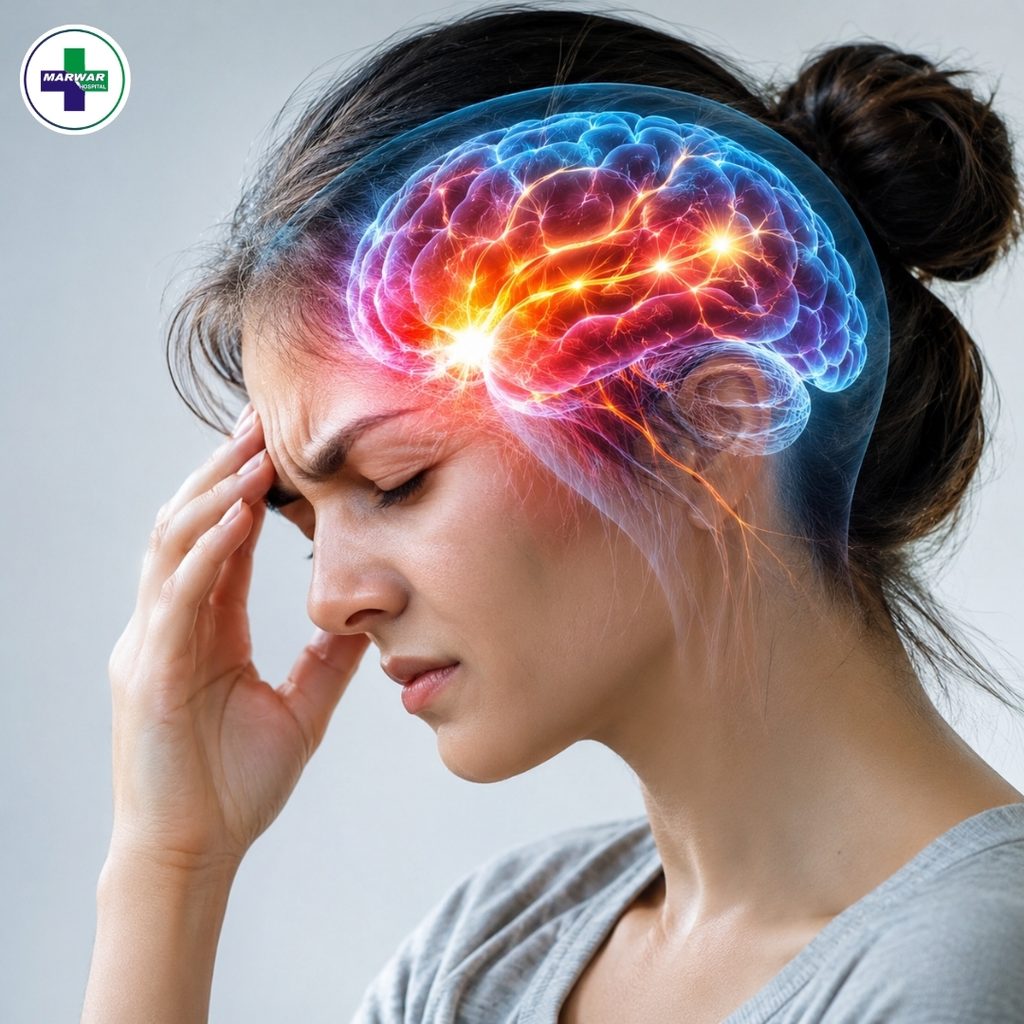
2. Changes in Brain Activity
Migraine involves complex changes in the nervous system. These changes can affect sensory processing and activate pathways associated with headache pain.
In some individuals, these processes may also produce visual disturbances or other neurological symptoms before the headache begins.
3. Hormonal Changes
Hormonal fluctuations can influence migraine patterns, particularly in some women.
Changes in oestrogen levels around menstruation, pregnancy, or menopause may affect the frequency or severity of migraine attacks.
4. Stress and Emotional Pressure
Stress is a commonly reported migraine trigger. Emotional tension, anxiety, prolonged mental pressure, or sudden changes in stress levels may contribute to an attack.
Relaxation techniques and consistent routines may help some people manage stress-related triggers.
5. Sleep Disturbances
Insufficient sleep, irregular sleeping schedules, and excessive changes in sleep patterns may increase migraine susceptibility.
Maintaining a consistent sleep routine can support better symptom management.
6. Food and Environmental Triggers
Certain individuals notice migraine episodes after exposure to particular triggers, such as:
- Skipping meals or fasting for long periods
- Dehydration
- Bright or flashing lights
- Strong smells
- Loud sounds
- Excessive caffeine or sudden caffeine withdrawal
- Certain foods or beverages
Triggers differ between individuals. A food that causes symptoms in one person may have no effect on another.
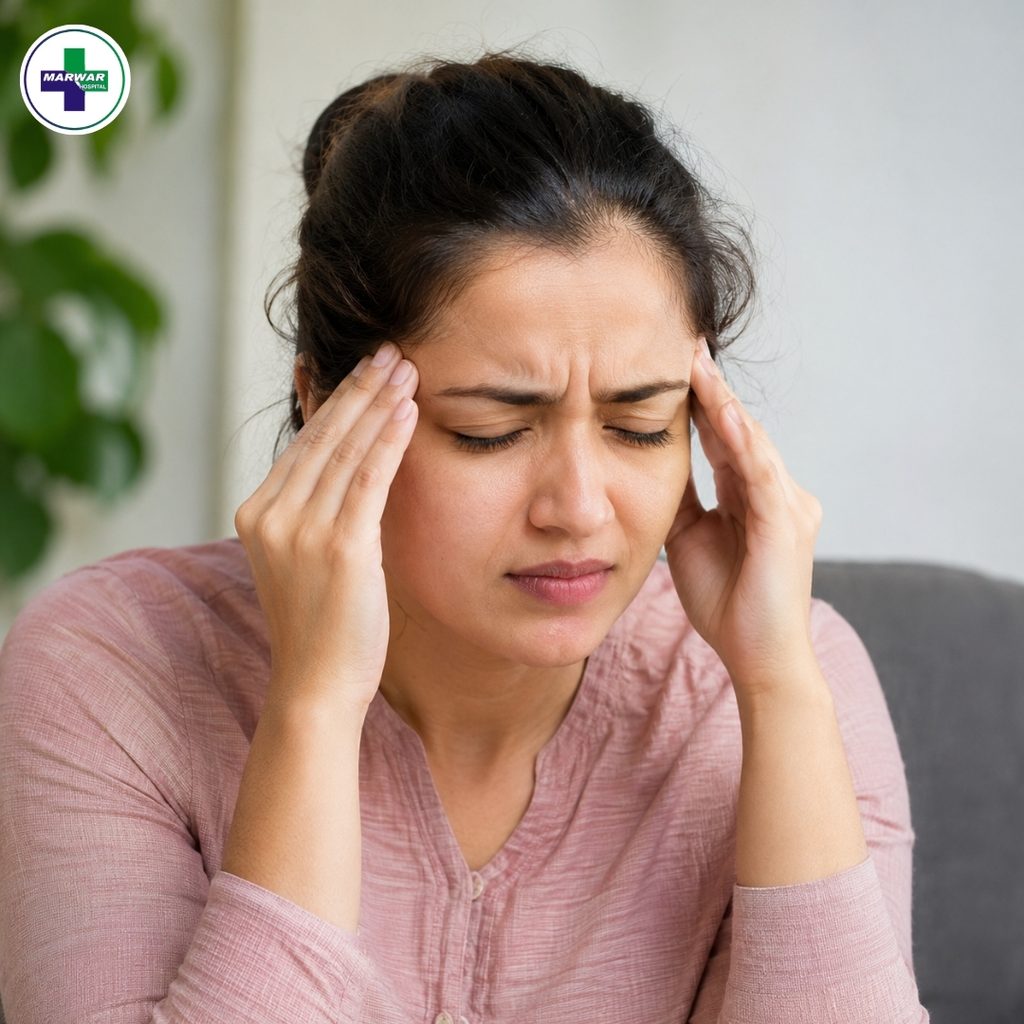
Common Symptoms of Migraine
Migraine symptoms can develop in stages, although not everyone experiences every stage.
1. Headache and Throbbing Pain
Migraine pain is often moderate to severe and may feel pulsating or throbbing. It frequently affects one side of the head but may spread to both sides.
Physical activity, such as walking quickly or climbing stairs, may make the pain more noticeable.
2. Nausea and Vomiting
Some people experience nausea during a migraine attack. Severe episodes may also cause vomiting, making it difficult to eat or drink normally.
These symptoms can occur alongside head pain or sometimes before it becomes intense.
3. Sensitivity to Light and Sound
Bright lights, sunlight, television screens, and loud noises may become uncomfortable during a migraine.
A person may prefer a quiet, dark room because sensory stimulation can worsen their symptoms.

4. Visual Disturbances
Some migraine attacks involve a condition called aura. Aura may cause temporary visual changes, including flashing lights, zigzag patterns, blind spots, or shimmering shapes.
Aura can also involve tingling sensations or temporary difficulty speaking. These symptoms usually develop gradually and resolve, but new neurological symptoms require medical assessment because they can resemble other serious conditions.
5. Fatigue and Difficulty Concentrating
Migraine can affect concentration, memory, and mental clarity. Some people feel unusually tired before an attack begins, while others experience exhaustion after the headache has passed.
This period of recovery is sometimes called the postdrome phase.
Different Stages of a Migraine Attack
A migraine episode may involve several stages:
- Prodrome: Changes such as fatigue, irritability, food cravings, or difficulty concentrating may appear before the headache.
- Aura: Temporary visual, sensory, or speech-related symptoms may occur in some individuals.
- Headache phase: Pain, nausea, and sensitivity to light or sound may develop.
- Postdrome: Tiredness, reduced concentration, or a feeling of mental exhaustion may remain after the pain improves.
Not everyone experiences all these stages. The pattern can also differ between attacks.

Effective Treatment Options for Migraine
Migraine treatment depends on symptom severity, attack frequency, medical history, and individual response to medicines.
1. Medicines for Acute Attacks
Certain medicines may help relieve symptoms when taken at an appropriate time.
Common treatment categories include:
- Pain-relieving medicines
- Anti-inflammatory medicines
- Medicines specifically developed for migraine, such as triptans
- Medicines that help control nausea and vomiting
The appropriate medicine depends on the individual. Some medicines are unsuitable for people with particular medical conditions or during certain stages of pregnancy.
Frequent use of headache medicines can sometimes cause medication-overuse headaches. Treatment should therefore follow medical guidance rather than repeated self-medication.
2. Preventive Treatment
People experiencing frequent, prolonged, or disabling migraine attacks may benefit from preventive treatment.
Depending on individual circumstances, doctors may consider certain blood pressure medicines, antiseizure medicines, antidepressants, CGRP-targeted treatments, or other preventive options.
Preventive treatment aims to reduce the frequency, intensity, and duration of migraine attacks. The choice depends on factors such as existing health conditions, possible side effects, and personal treatment needs.
3. Rest and a Comfortable Environment
During an attack, resting in a quiet, dimly lit room may help reduce discomfort.
Some individuals find that a cool compress placed on the forehead or neck provides temporary relief. Reducing exposure to bright screens, strong smells, and loud sounds may also help.
4. Hydration and Regular Meals
Dehydration and missed meals can trigger migraine in some people.
Drinking sufficient water throughout the day and maintaining regular meal times may help prevent avoidable episodes.

Lifestyle Changes That May Help Manage Migraine
Lifestyle habits can support migraine management alongside appropriate medical treatment.
Maintain a regular sleep schedule: Try to sleep and wake at consistent times. Avoid frequent changes in sleeping patterns.
Manage stress: Breathing exercises, gentle physical activity, relaxation practices, and suitable recreational activities may help reduce stress.
Stay physically active: Regular exercise may support overall health and migraine prevention. Begin gradually if physical activity has previously triggered symptoms.
Identify personal triggers: Keeping a migraine diary can help identify patterns involving sleep, meals, stress, weather, or other possible triggers.
Avoid unnecessary dietary restrictions: Not everyone needs to eliminate particular foods. Changes should be based on individual patterns rather than assumptions.
When Should Migraine Symptoms Be Medically Evaluated?
At Marwar Hospital, migraine-related health education can include understanding the difference between recurring migraine symptoms and warning signs that may indicate another condition.
Medical assessment is particularly important when headaches become more frequent, change their usual pattern, interfere significantly with daily activities, or do not improve with appropriate treatment.
Seek emergency medical attention for a sudden, extremely severe headache, new weakness, facial drooping, confusion, fainting, fever with neck stiffness, or sudden difficulty speaking or seeing.
A first episode of unusual neurological symptoms should not automatically be assumed to be migraine aura.
Conclusion
Migraine is a neurological condition that can cause recurring headaches, nausea, sensory sensitivity, visual changes, and difficulty concentrating. Its triggers and symptoms vary from person to person, which is why understanding individual patterns can be useful.
Recognising symptoms, maintaining healthy routines, avoiding unnecessary self-medication, and following appropriate treatment can help manage migraine more effectively.
Marwar Hospital is mentioned in this article in the context of general migraine-related health awareness. Understanding headache patterns and recognising symptoms that require medical assessment are important parts of maintaining neurological health.
Medical Disclaimer: This article is intended for general educational purposes only and does not replace professional medical advice, diagnosis, or treatment. Medication choices and treatment plans should be discussed with a qualified healthcare professional.
📍 For immediate assistance, get directions to our hospital on Google Maps. Location: Main Road, Sadul Colony, Bikaner, Rajasthan – 334001.
📞 For expert advice and appointments, contact our hospital today. 2207714, 2208814, 2209914
Migraine is a neurological condition that causes recurring headaches, often accompanied by nausea, sensitivity to light and sound, and difficulty concentrating. Unlike ordinary headaches, migraine attacks can significantly affect daily activities.
Migraine may be influenced by genetic factors, hormonal changes, stress, irregular sleep, dehydration, skipped meals, excessive caffeine, bright lights, and strong smells. Triggers vary from person to person.
Common migraine symptoms include throbbing head pain, nausea, vomiting, sensitivity to light and sound, visual disturbances, fatigue, and difficulty concentrating. Some individuals also experience migraine aura.
Migraine treatment may include pain-relieving medicines, migraine-specific medications, anti-nausea medicines, and preventive treatments. Rest, hydration, regular sleep, and identifying personal triggers may also help manage symptoms.
Consult a doctor if migraines become frequent, severe, interfere with daily activities, or change their usual pattern. Sudden severe headaches or new neurological symptoms require urgent medical evaluation.