
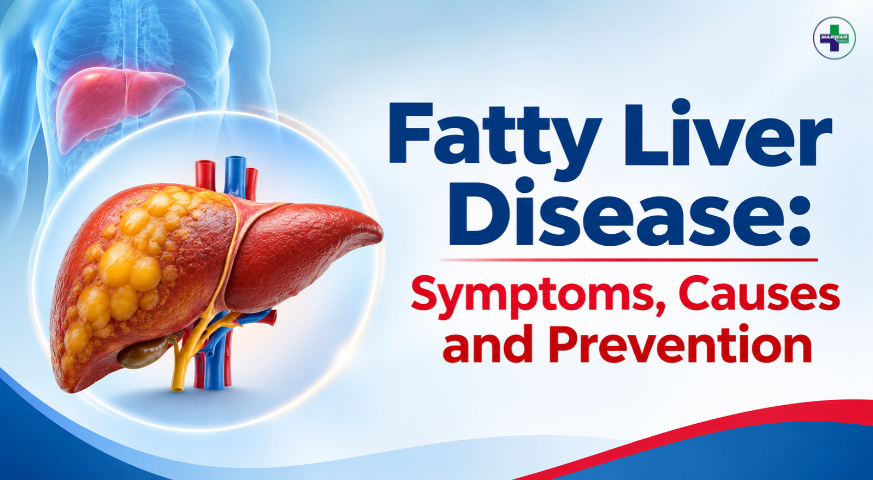
Fatty liver disease is a frequently occurring medical condition where an abnormal amount of fat builds up within the liver cells.Although a small amount of fat in the liver is normal, excessive fat accumulation may affect liver function and, in some individuals, lead to inflammation, liver damage, or other complications.
In the initial stages, fatty liver disease may progress silently, with many individuals experiencing no clear or noticeable warning signs.Many people discover the condition during routine health checkups, abdominal ultrasound examinations, or blood tests. Understanding fatty liver symptoms, causes, risk factors, and prevention methods is important for maintaining liver health.
With appropriate lifestyle changes, medical evaluation, and management of associated health conditions, many people can improve their liver health and reduce the risk of complications.
What Is Fatty Liver Disease?
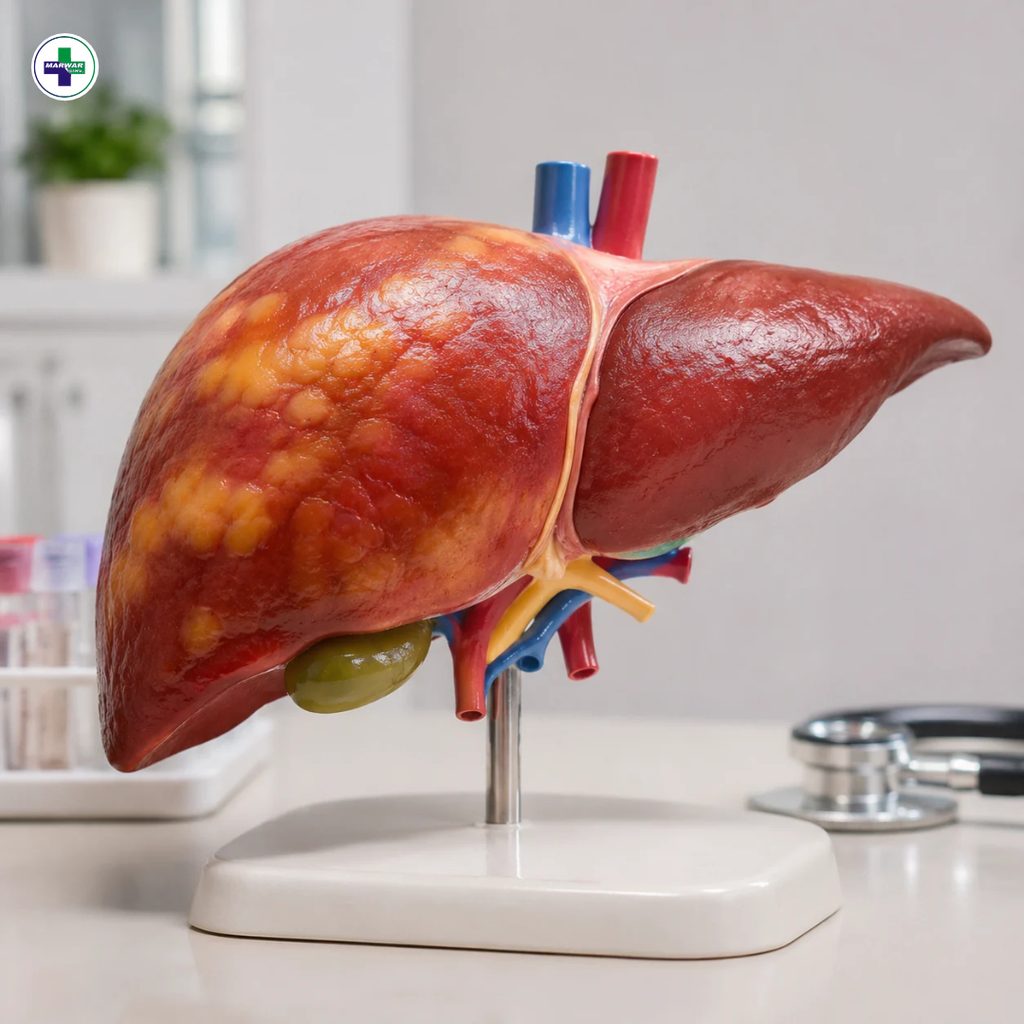
Fatty liver disease is a condition characterized by an abnormal buildup of fat deposits inside the liver tissue.It is commonly associated with metabolic conditions such as obesity, insulin resistance, diabetes, and abnormal cholesterol levels.
The liver plays an essential role in digestion, metabolism, nutrient storage, and the processing of substances within the body.An excessive buildup of fat within liver cells can sometimes affect the organ’s ability to perform its normal functions properly.
Medical professionals generally divide fatty liver disease into two primary types based on its underlying causes and contributing factors.
- Metabolic dysfunction-associated steatotic liver disease (MASLD): Fat accumulation associated with metabolic risk factors such as excess body weight, diabetes, and insulin resistance.
- Alcohol-Related Liver Disease: A condition in which regular or excessive alcohol intake contributes to fat buildup and potential damage to liver tissue.
Fatty liver disease may remain relatively mild, but some individuals develop inflammation and progressive liver damage. This can eventually lead to fibrosis, cirrhosis, or other serious complications.
Common Symptoms of Fatty Liver Disease
Fatty liver disease is frequently described as a silent illness, as it may develop without causing noticeable symptoms during its initial stages.However, some people may notice certain changes.
1. Fatigue and Tiredness
People affected by fatty liver disease may occasionally experience ongoing tiredness, low energy levels, and a persistent feeling of fatigue.
People may feel unusually tired, experience reduced energy, or find everyday activities more difficult.
Fatigue can have several causes, so it should not automatically be attributed to fatty liver.
2. Discomfort in the Upper Right Abdomen
Some individuals experience mild discomfort or a feeling of fullness in the upper right side of the abdomen, where the liver is located.
This discomfort may be associated with an enlarged liver in certain cases.
Persistent abdominal pain requires medical evaluation because several digestive and abdominal conditions can cause similar symptoms.
3. Weakness and Reduced Energy
Some people with fatty liver disease report general weakness or reduced physical stamina.
These symptoms may also be associated with metabolic conditions, poor sleep, nutritional problems, or other health concerns.
4. Unexplained Weight Changes
Fatty liver disease commonly occurs alongside obesity, increased body weight, and metabolic health problems that can affect the body’s normal functioning.
However, unexplained weight loss should not be ignored, particularly when accompanied by abdominal discomfort, reduced appetite, or other symptoms.
5. Symptoms of Advanced Liver Disease
When liver damage becomes advanced, additional symptoms may develop, including:
- Yellowing of the skin or eyes
- Swelling in the abdomen
- Swelling in the legs
- Easy bruising or bleeding
- Persistent itching
- Dark urine
- Reduced appetite
- Confusion or unusual sleepiness
These symptoms require prompt medical assessment.

What Causes Fatty Liver Disease?
Various lifestyle habits, medical conditions, and metabolic factors can play a role in causing excess fat to build up within the liver.
1. Obesity and Excess Body Weight
Being overweight or obese is considered one of the major contributing factors that can increase the risk of developing fatty liver disease.When excess fat builds up throughout the body, some of it can accumulate inside liver cells and affect their normal functioning.Having extra fat around the abdominal area, especially near the waistline, is commonly linked to a higher risk of metabolic health problems.Maintaining a healthy weight through consistent lifestyle changes and gradual weight loss can support better liver function and overall health.
2. Insulin Resistance and Diabetes
Insulin resistance occurs when the body’s cells respond less effectively to insulin.
This can affect how the body processes glucose and fat, increasing the likelihood of fat accumulation in the liver.
People living with type 2 diabetes are more susceptible to fat buildup in the liver, which may gradually lead to more serious liver complications if left unmanaged.
3. High Cholesterol and Triglycerides
Abnormal cholesterol and triglyceride levels may contribute to metabolic dysfunction.
High levels of triglycerides in the bloodstream can contribute to excess fat storage within liver cells, increasing the likelihood of fatty liver disease.
Managing cholesterol and triglyceride levels through appropriate treatment and lifestyle changes can support overall metabolic health.
4. Unhealthy Eating Habits
Frequent consumption of calorie-dense foods, excessive sugary beverages, and diets high in added sugars may contribute to weight gain and metabolic problems.
Excessive intake of fructose-containing sweetened beverages may also be associated with increased liver fat accumulation.
A balanced diet and appropriate portion sizes can help reduce these risks.

5. Physical Inactivity
Limited physical activity and prolonged periods of sitting can contribute to metabolic changes that may raise the risk of fat buildup in the liver.
Insufficient physical activity can contribute to excess body weight, insulin resistance, and abnormal lipid levels.
Engaging in consistent exercise can improve the body’s metabolic functions and may help decrease excess fat stored within liver cells.
6. Alcohol Consumption
Alcohol intake may disrupt the liver’s normal metabolic processes, causing excess fat to collect in liver cells and potentially triggering inflammation.
Long-term consumption of large amounts of alcohol can gradually weaken liver health, increasing the chances of tissue damage and advanced liver disease.
People with fatty liver disease should discuss alcohol use with their healthcare professional. Avoiding alcohol is particularly important when alcohol-associated liver disease or advanced liver damage is present.
7. Other Medical Conditions
Some underlying health problems can make individuals more susceptible to developing fatty liver disease by affecting the body’s normal metabolic processes.
These include:
- Type 2 diabetes
- High blood pressure
- High triglyceride levels
- Metabolic syndrome
- Obesity
- Certain hormonal or metabolic disorders
Some medicines and other uncommon conditions may also contribute to fat accumulation in the liver.

Different Stages of Fatty Liver Disease
Fatty liver disease can progress through different stages, although not everyone develops advanced liver damage.
1. Simple Fat Accumulation
In the early stage, excess fat accumulates in liver cells without significant inflammation.
Many individuals remain asymptomatic during this stage.
Adopting healthier daily habits can support better metabolic function and may gradually decrease excess fat stored in the liver.
2. Steatohepatitis
For certain people, excess fat stored in the liver may trigger inflammatory changes and cause damage to the surrounding liver cells.
This condition is known as metabolic dysfunction-associated steatohepatitis (MASH) when related to metabolic dysfunction.
Ongoing inflammation in the liver can gradually contribute to scar tissue formation, increasing the possibility of developing liver fibrosis over time.
3. Liver Fibrosis
Persistent inflammation can lead to the formation of scar tissue within the liver.
This process is called fibrosis.
The severity of fibrosis varies, and early fibrosis may improve when the underlying causes are effectively managed.
4. Cirrhosis
Advanced liver fibrosis may eventually develop into cirrhosis.
Cirrhosis involves extensive scarring that can interfere with normal liver function.
It may lead to complications such as fluid accumulation, internal bleeding, and liver failure.
Detecting fatty liver disease at an early stage and following suitable treatment measures may help slow its development and prevent further liver-related complications.
How Is Fatty Liver Disease Diagnosed?
Fatty liver conditions are frequently discovered through regular health checkups, blood tests, or medical assessments conducted to evaluate a person’s metabolic well-being.
A healthcare professional may recommend different tests depending on the patient’s symptoms and risk factors.
1. Blood Tests
Doctors may recommend specific blood tests to assess liver health and detect unusual enzyme readings that could suggest underlying liver-related concerns. Normal results in liver enzyme tests do not always mean the liver is healthy, as fatty deposits or advanced scarring can exist without abnormal readings.
Blood tests may also assess glucose levels, cholesterol, triglycerides, and other metabolic factors.
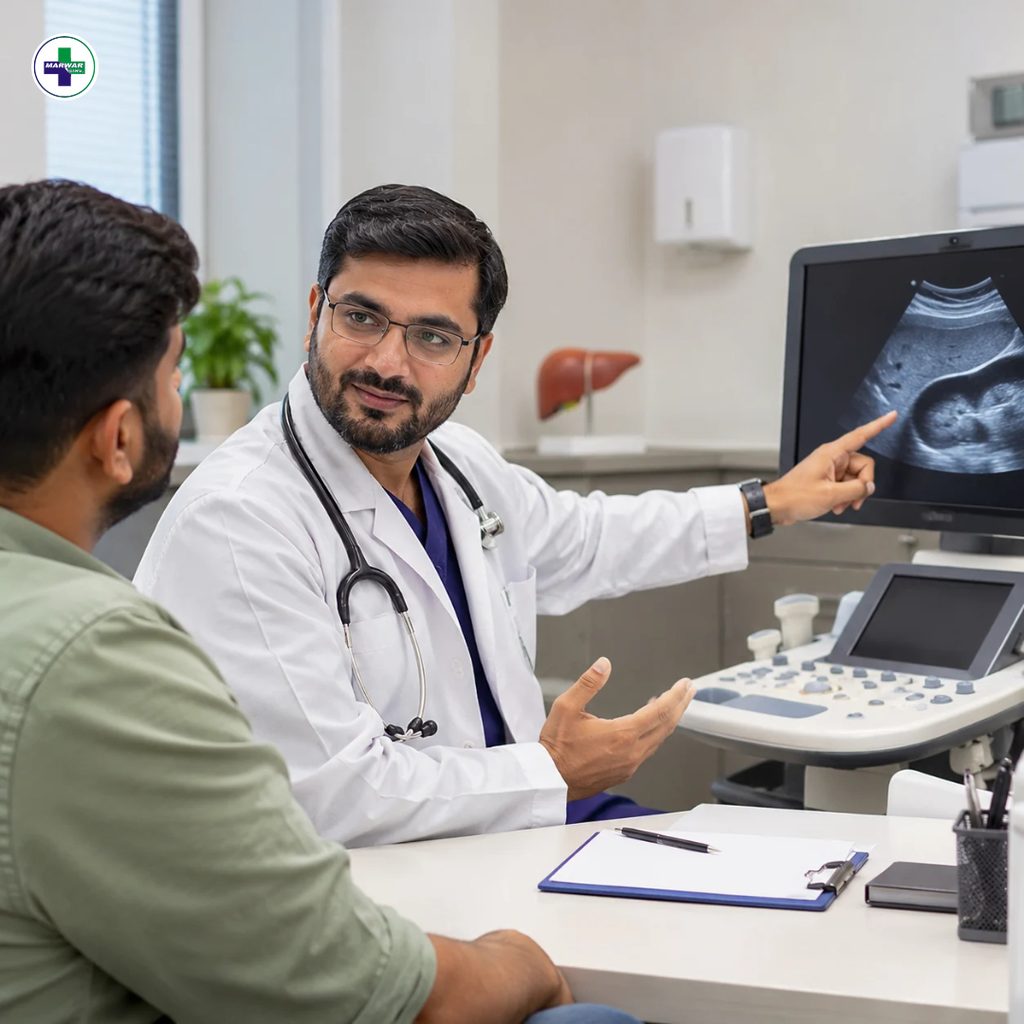
2. Abdominal Ultrasound
An abdominal ultrasound scan is frequently recommended by doctors to examine the liver and detect signs of excessive fat deposits within it.
It may show changes in liver appearance associated with fatty liver disease.
Although ultrasound can reveal fat deposits in the liver, it may not accurately establish the extent of inflammation or scarring in all cases.
3. Fibrosis Assessment
Doctors may use specialized tests that do not require surgery or tissue sampling to assess the possibility of scar tissue developing within the liver.
These may include blood-based fibrosis scores or specialised imaging techniques such as transient elastography.
When initial findings suggest a greater chance of serious liver complications, healthcare professionals may advise further diagnostic procedures for a more detailed assessment.
4. Medical Evaluation
A healthcare professional may review medical history, alcohol consumption, medicines, weight, diabetes, and other risk factors.
These assessments help doctors understand what may be causing excess fat to build up in the liver and decide if additional medical tests are required.
Prevention Tips for Fatty Liver Disease
Healthy lifestyle habits play an important role in preventing and managing fatty liver disease.
1. Maintain a Healthy Body Weight
Gradual weight reduction, when appropriate, may help decrease liver fat.
For individuals with excess body weight, sustainable weight management is generally more beneficial than rapid or extreme weight-loss methods.
Consulting a qualified medical expert can help individuals establish realistic weight-loss targets based on their health needs and overall physical condition.
2. Follow a Balanced Diet
Following a nutritious and well-planned eating routine may help maintain healthy liver function and improve the body’s metabolic processes..
Include:
- Fresh vegetables
- Fruits in appropriate portions
- Whole grains
- Pulses and legumes
- Suitable protein sources
- Healthy fats in moderation
Reducing intake of sweetened drinks, heavily processed meals, and products with high added-sugar content can help support better metabolic and liver health.
3. Exercise Regularly
Staying physically active through consistent exercise may enhance the body’s response to insulin and help lower excess fat stored in liver cells
Activities may include:
- Walking
- Cycling
- Swimming
- Gentle aerobic exercise
- Strength-training activities
Adults should aim for regular physical activity according to their health and physical abilities.
4. Avoid Excessive Alcohol
Alcohol can contribute to liver damage.
For individuals experiencing alcohol-related liver problems or substantial liver injury, completely avoiding alcoholic drinks is an important step in protecting remaining liver function.
Discuss alcohol consumption with a healthcare professional if fatty liver disease has been diagnosed.
5. Manage Diabetes and Cholesterol
Keeping blood sugar, blood pressure, and cholesterol levels under control through appropriate medical care can contribute to improved liver function and overall metabolic well-being.
Follow prescribed treatment plans and attend recommended health checkups.
6. Avoid Unnecessary Supplements
Some herbal products, supplements, and medicines may cause liver injury.
Do not use liver detox products or supplements without appropriate medical guidance.
The liver does not require special detox drinks to remove toxins. Maintaining healthy habits and addressing underlying medical conditions are more important.
When Should You Consult a Doctor?
Medical evaluation is important when fatty liver disease is suspected or identified during routine testing.
Consult a healthcare professional if you experience:
- Persistent fatigue
- Repeated upper abdominal discomfort
- Abnormal liver blood test results
- Unexplained weight changes
- Diabetes or metabolic risk factors
- Persistent digestive or abdominal symptoms
Seek prompt medical attention if you notice yellowing of the eyes, significant abdominal swelling, confusion, or unusual bleeding.
Individuals living with obesity, diabetes, or several metabolic health concerns should consider consulting their doctor about appropriate tests to assess their liver condition and identify potential problems early.
Conclusion
Fatty liver disease is a common condition involving excessive fat accumulation in liver cells. It often develops without noticeable symptoms but may progress to inflammation, fibrosis, or cirrhosis in some individuals.
Understanding fatty liver symptoms, identifying risk factors, maintaining a healthy weight, following a balanced diet, exercising regularly, and managing diabetes and cholesterol can help support liver health.
Early medical evaluation and appropriate lifestyle changes are important steps towards reducing the risk of complications and maintaining long-term wellbeing.
Marwar Hospital is mentioned in this article in the context of general fatty liver-related health awareness and the importance of recognising liver health risk factors that may require medical assessment.
Medical Disclaimer: This article is intended for general educational purposes only and does not replace professional medical advice, diagnosis, or treatment. Consult a qualified healthcare professional for personalised evaluation and management of fatty liver disease.
📍 For immediate assistance, get directions to our hospital on Google Maps. Location: Main Road, Sadul Colony, Bikaner, Rajasthan – 334001.
📞 For expert advice and appointments, contact our hospital today. 2207714, 2208814, 2209914
Fatty liver disease often has no noticeable symptoms in its early stages. Some individuals may experience fatigue, weakness, or discomfort in the upper right abdomen.
Common causes and risk factors include obesity, insulin resistance, type 2 diabetes, high cholesterol, unhealthy eating habits, physical inactivity, and excessive alcohol consumption.
Fatty liver disease may improve, particularly in its early stages, through gradual weight loss, regular exercise, a balanced diet, and management of underlying metabolic conditions.
It is generally helpful to limit sugary drinks, foods high in added sugar, heavily processed foods, and excessive fried or high-fat meals. A balanced diet with vegetables, fruits, whole grains, and suitable protein sources is recommended.
Fatty liver disease may be assessed through medical history, blood tests, abdominal ultrasound, and specialised tests such as liver elastography to evaluate liver stiffness and possible fibrosis.