
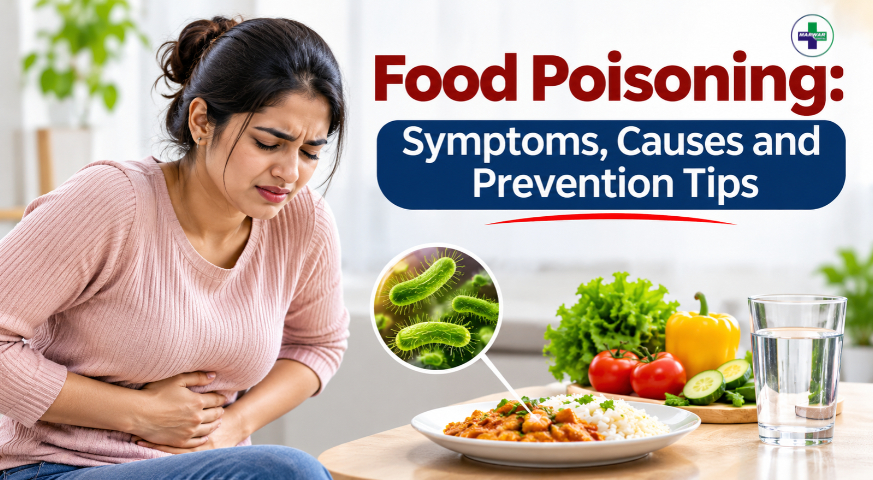
Food poisoning is a common illness caused by consuming food or drinks contaminated with harmful bacteria, viruses, or toxins. It can affect individuals of any age and may lead to symptoms such as nausea, vomiting, diarrhea, abdominal cramps, and fever.In many cases, symptoms improve within a few days, but certain infections can lead to serious complications, particularly in children, older adults, pregnant women, and individuals with weakened immune systems.
Food poisoning often develops after eating improperly stored food, contaminated water, undercooked meals, or food prepared under unhygienic conditions. Understanding the causes, recognising early symptoms, and following appropriate prevention practices can help reduce the risk of foodborne illnesses.
What Is Food Poisoning?
Food poisoning, also known as foodborne illness, occurs when contaminated food or water introduces harmful microorganisms or toxins into the digestive system.
These contaminants may include bacteria, viruses, parasites, or harmful substances produced by microorganisms.Food contamination can occur at different stages, including food preparation, cooking, storage, transportation, and handling, allowing harmful microorganisms to enter and contaminate food.
Food poisoning may develop within a few hours after eating contaminated food or take several days, depending on the organism responsible.
The intensity of symptoms may differ among individuals, depending on factors such as the type of contamination, the amount of contaminated food consumed, and the person’s overall health. Some individuals experience mild stomach discomfort, while others may develop severe dehydration or complications requiring medical attention.
Common Symptoms of Food Poisoning
Food poisoning symptoms can vary depending on the cause, the amount of contamination, and the individual’s health.
1. Nausea
Feeling nauseous is often among the initial signs of food poisoning, frequently occurring before other digestive symptoms appear.
A person may feel an uncomfortable sensation in the stomach, reduced appetite, or an urge to vomit. Nausea may occur before other digestive symptoms appear.
2. Vomiting
Vomiting may develop when the digestive system reacts to contaminated food or toxins.
Repeated vomiting can make it difficult to retain fluids and may increase the risk of dehydration.
If vomiting continues frequently or prevents a person from drinking enough water, medical evaluation is important.
3. Diarrhoea
Diarrhoea is another common symptom of food poisoning.
It involves frequent loose or watery stools and may occur several times during the day.
Depending on the infection, diarrhoea may sometimes contain blood or mucus. Bloody diarrhoea requires medical assessment because it can indicate a more serious infection.
4. Stomach Pain and Abdominal Cramps
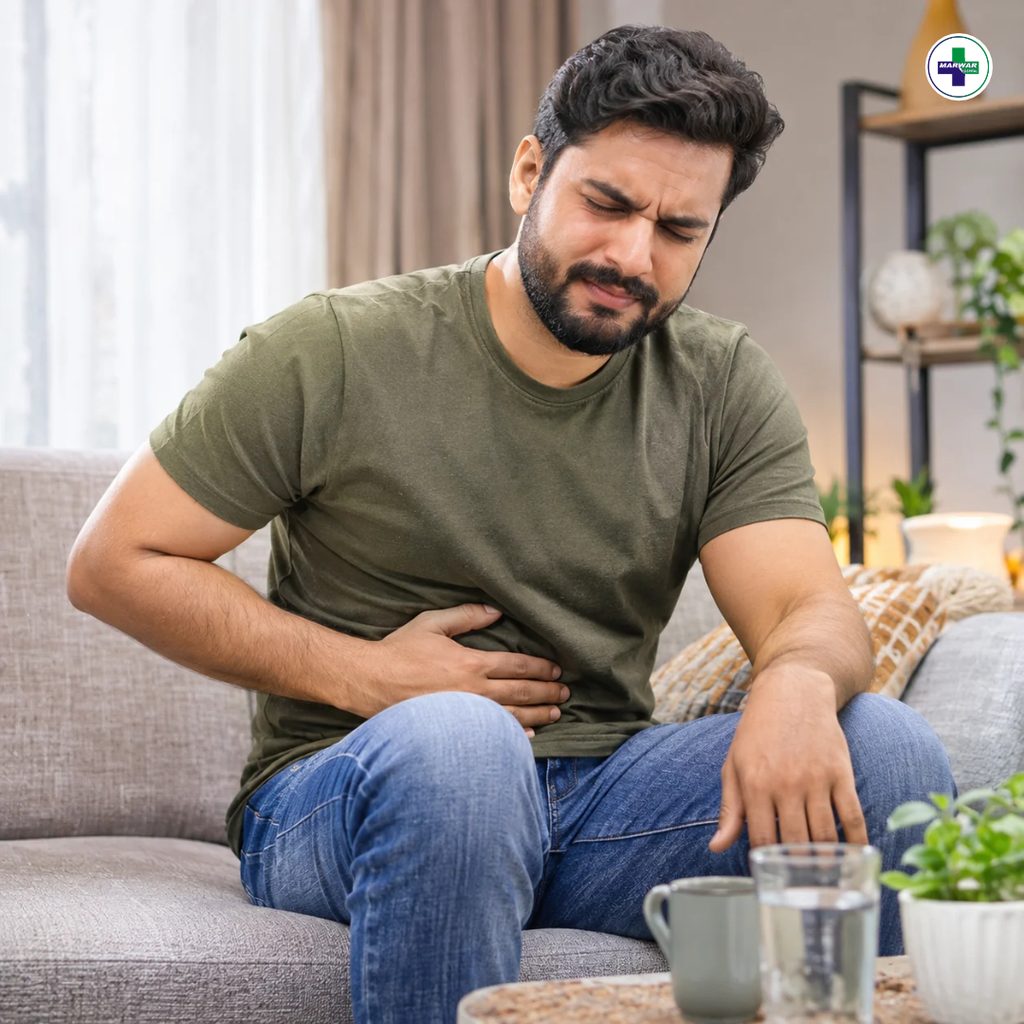
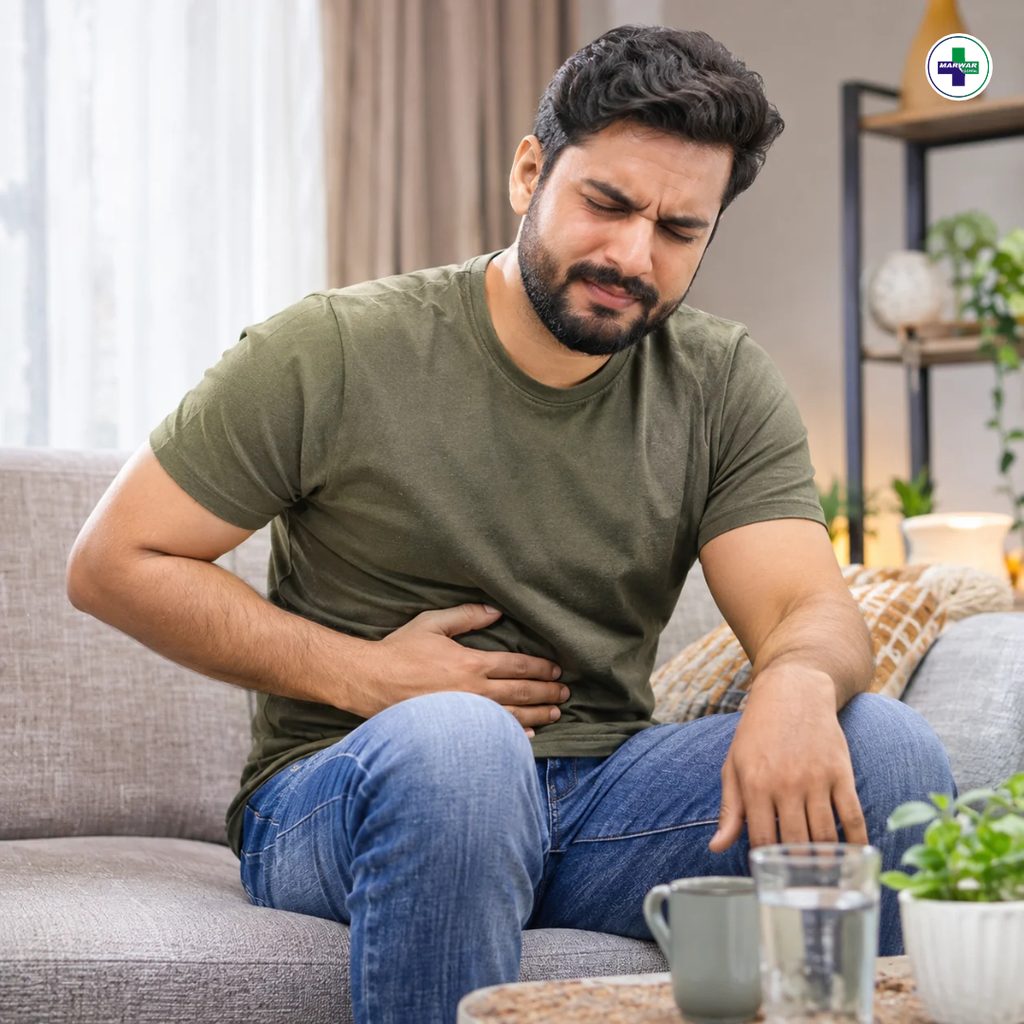
Food poisoning may cause abdominal discomfort, bloating, or painful stomach cramps.
The pain can occur before, during, or after episodes of diarrhoea. Some individuals experience mild discomfort, while others develop more intense cramps.
Severe or persistent abdominal pain should not automatically be assumed to be food poisoning.
5. Fever
Certain foodborne infections may cause fever.
A person may experience chills, body aches, or general weakness along with digestive symptoms.
High fever, particularly when accompanied by severe diarrhoea or dehydration, requires prompt medical attention.
6. Weakness and Fatigue
Vomiting and diarrhoea can cause the body to lose fluids and electrolytes.
As a result, individuals may feel tired, weak, dizzy, or less energetic than usual.
These symptoms may become more noticeable when dehydration develops.
What Causes Food Poisoning?
Food poisoning develops when food or drinking water becomes contaminated with disease-causing microbes or harmful substances, which can trigger illness after consumption.
Several factors may contribute to foodborne illness.
1. Bacterial Contamination
Certain bacteria can cause food poisoning when contaminated food is consumed.
Common examples include:
- Salmonella
- Escherichia coli (E. coli)
- Campylobacter
- Staphylococcus aureus
- Clostridium perfringens
These bacteria may contaminate raw meat, poultry, eggs, dairy products, vegetables, or prepared meals.
Some bacteria produce toxins that can cause symptoms even when the bacteria themselves are no longer present in the food.
2. Viral Infections
Viruses can also cause foodborne illness.
Norovirus is a common cause of gastrointestinal illness and can spread through contaminated food, water, surfaces, or contact with infected individuals.
Poor hand hygiene during food preparation can contribute to the spread of these infections.
3. Contaminated Drinking Water
Unsafe drinking water may contain microorganisms responsible for digestive infections.
Water contamination can occur due to inadequate sanitation, sewage leakage, or improper water storage.
Using safe drinking water and maintaining clean storage containers can help reduce this risk.
4. Improper Food Storage
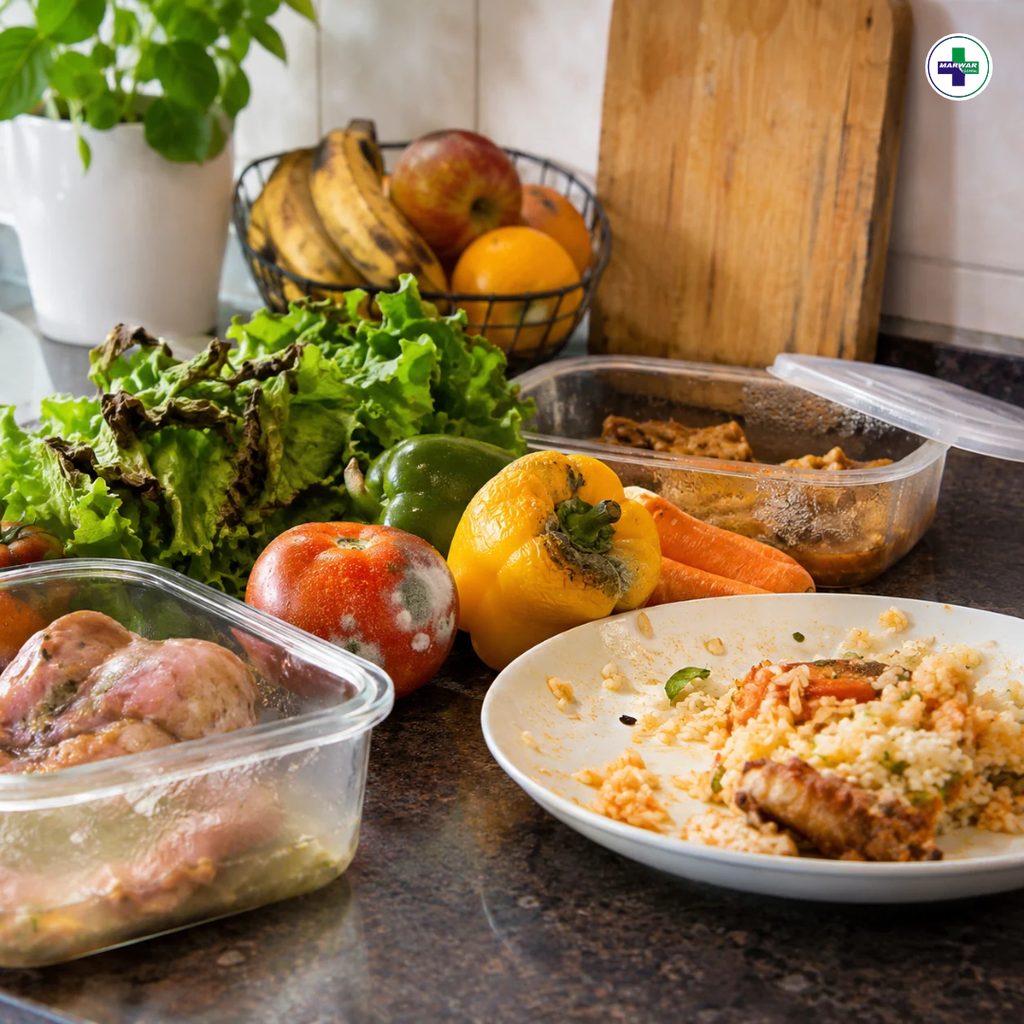
Food stored at unsuitable temperatures may allow harmful microorganisms to multiply.
Leaving cooked food at room temperature for extended periods, storing perishable items improperly, or repeatedly reheating food without appropriate handling may increase the risk of contamination.
Refrigeration slows the growth of many bacteria but does not make contaminated food safe.
5. Undercooked Food
Food that has not been cooked thoroughly may contain harmful microorganisms.
Eating meat, poultry, seafood, or eggs that are not thoroughly cooked may raise the chances of developing foodborne illnesses due to harmful pathogens present in these foods.
Proper cooking and avoiding cross-contamination are important food safety practices.
6. Poor Food Hygiene
Food poisoning may occur when food is prepared or served under unhygienic conditions.
Examples include:
- Not washing hands before cooking
- Using dirty utensils
- Preparing food on contaminated surfaces
- Handling raw and cooked food with the same equipment
- Consuming unwashed fruits or vegetables
- Using contaminated water during food preparation
Maintaining cleanliness throughout food preparation can significantly reduce contamination risks.
How Is Food Poisoning Treated?
Treatment depends on the severity of symptoms, the underlying cause, and the patient’s overall health.
Many mild cases improve with supportive care. However, some infections require medical evaluation, laboratory testing, or specific treatment.
1. Maintain Proper Hydration
Hydration is one of the most important aspects of managing food poisoning.
Vomiting and diarrhoea can cause significant fluid and electrolyte loss.
Oral Rehydration Solution (ORS) supports hydration by replenishing fluids and essential electrolytes lost through vomiting or diarrhoea.It is particularly useful when diarrhoea or vomiting causes dehydration.
If nausea makes it difficult to drink, consuming fluids in small amounts at regular intervals may help improve tolerance.
In cases of significant dehydration, medical treatment may involve administering fluids intravenously (IV) under healthcare supervision.
2. Eat Suitable Foods
Once a person can tolerate food, eating small portions of easily tolerated meals may help maintain energy.
Suitable options may include rice, bananas, toast, potatoes, soups, or other simple foods that do not worsen symptoms.
Avoid forcing food during severe nausea. Resume a normal balanced diet gradually as appetite improves.
3. Medicines When Required
Certain medicines may be recommended depending on the symptoms and cause.
Treatment may include:
- Medicines for nausea and vomiting
- Medicines for selected cases of diarrhoea
- Antibiotics for specific bacterial infections when medically indicated
- Intravenous fluids for severe dehydration
Antibiotics are not necessary for every case of food poisoning. Many foodborne illnesses are caused by viruses or toxins, and inappropriate antibiotic use may cause harm.
Some anti-diarrhoeal medicines may be unsuitable when diarrhoea is accompanied by fever or blood in the stool.
Avoid self-medication and consult a qualified healthcare professional before using medicines.
Food Poisoning Prevention Tips
Preventing food poisoning begins with safe food preparation, storage, and personal hygiene.
1. Wash Hands Properly
Wash your hands with soap and clean water:
- Before preparing food
- Before eating
- After using the toilet
- After handling raw meat or poultry
- After touching garbage
- After caring for someone with vomiting or diarrhoea
Proper handwashing helps reduce the spread of harmful microorganisms.
2. Cook Food Thoroughly
Ensure that meat, poultry, seafood, and eggs are cooked properly.
Avoid eating raw or undercooked animal products, particularly when food safety cannot be verified.
Use a food thermometer when available to confirm that foods reach safe internal cooking temperatures.
3. Store Food Safely
Refrigerate perishable foods promptly.
Avoid leaving cooked meals at room temperature for extended periods. Follow appropriate refrigeration and reheating practices.
Discard food that has been stored unsafely or shows signs of spoilage. However, remember that contaminated food may look and smell normal.
4. Avoid Cross-Contamination
Keep raw meat, poultry, seafood, and eggs separate from ready-to-eat foods.
Use separate cutting boards and utensils when possible.
Clean kitchen surfaces after preparing raw ingredients, and avoid placing cooked food on plates that previously held raw meat.
5. Drink Safe Water
Use safe drinking water for drinking, cooking, washing fruits, and preparing beverages.
When water safety is uncertain, use an appropriate water treatment method, such as boiling or a suitable purification system.
Keep drinking water containers clean and covered.
6. Wash Fruits and Vegetables
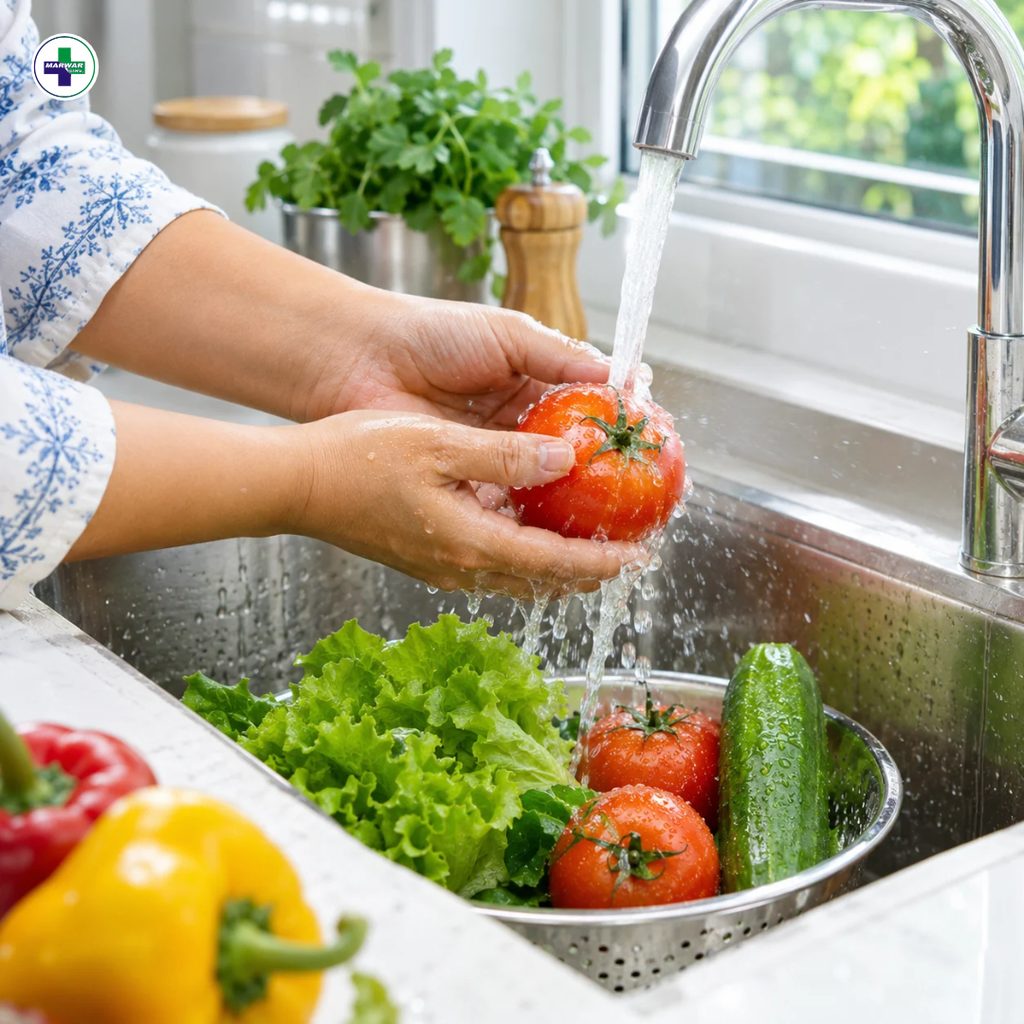
Wash fruits and vegetables thoroughly under clean running water before eating or preparing them.
Avoid consuming produce that has been handled or stored under unhygienic conditions.
7. Choose Food Carefully Outside the Home
When eating outside, choose establishments that maintain good hygiene and prepare food properly.
Avoid food that has been left uncovered, handled unsafely, or stored at inappropriate temperatures.
Freshly prepared, thoroughly cooked food is generally a safer choice than food that has been sitting out for a long time.
Who Is at Greater Risk of Food Poisoning Complications?
Food poisoning can affect anyone, but certain groups may be more vulnerable to severe illness.
These include:
- Young children
- Older adults
- Pregnant women
- People with weakened immune systems
- Individuals with certain chronic medical conditions
In these groups, dehydration and some foodborne infections may become serious more quickly.
Extra attention to food hygiene, safe drinking water, and early medical assessment is particularly important.
When Should You Seek Medical Attention?
Medical evaluation is important when food poisoning symptoms are severe, persistent, or associated with warning signs.
Seek medical advice if you experience:
- Frequent vomiting that prevents fluid intake
- Persistent diarrhoea
- Bloody stools
- High fever
- Severe abdominal pain
- Reduced urine output
- Dizziness or fainting
- Excessive weakness
- Signs of dehydration
Seek urgent medical attention for confusion, fainting, severe dehydration, or other serious symptoms.
Children, older adults, pregnant women, and individuals with underlying medical conditions should seek medical advice earlier if symptoms develop.

Conclusion
Food poisoning is a common foodborne illness that may cause nausea, vomiting, diarrhoea, stomach cramps, fever, and weakness. It often develops after consuming contaminated food or water, improperly stored meals, or food prepared under unhygienic conditions.
Understanding food poisoning symptoms, maintaining hydration, following safe food preparation practices, and recognising warning signs can help reduce the risk of complications.
Good hand hygiene, proper cooking, safe food storage, and clean drinking water are important measures for preventing foodborne illnesses.
Marwar Hospital is mentioned in this article in the context of general food poisoning awareness and the importance of recognising symptoms that may require medical assessment.
Medical Disclaimer: This article is intended for general educational purposes only and does not replace professional medical advice, diagnosis, or treatment. Consult a qualified healthcare professional if symptoms are severe, persistent, or associated with signs of dehydration or other complications.
Add a stronger Marwar Hospital call to actionMake the treatment section more concise
📍 For immediate assistance, get directions to our hospital on Google Maps. Location: Main Road, Sadul Colony, Bikaner, Rajasthan – 334001.
📞 For expert advice and appointments, contact our hospital today. 2207714, 2208814, 2209914
Common symptoms of food poisoning include nausea, vomiting, diarrhoea, abdominal cramps, fever, and weakness.
Food poisoning is commonly caused by consuming food or water contaminated with harmful bacteria, viruses, parasites, or toxins.
Most mild cases of food poisoning improve within a few days, although some infections may last longer.
Food poisoning can be prevented by washing hands properly, cooking food thoroughly, storing food safely, drinking clean water, and maintaining proper food hygiene.
You should visit a hospital if you experience persistent vomiting, bloody diarrhoea, high fever, severe abdominal pain, or signs of dehydration.