

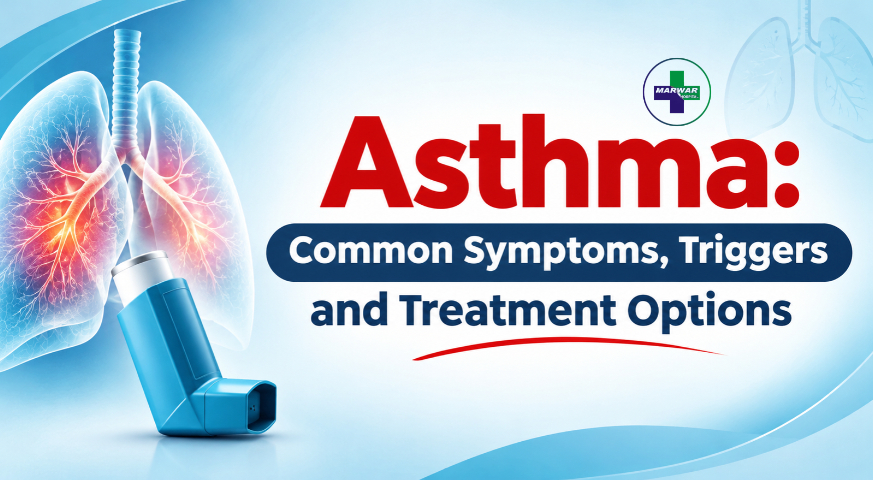
Asthma is a chronic respiratory condition that affects the airways and can make breathing difficult. It occurs when the airways become inflamed, sensitive, and narrowed in response to certain triggers. People with asthma may experience wheezing, coughing, chest tightness, and shortness of breath. These symptoms can vary in severity and may occur occasionally or repeatedly.
Asthma can affect children as well as adults. Although it cannot always be completely cured, appropriate treatment, regular monitoring, and lifestyle adjustments can help control symptoms and support better respiratory health.
Understanding asthma symptoms, identifying common triggers, and knowing the available treatment options are important steps towards managing the condition effectively.
What Is Asthma?
Asthma is a long-term respiratory condition in which the airways become inflamed and overly sensitive, sometimes reacting to environmental triggers or physical activities that can make breathing difficult.
During an asthma episode, several changes can occur:
- The muscles surrounding the airways tighten.
- The airway lining becomes inflamed.
- Additional mucus may be produced.
- The passage through which air moves becomes narrower.
These airway changes may restrict the normal flow of air, making it especially difficult to breathe out.
Asthma symptoms may improve between episodes, but airway inflammation and sensitivity can remain present even when a person feels completely normal.
Common Symptoms of Asthma
Asthma symptoms may differ from person to person. Some individuals experience occasional mild symptoms, while others have frequent episodes that interfere with sleep, exercise, or daily activities.
1. Wheezing
Wheezing is a common asthma symptom.
It produces a whistling sound during breathing, particularly when breathing out. Wheezing occurs when air moves through narrowed airways.
Although wheezing is frequently associated with asthma, it can also occur in other respiratory conditions.
2. Shortness of Breath
People with asthma may feel that they cannot breathe comfortably or obtain enough air.
Breathlessness can occur during exercise, after contact with asthma triggers, or when asthma symptoms suddenly worsen.
Some individuals experience breathlessness at night or early in the morning.
3. Persistent Cough
Asthma can cause repeated coughing, particularly at night, during exercise, or after exposure to cold air.
Sometimes, coughing may be the main symptom without noticeable wheezing.
A persistent cough should be medically evaluated because several respiratory conditions can cause similar symptoms.

4. Chest Tightness
Chest tightness may feel like pressure, squeezing, or heaviness in the chest.
It can occur alongside coughing, wheezing, or difficulty breathing.
Chest discomfort should not automatically be assumed to be asthma, especially when it is new, severe, or associated with other concerning symptoms.
5. Night-Time Symptoms
Asthma symptoms may become worse during the night.
Some people with asthma may experience coughing, wheezing, or difficulty breathing at night, which can disturb their sleep.
Frequent night-time symptoms may indicate that asthma is not adequately controlled and should be discussed with a healthcare professional.
Common Asthma Triggers
Asthma triggers vary between individuals. Recognising individual asthma triggers can help people avoid potential irritants and manage their symptoms more effectively.
1. Dust and Dust Mites
Household dust and dust mites can worsen asthma symptoms in people who are sensitive to these allergens.
These microscopic organisms are often found in mattresses, pillows, bedding, carpets, and soft furnishings.
Regular cleaning, reducing dust buildup, and keeping sleeping areas clean may help minimise exposure and improve asthma symptom management.
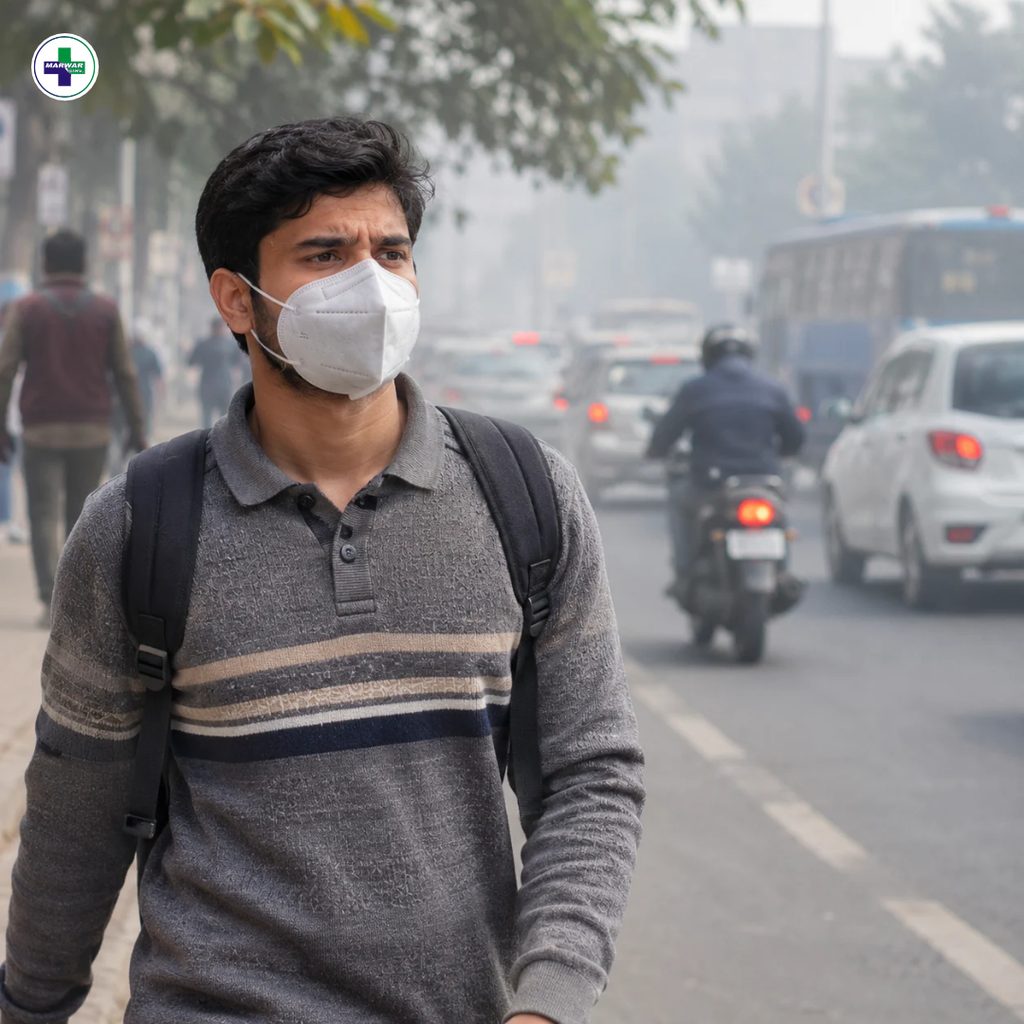
2. Air Pollution and Smoke
Exposure to polluted air can irritate the respiratory system, increase airway inflammation, and worsen breathing difficulties in people with asthma.
Exposure to vehicle emissions, industrial pollution, smoke, and poor air quality may increase the risk of asthma flare-ups.
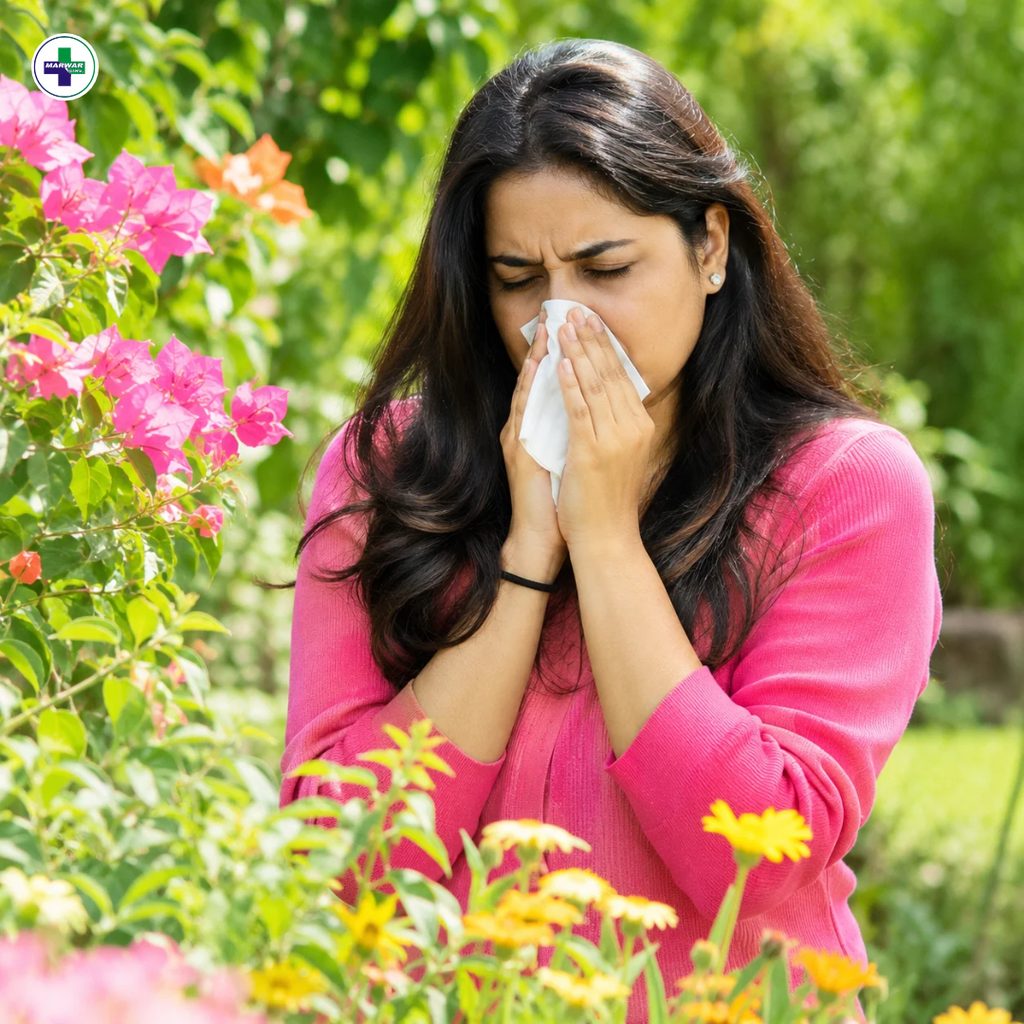
3. Pollen and Allergens
Pollen from trees, grasses, and plants may trigger asthma symptoms in individuals with allergies.
Other allergens, including mould and animal dander, may also contribute to respiratory irritation.
People with allergic asthma may benefit from identifying relevant allergens through medical evaluation.
4. Respiratory Infections
Common respiratory infections, including viral infections, may worsen asthma.
Colds, influenza, and other respiratory illnesses can increase airway inflammation and sensitivity.
Following appropriate preventive measures and discussing recommended vaccinations with a healthcare professional may help reduce infection-related complications.
5. Physical Activity
Exercise can sometimes trigger asthma symptoms, particularly when the condition is not adequately controlled.
Physical exertion may cause symptoms such as coughing, wheezing, chest discomfort, and shortness of breath in some individuals with asthma.
Despite this, regular exercise can support overall health, and with proper medication and a doctor’s advice, people with asthma can remain physically active safely.
6. Weather Changes
Cold air, sudden temperature changes, and dry air may trigger symptoms in some individuals.
Breathing in chilly air during outdoor activities may irritate sensitive respiratory passages and trigger asthma-related discomfort.
Taking appropriate measures in cold weather and adhering to a prescribed asthma care routine can help prevent symptom flare-ups.
7. Strong Smells and Chemical Irritants
Perfumes, cleaning products, paint fumes, and other strong chemical smells may irritate the airways.
Exposure to certain substances may cause asthma symptoms in sensitive individuals, particularly those with reactive airways.
Avoiding strong perfumes, chemical fumes, and other irritating substances may help lower the risk of asthma flare-ups.
Different Types of Asthma
Asthma may be described according to its triggers, associated conditions, or clinical characteristics.
1. Allergic Asthma
Allergic asthma occurs when exposure to allergens triggers airway inflammation.
Common allergens include pollen, dust mites, mould, and animal dander.
People with allergic asthma may also experience allergic rhinitis, sneezing, or itchy eyes.
2. Non-Allergic Asthma
Non-allergic asthma may be triggered by factors such as respiratory infections, stress, cold air, air pollution, or exercise.
Symptoms can occur even when a person does not have an identifiable allergy.
3. Exercise-Induced Bronchoconstriction
Exercise-induced bronchoconstriction refers to narrowing of the airways during or after physical activity.
It may occur in people with asthma and sometimes in individuals without an established asthma diagnosis.
4. Occupational Asthma
Occupational asthma may develop or worsen due to exposure to substances in the workplace.
Examples include certain chemicals, industrial dust, fumes, and other respiratory irritants.
Symptoms may improve during periods away from the workplace and worsen after returning to exposure.
Effective Treatment Options for Asthma
Asthma treatment aims to control airway inflammation, relieve symptoms, prevent flare-ups, and maintain normal daily activities.
Treatment depends on symptom frequency, severity, medical history, and response to medicines.
1. Inhalers
Inhalers are among the most important treatments for asthma.
They deliver medication directly into the airways.
Different inhalers serve different purposes.
Reliever inhalers: These help provide rapid relief from airway narrowing during symptoms.
Controller inhalers: These reduce airway inflammation and help prevent asthma symptoms and flare-ups.
Inhaled corticosteroids are a key component of asthma treatment for many patients.
Some treatment plans combine inhaled corticosteroids with other medicines, depending on individual needs.
The appropriate inhaler and treatment schedule should be determined by a qualified healthcare professional.

2. Correct Inhaler Technique
Using an inhaler correctly is essential for effective treatment.
Incorrect technique may prevent adequate medication from reaching the lungs.
Healthcare professionals can demonstrate the correct inhaler technique and recommend a spacer when appropriate.
Patients should periodically review their technique, particularly when symptoms remain uncontrolled.
3. Oral Medicines
Certain oral medicines may be recommended for selected asthma patients.
These may include leukotriene receptor antagonists or other medicines used as part of an individual treatment plan.
Oral corticosteroids may be prescribed for selected severe exacerbations, but they are not intended for routine unsupervised use.
Medication choices depend on the patient’s condition and medical history.
4. Biologic Treatments
Some individuals with severe asthma may benefit from specialised biologic treatments.
These medicines target particular pathways involved in airway inflammation.
Biologic therapy is generally considered after detailed assessment when asthma remains uncontrolled despite appropriate standard treatment.
5. Asthma Action Plan
An asthma action plan helps individuals understand how to manage their symptoms.
It may include:
- Daily prescribed medicines
- Instructions for worsening symptoms
- Guidance on reliever medication
- Warning signs requiring medical attention
- Emergency instructions
Having a personalised asthma action plan can help patients respond appropriately to changing symptoms.
Lifestyle Tips for Managing Asthma
Healthy habits and appropriate environmental adjustments can support asthma management.
Avoid smoking: Tobacco smoke can irritate airways and worsen asthma.
Identify personal triggers: Keeping track of symptoms and possible exposures may help identify patterns.
Maintain a clean environment: Reduce dust and avoid unnecessary exposure to irritants.
Stay physically active: Regular activity supports general health when asthma is appropriately controlled.
Follow prescribed treatment: Use inhalers according to medical instructions, even when symptoms improve.
Attend regular checkups: Monitoring helps assess asthma control and determine whether treatment adjustments are needed.
Avoid unnecessary medication changes: Do not stop controller inhalers or change prescribed treatment without consulting a healthcare professional.

When Should You Seek Medical Attention?
Medical evaluation is important when asthma symptoms become frequent or interfere with normal activities.
Consult a healthcare professional if you experience:
- Repeated wheezing
- Frequent coughing at night
- Breathlessness during ordinary activities
- Increasing use of reliever inhalers
- Persistent chest tightness
- Symptoms that do not improve with prescribed treatment
Asthma Emergency Warning Signs
A severe asthma attack can become life-threatening.
Seek emergency medical attention if a person experiences:
- Severe difficulty breathing
- Inability to speak complete sentences
- Blue or grey lips
- Severe chest tightness
- Confusion or unusual drowsiness
- Little or no improvement after using prescribed rescue medication
Do not delay emergency care while waiting for symptoms to improve.
How Is Asthma Diagnosed?
Asthma diagnosis generally involves medical history, symptom assessment, and lung function testing.
A healthcare professional may recommend spirometry to measure how much air a person can breathe out and how quickly it moves.
Additional tests may include:
- Bronchodilator response testing
- Peak expiratory flow measurement
- Allergy testing when appropriate
- FeNO testing in selected cases
Diagnosis may require repeated assessment because asthma symptoms can vary over time.
Conclusion
Asthma is a chronic respiratory condition that causes airway inflammation and narrowing, resulting in symptoms such as wheezing, coughing, shortness of breath, and chest tightness.
Recognising common asthma triggers, using prescribed inhalers correctly, following an asthma action plan, and attending regular medical checkups can help improve symptom control and reduce flare-ups.
Marwar Hospital is mentioned in this article in the context of general asthma-related health awareness and the importance of recognising respiratory symptoms that may require medical assessment.
Medical Disclaimer: This article is intended for general educational purposes only and does not replace professional medical advice, diagnosis, or treatment.Seek urgent medical attention for severe breathing difficulty or symptoms of a serious asthma attack.
📍 For immediate assistance, get directions to our hospital on Google Maps. Location: Main Road, Sadul Colony, Bikaner, Rajasthan – 334001.
📞 For expert advice and appointments, contact our hospital today. 2207714, 2208814, 2209914
Common asthma symptoms include wheezing, shortness of breath, persistent coughing, chest tightness, and difficulty breathing, especially at night or during physical activity.
Common asthma triggers include dust mites, air pollution, smoke, pollen, respiratory infections, cold air, physical activity, and strong perfumes or chemical irritants.
Asthma is a chronic respiratory condition that cannot always be completely cured. However, appropriate treatment, regular monitoring, and lifestyle adjustments can help control symptoms.
Asthma treatment may include reliever and controller inhalers, oral medicines, biologic treatments for selected patients, and a personalised asthma action plan.
Medical attention is recommended for frequent wheezing, persistent coughing, breathlessness, or symptoms that do not improve with prescribed treatment. Severe breathing difficulty, blue or grey lips, or confusion require emergency medical care.