

Clear vision plays an important role in almost every part of daily life, from reading and driving to recognizing familiar faces and enjoying everyday activities. However, as we grow older, changes in the eyes can gradually affect the quality of our vision. One of the most common causes of progressive vision problems is cataract.
A cataract develops when the normally clear natural lens inside the eye becomes cloudy. As the clouding increases, light does not pass through the lens properly, which can result in blurred or hazy vision. Cataracts usually develop gradually and may initially seem like a normal change in eyesight.
For people looking for cataract treatment in Bikaner, understanding the early symptoms, causes, diagnosis and available treatment options can help them seek appropriate eye care at the right time. At Marwar Hospital Bikaner, patients can consult an ophthalmology specialist for evaluation and guidance based on their individual eye health.
What Is a Cataract?
A cataract is a clouding of the eye’s natural lens. The lens is located behind the iris and helps focus incoming light onto the retina, allowing us to see clearly. When the lens becomes cloudy, vision may gradually become blurred, dull or hazy.
Cataracts are commonly associated with ageing, but they are not limited to older adults. Certain factors, including previous eye injuries, some medications, diabetes and other eye conditions, can contribute to cataract development at a younger age.
A cataract generally develops slowly, which means many people may not notice significant changes in their vision during its early stages. Regular eye examinations can help identify changes before they begin to interfere significantly with everyday activities.

Common Symptoms of Cataracts
Recognising cataract symptoms can encourage people to seek an eye examination before their vision problems become more disruptive.
1. Blurred or Hazy Vision
One of the most common symptoms is gradually worsening blurred vision. Objects may appear less sharp, and the world may seem as though it is being viewed through a misty or dirty window.
This blurring may initially be mild but can become more noticeable as the cataract progresses.
2. Difficulty Seeing at Night
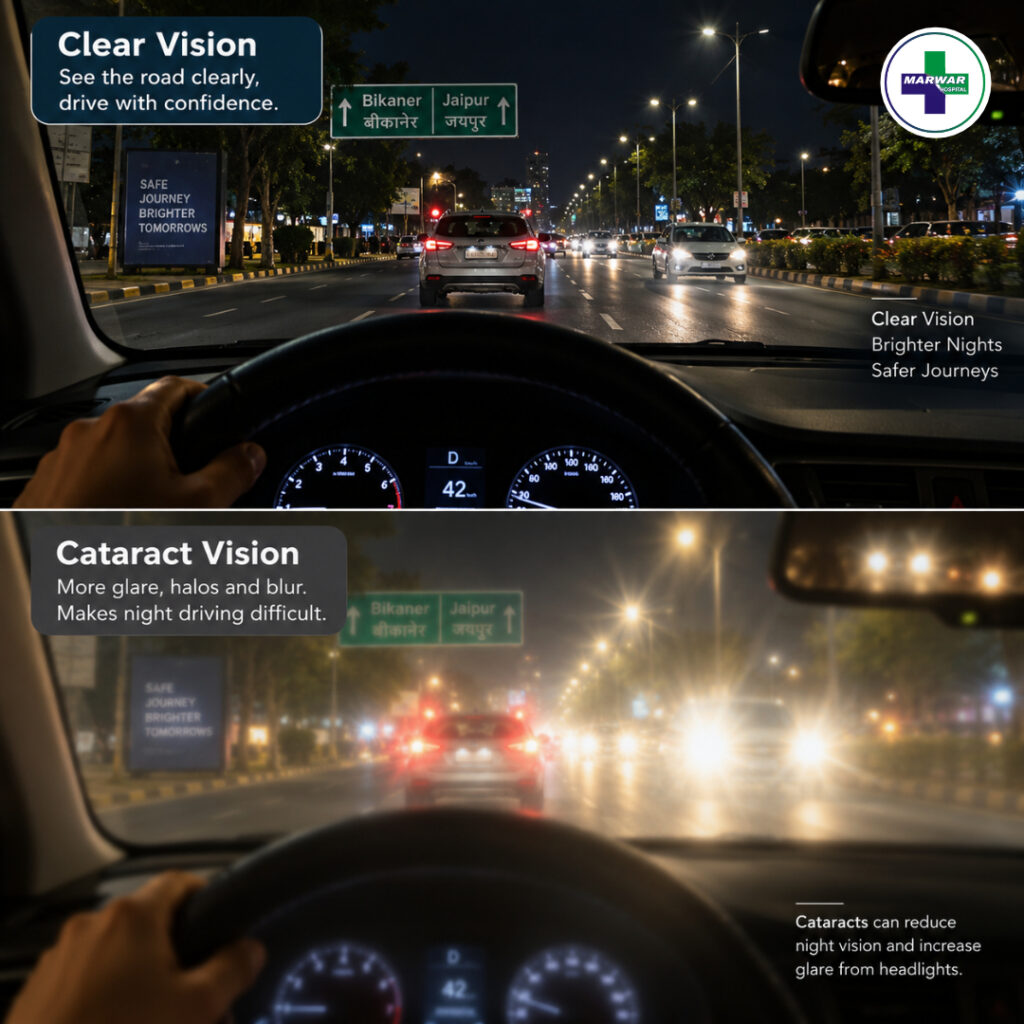
People with cataracts may experience increasing difficulty seeing in low-light conditions. Night-time driving can become particularly challenging because headlights and streetlights may appear excessively bright or distracting.
3. Increased Sensitivity to Light and Glare
Bright sunlight, vehicle headlights or indoor lighting may feel uncomfortable. Some people experience significant glare, making activities such as driving or reading more difficult.
4. Halos Around Lights
Another possible symptom is seeing rings or halos around light sources. This may become particularly noticeable at night when looking at headlights, lamps or other bright lights.
5. Faded or Dull Colours
Cataracts can affect the way colours appear. Bright colours may seem less vivid or slightly yellowish compared with how they looked previously.
6. Difficulty Reading
Even with glasses, a person may find it increasingly difficult to read books, newspapers, mobile screens or other printed material. Increasing the brightness of the light may provide temporary assistance in the early stages.
7. Frequent Changes in Glasses Prescription
Some people notice that they need to change their prescription glasses more frequently than before. While changing eyesight does not necessarily mean that someone has a cataract, it can be a reason to have a comprehensive eye examination.
8. Double Vision in One Eye
Cataracts can sometimes cause double vision or the perception of two images from one eye. This symptom should be assessed by an eye-care professional because other eye conditions can also cause double vision.
What Causes Cataracts?
Aging is one of the most common factors associated with cataracts. Over time, changes occur in the proteins and structure of the natural lens, gradually making it less transparent.
Other factors that may increase the likelihood of cataract development include:
- Increasing age
- Diabetes and certain long-term health conditions
- Previous eye injury
- Previous eye surgery
- Long-term use of certain steroid medicines
- Smoking
- Family history of cataracts
- Regular exposure to ultraviolet sunlight without adequate eye protection
- Certain existing eye conditions
Having one or more of these factors does not mean that a person will definitely develop cataracts. However, maintaining regular eye check-ups can be particularly useful for people who have increased risk factors.
How Are Cataracts Diagnosed?
If you notice changes such as blurred vision, increased glare, difficulty seeing at night or frequent changes in your glasses prescription, an eye examination is recommended.
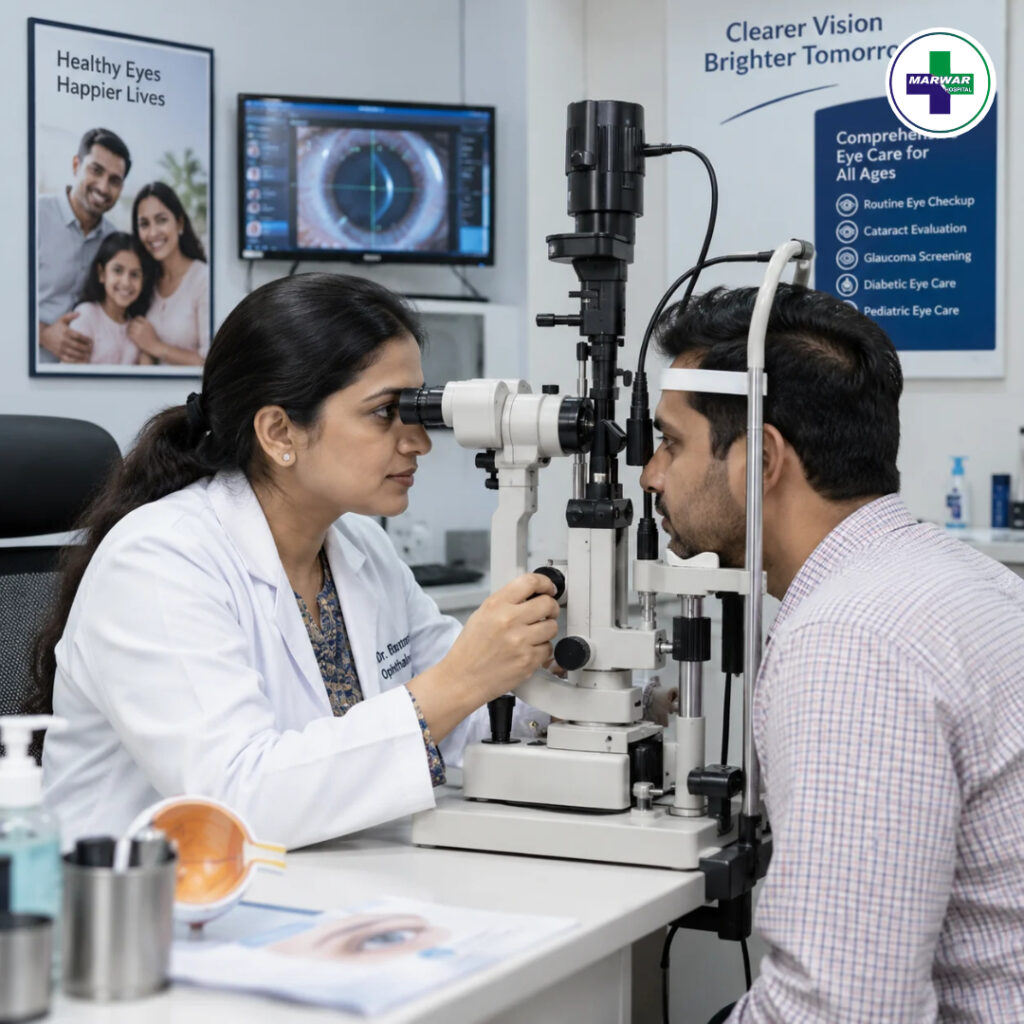
During an eye evaluation, an ophthalmologist may assess visual acuity and examine the different structures of the eye. The specialist can determine whether the vision problem is caused by a cataract or another eye condition.
A detailed assessment is especially important because blurred vision can have several causes. Conditions affecting the retina, cornea, optic nerve or other parts of the eye may produce similar symptoms.
At Marwar Hospital Bikaner, patients can discuss their symptoms with an eye specialist and undergo appropriate evaluation to understand the cause of their vision changes.
Can Cataracts Be Treated Without Surgery?
In the early stages, cataract symptoms may sometimes be managed temporarily by updating glasses, improving lighting or using visual aids. These measures can help a person continue daily activities while the cataract is not significantly affecting their quality of life.
However, these measures do not remove the cataract.
Currently, surgery is the definitive treatment for a cataract. The decision to undergo surgery generally depends on how much the cataract is affecting vision and daily activities rather than simply its presence.
When Is Cataract Surgery Recommended?
Not everyone with an early cataract needs immediate surgery. If vision remains adequate and everyday activities are not significantly affected, an ophthalmologist may recommend monitoring the condition through regular eye examinations.
Surgery may be considered when cataracts begin interfering with activities such as:
- Reading
- Driving
- Working
- Watching television
- Using a computer or mobile phone
- Recognising faces
- Walking safely in unfamiliar or poorly lit areas
- Performing routine household activities
The decision should be made after discussing your symptoms, eye health, lifestyle and expectations with an ophthalmologist.
Learn more about our expert ophthalmologist care services here.
How Is Cataract Surgery Performed?
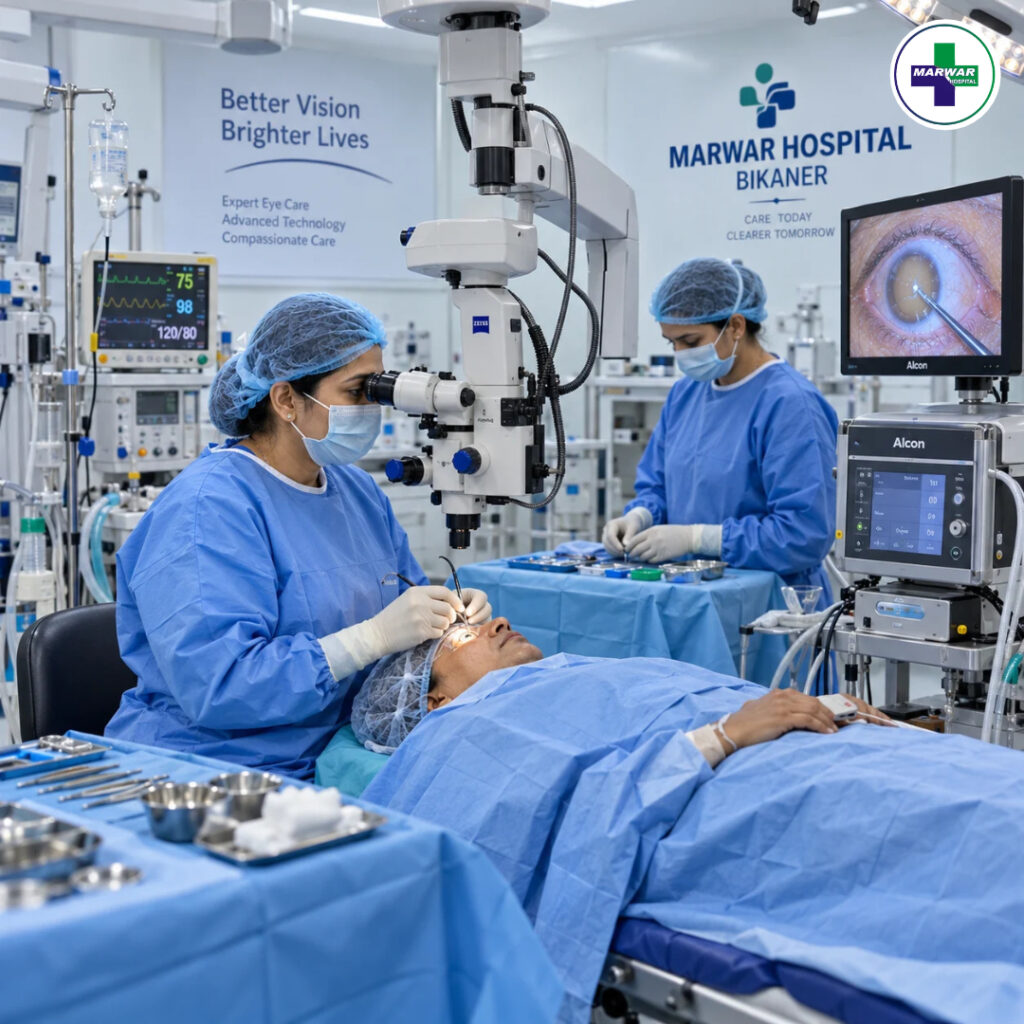
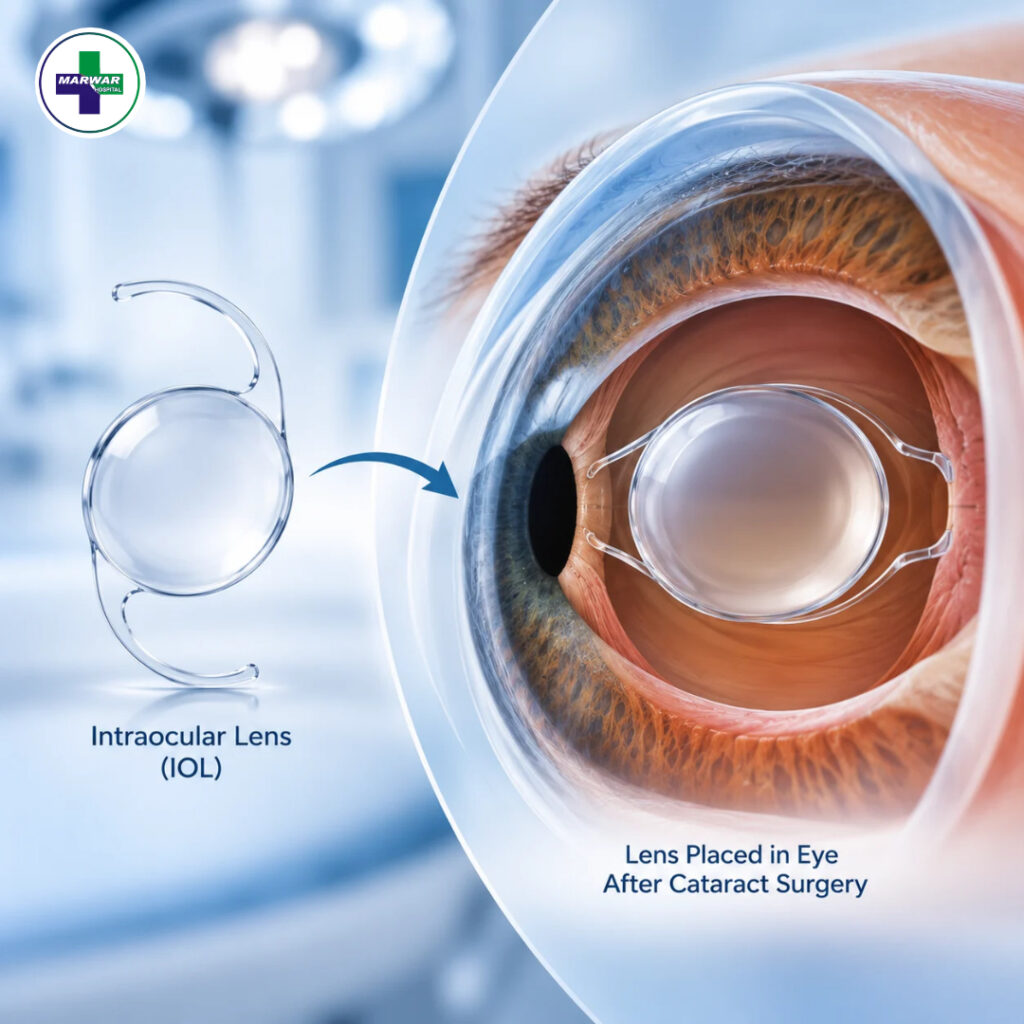
Modern cataract surgery involves removing the cloudy natural lens and replacing it with a clear artificial lens called an intraocular lens (IOL).
One commonly used surgical technique is phacoemulsification. During this procedure, a small opening is made in the eye and ultrasound energy is used to break the cloudy lens into smaller pieces. These pieces are then removed, and an appropriate artificial lens is placed inside the eye.
Cataract surgery is generally performed using local anaesthesia meaning the patient remains awake while the eye is numbed. The procedure is usually completed as day surgery, and many patients can return home on the same day.
The exact procedure and lens selection depend on the patient’s eye measurements, existing eye conditions, lifestyle and the ophthalmologist’s assessment.
Choosing the Right Intraocular Lens
An important part of cataract surgery is selecting the appropriate IOL. Before surgery, the eye is carefully measured to help determine the required focusing power of the artificial lens.
Different lens options may be available depending on the patient’s visual needs and eye condition. Some patients may still require glasses for certain activities after surgery.
The best lens option is not the same for everyone. An ophthalmologist can explain the available choices and help patients understand what may be appropriate for their individual situation.
What to Expect After Cataract Surgery
It is normal for vision to be somewhat blurry immediately after surgery. Vision usually improves as the eye heals, although the exact recovery period can vary between individuals.
Patients are generally prescribed eye drops after surgery to support healing and help reduce the risk of infection or inflammation. Following the ophthalmologist’s instructions is an important part of recovery.
During the healing period, patients may be advised to:
- Avoid rubbing or pressing the operated eye
- Use prescribed eye drops as directed
- Protect the eye as recommended
- Avoid strenuous activities until cleared by the doctor
- Avoid swimming until advised that it is safe
- Attend recommended follow-up appointments
- Avoid driving until vision has recovered sufficiently and the doctor advises it is safe
Is Cataract Surgery Safe?
Cataract surgery is a commonly performed procedure and generally has a high success rate, but like every surgical procedure, it carries potential risks. Possible complications include infection, inflammation, bleeding, retinal problems, changes in eye pressure, lens-related problems or clouding of the capsule behind the artificial lens. Serious complications are uncommon, but patients should discuss potential risks with their ophthalmologist before surgery.
Patients should also understand that having a successful cataract operation does not necessarily eliminate every vision problem. Conditions such as glaucoma, diabetic eye disease, macular degeneration or other retinal problems can continue to affect vision even after the cataract has been removed.
Can Cataracts Be Prevented?
There is no guaranteed way to prevent all cataracts, particularly those associated with ageing. However, certain healthy eye-care practices may help reduce avoidable risk factors.
Protecting the eyes from excessive ultraviolet exposure, avoiding smoking, using appropriate protective eyewear when there is a risk of eye injury and maintaining good control of conditions such as diabetes can contribute to overall eye health.
A balanced lifestyle and regular eye examinations are also valuable for identifying cataracts and other eye conditions at an appropriate stage.
When Should You Visit an Eye Specialist?
Do not ignore gradual changes in vision simply because they are painless. Cataracts often develop slowly, and people may adapt to worsening eyesight without realising how much their vision has changed.
You should consider an eye examination if you experience:
- Persistent blurred vision
- Increasing difficulty reading
- Problems seeing at night
- Glare from headlights or bright lights
- Halos around lights
- Faded colours
- Frequent changes in glasses prescription
- Difficulty performing routine activities because of vision problems
Sudden changes in vision, sudden flashes, a sudden increase in floaters or a curtain-like shadow across the field of vision require urgent medical attention because they may indicate a different, potentially serious eye problem.
Cataract Care at Marwar Hospital Bikaner
Good eye care begins with recognising changes in vision and getting them evaluated by a qualified eye specialist. If cataracts are affecting your ability to read, drive, work or enjoy everyday activities, a professional eye examination can help determine whether monitoring, updated glasses or cataract surgery may be appropriate.
Marwar Hospital Bikaner provides medical care for patients seeking evaluation and treatment for various eye-related concerns. Patients can consult the ophthalmology team for cataract assessment and receive guidance based on their individual eye condition and visual requirements.
If you or a family member is experiencing gradually worsening vision, do not simply assume it is a normal part of ageing. Early evaluation can help identify the cause and allow appropriate treatment to be planned.
Conclusion
Cataracts are a common eye condition in which the natural lens becomes cloudy, gradually affecting the clarity of vision. Symptoms may include blurred vision, night-vision difficulties, glare, halos, faded colours and difficulty reading. While stronger glasses and better lighting may provide temporary assistance in the early stages, they cannot remove the cataract. Cataract surgery, in which the cloudy natural lens is replaced with an artificial intraocular lens, is the definitive treatment.
The right time for surgery depends on how cataracts affect your daily life, visual needs and overall eye health. A detailed examination by an ophthalmologist can help determine the most suitable approach.
For those searching for cataract treatment in Bikaner, timely consultation and regular eye check-ups can be an important step toward maintaining better vision and quality of life. If you notice persistent changes in your eyesight, consider consulting the ophthalmology department at Marwar Hospital Bikaner for professional evaluation and guidance.
📍 For immediate assistance, get directions to our hospital on Google Maps. Location: Main Road, Sadul Colony, Bikaner, Rajasthan – 334001.
📞 For expert advice and appointments, contact our hospital today. 2207714, 2208814, 2209914
Common cataract symptoms include blurred or hazy vision, difficulty seeing at night, increased sensitivity to light, glare, halos around lights, faded colours, difficulty reading, and frequent changes in glasses prescription.
Ageing is a common cause of cataracts, but other factors may include diabetes, previous eye injury or surgery, long-term use of certain steroid medicines, smoking, family history, and prolonged exposure to ultraviolet sunlight.
In the early stages, updated glasses, better lighting, and visual aids may temporarily help with vision. However, these measures cannot remove a cataract. Cataract surgery is the definitive treatment when the condition significantly affects vision and daily activities.
Cataract surgery may be considered when vision problems begin interfering with activities such as reading, driving, working, watching television, using digital devices, or recognizing faces. An ophthalmologist can determine the appropriate timing after an eye examination.
Patients looking for cataract treatment in Bikaner can consult the ophthalmology department at Marwar Hospital Bikaner for cataract evaluation, diagnosis, and guidance regarding suitable treatment options, including cataract surgery when required.