

Heart disease is one of the leading health concerns worldwide, and India is no exception. Sedentary lifestyles, unhealthy eating habits, stress, obesity, diabetes, and high blood pressure have significantly increased the risk of cardiovascular diseases among people of all ages. While regular exercise and medical checkups are important, one of the most effective ways to protect your heart is through a healthy diet.
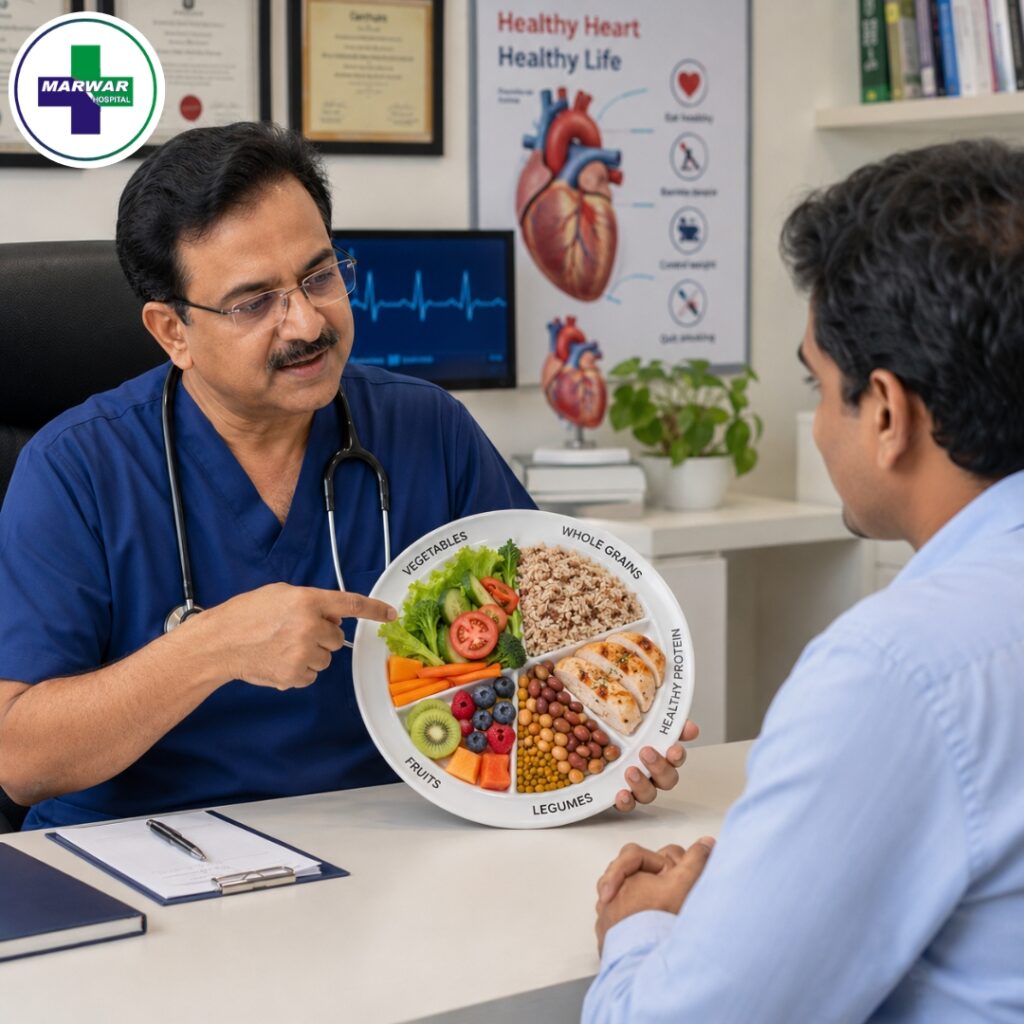
The food you eat every day directly affects your heart health. A balanced diet can help lower cholesterol levels, regulate blood pressure, maintain a healthy weight, and reduce the risk of heart attacks and strokes. In this comprehensive cardiologist-approved diet guide, we will discuss the best foods for a healthy heart and how they can support long-term cardiovascular wellness.
Why Is Heart-Healthy Eating Important?
Your heart works continuously to pump blood throughout your body. To function efficiently, it requires proper nutrition. Unhealthy foods rich in saturated fats, trans fats, excess sugar, and sodium can damage blood vessels and increase the risk of heart disease.
A heart-healthy diet can:
- Lower bad cholesterol (LDL)
- Increase good cholesterol (HDL)
- Reduce blood pressure
- Improve blood circulation
- Prevent plaque buildup in arteries
- Control blood sugar levels
- Reduce inflammation
- Maintain a healthy body weight
Making smart food choices today can significantly reduce your risk of future cardiovascular problems.
1. Green Leafy Vegetables
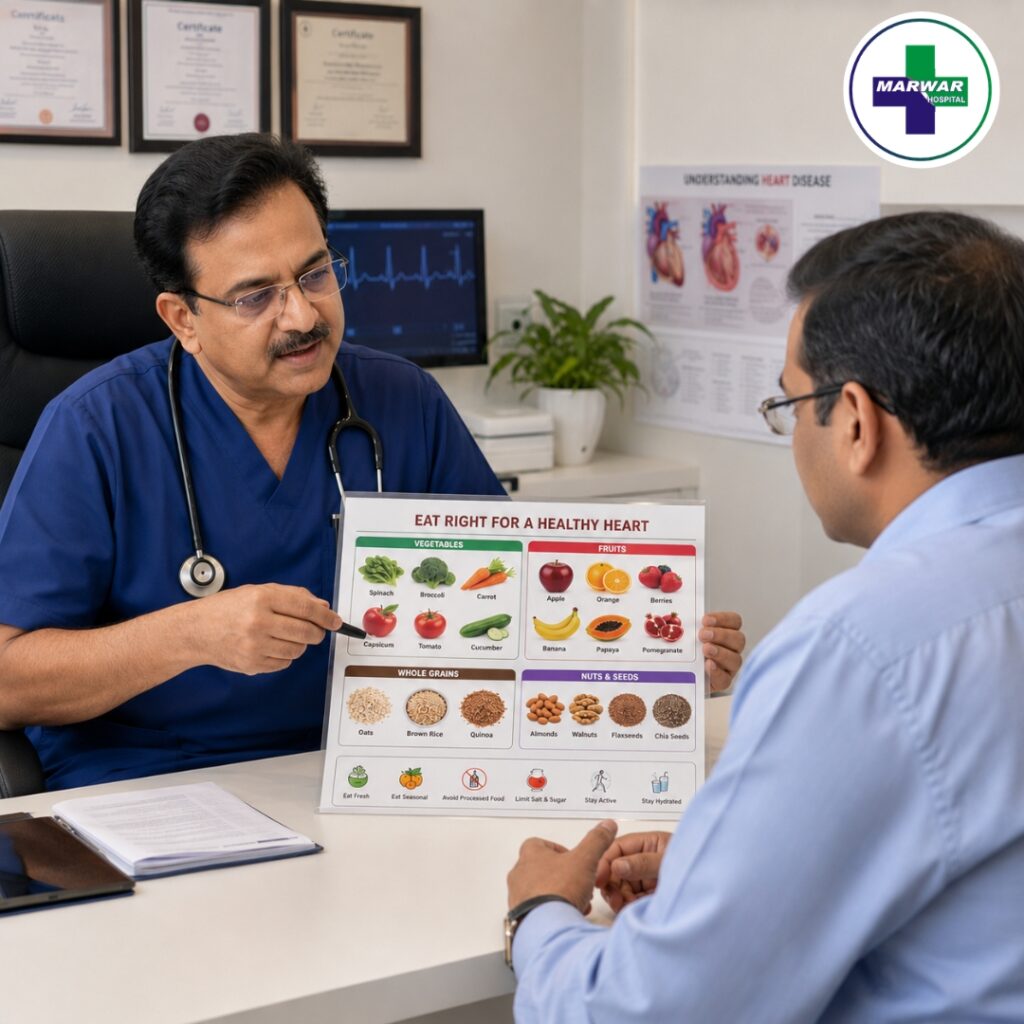
Green leafy vegetables are among the best foods for heart health. They are rich in vitamins, minerals, antioxidants, and dietary fiber.
Some excellent options include:
- Spinach
- Fenugreek leaves (Methi)
- Kale
- Mustard greens
- Lettuce
- Amaranth leaves
These vegetables contain nitrates that help lower blood pressure and improve blood vessel function. Their high antioxidant content also protects the heart from oxidative stress.
Benefits:
- Supports healthy blood pressure
- Improves arterial function
- Reduces inflammation
- Promotes weight management
2. Fruits Rich in Antioxidants
Fruits provide essential nutrients and antioxidants that protect the heart from damage caused by free radicals.
Heart-friendly fruits include:
- Apples
- Oranges
- Pomegranates
- Papaya
- Guava
- Berries
- Watermelon
- Kiwi
Pomegranates and berries are especially beneficial because they contain compounds that improve blood flow and reduce arterial plaque formation.
Benefits:
- Reduces cholesterol levels
- Improves blood circulation
- Supports immune health
- Helps control blood pressure
3. Whole Grains
Whole grains are rich in fiber and nutrients that help maintain healthy cholesterol levels and support heart health.
Examples include:
- Oats
- Brown rice
- Whole wheat
- Quinoa
- Barley
- Millet (Bajra, Jowar, Ragi)
Oats contain soluble fiber known as beta-glucan, which helps reduce LDL cholesterol.
Benefits:
- Lowers cholesterol
- Provides long-lasting energy
- Supports digestive health
- Helps maintain healthy weight
4. Nuts and Seeds
Nuts and seeds are excellent sources of healthy fats, protein, fiber, and minerals.
Heart-healthy options include:
- Almonds
- Walnuts
- Pistachios
- Flaxseeds
- Chia seeds
- Pumpkin seeds
- Sunflower seeds
Walnuts and flaxseeds are rich in omega-3 fatty acids, which help reduce inflammation and support heart function.
Benefits:
- Lowers bad cholesterol
- Supports healthy arteries
- Reduces inflammation
- Provides healthy fats
Recommended Intake:
A small handful of mixed nuts daily is generally sufficient.
5. Fatty Fish
Fish is one of the best sources of omega-3 fatty acids, which are essential for heart health.
Recommended fish include:
- Salmon
- Sardines
- Tuna
- Mackerel
- Trout
Omega-3 fats help reduce triglycerides, lower blood pressure, and decrease the risk of irregular heart rhythms.
Benefits:
- Improves cholesterol profile
- Reduces inflammation
- Supports blood vessel health
- Lowers cardiovascular risk
Experts recommend consuming fish at least two times per week.
6. Legumes and Pulses
Beans, lentils, and pulses are rich in plant-based protein and fiber while being low in unhealthy fats.
Examples include:
- Lentils (Dal)
- Chickpeas
- Kidney beans (Rajma)
- Black beans
- Green gram (Moong)
- Soybeans
These foods help improve cholesterol levels and provide sustained energy.
Benefits:
- Supports heart health
- Controls blood sugar
- Helps weight management
- Reduces cholesterol
7. Healthy Oils
Choosing the right cooking oil plays an important role in cardiovascular health.
Better options include:
- Olive oil
- Mustard oil
- Groundnut oil
- Rice bran oil
These oils contain healthy unsaturated fats that support heart function.
Avoid:
- Repeatedly heated oils
- Hydrogenated oils
- Excessive use of ghee and butter
Benefits:
- Supports healthy cholesterol levels
- Reduces arterial inflammation
- Promotes heart health
8. Low-Fat Dairy Products
Low-fat dairy products provide calcium, protein, and essential nutrients without excessive saturated fats.
Recommended options:
- Low-fat milk
- Low-fat yogurt
- Buttermilk
- Cottage cheese (Paneer) in moderation
Benefits:
- Supports bone health
- Provides protein
- Helps control blood pressure
Choose unsweetened dairy products whenever possible.
9. Garlic and Heart Health
Garlic has been used for centuries for its medicinal properties. Research suggests that garlic may help improve blood pressure and cholesterol levels.
Benefits:
- Supports healthy blood pressure
- Improves circulation
- Helps reduce cholesterol
Adding fresh garlic to daily meals can be beneficial as part of a balanced diet.
10. Dark Chocolate (In Moderation)
Good-quality dark chocolate containing at least 70% cocoa can provide heart-protective antioxidants.
Benefits:
- Improves blood vessel function
- Reduces inflammation
- Supports circulation
However, moderation is important because chocolate can also contain sugar and calories.
11. Green Tea
Green tea contains powerful antioxidants known as catechins, which support cardiovascular health.
Benefits:
- Helps lower cholesterol
- Supports healthy blood pressure
- Reduces oxidative stress
Replacing sugary beverages with green tea can be a healthy choice.
Foods to Avoid for Better Heart Health
Just as important as eating healthy foods is limiting foods that can harm your heart.
1. Processed Foods
Examples:
- Chips
- Packaged snacks
- Instant noodles
These often contain excess sodium, unhealthy fats, and preservatives.
2. Sugary Foods and Drinks
Examples:
- Soft drinks
- Cakes
- Pastries
- Candy
Excess sugar contributes to obesity, diabetes, and cardiovascular disease.
3. Fried Foods
Examples:
- Samosas
- French fries
- Fried snacks
Frequent consumption can raise cholesterol levels and increase heart disease risk.
4. Processed Meats
Examples:
- Sausages
- Salami
- Bacon
These foods often contain high levels of sodium and unhealthy fats.
5. Excess Salt
High sodium intake can elevate blood pressure and increase strain on the heart.

Learn more about our expert cardiologist care services here.
Sample Heart-Healthy Daily Diet Plan
Breakfast
- Oatmeal with fruits
- Green tea
- Handful of almonds
Mid-Morning Snack
- Apple or guava
Lunch
- Whole wheat chapati
- Mixed vegetable curry
- Dal
- Salad
Evening Snack
- Roasted chana
- Green tea
Dinner
- Grilled fish or lentils
- Brown rice or millet roti
- Steamed vegetables
Before Bed
- Low-fat milk
This type of balanced diet provides essential nutrients while supporting cardiovascular wellness.
Additional Lifestyle Tips for a Healthy Heart
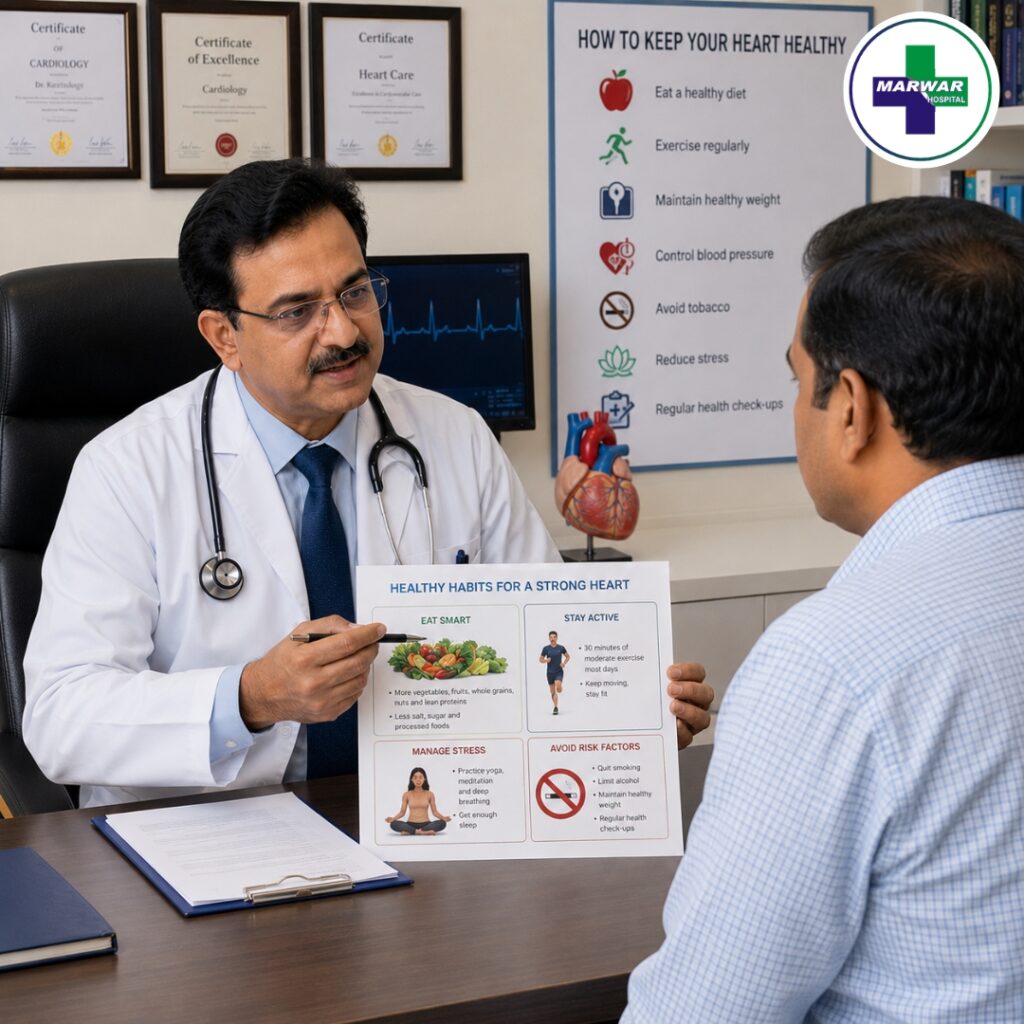
A healthy diet works best when combined with healthy lifestyle habits.
Exercise Regularly
Aim for at least 30 minutes of physical activity most days of the week.
Maintain a Healthy Weight
Excess body weight increases the risk of heart disease.
Quit Smoking
Smoking damages blood vessels and significantly raises cardiovascular risk.
Manage Stress
Practice yoga, meditation, deep breathing, or relaxation techniques.
Get Regular Checkups
Monitor:
- Blood pressure
- Cholesterol
- Blood sugar
- Heart health assessments
Early detection can prevent serious complications.
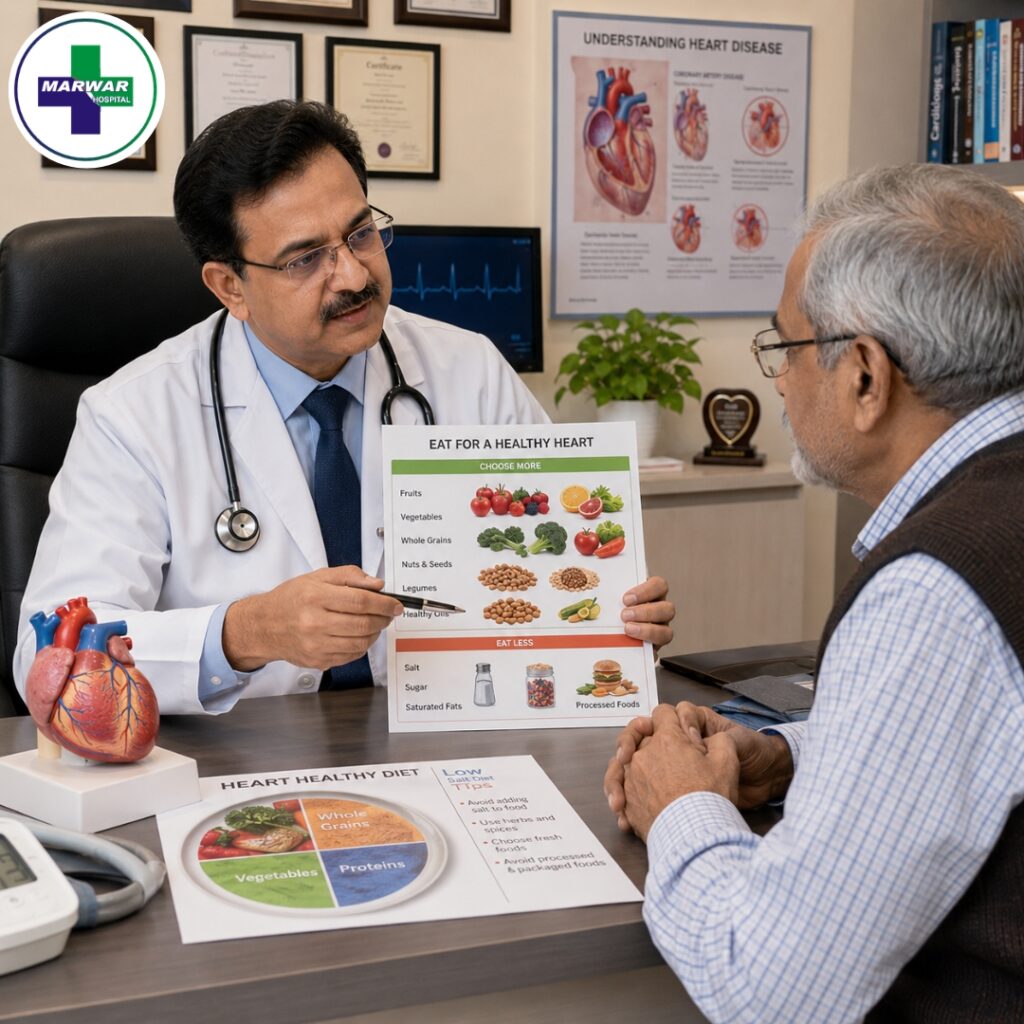
When Should You Consult a Cardiologist?
You should seek medical advice if you experience:
- Chest pain
- Shortness of breath
- Palpitations
- High blood pressure
- Family history of heart disease
- High cholesterol levels
- Diabetes
Regular consultations with a cardiologist can help identify risk factors and create a personalized prevention plan.
Conclusion
A heart-healthy diet is one of the most powerful tools for preventing cardiovascular disease. Incorporating leafy vegetables, fruits, whole grains, nuts, seeds, fish, legumes, and healthy oils into your daily meals can significantly improve heart health and overall well-being. At the same time, reducing processed foods, excess salt, sugary drinks, and unhealthy fats can lower your risk of heart attacks, strokes, and other cardiovascular conditions.
Small dietary changes made consistently over time can have a lasting impact on your heart. Remember, protecting your heart starts with the choices you make on your plate every day.
Expert Cardiac Care at Marwar Hospital Bikaner
If you are experiencing heart-related symptoms or want expert guidance on maintaining a healthy heart, consult the experienced cardiology team at Marwar Hospital. The hospital offers comprehensive cardiac evaluations, advanced diagnostic facilities, preventive heart care, and personalized treatment plans to help patients achieve better cardiovascular health and lead healthier lives.
📍 For immediate assistance, get directions to our hospital on Google Maps. Location: Main Road, Sadul Colony, Bikaner, Rajasthan – 334001.
📞 For expert advice and appointments, contact our hospital today. 2207714, 2208814, 2209914
The best foods for heart health include green leafy vegetables, fruits, whole grains, nuts, seeds, fatty fish, legumes, and healthy oils like olive oil and mustard oil. These foods help lower cholesterol, control blood pressure, and improve overall cardiovascular health.
To reduce the risk of heart disease, avoid processed foods, sugary drinks, fried foods, processed meats, and foods high in salt and unhealthy fats. These can increase cholesterol levels, blood pressure, and the risk of heart attacks and strokes.
Cardiologists generally recommend eating fatty fish such as salmon, tuna, sardines, or mackerel at least two times per week. These fish are rich in omega-3 fatty acids, which help protect the heart and blood vessels.
A healthy diet plays a major role in preventing heart disease, but it works best when combined with regular exercise, weight management, stress control, avoiding smoking, and routine health checkups.
You should consult a cardiologist if you experience symptoms such as chest pain, shortness of breath, palpitations, high blood pressure, high cholesterol, diabetes, or if you have a family history of heart disease. Early evaluation can help prevent serious cardiac complications.