
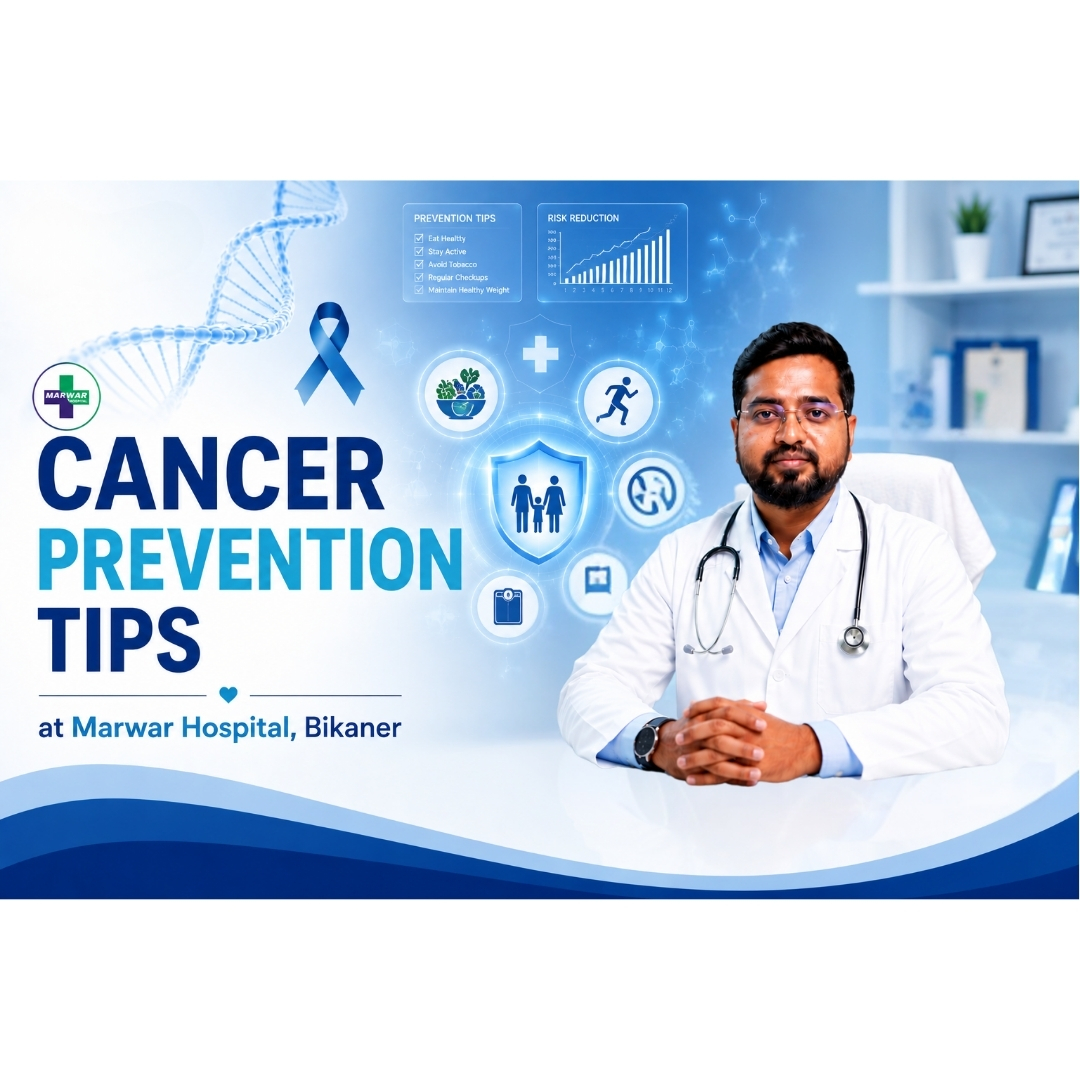
Cancer Prevention Tips: Simple Lifestyle Changes to Reduce Your Cancer Risk
Cancer is one of the most common health challenges affecting millions of people worldwide. While not every type of cancer can be prevented, medical research shows that adopting a healthy lifestyle and undergoing regular health check-ups can significantly reduce the risk of developing many cancers. Making informed choices today can help protect your health in the future.
At Marwar Hospital, Bikaner, our focus is on promoting healthy lifestyles, early awareness, and preventive healthcare to help lower the risk of cancer. Our dedicated healthcare team, led by Dr. Ashok Singhal, focuses on creating awareness about cancer prevention, early detection, and healthy living. Through expert guidance and advanced medical care, we help individuals understand their risk factors and take proactive steps to reduce the chances of developing cancer.
This guide highlights practical cancer prevention tips, lifestyle modifications, and the importance of regular screenings to help you stay healthy.
Understanding Cancer Prevention
Cancer prevention involves adopting healthy habits and avoiding risk factors that increase the likelihood of developing cancer. Although genetics and age cannot be controlled, many lifestyle-related factors can be modified to lower cancer risk.
Preventive healthcare focuses on reducing exposure to harmful substances, maintaining a healthy body, identifying risk factors early, and undergoing recommended cancer screenings. Prevention is not only about avoiding disease but also about promoting long-term wellness and improving overall quality of life.

Why Cancer Prevention Is Important
Preventing cancer is often easier and more effective than treating advanced disease. Many cancers develop gradually over several years, giving individuals an opportunity to reduce their risk through healthy lifestyle choices.
The benefits of cancer prevention include:
- Lower risk of developing cancer
- Improved overall health
- Better immune function
- Reduced healthcare costs
- Early detection of abnormal changes
- Better treatment outcomes if cancer develops
- Improved quality of life
Even small lifestyle changes can have a significant impact on long-term health.
Common Risk Factors for Cancer
Understanding the factors that increase cancer risk is essential for prevention. Some risk factors cannot be changed, while others are directly related to lifestyle habits.
Common cancer risk factors include:
- Smoking and tobacco use
- Excessive alcohol consumption
- Obesity
- Physical inactivity
- Unhealthy diet
- Family history of cancer
- Exposure to harmful chemicals
- Air pollution
- Radiation exposure
- Viral infections such as HPV and Hepatitis B
- Prolonged exposure to sunlight without protection
Reducing exposure to these risk factors can help lower the chances of developing several types of cancer.
Top Cancer Prevention Tips
1. Avoid Tobacco in All Forms
Tobacco is one of the leading causes of preventable cancers. Smoking, chewing tobacco, and exposure to secondhand smoke increase the risk of lung, oral, throat, esophageal, bladder, and several other cancers.
Quitting tobacco at any age provides immediate and long-term health benefits. If you currently use tobacco, seek professional guidance to help you quit successfully.
2. Eat a Healthy and Balanced Diet
A nutritious diet plays an important role in cancer prevention. Include plenty of fresh fruits, vegetables, whole grains, legumes, and lean proteins in your daily meals.
Try to limit:
- Processed foods
- Sugary beverages
- High-fat foods
- Processed meats
- Excess salt
A balanced diet supports immunity and helps maintain a healthy body weight.
3. Maintain a Healthy Weight
Being overweight or obese increases the risk of several cancers, including breast, colorectal, kidney, pancreatic, and endometrial cancers.
Maintaining a healthy weight through balanced nutrition and regular exercise helps reduce inflammation and supports overall health.

4. Stay Physically Active
Regular physical activity lowers the risk of many cancers while improving cardiovascular health and mental well-being.
Engage in moderate physical activity for about 30 minutes on most days to support overall health and reduce the risk of several types of cancer. Walking, cycling, yoga, swimming, and strength training are excellent options.
5. Limit Alcohol Consumption
Excessive alcohol intake increases the risk of cancers affecting the liver, mouth, throat, breast, and digestive system.
Reducing or avoiding alcohol can significantly lower cancer risk and improve overall health.
6. Protect Your Skin from the Sun
Prolonged exposure to ultraviolet (UV) rays increases the risk of skin cancer.
Protect yourself by:
- Wearing protective clothing
- Using sunscreen
- Avoiding direct sunlight during peak hours
- Wearing sunglasses and hats outdoors
Regular skin examinations also help identify suspicious changes early.
7. Get Vaccinated
Certain infections increase the risk of developing cancer.
Vaccinations recommended by healthcare professionals include:
- HPV vaccine to reduce the risk of cervical and other HPV-related cancers
- Hepatitis B vaccine to lower the risk of liver cancer
Discuss vaccination options with your healthcare provider based on your age and medical history.
8. Avoid Exposure to Harmful Chemicals
Workplace chemicals, industrial pollutants, and environmental toxins may increase cancer risk.
Use protective equipment when handling hazardous substances and follow workplace safety guidelines to minimize exposure.
9. Practice Safe Hygiene and Healthy Habits
Maintaining good personal hygiene and practicing safe health habits can reduce exposure to infections associated with certain cancers.
Regular handwashing, safe food preparation, and maintaining a clean environment contribute to better health.
10. Schedule Regular Cancer Screenings
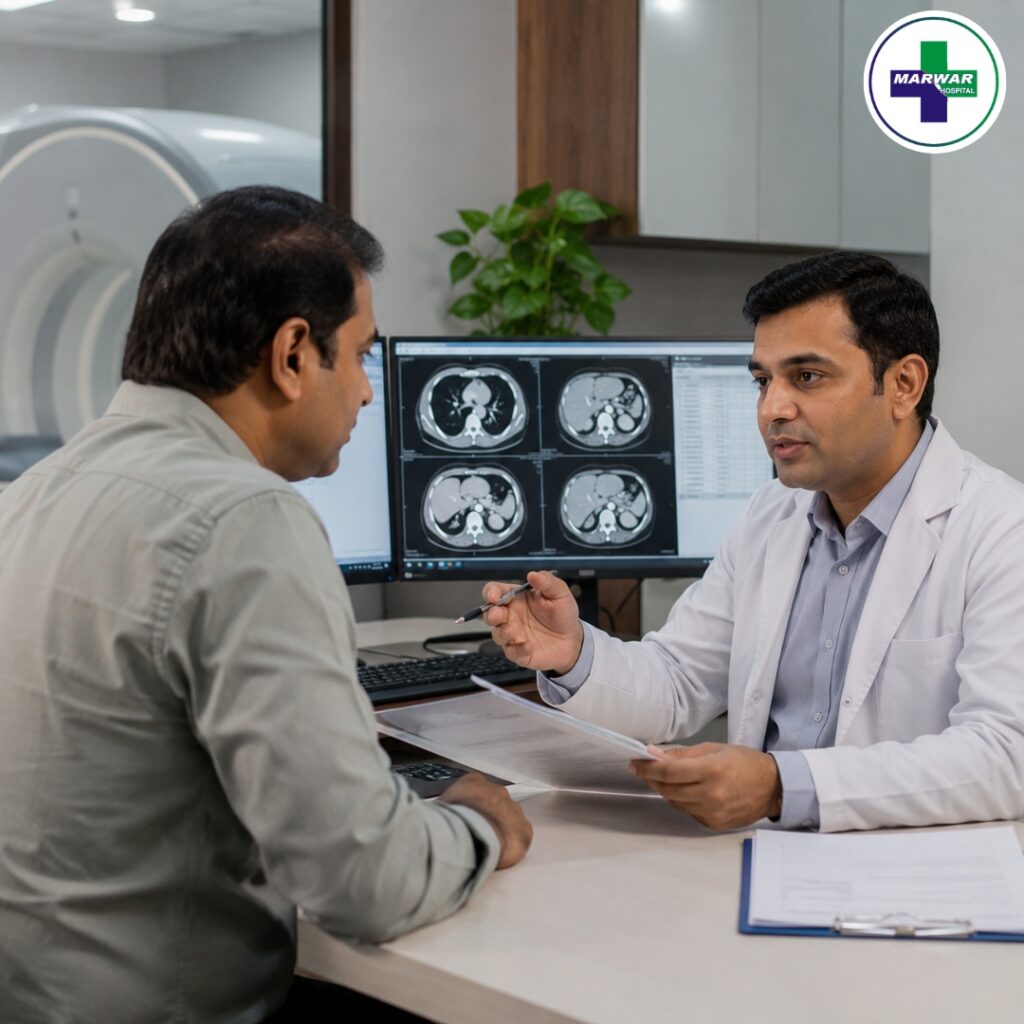
Regular cancer screening can identify abnormal cells or early signs of cancer before noticeable symptoms develop, allowing timely medical intervention. Early diagnosis often leads to more successful treatment and improved survival.
At Marwar Hospital, Bikaner, Dr. Ashok Singhal recommends routine cancer screening based on your age, family history, and personal risk factors.

Learn more about our expert oncologist care services here.
Importance of Regular Health Check-ups
Routine health check-ups allow doctors to identify potential health concerns before they become serious. Regular examinations may include blood tests, imaging studies, and cancer screening depending on your health profile.
Consulting a healthcare professional even when you feel healthy is an important part of preventive healthcare.
Early Warning Signs You Should Never Ignore
Although prevention focuses on reducing risk, recognizing early symptoms remains equally important.
Seek medical attention if you experience:
- Unexplained weight loss
- Persistent fatigue
- Long-lasting cough
- Blood in urine or stool
- Non-healing mouth ulcers
- Difficulty swallowing
- Unusual bleeding
- Persistent pain
- New lumps or swelling
- Changes in bowel or bladder habits
Early evaluation can help detect cancer before it progresses.
How Marwar Hospital Helps in Cancer Prevention
At Marwar Hospital, Bikaner, we are committed to helping individuals protect their health through cancer awareness, preventive care, routine screenings, and comprehensive medical assessments.
Our preventive services include:
- Cancer risk assessment
- Health check-up packages
- Cancer screening programs
- Lifestyle counseling
- Nutritional guidance
- Diagnostic investigations
- Specialist consultations
With the expertise of Dr. Ashok Singhal, patients receive personalized advice to reduce cancer risk and maintain long-term health.
Why Choose Marwar Hospital, Bikaner?
Marwar Hospital is committed to providing high-quality healthcare with a strong focus on prevention and early detection.
Patients benefit from:
- Experienced medical specialists
- Advanced diagnostic facilities
- Personalized preventive care
- Comprehensive cancer screening
- Patient education and counseling
- Modern healthcare infrastructure
- Compassionate medical support
Under the guidance of Dr. Ashok Singhal, every patient receives individualized recommendations based on their medical history, lifestyle, and overall health condition.

When Should You Consult a Doctor?
You should schedule a consultation if you have a family history of cancer, use tobacco, experience persistent symptoms, or simply want to assess your cancer risk through preventive screening.
Regular consultations with Dr. Ashok Singhal at Marwar Hospital, Bikaner can help identify potential risk factors early and guide you toward healthy lifestyle choices that support long-term well-being.
Conclusion
Cancer prevention begins with informed decisions and healthy daily habits. While no method can completely eliminate the risk of cancer, avoiding tobacco, maintaining a healthy diet, exercising regularly, limiting alcohol, protecting yourself from harmful environmental factors, and undergoing routine cancer screenings can significantly reduce your chances of developing many types of cancer.
At Marwar Hospital, Bikaner, we are dedicated to helping individuals take control of their health through preventive care, early detection, and expert medical guidance. With the experience and commitment of Dr. Ashok Singhal, patients receive comprehensive evaluations, personalized recommendations, and compassionate support at every stage of their healthcare journey. By adopting preventive measures today, you can build a healthier future and reduce the risk of cancer for yourself and your family.
📍 For immediate assistance, get directions to our hospital on Google Maps. Location: Main Road, Sadul Colony, Bikaner, Rajasthan – 334001.
📞 For expert advice and appointments, contact our hospital today. 2207714, 2208814, 2209914
The best ways to reduce your cancer risk include avoiding tobacco, eating a healthy diet, exercising regularly, maintaining a healthy weight, limiting alcohol consumption, protecting your skin from excessive sun exposure, getting recommended vaccinations, and undergoing regular cancer screenings.
Yes. Regular cancer screening can detect abnormal cells or early-stage cancers before symptoms appear. Early detection improves the chances of successful treatment and can prevent certain cancers from progressing. Your doctor will recommend the appropriate screening based on your age, family history, and risk factors.
People who smoke or use tobacco, consume excessive alcohol, are overweight, have a family history of cancer, are physically inactive, have poor dietary habits, or are exposed to harmful chemicals, radiation, or certain viral infections such as HPV and Hepatitis B have a higher risk of developing cancer.
Marwar Hospital, Bikaner provides comprehensive cancer prevention services, including cancer risk assessments, routine health check-ups, cancer screening programs, lifestyle counseling, nutritional guidance, diagnostic investigations, and expert consultations under the care of Dr. Ashok Singhal.
You should consult a doctor if you have a family history of cancer, use tobacco, have persistent or unusual symptoms, or want to assess your cancer risk through preventive screening. Regular consultations with Dr. Ashok Singhal at Marwar Hospital, Bikaner can help you develop a personalized cancer prevention plan and detect potential health concerns early.