

Cancer Screening: Why Early Detection Can Save Lives
Cancer is one of the leading causes of death worldwide, but early detection through regular cancer screening can significantly improve treatment outcomes and survival rates. Many cancers develop silently without noticeable symptoms during their early stages. By the time symptoms appear, the disease may have progressed, making treatment more challenging. This is why cancer screening plays a crucial role in identifying cancer before symptoms develop.
At Marwar Hospital, Bikaner, we are committed to promoting early diagnosis and preventive healthcare through advanced cancer screening services. Under the expert guidance of Dr. Ashok Singhal, patients receive comprehensive screening, accurate diagnosis, and personalized care based on their individual health needs. This guide explains the importance of cancer screening, who should get screened, available screening tests, and how regular screening can help protect your health.
What Is Cancer Screening?
Cancer screening is the process of checking for cancer before any symptoms appear. It involves medical tests and examinations designed to detect abnormal cells or early-stage cancer in healthy individuals who may not have any signs of the disease.
The primary goal of cancer screening is to identify cancer at its earliest and most treatable stage. Early detection often allows for less aggressive treatment, better recovery, and improved long-term outcomes.
Not every screening test diagnoses cancer. Some tests identify abnormal changes that may require additional investigations, while others can detect cancer before it spreads.
Why Is Cancer Screening Important?
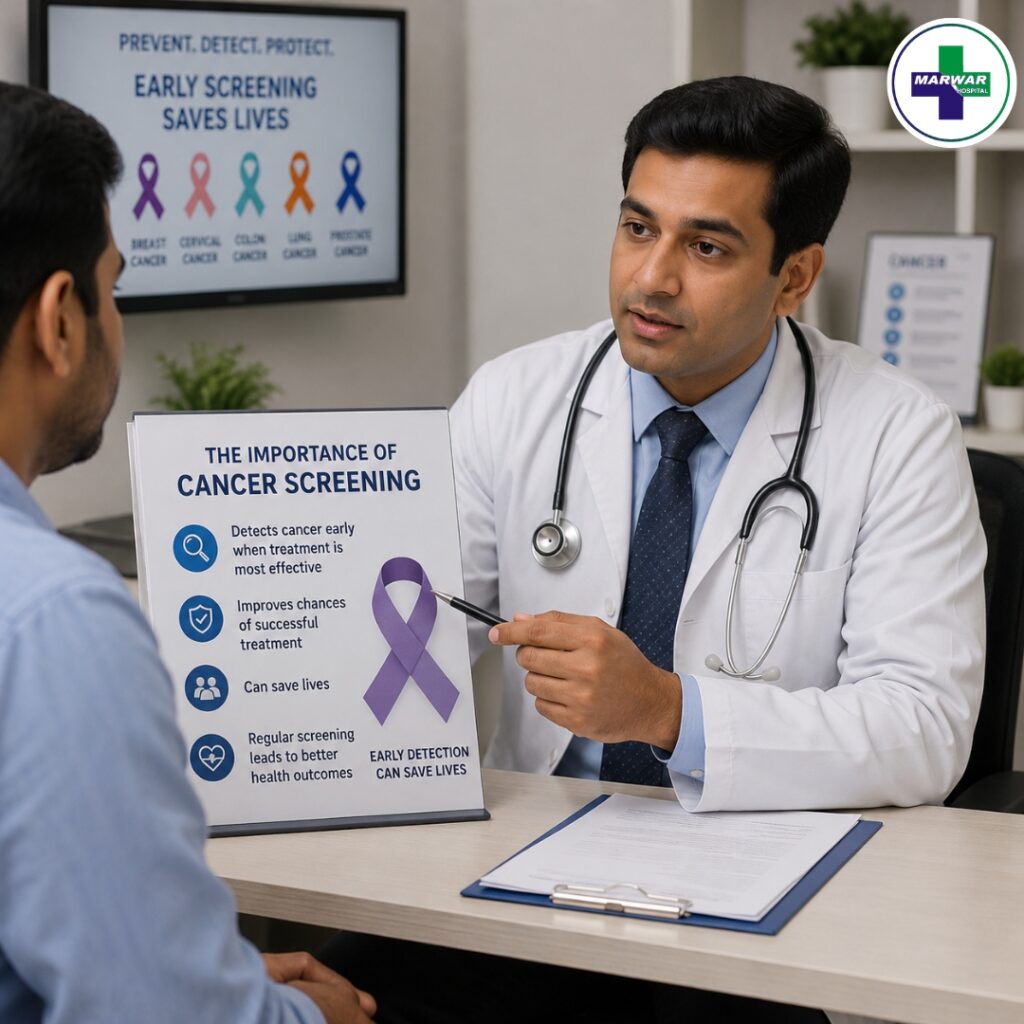
Cancer screening has become an essential part of preventive healthcare because many cancers do not cause symptoms in their early stages. Regular screening helps identify diseases before they become advanced, allowing treatment to begin at the right time.
Some important benefits of cancer screening include:
- Detecting cancer before symptoms appear
- Increasing the chances of successful treatment
- Reducing cancer-related complications
- Lowering treatment costs through early diagnosis
- Improving survival rates and quality of life
- Identifying precancerous conditions before they become cancer
For many types of cancer, early diagnosis can make a significant difference in treatment success.
Who Should Get Cancer Screening?
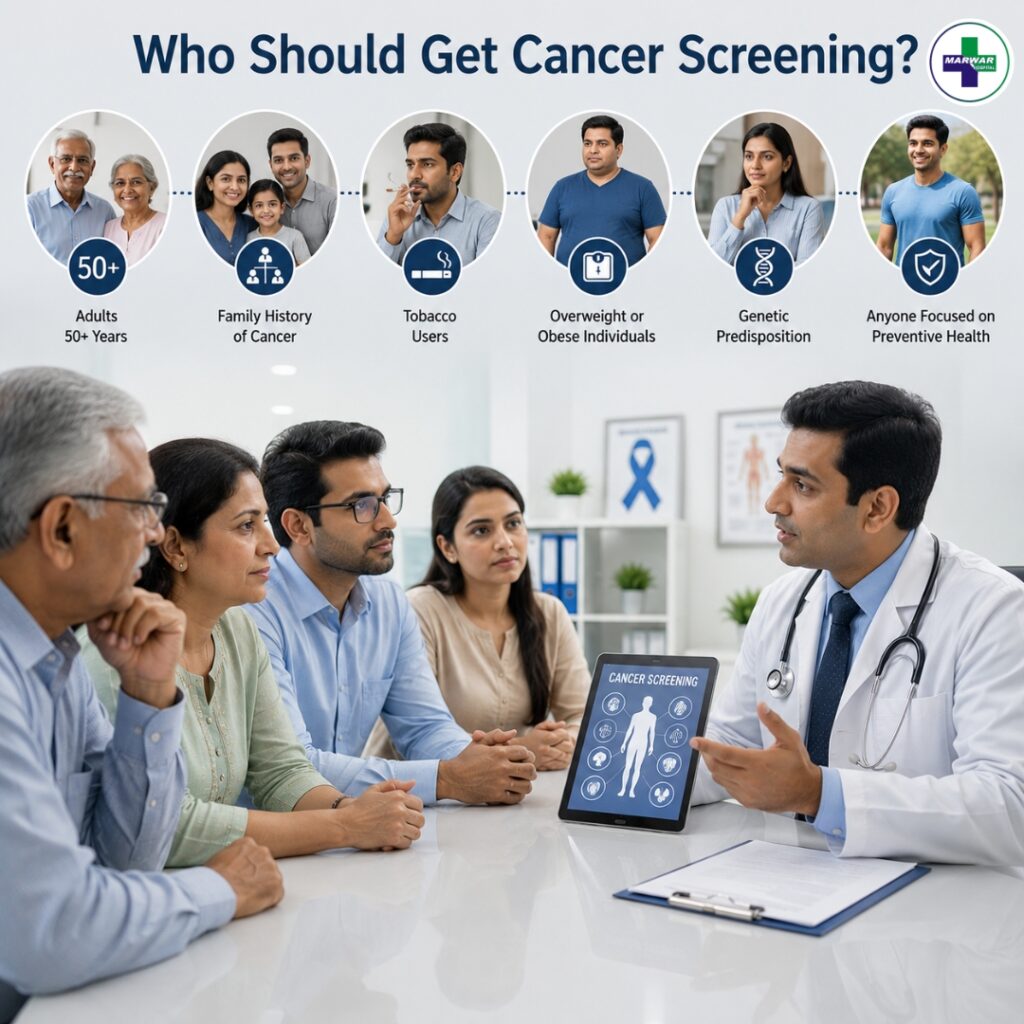
Cancer screening is recommended based on age, family history, lifestyle, medical history, and individual risk factors. While anyone can develop cancer, some people have a higher risk and may need regular screening.
You should consider cancer screening if you:
- Are above 40 years of age
- Have a family history of cancer
- Smoke or use tobacco products
- Consume alcohol regularly
- Have obesity or a sedentary lifestyle
- Have long-term exposure to harmful chemicals
- Have a history of viral infections such as HPV or Hepatitis B
- Experience persistent health concerns that require evaluation
At Marwar Hospital, Bikaner, Dr. Ashok Singhal carefully assesses each patient’s medical history and recommends the most appropriate screening tests based on individual risk factors.
Common Types of Cancer Screening
Different cancers require different screening methods. The choice of screening depends on age, gender, symptoms, and personal risk factors.
Breast Cancer Screening
Breast cancer is one of the most common cancers among women. Regular screening can detect abnormalities before a lump becomes noticeable.
Common screening methods include:
- Clinical breast examination
- Mammography
- Breast ultrasound (when required)
Women over the age of 40 or those with a family history should discuss regular breast screening with their doctor.
Cervical Cancer Screening
Cervical cancer is highly preventable when detected early. Screening helps identify abnormal cervical cells before they develop into cancer.
Recommended screening methods include:
- Pap Smear Test
- HPV Testing
Routine screening is especially important for women between the ages of 21 and 65.
Oral Cancer Screening
Oral cancer is common among tobacco users and individuals who consume alcohol frequently. Regular oral examination helps detect suspicious lesions, ulcers, or abnormal tissue changes.
People who smoke or chew tobacco should undergo regular oral cancer screening.
Lung Cancer Screening
People with a history of heavy smoking may benefit from lung cancer screening using Low-Dose CT (LDCT) scans, especially if they are at high risk.
Early detection can significantly improve treatment outcomes.
Colorectal Cancer Screening
Colorectal cancer often develops from small growths called polyps. Detecting and removing these polyps can prevent cancer from developing.
Screening methods include:
- Stool-based tests
- Colonoscopy
- Flexible sigmoidoscopy
Adults over the age of 45 are generally advised to discuss colorectal screening with their healthcare provider.
Prostate Cancer Screening
Men over 50 years of age or those with a family history may require prostate cancer screening.
Common screening tests include:
- PSA (Prostate-Specific Antigen) Blood Test
- Digital Rectal Examination (DRE)
Regular evaluation helps detect prostate cancer at an early stage.
Signs That Should Not Be Ignored
Although screening is recommended before symptoms appear, certain warning signs should always be evaluated promptly.
Consult a doctor if you experience:
- Unexplained weight loss
- Persistent cough
- Blood in urine or stool
- Difficulty swallowing
- Non-healing mouth ulcers
- Unusual bleeding
- New lumps or swelling
- Persistent fatigue
- Changes in bowel or bladder habits
Early medical evaluation can help identify the underlying cause and begin treatment if necessary.
How Is Cancer Screening Performed?
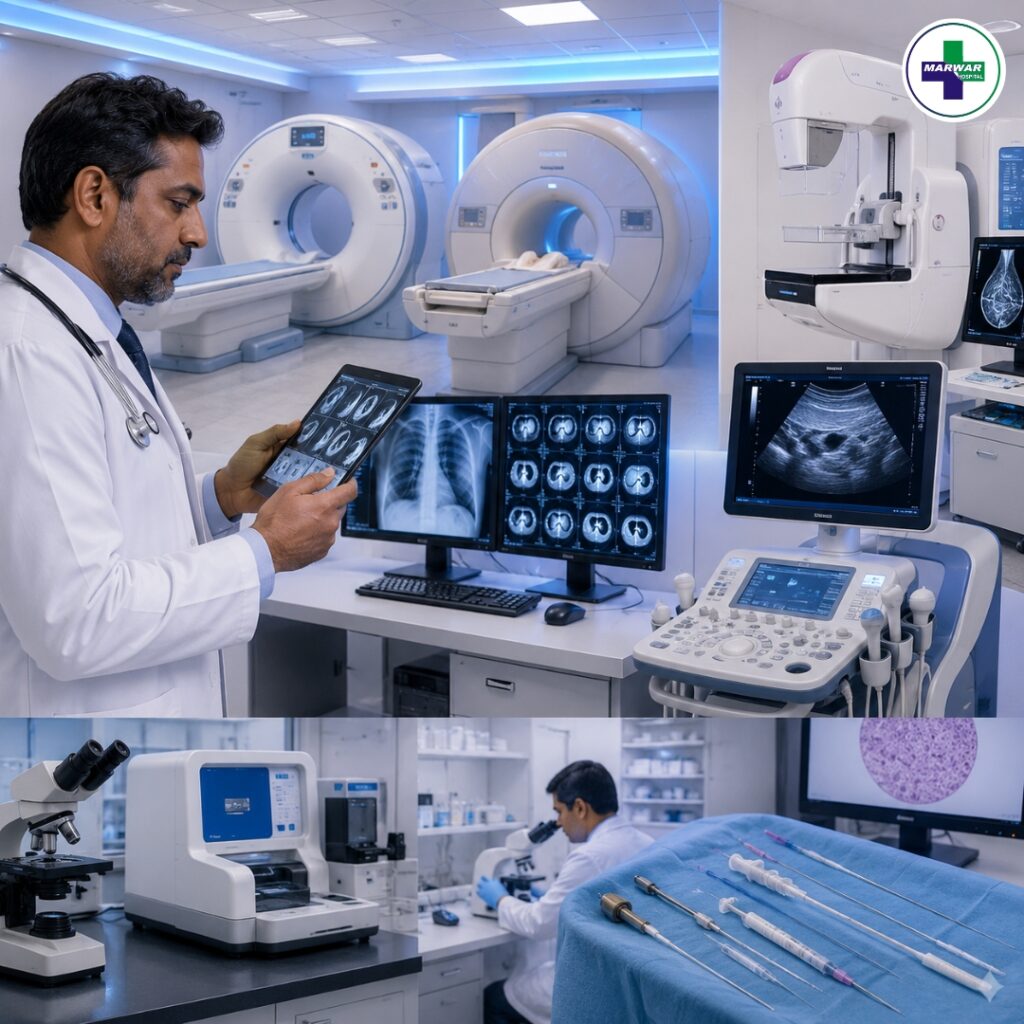
Cancer screening begins with a detailed medical history and physical examination. Depending on your age, symptoms, and risk factors, your doctor may recommend one or more screening tests.
Common investigations include:
- Blood tests
- Mammography
- Pap Smear
- Ultrasound
- Digital X-ray
- CT Scan
- MRI Scan
- PET Scan
- Endoscopy
- Colonoscopy
- Biopsy (if required)
At Marwar Hospital, Bikaner, advanced diagnostic facilities ensure accurate and timely screening for various types of cancer.
Benefits of Regular Cancer Screening
Routine screening offers several long-term health benefits, including:
- Early diagnosis of cancer
- Better treatment outcomes
- Less aggressive therapies
- Higher survival rates
- Improved quality of life
- Peace of mind through regular health monitoring
Individuals who undergo recommended screening are more likely to detect cancer at a stage when treatment is most effective.

Can Cancer Be Prevented?
While not all cancers can be prevented, adopting a healthy lifestyle and participating in regular screening significantly reduce the overall risk.
Healthy habits include:
- Avoiding tobacco in all forms
- Limiting alcohol consumption
- Eating a balanced diet
- Exercising regularly
- Maintaining a healthy body weight
- Protecting your skin from excessive sunlight
- Receiving recommended vaccinations
- Scheduling routine medical check-ups
Combining these healthy practices with regular screening provides the best opportunity for early detection and prevention.

Why Choose Marwar Hospital, Bikaner for Cancer Screening?
At Marwar Hospital, Bikaner, patients receive high-quality cancer screening services supported by experienced healthcare professionals and advanced medical technology.
Our cancer screening services offer:
- Comprehensive health evaluation
- Advanced diagnostic facilities
- Personalized screening recommendations
- Early detection programs
- Patient-focused care
- Accurate reporting
- Timely specialist consultation
With the expertise of Dr. Ashok Singhal, patients receive individualized guidance throughout the screening process. Every screening plan is designed according to the patient’s age, medical history, and overall health, ensuring reliable and effective preventive care.
Learn more about our expert oncologist care services here.
When Should You Schedule a Cancer Screening?
You should consider scheduling a cancer screening if you are over 40 years of age, have a family history of cancer, use tobacco, or experience persistent symptoms that do not improve. Even if you feel healthy, routine screening is an important step toward protecting your long-term health.
Regular consultations with Dr. Ashok Singhal at Marwar Hospital, Bikaner can help determine the most appropriate screening schedule based on your personal risk factors.
Conclusion
Cancer screening is one of the most effective ways to detect cancer at an early stage, often before symptoms develop. Early diagnosis allows timely treatment, improves survival rates, and enhances the quality of life. Regular screening, combined with a healthy lifestyle and medical guidance, plays a vital role in reducing the burden of cancer.
At Marwar Hospital, Bikaner, we are dedicated to providing advanced cancer screening services with a patient-centered approach. Under the expert care of Dr. Ashok Singhal, every patient receives comprehensive evaluation, personalized recommendations, and compassionate support throughout the screening journey. If you are due for a routine screening or have concerns about your health, schedule a consultation today and take a proactive step toward early detection and better health.
📍 For immediate assistance, get directions to our hospital on Google Maps. Location: Main Road, Sadul Colony, Bikaner, Rajasthan – 334001.
📞 For expert advice and appointments, contact our hospital today. 2207714, 2208814, 2209914
Cancer screening is the process of checking for cancer before symptoms appear. It helps detect cancer at an early stage, when treatment is often more effective and recovery chances are higher.
people over 40 years of age, individuals with a family history of cancer, tobacco users, smokers, those with obesity, or people with other cancer risk factors should consult a specialist to determine the appropriate screening schedule.
Cancer screening can help detect several types of cancer, including breast cancer, cervical cancer, oral cancer, lung cancer, colorectal cancer, and prostate cancer using specialized screening tests.
Marwar Hospital, Bikaner offers advanced cancer screening services including blood tests, mammography, Pap smear, ultrasound, CT scan, MRI scan, PET scan, endoscopy, colonoscopy, and biopsy when required, under the guidance of Dr. Ashok Singhal.
Early cancer screening helps identify cancer before symptoms develop, improving treatment success, reducing complications, increasing survival rates, and allowing less aggressive treatment options for better long-term health.