


Diabetes and heart disease are two of the most common health conditions affecting millions of people worldwide. In India, the prevalence of diabetes has increased significantly over the past few decades, making it a major public health concern. What many people do not realize is that diabetes and heart disease are closely connected. In fact, people with diabetes are two to four times more likely to develop cardiovascular diseases compared to those without diabetes.
High blood sugar levels can silently damage blood vessels and nerves over time, increasing the risk of heart attacks, strokes, heart failure, and other serious cardiovascular complications. Understanding the relationship between diabetes and heart disease is essential for prevention, early diagnosis, and effective management.
In this comprehensive guide, we explain how diabetes affects the heart, the warning signs to watch for, risk factors, prevention strategies, and the importance of regular cardiac care.
Understanding Diabetes
Diabetes is a chronic medical condition that occurs when the body cannot properly regulate blood sugar (glucose) levels.
There are three main types of diabetes:
Type 1 Diabetes
Type 1 diabetes develops when the immune system attacks insulin-producing cells in the pancreas. Patients require lifelong insulin therapy.
Type 2 Diabetes
Type 2 diabetes is the most common form and occurs when the body becomes resistant to insulin or does not produce enough insulin.
Gestational Diabetes
This type develops during pregnancy and may increase the future risk of both diabetes and heart disease.
Among these, Type 2 diabetes is most strongly associated with cardiovascular disease.

Understanding Heart Disease
Heart disease refers to a group of conditions affecting the heart and blood vessels, including:
- Coronary artery disease
- Heart attack
- Heart failure
- Arrhythmias
- Stroke
- Peripheral artery disease
Most heart diseases occur due to narrowing or blockage of blood vessels caused by plaque buildup.
Why Does Diabetes Increase Heart Disease Risk?
People with diabetes often have additional risk factors that contribute to cardiovascular disease.
These include:
- High blood sugar
- High blood pressure
- High cholesterol
- Obesity
- Inflammation
- Insulin resistance
Together, these factors can damage arteries and increase the likelihood of heart-related complications.
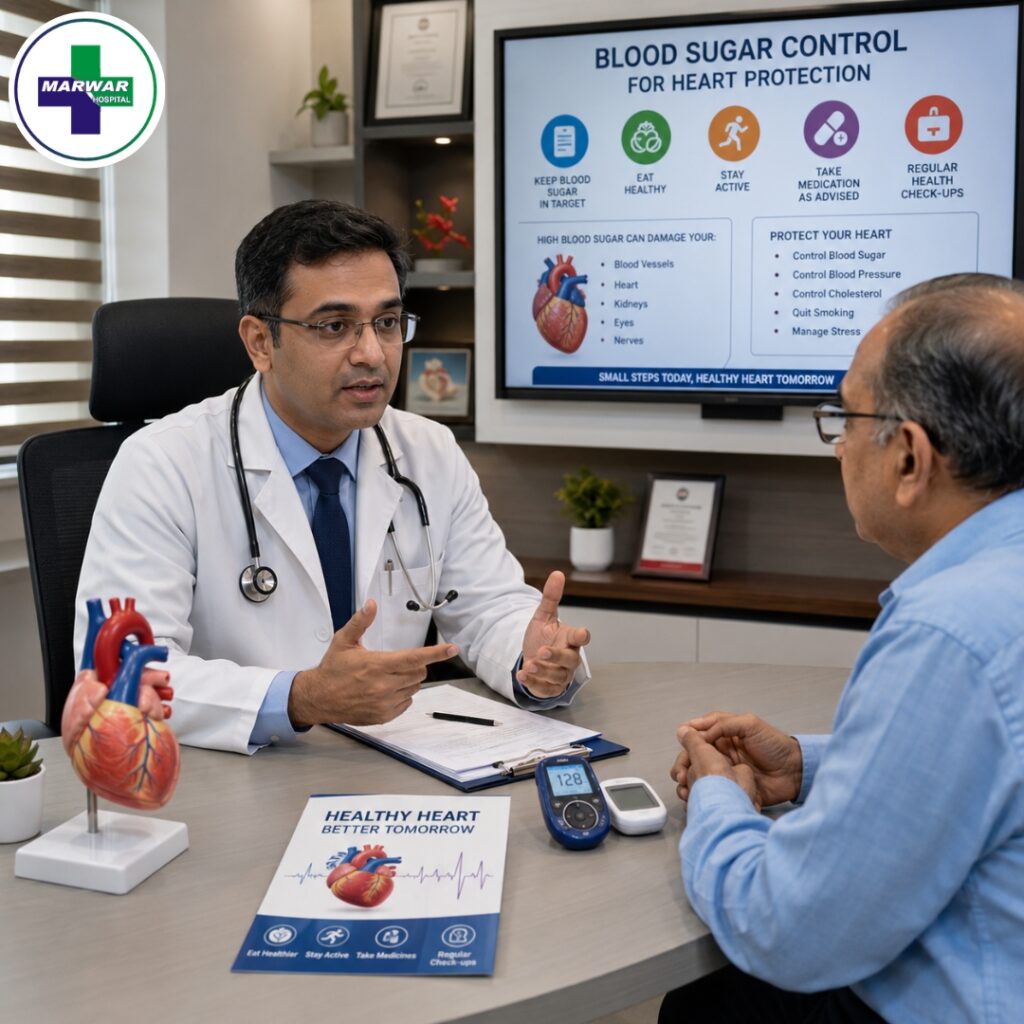
How High Blood Sugar Damages the HeartWhen blood sugar remains elevated for long periods, it can damage the inner lining of blood vessels.
This damage can lead to:
- Narrowing of arteries
- Reduced blood flow
- Plaque buildup
- Increased inflammation
- Blood clot formation
Over time, these changes increase the risk of serious cardiovascular conditions.
The Link Between Diabetes and Coronary Artery Disease
Coronary artery disease (CAD) is the most common heart condition associated with diabetes.
CAD occurs when cholesterol deposits build up inside the coronary arteries that supply blood to the heart.
As arteries narrow:
- Blood flow decreases
- Oxygen supply to the heart reduces
- Chest pain may develop
- Heart attack risk increases
People with diabetes often develop coronary artery disease at an earlier age than non-diabetic individuals.
Diabetes and Heart AttacksDiabetes significantly increases the risk of heart attacks.
Why?
Because diabetes:
- Accelerates plaque formation
- Damages blood vessels
- Increases inflammation
- Promotes clot formation
Research shows that many diabetic patients have a cardiovascular risk comparable to individuals who have already suffered a heart attack.

Silent Heart Attacks in Diabetic Patients
One of the most dangerous complications of diabetes is the increased risk of silent heart attacks.
What Is a Silent Heart Attack?
A silent heart attack occurs with minimal or unusual symptoms.
Instead of severe chest pain, diabetic patients may experience:
- Fatigue
- Weakness
- Breathlessness
- Dizziness
- Mild chest discomfort
- Indigestion-like symptoms
Because symptoms may be subtle, medical attention is often delayed.
Diabetes and High Blood Pressure
High blood pressure frequently occurs alongside diabetes.
Together, these conditions:
- Increase strain on the heart
- Damage blood vessels
- Accelerate artery narrowing
- Increase stroke risk
Individuals with both diabetes and hypertension have a much higher likelihood of cardiovascular complications.
Diabetes and High Cholesterol
Many diabetic patients have abnormal cholesterol levels.
Common findings include:
High LDL Cholesterol
Often called “bad cholesterol,” LDL contributes to plaque buildup.
Low HDL Cholesterol
HDL helps remove excess cholesterol from arteries.
High Triglycerides
Elevated triglycerides increase cardiovascular risk.
These cholesterol abnormalities further increase the chances of heart disease.
Diabetes and Heart Failure
Heart failure occurs when the heart cannot pump blood effectively.
Diabetes can contribute to heart failure through:
- Damage to heart muscle
- High blood pressure
- Coronary artery disease
- Chronic inflammation
Symptoms may include:
- Shortness of breath
- Swelling in the legs
- Fatigue
- Reduced exercise capacity
Early diagnosis is important for effective management.Diabetes and Stroke
A stroke occurs when blood flow to part of the brain becomes interrupted.
Diabetes increases stroke risk because it:
- Damages blood vessels
- Promotes clot formation
- Increases blood pressure
- Accelerates atherosclerosis
Stroke prevention is an important part of diabetes management.
Common Warning Signs of Heart Disease in Diabetic Patients
People with diabetes should watch for symptoms such as:
Chest Pain or Pressure
A common warning sign of reduced blood flow to the heart.
Shortness of Breath
May indicate coronary artery disease or heart failure.
Unusual Fatigue
Persistent tiredness can be an early symptom of heart disease.
Palpitations
Irregular heartbeat should be evaluated promptly.
Swelling in the Legs
May suggest heart failure or circulation problems.
Dizziness
Can result from reduced blood flow or heart rhythm abnormalities.
Any of these symptoms should be discussed with a healthcare professional.
Risk Factors That Increase Heart Disease in Diabetes
Several factors further increase cardiovascular risk among diabetic patients.
Smoking
Smoking damages blood vessels and significantly increases heart attack risk.
Obesity
Excess weight contributes to insulin resistance and heart disease.
Physical Inactivity
Lack of exercise weakens cardiovascular health.
Family History
Genetics may increase susceptibility to both diabetes and heart disease.
Stress
Chronic stress negatively affects blood sugar control and heart health.

How to Reduce Heart Disease Risk in Diabetes
Fortunately, there are many ways to protect your heart if you have diabetes.
1. Control Blood Sugar Levels
Maintaining healthy blood sugar levels is one of the most important steps.
Follow your doctor’s recommendations regarding:
- Medication
- Insulin therapy
- Blood sugar monitoring
- Dietary changes
Better glucose control reduces blood vessel damage.
2. Manage Blood Pressure
Blood pressure should be monitored regularly.
Lifestyle changes include:
- Reducing salt intake
- Exercising regularly
- Maintaining a healthy weight
- Taking prescribed medications
Proper blood pressure control significantly reduces cardiovascular risk.
3. Improve Cholesterol Levels
Focus on:
- Increasing fiber intake
- Limiting saturated fats
- Avoiding trans fats
- Exercising regularly
Medications may also be prescribed when necessary.
4. Follow a Heart-Healthy Diet
Choose foods that support both diabetes and heart health.
Recommended Foods
- Green leafy vegetables
- Fruits in moderation
- Whole grains
- Lentils
- Beans
- Fish
- Nuts
- Seeds
Limit
- Sugary foods
- Fried foods
- Processed snacks
- Excess salt
Healthy eating supports blood sugar and cardiovascular health simultaneously.
5. Exercise Regularly
Regular physical activity helps:
- Improve insulin sensitivity
- Lower blood pressure
- Improve cholesterol
- Strengthen the heart
Aim for at least 150 minutes of moderate exercise per week.
Suitable activities include:
- Walking
- Cycling
- Swimming
- Yoga
6. Maintain a Healthy Weight
Weight loss can improve:
- Blood sugar control
- Blood pressure
- Cholesterol levels
- Heart function
Even modest weight reduction offers significant benefits.
7. Quit Smoking
Stopping tobacco use is one of the most effective ways to reduce heart disease risk.
Benefits begin almost immediately after quitting.
8. Manage Stress
Stress can worsen both diabetes and cardiovascular disease.
Helpful strategies include:
- Meditation
- Deep breathing
- Yoga
- Adequate sleep
- Relaxation techniques
Mental well-being plays an important role in overall health.

Learn more about our expert cardiologist care services here.
Importance of Regular Heart Screenings
People with diabetes should undergo regular cardiovascular evaluations.
Recommended assessments may include:
Blood Pressure Monitoring
Detects hypertension early.
Lipid Profile
Measures cholesterol levels.
Blood Sugar Testing
Tracks diabetes control.
Electrocardiogram (ECG)
Evaluates heart rhythm and electrical activity.
Echocardiography
Assesses heart structure and pumping function.
Stress Testing
Identifies coronary artery disease.
Routine screenings help detect problems before symptoms become severe.
When Should a Diabetic Patient See a Cardiologist?
You should consult a cardiologist if you have diabetes and experience:
- Chest pain
- Breathlessness
- Palpitations
- Dizziness
- Leg swelling
- Unexplained fatigue
Additionally, individuals with long-standing diabetes should undergo periodic heart evaluations even if no symptoms are present.
Conclusion
Diabetes and heart disease are closely connected, and managing one often helps prevent the other. High blood sugar can damage blood vessels and significantly increase the risk of heart attacks, stroke, heart failure, and coronary artery disease. The good news is that with proper blood sugar control, a healthy lifestyle, regular exercise, balanced nutrition, and routine health screenings, many cardiovascular complications can be prevented.
If you have diabetes, protecting your heart should be a top priority. Early detection and proactive care can help you live a healthier and longer life.
Expert Diabetes and Cardiology Care at Marwar Hospital Bikaner
At Marwar Hospital, our experienced physicians and cardiology specialists provide comprehensive diabetes management, cardiovascular risk assessment, advanced cardiac diagnostics, preventive care, and personalized treatment plans. Whether you are managing diabetes or concerned about your heart health, Marwar Hospital Bikaner is committed to helping you achieve better health outcomes and long-term wellness.
📍 For immediate assistance, get directions to our hospital on Google Maps. Location: Main Road, Sadul Colony, Bikaner, Rajasthan – 334001.
📞 For expert advice and appointments, contact our hospital today. 2207714, 2208814, 2209914
Diabetes can damage blood vessels and nerves that control the heart. High blood sugar levels over time contribute to plaque buildup in the arteries, increasing the risk of heart attacks, stroke, and other cardiovascular diseases.
Yes. Many people with Type 2 diabetes may develop heart disease without noticeable symptoms. Some may even experience silent heart attacks with only mild fatigue, breathlessness, or dizziness.
Common warning signs include chest pain, shortness of breath, unusual fatigue, palpitations, dizziness, and swelling in the legs. Any of these symptoms should be evaluated by a healthcare professional.
Maintaining healthy blood sugar levels, controlling blood pressure and cholesterol, following a heart-healthy diet, exercising regularly, quitting smoking, and managing stress can significantly reduce cardiovascular risk.
People with diabetes should undergo regular cardiovascular screenings, including blood pressure monitoring, cholesterol tests, ECGs, and other heart evaluations as recommended by their doctor, even if they do not have symptoms.