

Diabetes is a long-term condition that can affect different parts of the body, including the eyes. When blood sugar levels remain high for prolonged periods, the small blood vessels that supply the retina can become damaged. Over time, this may lead to several diabetic eye problems, some of which can cause permanent vision loss if they are not detected and treated early.
One of the challenges with diabetes-related eye complications is that they may develop without noticeable symptoms during the initial stages. A person may have good vision and still have changes occurring inside the eye. This is why regular eye examinations are an important part of diabetes management.
For people searching for diabetic eye care in Bikaner, understanding the common eye complications of diabetes, their warning signs and prevention measures can help in protecting vision. Marwar Hospital Bikaner provides medical care and specialist evaluation for patients dealing with various health and eye-related concerns.
How Does Diabetes Affect the Eyes?
The retina is a light-sensitive layer at the back of the eye that helps convert light into signals sent to the brain. It requires a healthy blood supply to function properly.
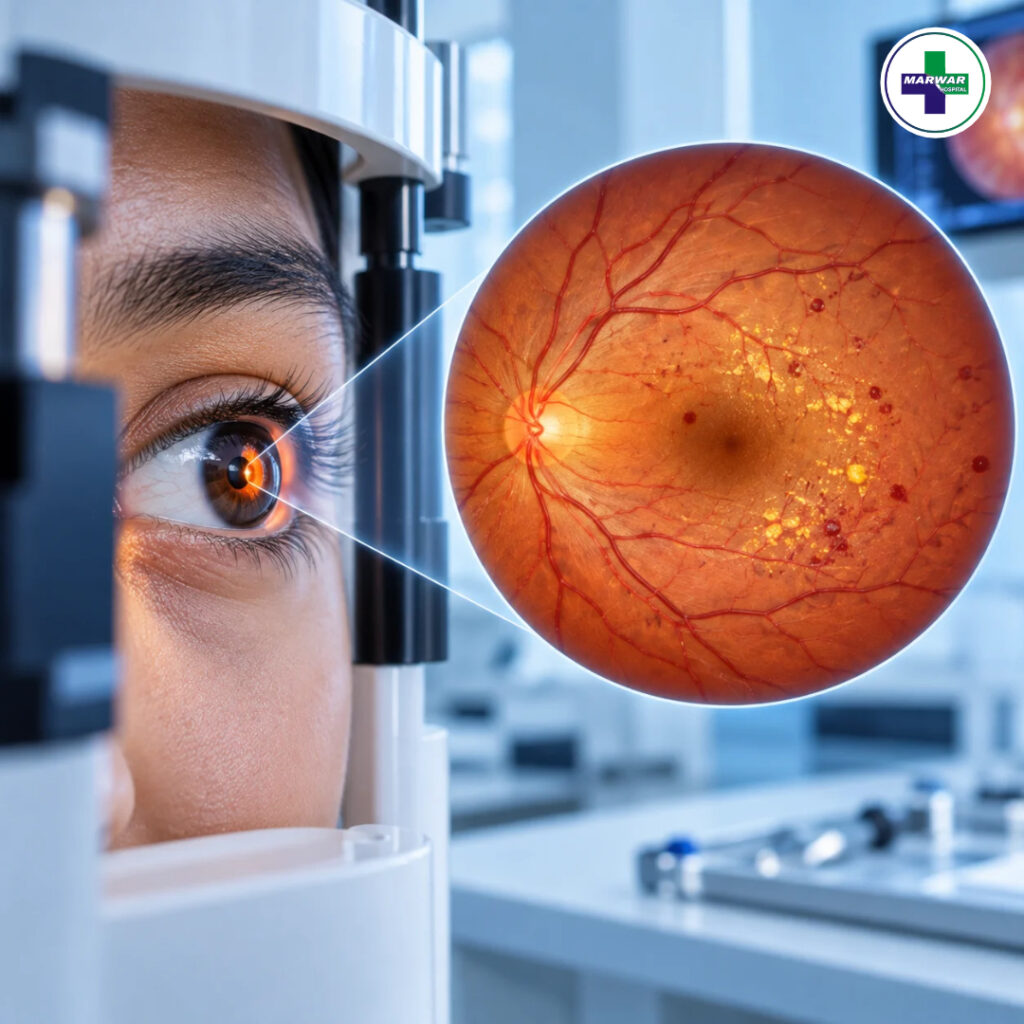
Persistently high blood glucose can damage the tiny blood vessels in the retina. These damaged vessels may leak fluid or blood, become blocked or contribute to abnormal blood-vessel growth. These changes can affect vision and may eventually lead to serious complications.
The most well-known diabetes-related eye condition is diabetic retinopathy, but diabetes can also increase the risk of other eye problems, including diabetic macular edema, cataracts and glaucoma.
Common Diabetic Eye Problems
1. Diabetic Retinopathy
Diabetic retinopathy occurs when diabetes damages the blood vessels in the retina. It can develop in people with both type 1 and type 2 diabetes.
In the early stage, known as non-proliferative diabetic retinopathy, the retinal blood vessels may weaken and develop small areas of swelling or leakage.
As the condition progresses, blood vessels may become blocked, reducing the blood supply to parts of the retina. In advanced proliferative diabetic retinopathy, the eye may grow abnormal new blood vessels.These newly formed blood vessels are delicate and may leak or bleed inside the eye
Without appropriate management, advanced diabetic retinopathy can result in severe vision problems.
2. Diabetic Macular Edema
The macula is the central part of the retina responsible for detailed vision, such as reading and recognising faces.
Diabetic macular edema occurs when fluid accumulates in or around the macula due to damage associated with diabetic retinopathy. This swelling can cause blurred or distorted central vision.
People may find it difficult to read small text, recognise faces or perform activities that require sharp central vision.
3. Cataracts
People with diabetes may have an increased risk of developing cataracts. A cataract causes the eye’s normally clear natural lens to become cloudy, leading to blurred or hazy vision.
Possible symptoms include:
- Blurred vision
- Difficulty seeing at night
- Increased glare
- Faded colours
- Frequent changes in glasses prescription
Cataracts can usually be treated effectively with surgery when they significantly interfere with daily activities.
4. Glaucoma
Diabetes may also be associated with an increased risk of glaucoma. Glaucoma involves damage to the optic nerve and can cause permanent vision loss.
The condition may develop gradually without obvious symptoms, particularly in its early stages. Regular eye examinations can help identify changes before significant vision loss occurs.
5. Temporary Changes in Vision
Changes in blood glucose levels can sometimes cause temporary fluctuations in vision. When blood sugar levels change significantly, fluid levels in the eye’s tissues can also change, affecting focusing.
If you notice repeated or persistent changes in your vision, it is important to discuss them with a doctor or eye specialist rather than assuming they are only related to blood sugar fluctuations.
Warning Signs of Diabetic Eye Problems
Diabetic eye disease may not produce symptoms initially, but as the condition progresses, certain changes can occur.
Contact an eye specialist if you experience:
- Blurred or distorted vision
- Difficulty reading
- Dark spots or floating shapes in your vision
- Flashes of light
- Areas of missing or reduced vision
- Difficulty seeing at night
- Reduced colour perception
- Sudden changes in eyesight
A sudden increase in floaters, flashes of light or a curtain-like shadow over your vision requires urgent medical evaluation because it can indicate a retinal emergency.
Why Can Diabetic Eye Disease Be Difficult to Detect?
One of the major concerns with diabetic eye complications is that vision can remain relatively normal while damage develops inside the eye.
A person may not notice symptoms until the disease has become more advanced. This is why waiting for vision problems before having an eye examination is not recommended for people with diabetes.
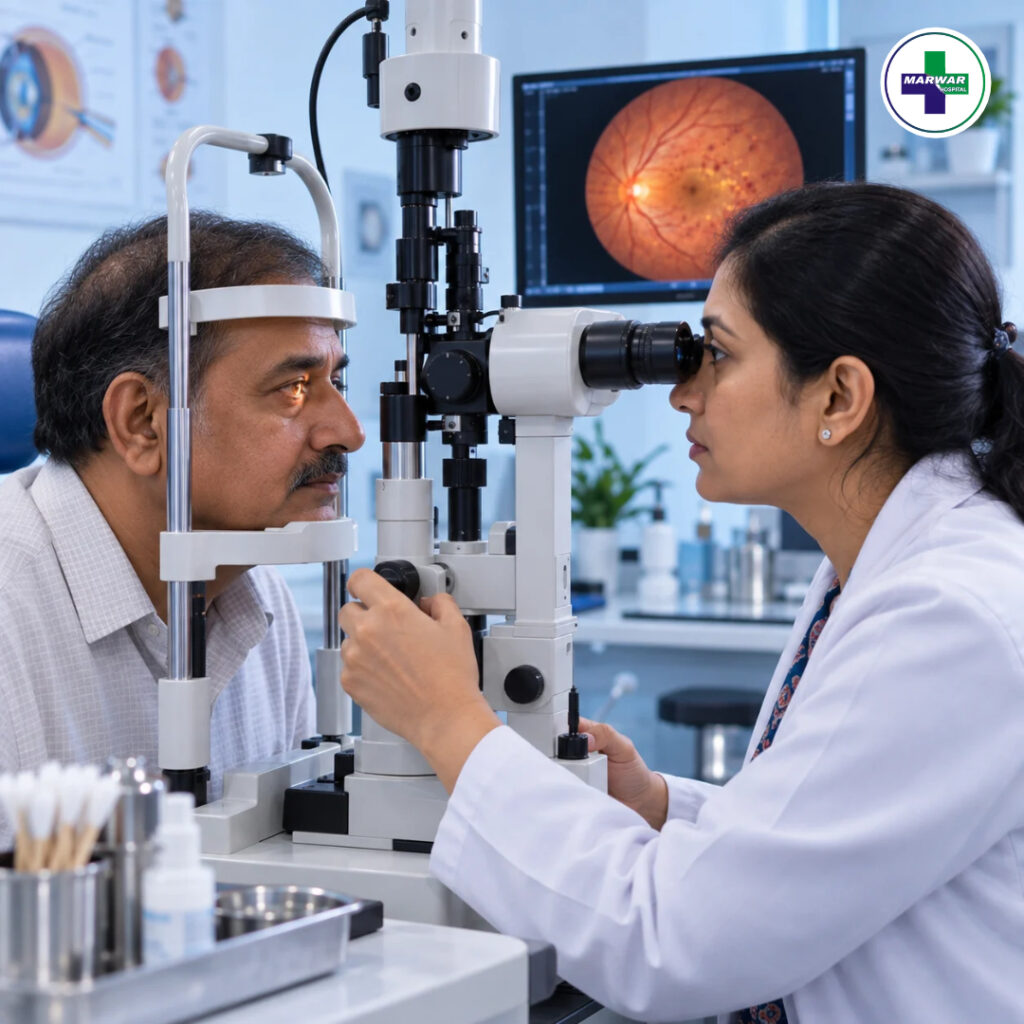
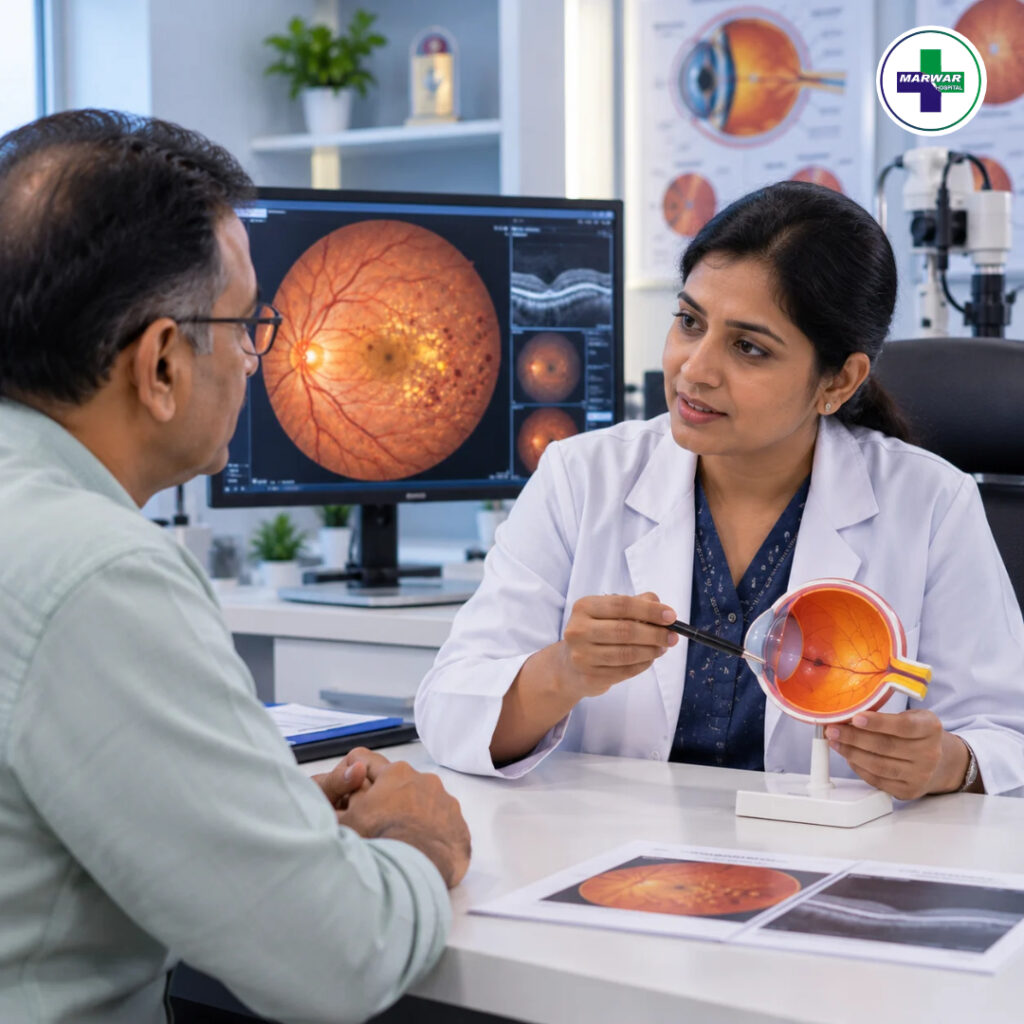
A comprehensive dilated eye examination can allow an ophthalmologist to examine the retina and identify early abnormalities that may not be visible to the patient.
Importance of Regular Eye Examinations
Regular eye examinations are an essential part of diabetes care.
During a diabetic eye examination, an ophthalmologist may evaluate the retina and optic nerve and check for signs of diabetic retinopathy, macular problems, glaucoma or other eye conditions.
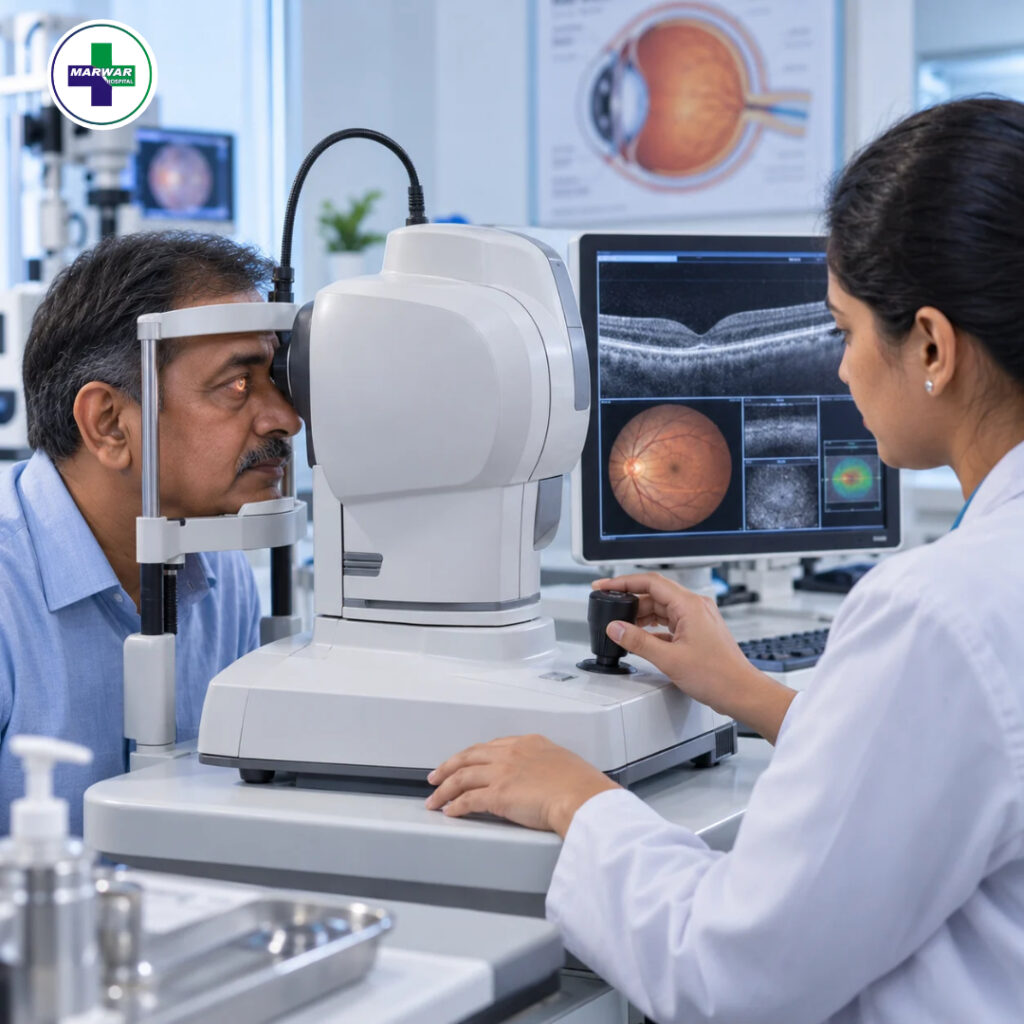
Depending on the patient’s situation, additional tests such as OCT (Optical Coherence Tomography) or retinal imaging may be recommended.
The frequency of eye examinations depends on factors such as the type of diabetes, duration of diabetes, blood sugar control, existing retinal changes and other health conditions.
Your doctor or ophthalmologist can recommend a screening schedule appropriate for your individual needs.
Prevention Tips for Diabetic Eye Problems
Although not every diabetes-related eye complication can be completely prevented, good diabetes management can reduce the risk of complications and help protect vision.
1. Keep Blood Sugar Under Control
Maintaining blood glucose within the target range recommended by your healthcare professional is one of the most important steps in reducing diabetes-related complications.
Long-term exposure to high blood glucose can increase the risk of damage to blood vessels, including the small vessels supplying the retina.
Follow your doctor’s recommendations regarding medication, diet, physical activity and blood glucose monitoring.
2. Monitor Blood Pressure
High blood pressure can increase the risk of complications associated with diabetes. Managing blood pressure can therefore be an important part of protecting overall cardiovascular and eye health.
Check your blood pressure regularly if recommended by your healthcare provider and follow the prescribed treatment plan.
3. Manage Cholesterol Levels
High cholesterol can contribute to blood-vessel problems and may increase the risk of diabetes-related complications.
Regular blood tests can help monitor cholesterol levels. If your doctor recommends lifestyle changes or medication, follow the treatment plan consistently.
4. Do Not Smoke
Smoking can negatively affect blood vessels and overall health. People with diabetes should consider quitting smoking to reduce their risk of complications.
If you smoke and want to quit, speak with a healthcare professional about appropriate support and cessation strategies.
5. Maintain a Healthy Diet
A balanced diet can help support better blood sugar management and overall health.
Try to include a variety of:
- Vegetables
- Fruits in appropriate portions
- Whole grains
- Pulses and legumes
- Lean sources of protein
- Healthy fats
Limit excessive consumption of foods and drinks that are high in added sugar and refined carbohydrates.
Your dietary requirements may vary depending on your diabetes treatment, age, lifestyle and other health conditions. A qualified healthcare professional or dietitian can provide personalised guidance.
6. Stay Physically Active
Regular physical activity can help with blood glucose management, cardiovascular health and overall well-being.
Activities such as walking, cycling, swimming or other suitable exercises can be incorporated according to your health and fitness level.
If you have diabetes or other health concerns, consult your healthcare professional before beginning a new exercise programme.
7. Take Diabetes Medicines as Prescribed
Do not stop or change diabetes medication without consulting your doctor.
Consistent treatment helps maintain better blood glucose control and can reduce the likelihood of diabetes-related complications.
8. Attend Regular Eye Check-Ups
Even if your vision seems normal, regular eye examinations remain important.
Early diabetic retinal changes may not produce noticeable symptoms. Detecting these changes early gives the ophthalmologist an opportunity to recommend appropriate monitoring or treatment.
9. Report Vision Changes Promptly
Never ignore sudden or unexplained changes in eyesight.
Contact an eye specialist if you notice new floaters, flashes, blurred vision, distorted vision or any area of reduced vision.
Prompt evaluation can help determine whether the change is related to diabetic eye disease or another eye condition.

How Are Diabetic Eye Problems Diagnosed?
An ophthalmologist may use several tests to assess the health of the eyes.
Dilated Eye Examination
Eye drops may be used to widen the pupils so that the doctor can examine the retina and optic nerve more clearly.
This examination can help identify abnormalities in retinal blood vessels and other structures.
Retinal Photography
Specialised cameras can capture detailed images of the retina. These images can be useful for detecting and monitoring retinal changes over time.
OCT Scan
OCT creates detailed cross-sectional images of retinal layers. It can be particularly useful when evaluating macular swelling and other retinal abnormalities.
Fluorescein Angiography
In selected cases, a special dye may be injected into a vein so that the blood vessels of the retina can be examined using specialised photography. This test can help identify leaking or abnormal retinal blood vessels.
The tests required will depend on the patient’s symptoms and clinical findings.
Treatment Options for Diabetic Eye Disease
Treatment depends on the type and severity of the eye problem.
For diabetic retinopathy and diabetic macular edema, treatment may include injections of medicines into the eye, laser treatment or surgery in appropriate cases.
Anti-VEGF Injections
Certain medications can be injected into the eye to reduce abnormal blood-vessel activity and retinal swelling. These medicines are commonly used for diabetic macular edema and certain stages of diabetic retinopathy.
Laser Treatment
Laser therapy may be recommended in selected cases to treat abnormal retinal blood vessels or areas of retinal damage.
Surgery
Advanced diabetic retinopathy may sometimes require a surgical procedure called vitrectomy, particularly when there is significant bleeding inside the eye or certain retinal complications.
Cataract Surgery
If diabetes is associated with a cataract that significantly affects vision, cataract surgery may be considered after appropriate evaluation.
Treatment should always be individualised. Not every patient requires the same procedure, and the most suitable option depends on the condition of the eye.
Learn more about our expert ophthalmologist care services here.
Diabetes and Eye Health: The Importance of Early Action
Diabetic eye disease does not always mean that severe vision loss is inevitable. Early diagnosis, good blood sugar management and appropriate treatment can play an important role in protecting vision.
The most effective approach combines diabetes management with regular eye care.
Even when you feel that your eyesight is normal, do not skip recommended eye examinations. Detecting retinal changes before symptoms become noticeable can make a significant difference in long-term eye health.
Diabetic Eye Care at Marwar Hospital Bikaner
People living with diabetes should pay attention not only to their blood sugar but also to their eye health. If you experience blurred vision, floaters, flashes, difficulty reading or other changes in eyesight, an eye examination can help identify the underlying cause.
At Marwar Hospital Bikaner, patients can seek medical evaluation for various eye-related concerns and discuss their symptoms with qualified healthcare professionals. Appropriate examination and timely treatment can help address diabetic eye complications and other vision problems.
If you have diabetes, maintaining regular follow-ups with your physician and ophthalmologist can help you stay proactive about your health.
📍 For immediate assistance, get directions to our hospital on Google Maps. Location: Main Road, Sadul Colony, Bikaner, Rajasthan – 334001.
📞 For expert advice and appointments, contact our hospital today. 2207714, 2208814, 2209914
Conclusion
Diabetes can affect the eyes in several ways, with diabetic retinopathy and diabetic macular edema being among the most important complications. Cataracts and glaucoma may also occur alongside diabetes.
The most important thing to remember is that diabetic eye disease can develop silently. You may not notice any symptoms until significant changes have already occurred. Regular comprehensive eye examinations, good blood sugar control, healthy blood pressure and cholesterol levels, a balanced lifestyle and timely treatment can all contribute to better eye health.
If you are searching for diabetic eye care in Bikaner, consult an ophthalmologist for an appropriate eye examination, particularly if you have had diabetes for several years or are experiencing changes in your vision.
Common diabetic eye problems include diabetic retinopathy, diabetic macular edema, cataracts, glaucoma, and temporary changes in vision caused by fluctuations in blood glucose levels.
Warning signs may include blurred or distorted vision, difficulty reading, dark spots or floaters, flashes of light, reduced vision, difficulty seeing at night, and sudden changes in eyesight. Some diabetic eye problems may have no symptoms initially.
You can help protect your eyes by managing blood sugar, blood pressure, and cholesterol, following prescribed diabetes treatment, maintaining a healthy lifestyle, avoiding smoking, and attending regular comprehensive eye examinations.
The frequency of diabetic eye checkups depends on factors such as the type and duration of diabetes, blood sugar control, existing retinal changes, and other health conditions. An ophthalmologist can recommend a suitable examination schedule.
People looking for diabetic eye care in Bikaner can consult the eye-care team at Marwar Hospital Bikaner for professional evaluation of diabetes-related eye problems and appropriate treatment guidance.