

Dry, irritated, or burning eyes are becoming increasingly common in everyday life. Long hours in front of computers and mobile phones, dusty surroundings, air conditioning, dry weather, contact lens use, and certain health conditions can all contribute to eye discomfort. For some people, the symptoms may appear occasionally, while others may experience persistent dryness that interferes with reading, working, driving, or other daily activities.
Dry eye is more than simply having “less water” in the eyes. Healthy eyes depend on a stable tear film that keeps the surface of the eye moist, comfortable, and protected. Dry eye can occur when the eyes do not produce enough tears or when tears evaporate too quickly or do not function properly.
Fortunately, dry eye symptoms can often be managed with appropriate lifestyle changes, artificial tears, and medical treatment when required. Understanding the causes and recognizing persistent symptoms can help you seek timely professional eye care.
For individuals looking for eye care in Bikaner, Marwar Hospital provides medical services for patients seeking professional evaluation and treatment.
What Is Dry Eye?
Dry eye is a condition in which the eyes do not remain adequately lubricated because the tear film is insufficient or unstable. Tears are essential for maintaining a smooth and healthy eye surface.
When the tear film becomes inadequate, a person may experience burning, scratchiness, redness, irritation, or fluctuating vision.In certain situations, the eyes can produce an unusually large amount of tears, resulting in excessive watering. This may seem surprising, but irritation caused by an unstable tear film can trigger reflex tearing.
Dry eye can be temporary or long-lasting. The cause and severity vary from person to person, so treatment should ideally be based on an eye specialist’s assessment.
Common Symptoms of Dry Eyes
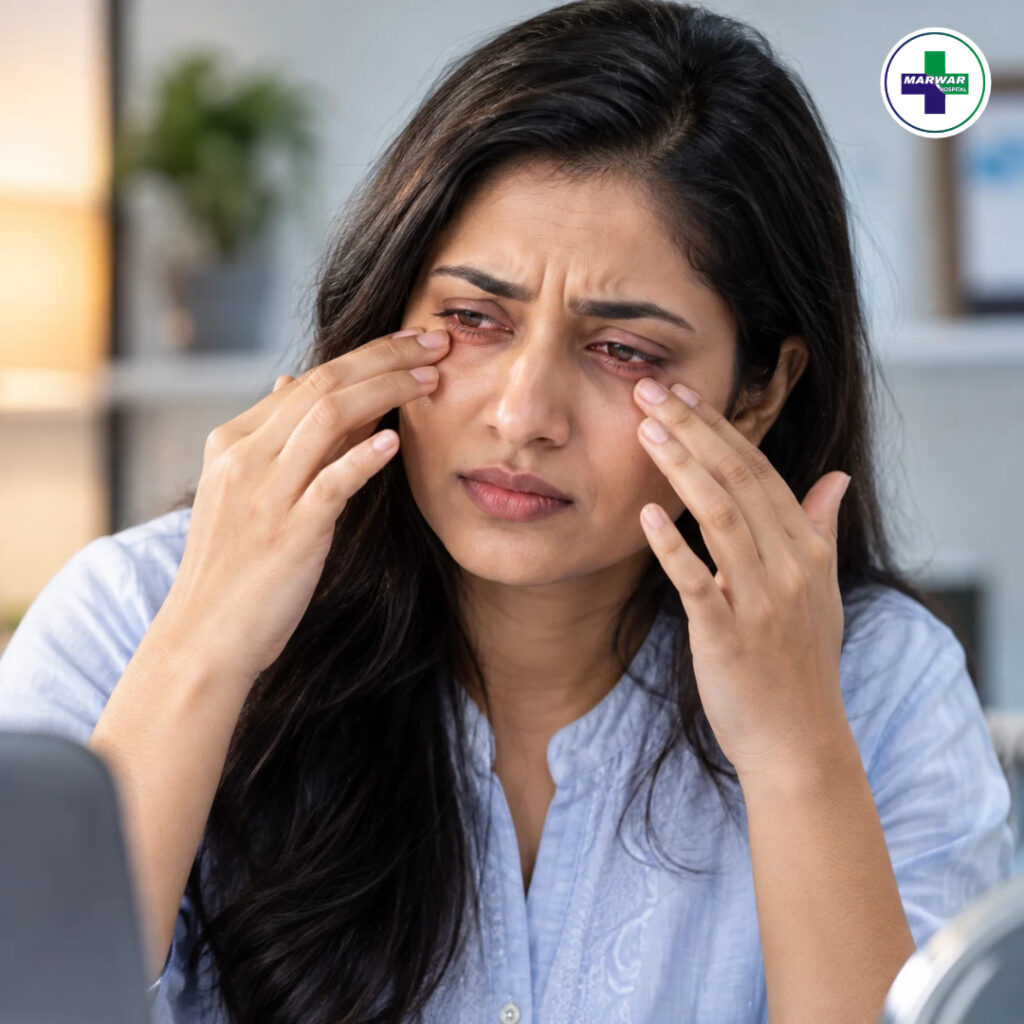
Dry eye symptoms can differ depending on the cause and severity of the condition.
Some of the most common symptoms include:
- Dry or scratchy feeling in the eyes
- Burning or stinging sensation
- Eye irritation
- Redness
- A sensation that something is lodged or trapped inside the eye.
- Excessive watering
- Sensitivity to light
- Blurred or fluctuating vision
- Eye fatigue
- Difficulty wearing contact lenses
- Discomfort while reading or using digital screens
Some people notice that their symptoms become worse toward the end of the day or after spending several hours looking at a computer or smartphone.
What Causes Dry Eyes?
There is rarely one single cause of dry eye. Several factors can contribute to the condition at the same time.
1. Prolonged Screen Use
Computers, smartphones, tablets, and other digital devices have become an important part of work and education. However, people tend to blink less frequently when concentrating on screens.
Reduced blinking can cause the tear film to become unstable and may increase dryness and discomfort. Long periods of uninterrupted screen use can therefore contribute to dry-eye symptoms.
2. Dry, Hot, or Windy Weather
Environmental conditions can significantly affect the eyes. Hot, dry, dusty, smoky, or windy surroundings may cause tears to evaporate more quickly.
People living in regions with dry climates may notice more eye irritation during certain seasons or when exposed to dust and strong winds.
3. Air Conditioning
Air conditioners reduce humidity in indoor environments. Direct exposure to air blowing toward the face can increase tear evaporation and make dry-eye symptoms more noticeable.
If possible, avoid directing an air-conditioner vent directly toward your eyes.
4. Age
The likelihood of experiencing dry eye can increase with age. Changes in tear production and the tear film may occur as people get older.
Older adults should pay attention to persistent eye discomfort rather than assuming that dryness is simply a normal part of ageing.
5. Contact Lens Use
Some contact lens users experience dryness or discomfort, particularly when lenses are worn for extended periods.
If contact lenses consistently cause irritation, redness, or dryness, an eye specialist should evaluate the situation. The type of lens, wearing schedule, eye surface condition, and lens hygiene may all need to be considered.
6. Certain Medicines
Some medications can contribute to dry-eye symptoms. Medicines used for allergies, colds, depression, high blood pressure, and other conditions may sometimes be associated with dryness.
If you suspect that a medicine is contributing to your symptoms, do not stop prescribed medication on your own. Discuss the concern with your doctor.
7. Medical Conditions
Certain health conditions can increase the risk of dry eye. These include diabetes, thyroid-related problems, and some autoimmune conditions.
People with ongoing medical conditions should inform their eye specialist about their health history and medications.
8. Hormonal Changes
Hormonal changes can influence tear production and eye comfort. Dry eye may be more common during certain stages of life when hormonal changes occur.
9. Previous Eye Surgery
Some people may experience temporary or persistent dry-eye symptoms after certain types of eye surgery. If dryness continues after a procedure, an ophthalmologist can assess the eye surface and recommend appropriate treatment.

Who Is More Likely to Develop Dry Eyes?
Dry eye can affect almost anyone, but certain people may have a higher risk.
Risk factors can include:
- Increasing age
- Prolonged screen use
- Contact lens use
- Exposure to dust, smoke, wind, or dry air
- Certain medications
- Certain medical conditions
- Previous eye surgery
- Eyelid-related problems
- Inadequate blinking during visually demanding activities
Having one or more risk factors does not necessarily mean that a person will develop dry eye, but it can make symptoms more likely.
How Is Dry Eye Diagnosed?
If dryness or irritation continues, an eye specialist may perform a detailed eye examination.
The evaluation may include examination of the eyelids and surface of the eyes, along with tests designed to assess the quantity and stability of tears.
Tear Production Test
A Schirmer test may be used to assess how much tear fluid the eyes produce. A small strip of special paper is placed near the lower eyelid and the amount of moisture produced over a specific period is assessed.
Tear Film Stability Test
A tear break-up time test can help determine how long the tear film remains stable after blinking. An unstable tear film may be associated with dry eye.
Slit-Lamp Examination
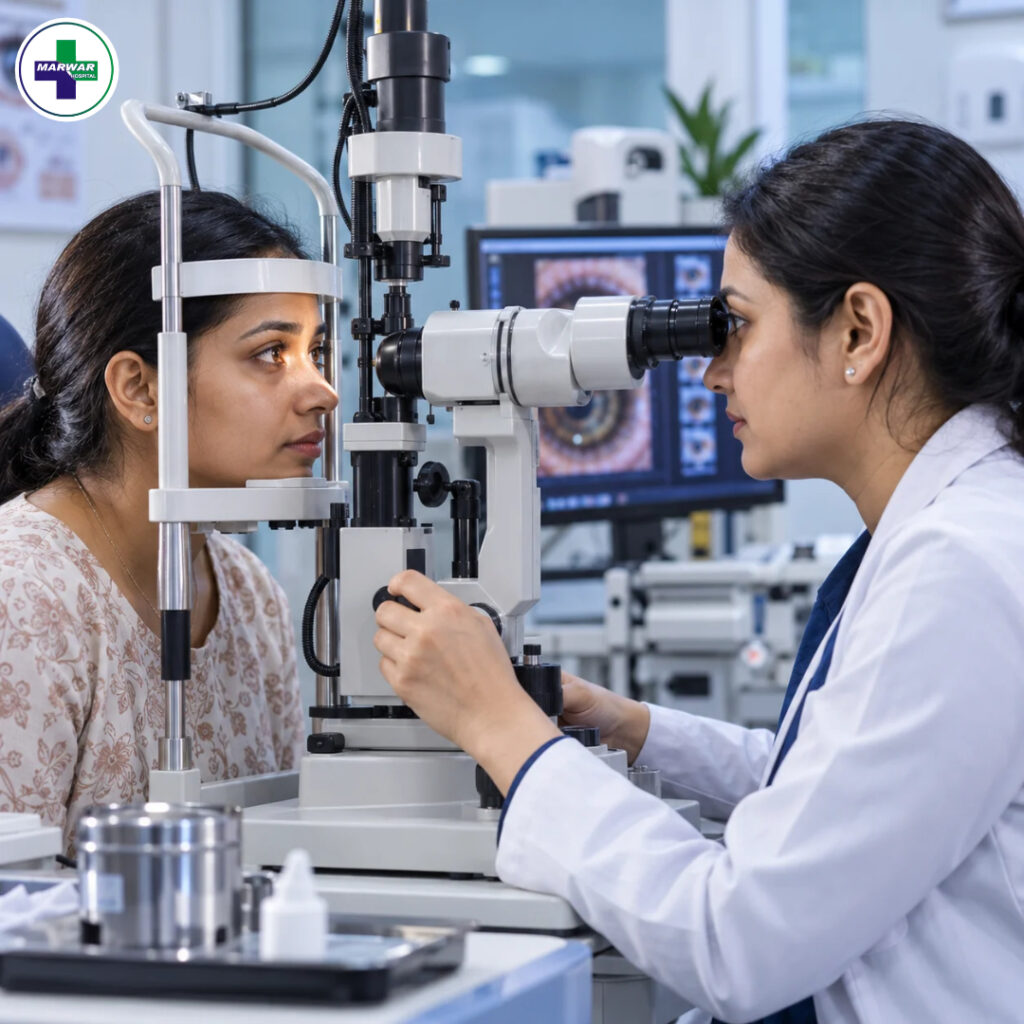
A slit lamp allows the eye specialist to examine the eyelids, cornea, conjunctiva, and other structures under magnification. This can help identify signs of irritation or other eye-surface problems.
The exact tests required depend on the patient’s symptoms and the doctor’s assessment.
Dry Eye Treatment Options
Treatment for dry eye is not identical for everyone. The most suitable approach depends on the underlying cause, severity, and overall eye health.
1. Artificial Tears
Artificial tear drops are commonly used to provide additional lubrication and relieve mild dry-eye symptoms.
If artificial tears are needed frequently, an eye specialist may recommend preservative-free formulations in appropriate cases.
It is important to choose eye drops based on professional advice rather than repeatedly using drops designed only to reduce redness.
2. Prescription Eye Drops
For persistent or more significant dry-eye disease, an ophthalmologist may prescribe medication designed to address inflammation or improve tear production.
Prescription treatment should only be used according to medical advice.
3. Warm Compresses
Warm compresses may be recommended in certain cases, particularly when eyelid or oil-gland problems contribute to tear-film instability.
An eye specialist can advise whether warm compresses are appropriate and how they should be performed.
4. Managing Eyelid Problems
Problems affecting the eyelids or the glands that contribute to the tear film can sometimes worsen dry eye.
Treatment may involve eyelid hygiene, warm compresses, massage, or other measures depending on the underlying problem.
5. Tear-Conserving Treatments
In selected patients, an ophthalmologist may recommend procedures that help keep tears on the eye for longer.
One option is the use of punctal plugs, tiny devices that reduce drainage of tears from the eye. This treatment is not necessary for everyone and is considered according to individual circumstances.
6. Treating the Underlying Cause
If another health condition, medication, eyelid problem, or environmental factor is contributing to dry eye, addressing that factor may help improve symptoms.
This is why identifying the cause is an important part of effective dry-eye management.
Learn more about our expert ophthalmologist care services here.
Simple Tips to Reduce Dry Eye Symptoms
Along with professional treatment, everyday habits can make a difference.
Follow the 20-20-20 Habit
When working continuously on a screen, take regular breaks and look at something farther away. This can help reduce visual fatigue.
Blink More Often
Consciously blinking more frequently during prolonged screen work can help spread tears across the eye surface.
Avoid Direct Airflow
Keep fans and air-conditioner vents from blowing directly toward your face.
Protect Your Eyes Outdoors
Wraparound sunglasses can help reduce exposure to wind and environmental conditions that increase tear evaporation.
Stay Hydrated
Adequate fluid intake supports general health and can be part of a healthy routine for people experiencing dry-eye symptoms.
Get Adequate Sleep
Poor sleep can contribute to eye discomfort and fatigue. Maintaining a consistent sleep routine can support overall eye comfort.
Keep Contact Lenses Clean
Contact lens users should follow their eye-care professional’s instructions regarding lens cleaning, replacement, and wearing duration.
Never sleep in contact lenses unless specifically advised by a qualified eye-care professional.
What Should You Avoid If You Have Dry Eyes?
Certain habits may worsen eye irritation.
Try to avoid:
- Rubbing your eyes repeatedly
- Spending long periods without screen breaks
- Direct exposure to strong fans or air conditioners
- Smoke and dusty environments
- Using someone else’s eye drops
- Using prescription eye drops without medical advice
- Continuing contact lens use despite significant irritation without consulting an eye specialist
If symptoms keep returning, simply using over-the-counter drops may not address the underlying cause.
When Should You See an Eye Specialist?
Occasional mild dryness may improve with simple lifestyle changes. However, persistent or worsening symptoms should be professionally evaluated.
You should consider seeing an eye specialist if you have:
- Persistent eye dryness
- Repeated burning or stinging
- Ongoing redness
- Frequent blurred or fluctuating vision
- Significant light sensitivity
- Difficulty wearing contact lenses
- Eye pain
- Symptoms that interfere with work or daily activities
- Dry-eye symptoms that do not improve with basic measures
Severe eye pain, sudden vision changes, significant redness, or an eye injury requires prompt medical attention.

Why Timely Eye Care Matters
Many people ignore dry eyes because the symptoms initially seem minor. However, persistent dryness can affect quality of life and, in more severe cases, may contribute to damage of the eye’s surface.
Getting an eye examination can help determine whether the symptoms are actually caused by dry eye or another eye condition that requires different treatment.
Early evaluation is particularly important when symptoms are persistent, recurrent, or associated with changes in vision.
Dry Eye Care at Marwar Hospital Bikaner
For patients searching for professional eye care in Bikaner, Marwar Hospital offers healthcare services where patients can seek medical evaluation for eye-related concerns.
If you are experiencing recurring dryness, irritation, blurred vision, or other eye symptoms, an ophthalmic evaluation can help identify the possible cause and determine an appropriate treatment approach.
Rather than repeatedly treating symptoms on your own, a professional examination can provide a clearer understanding of your eye health and help you choose suitable care.
Conclusion
Dry eye is a common eye condition that can affect comfort and vision. Prolonged screen use, dry weather, dust, wind, air conditioning, contact lens use, ageing, certain medicines, medical conditions, and other factors may contribute to its development.
The good news is that many people can manage dry-eye symptoms effectively with appropriate treatment and lifestyle changes. Artificial tears, screen breaks, regular blinking, protection from dry or windy environments, proper contact lens care, and medical treatment when required can all play a role in improving eye comfort.
However, persistent dry eye should not simply be ignored. The underlying cause may need to be identified before the most appropriate treatment can be selected.
If you are experiencing ongoing eye dryness, burning, redness, irritation, or fluctuating vision, consider consulting a qualified eye specialist. A timely examination can help protect the surface of your eyes and support better long-term eye health.
For professional eye evaluation and healthcare support in Bikaner, patients can consider Marwar Hospital Bikaner for appropriate medical consultation and guidance.
📍 For immediate assistance, get directions to our hospital on Google Maps. Location: Main Road, Sadul Colony, Bikaner, Rajasthan – 334001.
📞 For expert advice and appointments, contact our hospital today. 2207714, 2208814, 2209914
Common symptoms of dry eyes include burning, stinging, redness, irritation, a scratchy feeling, excessive watering, light sensitivity, eye fatigue, and blurred or fluctuating vision.
Common symptoms of dry eyes include burning, stinging, redness, irritation, a scratchy feeling, excessive watering, light sensitivity, eye fatigue, and blurred or fluctuating vision.
Dry eye treatment depends on its underlying cause and severity. Treatment may include artificial tears, prescription eye drops, warm compresses, eyelid care, punctal plugs, lifestyle changes, and treatment of contributing medical conditions.
You can help reduce dry eye symptoms by taking regular screen breaks, blinking frequently, avoiding direct airflow from fans or air conditioners, staying hydrated, getting adequate sleep, protecting your eyes outdoors, and maintaining proper contact lens hygiene.
You should consult an eye specialist if dryness, burning, redness, irritation, light sensitivity, or blurred vision persists or interferes with daily activities. Severe eye pain, sudden vision changes, significant redness, or an eye injury requires prompt medical attention.