
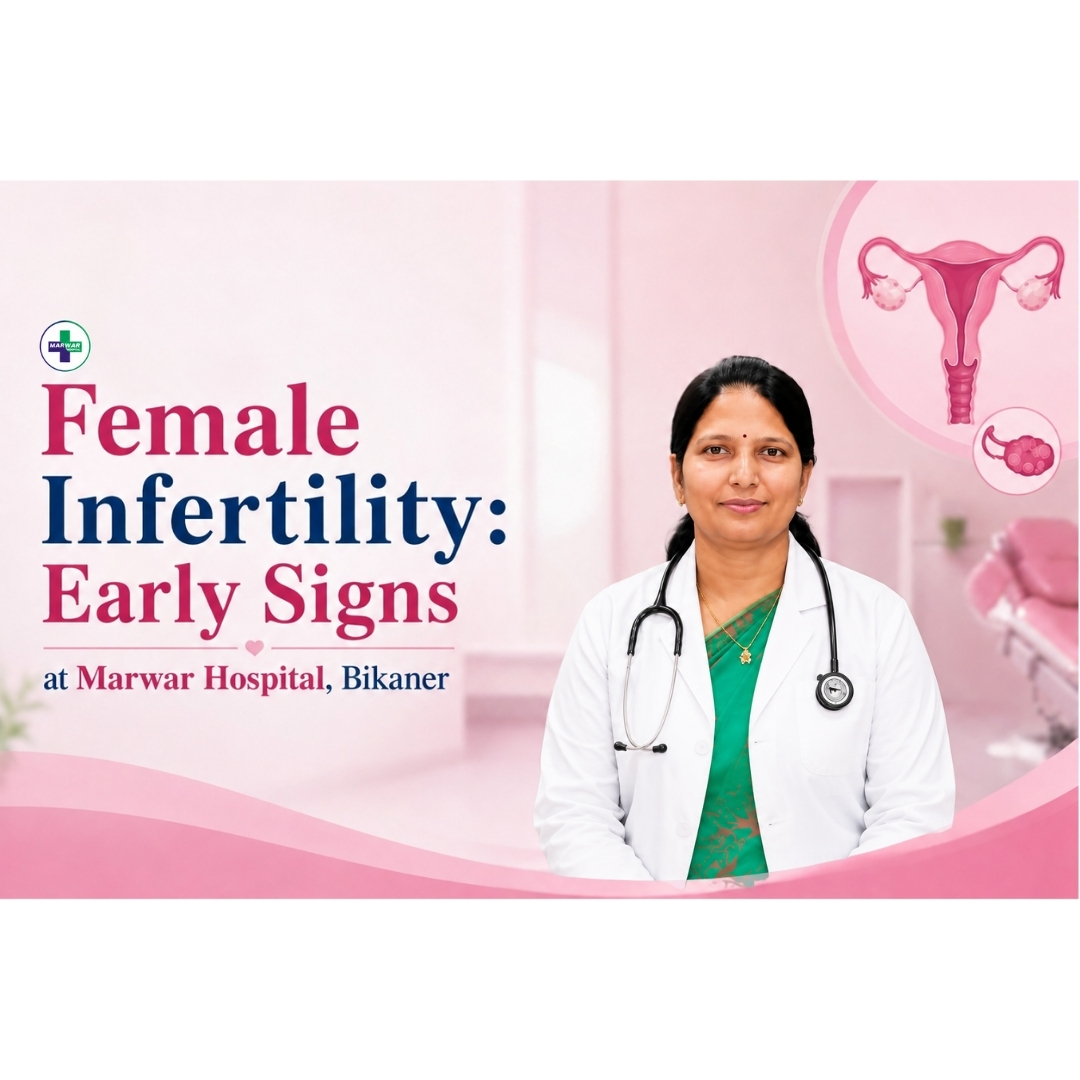
For many couples, parenthood is a lifelong aspiration, but some experience fertility difficulties that require timely medical evaluation and guidance.
Female infertility is a common health concern that affects women of all ages. With early diagnosis and appropriate treatment, many women can successfully achieve pregnancy. Understanding when to seek medical advice is the first step toward overcoming fertility challenges.
If pregnancy has not occurred despite regular attempts, consulting an experienced gynecologist can help determine the underlying cause and recommend the most suitable fertility treatment options. At Marwar Hospital, Bikaner, women receive comprehensive fertility evaluations and personalized gynecological care designed to improve their chances of conception.
What Is Female Infertility?
Female infertility refers to the inability of a woman to conceive despite having regular, unprotected sexual intercourse for a specific period.
When Should You Seek Medical Advice?
- Women younger than 35 years: Consult a gynecologist if pregnancy has not occurred after 12 months of trying.
- Women aged 35 years or older: Seek medical evaluation after 6 months of unsuccessful attempts.
- Women with irregular periods, recurrent miscarriages, or known reproductive disorders: Consult a gynecologist without waiting for the above timelines.
Infertility is a treatable medical condition—not a personal failure. Advances in diagnostic techniques and fertility treatments have significantly improved pregnancy outcomes for many women.
Common Causes of Female Infertility
Several medical conditions and lifestyle factors can affect a woman’s ability to conceive. In many cases, infertility results from more than one underlying cause, making a thorough medical evaluation essential.
1. Ovulation Disorders
Regular ovulation is essential for natural conception. Conditions that interfere with ovulation are among the most common causes of female infertility.
Common Ovulation Disorders Include:
- Polycystic Ovary Syndrome (PCOS)
- Hormonal imbalance
- Thyroid disorders
- Elevated prolactin levels
- Premature ovarian insufficiency
Women with irregular or absent menstrual periods often have ovulation-related problems.
2. Blocked Fallopian Tubes
The fallopian tubes provide the pathway where the egg and sperm meet for fertilization. If these tubes become blocked due to infection, previous surgery, pelvic inflammatory disease, tuberculosis, or endometriosis, natural conception may become difficult.
3. Endometriosis
Endometriosis is a condition in which tissue similar to the uterine lining grows outside the uterus. It can involve the ovaries, fallopian tubes, and nearby pelvic organs, causing pain, inflammation, and reduced fertility.
4. Uterine Abnormalities
Certain conditions affecting the uterus may interfere with embryo implantation or pregnancy.
These Include:
- Uterine fibroids
- Endometrial polyps
- Congenital uterine abnormalities
- Scar tissue inside the uterus (Asherman’s syndrome)
5. Age-Related Fertility Decline
Female fertility naturally declines with age, particularly after 35 years. As egg quality and ovarian reserve decrease, the chances of pregnancy also reduce.
6. Lifestyle Factors
Daily lifestyle habits play an important role in reproductive health.
Factors That May Reduce Fertility Include:
- Smoking
- Excessive alcohol consumption
- Obesity
- Being underweight
- Poor nutrition
- Lack of physical activity
- High stress levels
- Inadequate sleep
Adopting healthier lifestyle habits can improve fertility and overall well-being.

Signs You Should Consult a Gynecologist
Many women delay seeking medical advice, which can postpone diagnosis and reduce treatment options.
Consult a Gynecologist If You Experience:
- Unable to conceive after 1 year (if under 35 years)
- Unable to conceive after 6 months (if 35 years or older)
- Irregular or missed menstrual periods
- Extremely painful menstrual cycles
- Very heavy menstrual bleeding
- Recurrent miscarriages
- Severe pelvic pain
- History of pelvic infections
- Previous abdominal or pelvic surgery
- Diagnosed PCOS or endometriosis
- Thyroid disorders or hormonal imbalance
Ignoring these symptoms may delay appropriate treatment and reduce the chances of successful conception.
Why Early Fertility Evaluation Is Important
Many fertility conditions can be treated successfully when diagnosed early. Delaying consultation may reduce available treatment options, especially for women above the age of 35.
Benefits of Early Fertility Assessment
- Identifies hormonal disorders
- Detects ovulation problems
- Evaluates ovarian reserve
- Assesses uterine health
- Checks fallopian tube patency
- Diagnoses endometriosis
- Detects pelvic infections
- Helps plan the most appropriate fertility treatment
Early diagnosis saves valuable time and improves the likelihood of a successful pregnancy.
What to Expect During Your Gynecology Consultation
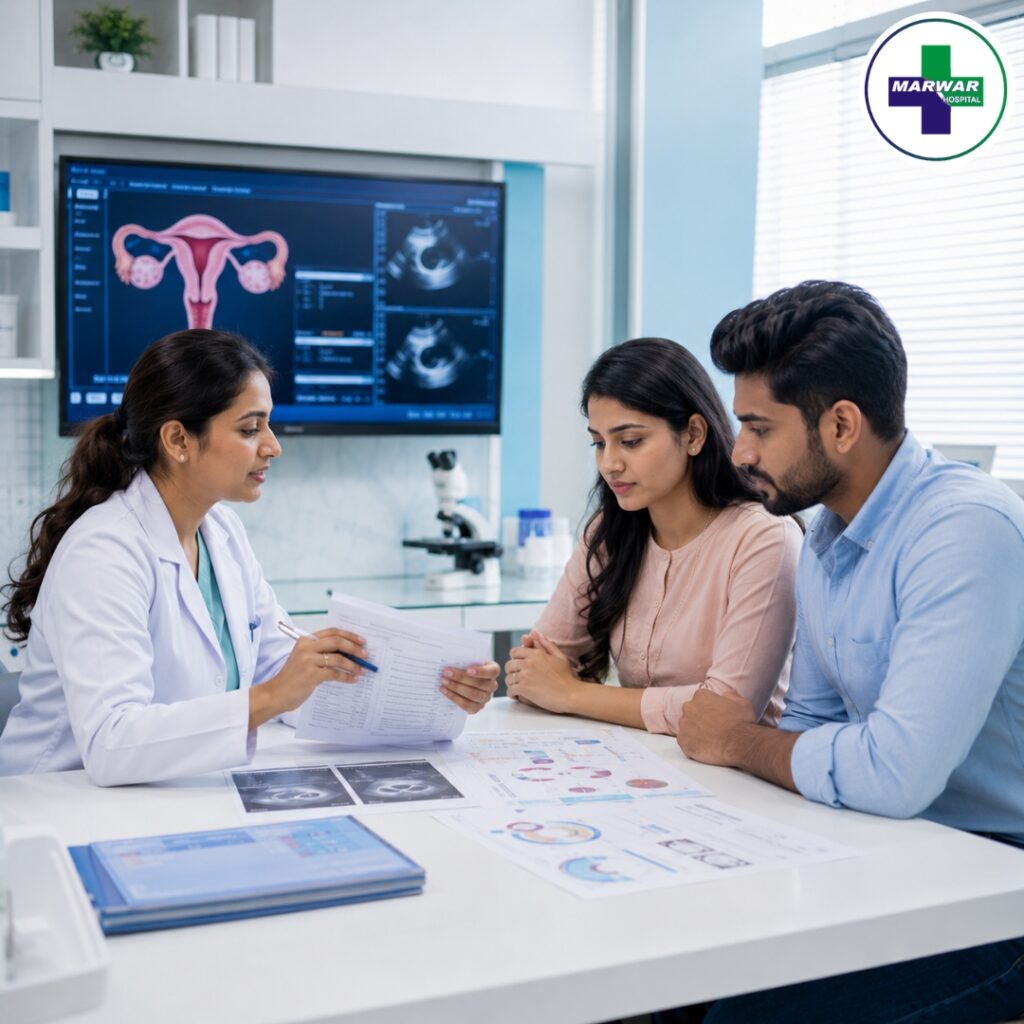
During your first consultation, the gynecologist will take a detailed medical and reproductive history.
The Doctor May Ask About:
- Duration of infertility
- Menstrual cycle pattern
- Previous pregnancies
- Previous miscarriages
- Existing medical conditions
- Surgical history
- Current medications
- Lifestyle habits
- Family medical history
- Frequency of sexual intercourse
This information helps determine which diagnostic tests are required.
Learn more about our expert gynaecologist care services here.
Diagnostic Tests for Female Infertility
A complete fertility assessment may include several investigations to identify the underlying cause of infertility.
Hormone Testing
Blood tests measure hormone levels to assess ovulation, reproductive health, and potential causes of female infertility.
Common Hormone Tests Include:
- FSH (Follicle Stimulating Hormone)
- LH (Luteinizing Hormone)
- AMH (Anti-Müllerian Hormone)
- Thyroid hormones
- Prolactin
- Progesterone
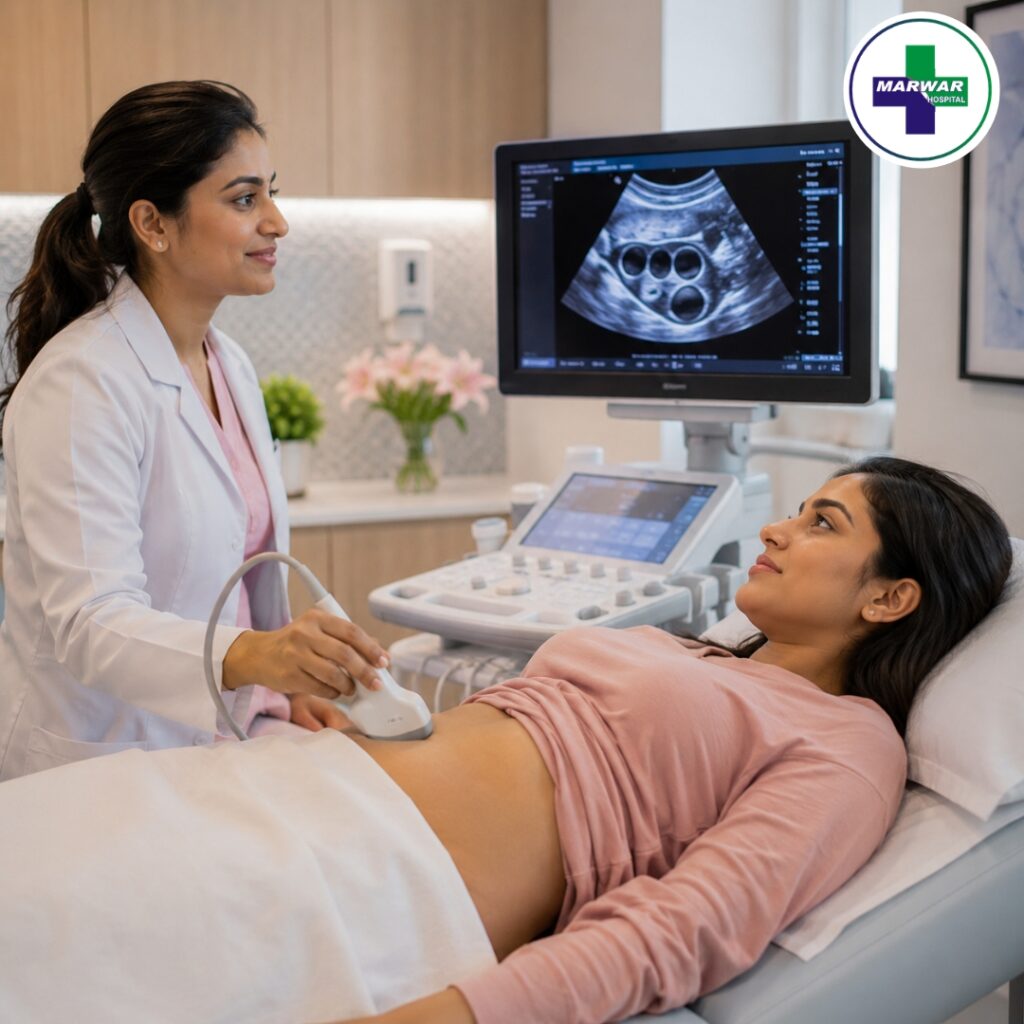
Pelvic Ultrasound Examination
Ultrasound helps evaluate:
- Ovarian follicles
- Ovarian cysts
- Uterine structure
- Uterine fibroids
- Endometrial thickness
Ovulation Monitoring
Regular ultrasound monitoring helps determine whether ovulation is occurring normally and identifies the most fertile period.
Hysterosalpingography (HSG)
HSG is a specialized X-ray procedure used to:
- Check whether the fallopian tubes are open
- Evaluate the shape of the uterine cavity
Hysteroscopy
A thin camera is inserted into the uterus to identify abnormalities such as:
- Uterine polyps
- Fibroids
- Adhesions
- Congenital abnormalities
Laparoscopy
In selected cases, minimally invasive surgery may be recommended to diagnose or treat:
- Endometriosis
- Pelvic adhesions
- Tubal disease
- Ovarian abnormalities
Treatment Options for Female Infertility
Treatment depends on the underlying cause, the woman’s age, the duration of infertility, and overall reproductive health.
1. Lifestyle Modification
Simple lifestyle improvements can significantly increase fertility.
Recommended Lifestyle Changes:
- Maintain a healthy body weight
- Eat a balanced diet
- Exercise regularly
- Manage stress effectively
- Avoid smoking
- Limit alcohol consumption
- Get adequate sleep
2. Ovulation Induction
Women who do not ovulate regularly may benefit from medications that stimulate ovulation under expert medical supervision.
3. Hormonal Therapy
Hormonal imbalances involving the thyroid gland or prolactin can often be corrected with medications, helping restore fertility.
4. PCOS Management
Treatment may include:
- Weight management
- Lifestyle modification
- Ovulation-inducing medications
- Blood sugar control (when necessary)

5. Surgical Treatment
Certain structural abnormalities may require surgery.
Common Surgical Procedures Include:
- Removal of uterine fibroids
- Removal of endometrial polyps
- Treatment of endometriosis
- Correction of uterine abnormalities
- Repair of blocked fallopian tubes in selected cases
6. Assisted Reproductive Techniques
When conventional fertility treatments do not result in pregnancy, assisted reproductive techniques may be recommended based on the patient’s individual condition and fertility goals.
Emotional Impact of Infertility
Infertility affects not only physical health but also emotional well-being. Feelings of stress, anxiety, frustration, sadness, and uncertainty are common among couples trying to conceive.
Seeking medical support early provides reassurance, accurate information, and a structured treatment plan. Open communication with healthcare providers, family members, and support systems can help reduce emotional stress throughout the fertility journey.
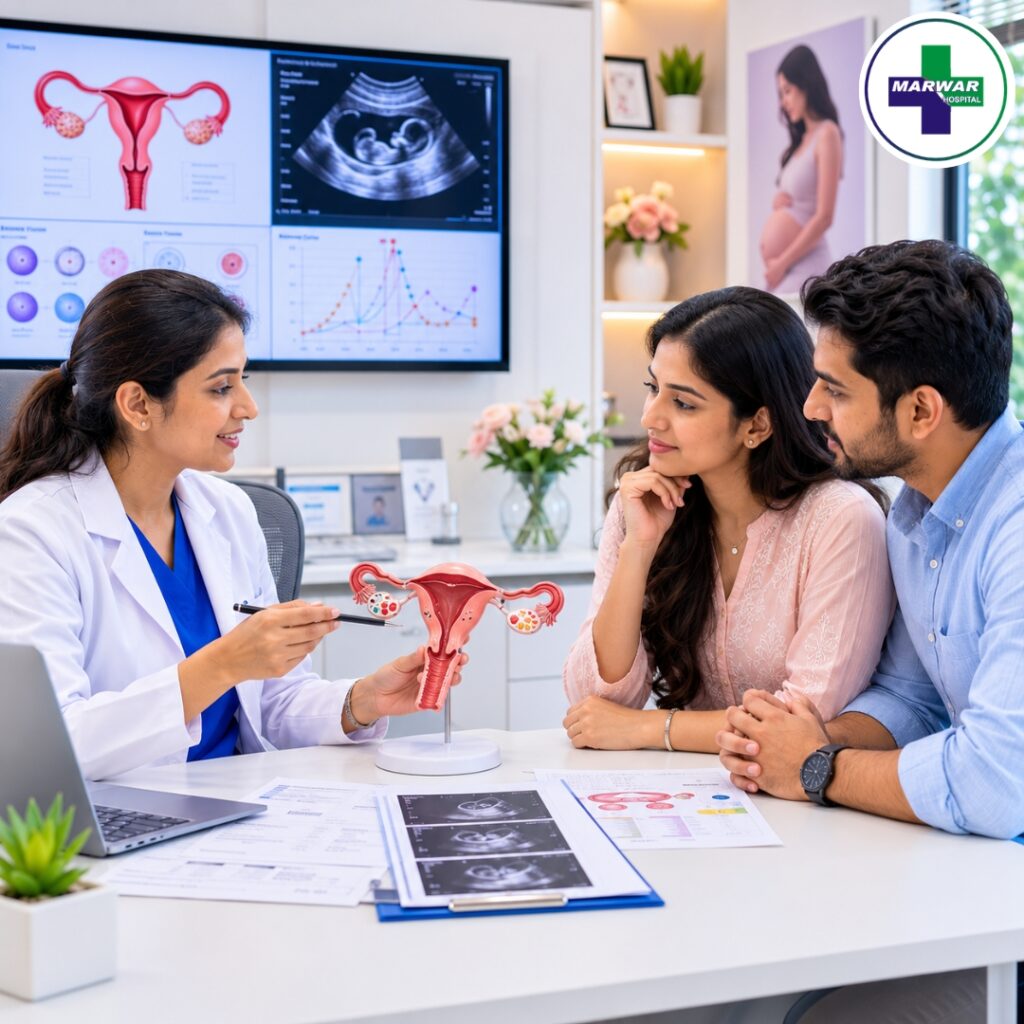
Preparing for Your Gynecology Appointment
Being prepared for your consultation helps your doctor make an accurate assessment and recommend the most appropriate treatment plan.
Before Your Appointment:
- Bring previous medical records and investigation reports.
- Note the dates of your last few menstrual cycles.
- List all medications and supplements you are taking.
- Be prepared to discuss your medical, surgical, and reproductive history.
- Write down any questions or concerns you would like to discuss with your gynecologist.
- If possible, attend the appointment with your partner, as infertility evaluation often involves both partners.
Proper preparation ensures a more productive consultation and helps your gynecologist develop a personalized fertility care plan.
Conclusion
Female infertility is a common yet treatable condition, and seeking medical advice at the right time can make a significant difference in achieving a successful pregnancy. Recognizing early signs such as irregular menstrual cycles, difficulty conceiving, recurrent miscarriages, or pelvic pain allows for timely diagnosis and appropriate treatment. With advances in fertility evaluation and personalized care, many women can overcome infertility and move closer to their dream of parenthood.
At Marwar Hospital, Bikaner, our experienced gynecologists provide comprehensive fertility assessments, advanced diagnostic services, and individualized treatment plans tailored to each woman’s unique needs. Whether infertility is related to PCOS, hormonal imbalance, ovulation disorders, endometriosis, or other reproductive health conditions, our dedicated team is committed to offering compassionate, evidence-based care. If you are facing challenges in conceiving, don’t delay seeking expert guidance—early intervention can improve your chances of a healthy pregnancy and support your long-term reproductive health.
📍 For immediate assistance, get directions to our hospital on Google Maps. Location: Main Road, Sadul Colony, Bikaner, Rajasthan – 334001.
📞 For expert advice and appointments, contact our hospital today. 2207714, 2208814, 2209914
Early signs of female infertility may include difficulty conceiving after regular unprotected intercourse, irregular or missed periods, painful or heavy menstrual cycles, recurrent miscarriages, pelvic pain, and hormonal symptoms such as acne or excessive facial hair. Consulting a gynecologist early can help identify the underlying cause.
Women under 35 should consult a gynecologist if they have not conceived after one year of trying. Women aged 35 or older should seek medical advice after six months. Immediate evaluation is also recommended for women with irregular periods, PCOS, endometriosis, recurrent miscarriages, or other reproductive health concerns.
Yes. Irregular or absent menstrual periods often indicate ovulation problems, which are one of the leading causes of female infertility. A gynecologist can perform hormone tests and other evaluations to determine the cause and recommend appropriate treatment.
Female infertility is diagnosed through a combination of medical history, physical examination, hormone blood tests, pelvic ultrasound, ovulation monitoring, HSG (Hysterosalpingography), hysteroscopy, and laparoscopy when required. These tests help identify the exact cause of infertility.
Marwar Hospital, Bikaner, offers comprehensive female infertility evaluation with experienced gynecologists, advanced diagnostic facilities, personalized treatment plans, PCOS management, hormonal assessment, and compassionate fertility care to help women improve their chances of a healthy pregnancy.