
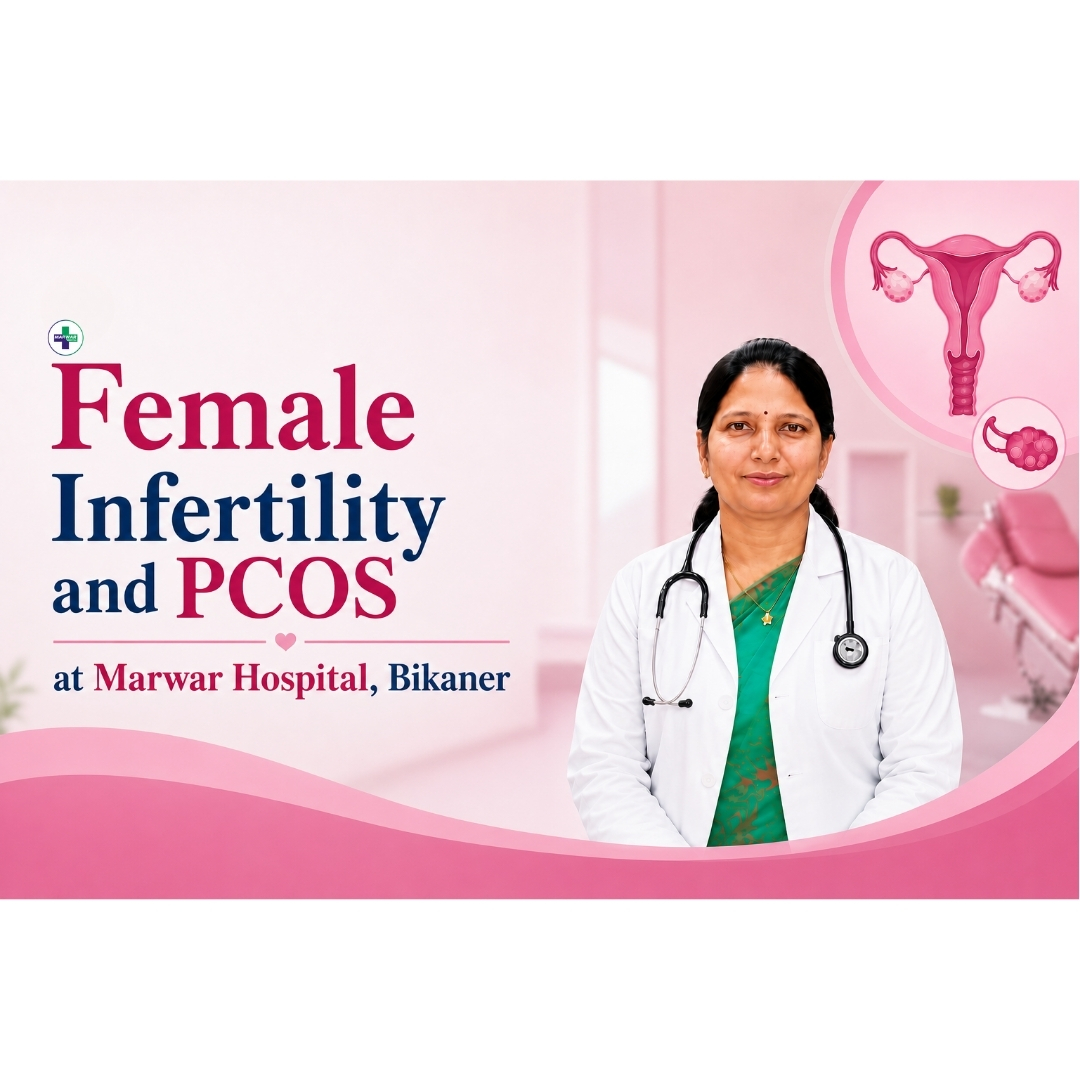
Understanding Female Infertility and PCOS
Polycystic Ovary Syndrome (PCOS) is a common hormonal condition that affects women during their reproductive years and is recognized as one of the major contributors to female infertility. While a diagnosis of PCOS can feel overwhelming, it does not mean pregnancy is impossible. With timely diagnosis, proper medical care, and lifestyle modifications, many women with PCOS can successfully conceive and enjoy a healthy pregnancy.
At Marwar Hospital, Bikaner, our experienced gynecology team provides comprehensive evaluation and personalized treatment for women facing infertility due to PCOS and other reproductive health conditions. We combine advanced diagnostic facilities with compassionate care to help every woman achieve her reproductive health goals.
What is PCOS?
Polycystic Ovary Syndrome (PCOS) is a hormonal disorder in which the ovaries produce excessive levels of androgens, disrupting the normal hormonal balance and affecting ovulation, menstrual cycles, and fertility.This hormonal imbalance interferes with normal ovulation, causing irregular menstrual cycles and reducing fertility.
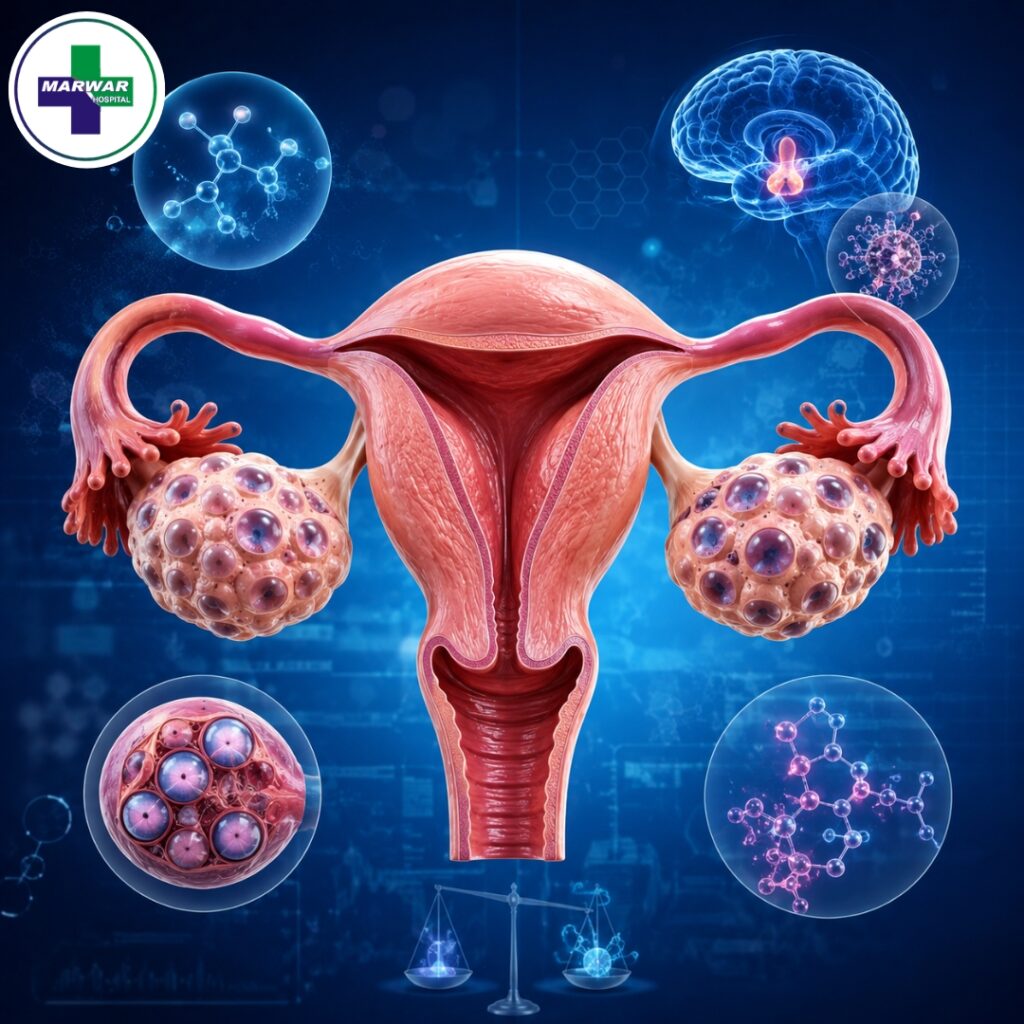
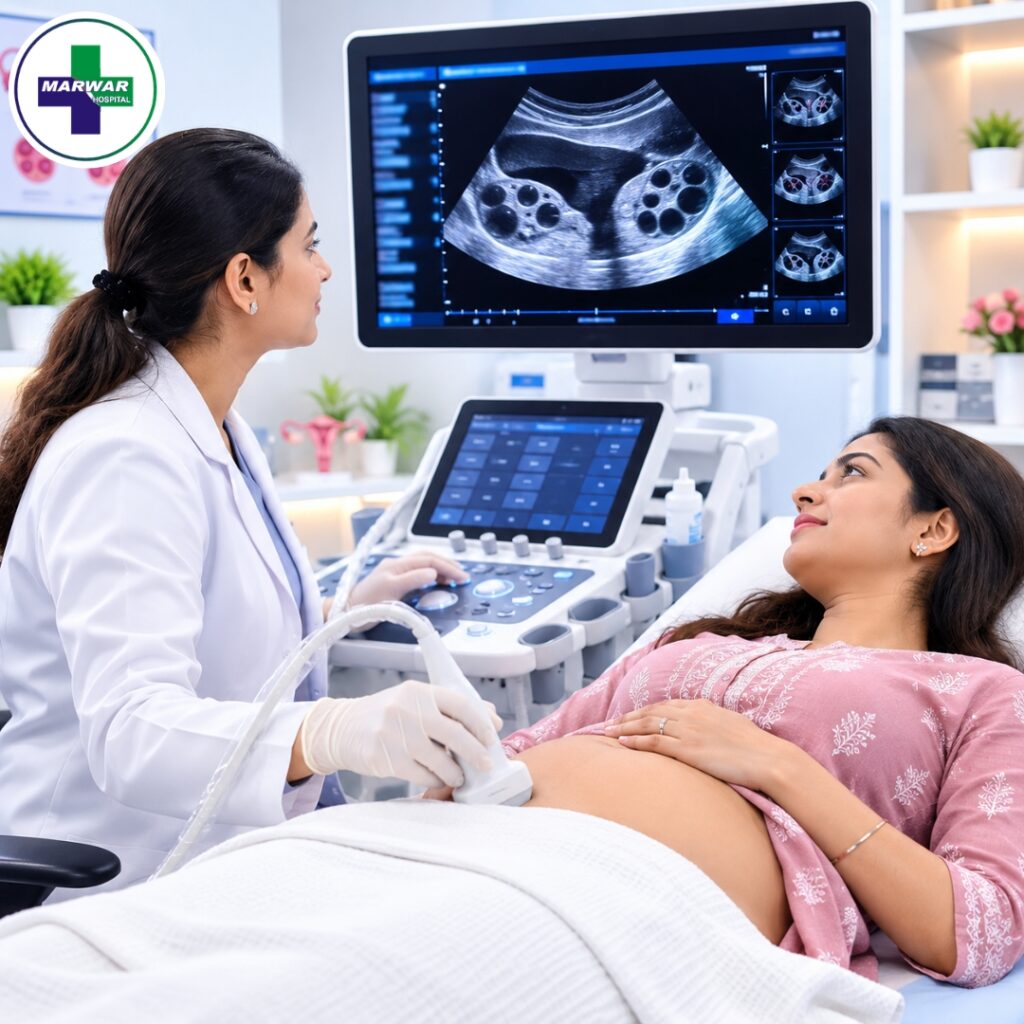
Many women with PCOS have multiple small follicles in their ovaries that may appear as tiny cysts on an ultrasound. However, not every woman with PCOS develops cysts, and not all ovarian cysts indicate PCOS.
PCOS affects women differently. Some experience mild symptoms, while others face significant challenges related to
How PCOS Affects Female Fertility
For pregnancy to occur, the ovary must release a mature egg during each menstrual cycle. In women with PCOS, ovulation may occur irregularly or stop altogether.
Without regular ovulation:
- Eggs are not released consistently.
- Menstrual cycles become irregular.
- Fertilization becomes difficult.
- Chances of natural conception decrease.
Although PCOS is a common cause of infertility, many women successfully conceive after appropriate treatment and ovulation management.
Common Symptoms of PCOS
Symptoms vary from one woman to another but may include:
- Irregular or missed periods
- Difficulty becoming pregnant
- Excess facial or body hair (hirsutism)
- Persistent acne
- Oily skin
- Weight gain or difficulty losing weight
- Thinning hair or hair loss
- Dark patches of skin around the neck or underarms
- Mood changes
- Fatigue
Some women may have regular periods yet still experience ovulation problems, making medical evaluation important.
Causes and Risk Factors of PCOS
The exact reason why PCOS develops is still not fully understood, but a combination of genetic, hormonal, and lifestyle factors is believed to play a role.
Hormonal Imbalance
High levels of androgens can disrupt the normal functioning of the ovaries, making regular ovulation difficult.
Insulin Resistance
Many women with PCOS develop insulin resistance, causing the body to produce more insulin. High insulin levels can stimulate the ovaries to produce more androgens, which may worsen the symptoms of PCOS.
Genetics
PCOS often runs in families. Women with a mother or sister diagnosed with PCOS may have a higher risk of developing the condition.
Chronic Inflammation
Low-grade inflammation may stimulate increased androgen production and contribute to hormonal imbalance.
PCOS and Female Infertility
PCOS is responsible for a significant number of infertility cases caused by ovulation disorders.
Women with PCOS may experience:
- Delayed ovulation
- Absent ovulation (anovulation)
- Poor egg development
- Hormonal imbalance
- Difficulty maintaining regular menstrual cycles
Fortunately, early diagnosis and individualized treatment can restore ovulation in many women and improve the chances of conception.
Other Health Problems Associated with PCOS
PCOS affects more than fertility. It can also increase the risk of:
- Type 2 diabetes
- High blood pressure
- High cholesterol
- Obesity
- Sleep apnea
- Fatty liver disease
- Anxiety and depression
- Endometrial hyperplasia
- Endometrial cancer (if prolonged untreated irregular periods occur)
Regular medical follow-up helps reduce these long-term health risks.
When Should You See a Gynecologist?
Consult a gynecologist if you experience:
- Irregular menstrual cycles
- No periods for several months
- Difficulty conceiving after one year (or six months if above 35 years)
- Excess facial hair
- Persistent acne
- Unexplained weight gain
- Hair thinning
- Pelvic pain
- Recurrent miscarriages
Early medical attention can significantly improve treatment outcomes.
Diagnosis of PCOS and Female Infertility
At Marwar Hospital, Bikaner, a detailed fertility evaluation may include:
Medical History
Your doctor will review:
- Menstrual cycle history
- Pregnancy history
- Family history of PCOS or diabetes
- Lifestyle habits
- Previous treatments
Physical Examination
A thorough medical examination helps evaluate hormonal balance and assess overall reproductive health
Blood Tests
These may include:
- Hormone profile
- Thyroid function
- Blood sugar levels
- Insulin levels
- Prolactin levels
- Ovarian reserve tests
Pelvic Ultrasound
Ultrasound helps evaluate:
- Ovarian appearance
- Follicle development
- Uterine health
- Endometrial thickness

Ovulation Monitoring
Ovulation tracking helps determine if the ovaries are releasing eggs regularly during the menstrual cycle.
Treatment Options for PCOS and Female Infertility
Treatment depends on symptoms, age, fertility goals, and overall health.
Lifestyle Modification
Lifestyle improvement is often the first step.
Recommended changes include:
- Maintaining a healthy weight
- Eating a balanced diet
- Regular physical activity
- Limiting processed foods
- Managing stress
- Sleeping adequately
Even a small amount of weight loss can help restore regular ovulation and improve menstrual cycles.
Ovulation Induction
Women who are not ovulating regularly may benefit from medications that stimulate ovulation.
Regular monitoring helps improve the chances of successful conception while ensuring safety.
Hormonal Therapy
Hormonal medications may be recommended to regulate menstrual cycles and restore hormonal balance based on an individual’s fertility and reproductive goals
Insulin Resistance Management
When insulin resistance is present, treatment may help improve the body’s response to insulin, reduce androgen levels, and restore ovulation.
Fertility-Focused Care
For women planning pregnancy, treatment focuses on:
- Restoring ovulation
- Improving egg quality
- Monitoring follicle growth
- Optimizing the timing of conception
- Treating associated hormonal conditions
Surgical Management
In selected cases where medications are not effective or other gynecological conditions coexist, minimally invasive surgery may be considered.

Learn more about our expert gynaecologist care services here.
Healthy Lifestyle Tips for Women with PCOS
Daily habits can play a major role in managing PCOS.
- Eat a diet rich in vegetables, fruits, whole grains, and lean protein.
- Exercise for at least 30 minutes most days.
- Maintain a healthy body weight.
- Stay hydrated.
- Avoid smoking and excessive alcohol.
- Reduce stress through yoga or meditation.
- Get adequate sleep.
- Attend regular gynecological check-ups.
Why Early Diagnosis Matters
Ignoring irregular menstrual cycles or fertility concerns can delay diagnosis and treatment, increasing the risk of complications and affecting long-term reproductive health.
Early diagnosis allows doctors to:
- Restore ovulation sooner
- Improve fertility outcomes
- Reduce long-term metabolic risks
- Manage symptoms effectively
- Provide personalized reproductive planning
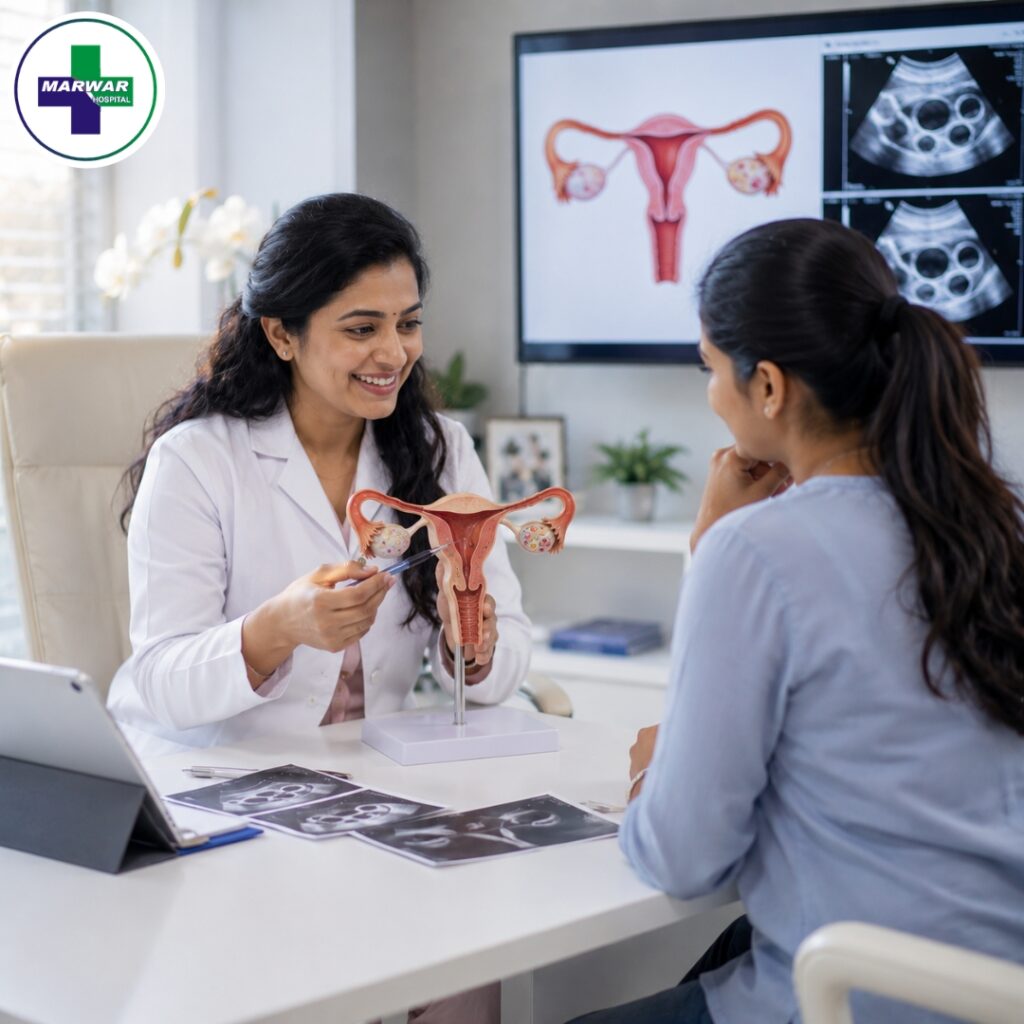
Why Choose Marwar Hospital, Bikaner?
At Marwar Hospital, Bikaner, we believe every woman deserves expert, compassionate, and personalized reproductive healthcare.
Our Women’s Health Department offers:
- Experienced gynecology specialists
- Comprehensive PCOS evaluation
- Female infertility assessment
- Advanced ultrasound facilities
- Hormonal investigations
- Ovulation monitoring
- Individualized treatment plans
- Lifestyle counseling
- Patient-centered care
- Continuous follow-up throughout treatment
Our team is dedicated to helping women understand their condition and receive the most appropriate care for their fertility and overall well-being.
Frequently Asked Questions (FAQs)
Can women with PCOS become pregnant?
Yes. Many women with PCOS conceive successfully after lifestyle changes, ovulation management, or fertility treatment.
Is PCOS the only cause of female infertility?
No. Other causes include blocked fallopian tubes, endometriosis, uterine abnormalities, age-related decline in fertility, and hormonal disorders.
Can losing weight improve fertility in PCOS?
Yes. Even a small reduction in body weight may improve ovulation and increase the chances of pregnancy in many women.
Does every woman with PCOS have ovarian cysts?
No. Some women with PCOS do not have visible cysts, and ovarian cysts alone do not confirm PCOS.
When should I seek fertility treatment?
Women under 35 should seek evaluation after one year of trying to conceive, while women aged 35 or older should consult a specialist after six months.
Conclusion
Female infertility associated with PCOS is common, but it is also one of the most manageable causes of infertility when diagnosed early. Proper evaluation, personalized treatment, and healthy lifestyle changes can restore ovulation, improve reproductive health, and significantly increase the chances of a successful pregnancy.
At Marwar Hospital, Bikaner, our dedicated gynecology team provides comprehensive women’s healthcare with a focus on accurate diagnosis, evidence-based treatment, and compassionate support. Whether you are struggling with irregular periods, PCOS, or difficulty conceiving, we are committed to helping you take the next step toward better reproductive health and parenthood with confidence.
📍 For immediate assistance, get directions to our hospital on Google Maps. Location: Main Road, Sadul Colony, Bikaner, Rajasthan – 334001.
📞 For expert advice and appointments, contact our hospital today. 2207714, 2208814, 2209914
Some causes of female infertility, such as those related to lifestyle factors, weight, or hormonal imbalances, may improve with healthy lifestyle changes. However, conditions like PCOS, blocked fallopian tubes, or endometriosis often require medical evaluation and treatment by a gynecologist.
The highest fertility is generally between the ages of 20 and 30. After the age of 35, both egg quality and quantity gradually decline, making conception more difficult. Women planning pregnancy later in life should consider an early fertility assessment.
Yes. Blocked fallopian tubes prevent the egg and sperm from meeting, making natural conception difficult. Diagnostic tests such as HSG or laparoscopy can help identify tubal blockages, and treatment options depend on the severity of the condition.
Female infertility is diagnosed through a detailed medical history, physical examination, hormone blood tests, pelvic ultrasound, ovulation assessment, ovarian reserve testing, and imaging tests such as HSG. Your gynecologist may recommend additional tests based on your symptoms and medical history.
Marwar Hospital, Bikaner, provides comprehensive female infertility care with experienced gynecologists, advanced diagnostic facilities, personalized treatment plans, PCOS management, hormonal evaluation, and compassionate fertility counseling to support women on their journey to parenthood.