

Female Infertility: Understanding the Condition
Female infertility is a growing health concern that affects millions of women across the world. It is defined as the inability to conceive after one year of regular, unprotected intercourse for women below the age of 35, or after six months for women aged 35 years and above. While infertility can be emotionally challenging, the good news is that many cases are treatable with timely diagnosis, proper medical evaluation, and personalized treatment.
At Marwar Hospital, Bikaner, we understand that every woman’s reproductive journey is unique. Our experienced gynecology team provides compassionate care, advanced diagnostic facilities, and evidence-based treatments to help women identify the root cause of infertility and improve their chances of achieving a healthy pregnancy.
What is Female Infertility?
Female infertility refers to difficulties related to ovulation, fertilization, implantation, or maintaining a pregnancy. Pregnancy depends on several factors working together perfectly, including:
- Regular ovulation
- Healthy fallopian tubes
- A healthy uterus
- Balanced hormone levels
- Good egg quality
- Healthy cervical mucus
- Proper fertilization
A problem in any one of these areas can reduce the chances of conception.
Infertility does not always mean pregnancy is impossible, as many couples conceive with proper medical treatment. Many women successfully conceive after receiving appropriate treatment and lifestyle guidance.
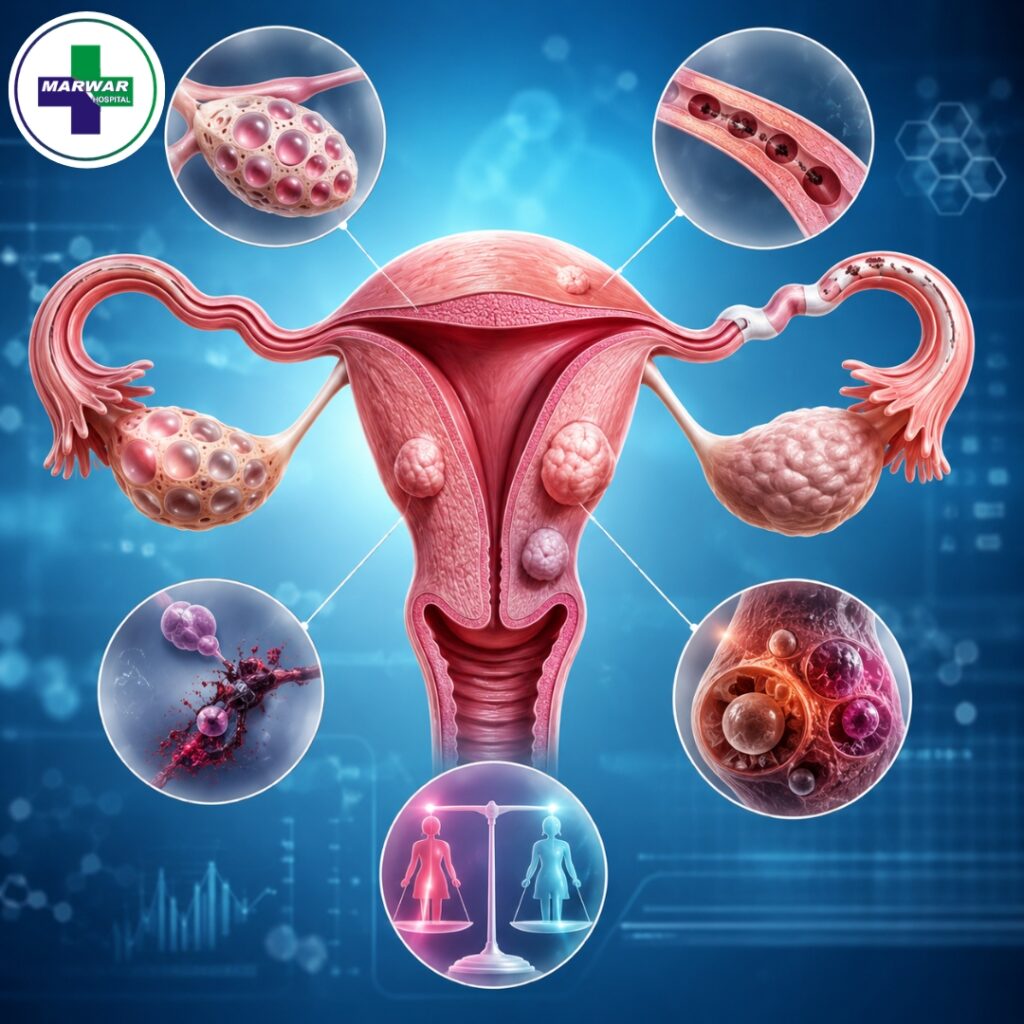
Common Causes of Female Infertility
Several medical and lifestyle factors can contribute to infertility.
1. Ovulation Disorders
Ovulation disorders are among the most common causes of infertility. If an ovary does not release an egg regularly, pregnancy becomes difficult.
Common ovulation disorders include:
- Irregular ovulation
- Absence of ovulation
- Hormonal imbalance
- Thyroid disorders
- Elevated prolactin levels
Women with irregular menstrual cycles often require evaluation for ovulation-related issues.
2. Polycystic Ovary Syndrome (PCOS)
PCOS commonly affects fertility, making conception more challenging for many women during reproductive years worldwide today.Symptoms may include:
- Irregular periods
- Excess facial hair
- Acne
- Weight gain
- Difficulty conceiving
PCOS affects hormone production and often prevents regular ovulation.
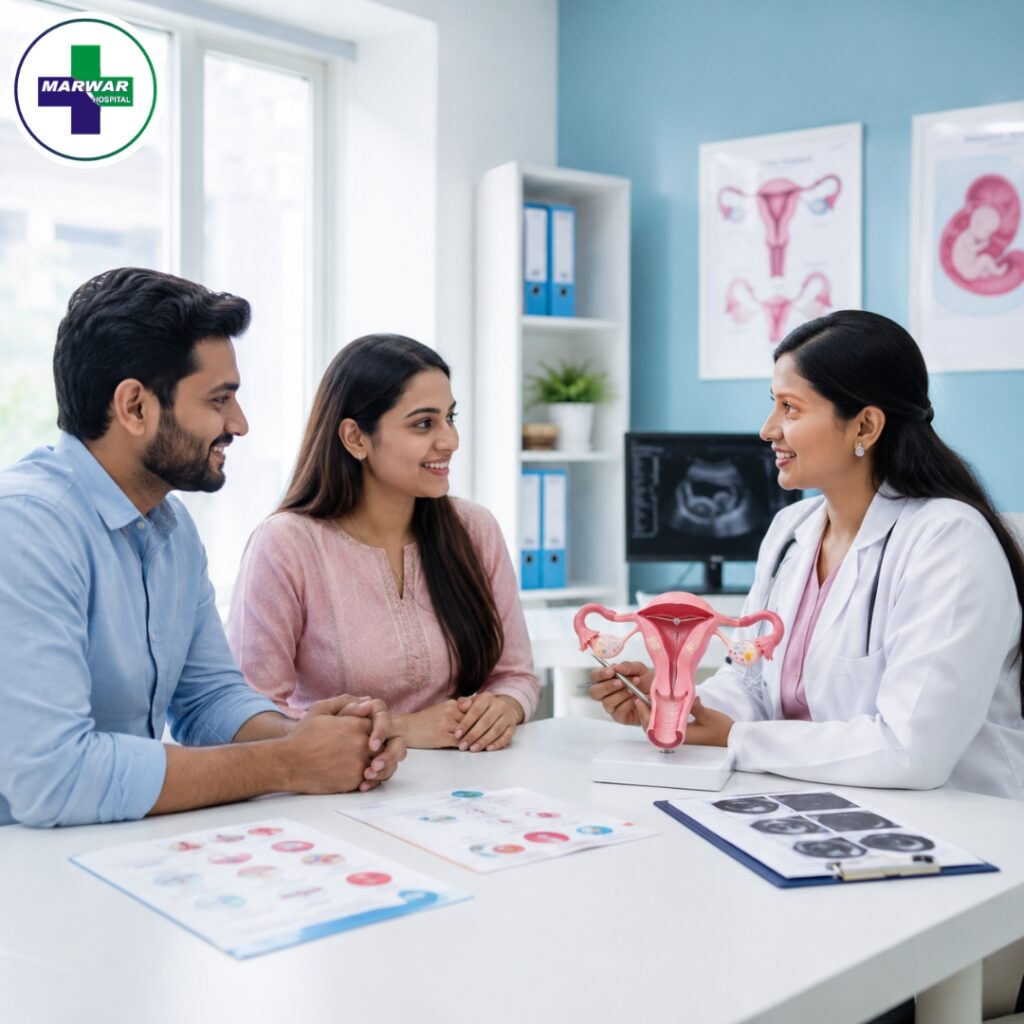
3. Blocked Fallopian Tubes
The fallopian tubes carry the egg from the ovary to the uterus. If these tubes become blocked due to infection, previous surgery, tuberculosis, or endometriosis, fertilization cannot occur naturally.
4. Endometriosis
Endometriosis occurs when tissue similar to the uterine lining grows outside the uterus.
It may cause:
- Severe menstrual pain
- Pelvic pain
- Pain during intercourse
- Heavy periods
- Difficulty becoming pregnant
This condition may affect the ovaries, fallopian tubes, and surrounding reproductive organs.
5. Uterine Problems
Structural abnormalities of the uterus can interfere with implantation or pregnancy.
Examples include:
- Fibroids
- Uterine polyps
- Congenital uterine abnormalities
- Adhesions inside the uterus
Early diagnosis can help determine the appropriate treatment.
6. Age-Related Decline in Fertility
A woman’s fertility naturally declines with age.
After the age of 35:
- Egg quality decreases
- Egg quantity reduces
- Risk of miscarriage increases
- Chances of conception become lower
Early fertility evaluation is recommended for women planning pregnancy after 35 years.
7. Hormonal Disorders
Hormones regulate the menstrual cycle and ovulation.
Conditions affecting fertility include:
- Thyroid disorders
- Diabetes
- Pituitary gland disorders
- Adrenal gland disorders
Treating hormonal imbalance often improves fertility outcomes.
8. Lifestyle Factors
Several lifestyle habits can reduce fertility.
These include:
- Smoking
- Alcohol consumption
- Obesity
- Underweight
- Poor nutrition
- Chronic stress
- Lack of physical activity
Healthy lifestyle modifications play an important role in improving reproductive health.
Symptoms of Female Infertility
The primary symptom is difficulty becoming pregnant despite regular, unprotected intercourse.
Other symptoms may include:
- Irregular menstrual cycles
- Missed periods
- Heavy menstrual bleeding
- Extremely painful periods
- Pelvic pain
- Hormonal acne
- Excess facial or body hair
- Unexplained weight gain
- Recurrent miscarriages
Women experiencing these symptoms should seek evaluation from a gynecologist.
When Should You Consult a Gynecologist?
Medical consultation is recommended if:
- You are below 35 years and unable to conceive after one year.
- Being over 35 and unable to conceive after six months may require professional fertility assessment promptly
- You have irregular periods.
- You have known PCOS.
- You have endometriosis.
- You have undergone pelvic surgery.
- You have experienced repeated miscarriages.
- You have severe menstrual pain.
- You have thyroid or hormonal disorders.
Early diagnosis increases the chances of successful treatment.
Diagnosis of Female Infertility
A comprehensive fertility assessment helps identify the underlying cause.
At Marwar Hospital, Bikaner, evaluation may include:
Medical History
Your gynecologist will discuss:
- Menstrual history
- Previous pregnancies
- Lifestyle habits
- Medical conditions
- Family history
- Previous surgeries
Physical Examination
A detailed gynecological examination helps identify physical abnormalities affecting fertility.
Blood Tests
Blood investigations may evaluate:
- Hormone levels
- Thyroid function
- Ovarian reserve
- Blood sugar
- Prolactin levels
Ovulation Assessment
Ovulation tracking helps determine whether eggs are being released regularly.
Methods include:
- Follicular monitoring
- Ultrasound
- Hormonal testing
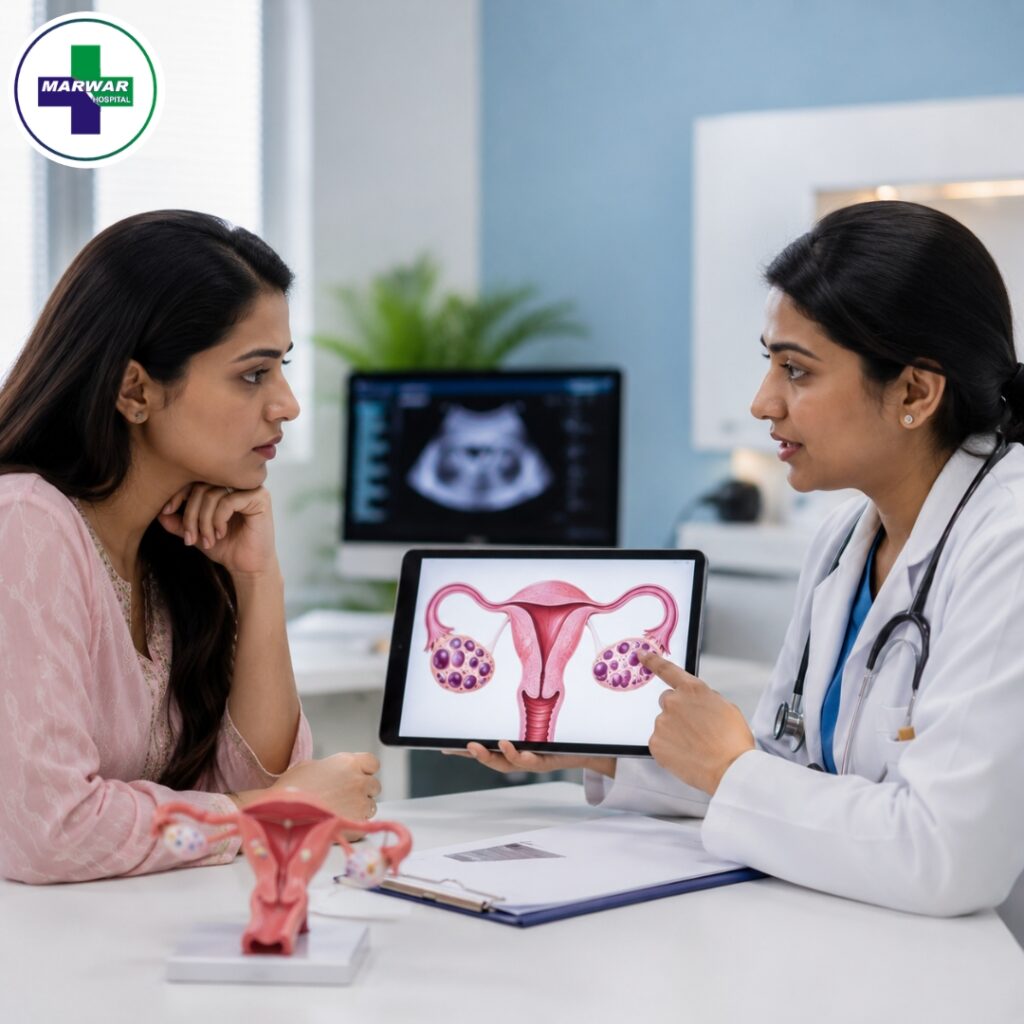
Learn more about our expert gynaecologist care services here.
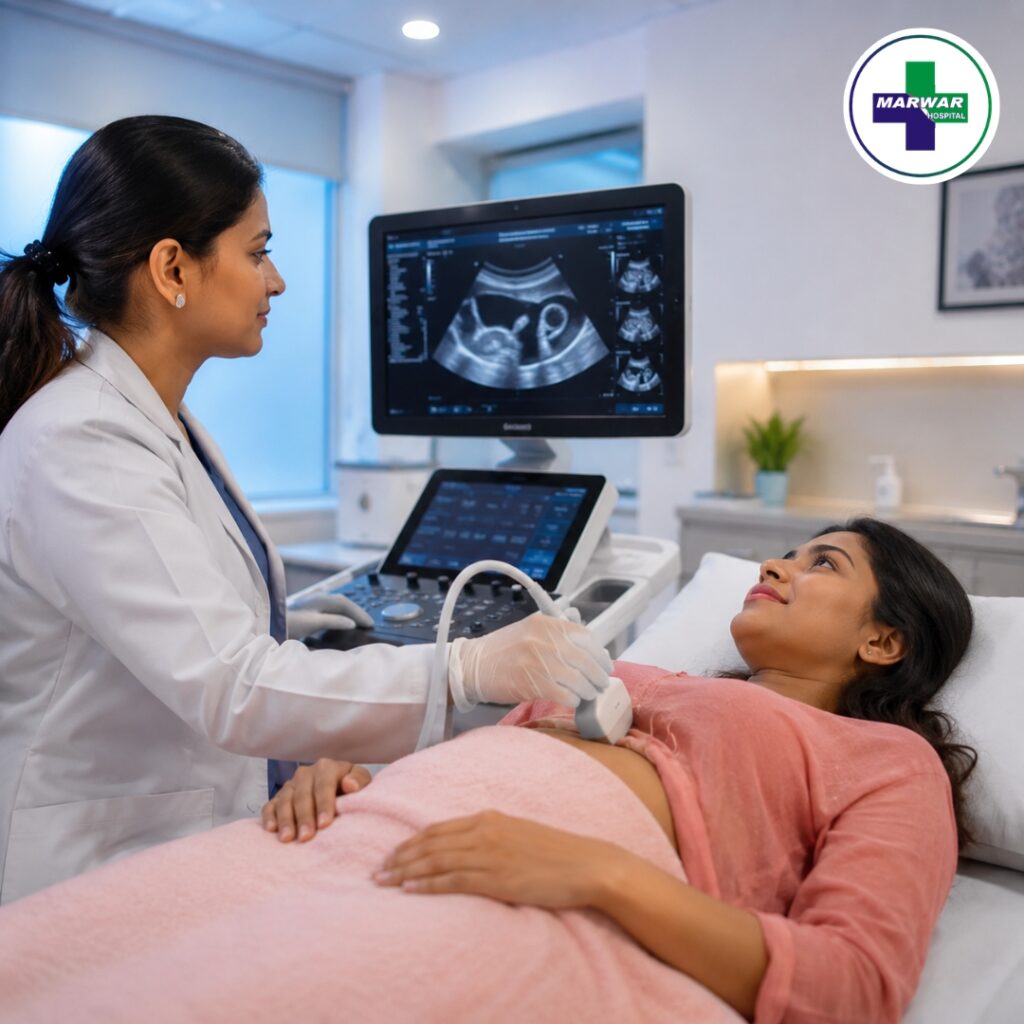
Pelvic Ultrasound
Ultrasound helps detect:
- PCOS
- Fibroids
- Ovarian cysts
- Uterine abnormalities
- Endometrial thickness
HSG (Hysterosalpingography)
This imaging test evaluates whether the fallopian tubes are open and whether the uterus has structural abnormalities.
Laparoscopy
In selected cases, minimally invasive surgery may be recommended to diagnose:
- Endometriosis
- Pelvic adhesions
- Tubal disease
Treatment for Female Infertility
Treatment depends entirely on the underlying cause.
Lifestyle Modification
Simple lifestyle changes can significantly improve fertility.
Recommendations include:
- Maintaining healthy body weight
- Eating a balanced diet
- Regular exercise
- Stress management
- Adequate sleep
- Avoiding smoking
- Avoiding alcohol
Ovulation Induction
Women who do not ovulate regularly may receive medications that stimulate egg release.
Ovulation induction is often the first step in infertility management.
Hormonal Treatment
Hormonal medications help correct imbalances affecting ovulation and menstrual cycles.
Treatment for PCOS
Management may include:
- Weight management
- Lifestyle modification
- Ovulation medications
- Hormonal regulation
Proper treatment improves the likelihood of natural conception.
Surgical Treatment
Surgery may be advised for:
- Fibroids
- Ovarian cysts
- Endometriosis
- Blocked fallopian tubes
- Uterine abnormalities
Minimally invasive procedures often result in faster recovery.
Fertility Counseling
Infertility affects emotional well-being.
Counseling helps couples:
- Understand treatment options
- Manage stress
- Improve emotional health
- Make informed decisions

Tips to Improve Female Fertility Naturally
While medical treatment may be necessary, healthy habits support reproductive health.
Consider the following:
- Maintain ideal body weight.
- Consume protein-rich foods.
- Include fruits and vegetables in your diet.
- Stay physically active.
- Sleep for 7–8 hours daily.
- Manage stress through yoga or meditation.
- Avoid smoking and alcohol.
- Limit processed foods.
- Stay hydrated.
- Follow medical advice regularly.
Can Female Infertility Be Prevented?
Not all causes of infertility are preventable, but certain measures help maintain reproductive health.
These include:
- Regular gynecological check-ups
- Timely treatment of infections
- Maintaining healthy weight
- Managing chronic illnesses
- Avoiding tobacco
- Planning pregnancy at an appropriate reproductive age
- Following a healthy lifestyle
Early intervention often improves fertility outcomes.
Emotional Impact of Infertility
Infertility can affect emotional, mental, and social well-being.
Many women experience:
- Anxiety
- Depression
- Relationship stress
- Reduced self-confidence
- Social pressure
Seeking professional support, discussing concerns openly, and receiving compassionate medical care can make the treatment journey easier.
Why Choose Marwar Hospital, Bikaner for Female Infertility Treatment?
Choosing the right healthcare provider plays an important role in fertility care.
At Marwar Hospital, Bikaner, we focus on providing patient-centered gynecological services with a personalized approach.
Our strengths include:
- Experienced gynecology specialists
- Comprehensive infertility evaluation
- Modern diagnostic facilities
- Personalized treatment plans
- Advanced ultrasound services
- Management of PCOS and hormonal disorders
- Treatment for menstrual disorders
- Compassionate patient care
- Safe and hygienic environment
- Continuous follow-up and counseling
Our goal is to identify the underlying cause of infertility and recommend the most appropriate treatment for every patient.
Conclusion
Female infertility is a medical condition that deserves timely attention, expert evaluation, and compassionate care. Advances in gynecology have made it possible to diagnose many causes of infertility accurately and provide effective treatment options tailored to each woman’s needs.
At Marwar Hospital, Bikaner, our dedicated gynecology team is committed to helping women understand their reproductive health and receive the right treatment with confidence and care. Whether infertility is caused by hormonal imbalance, PCOS, endometriosis, blocked fallopian tubes, or other reproductive conditions, early diagnosis and individualized treatment can significantly improve the chances of conception.
If you have been trying to conceive without success or are experiencing symptoms that may affect fertility, schedule a consultation with the gynecology specialists at Marwar Hospital, Bikaner. Early care can make a meaningful difference in your journey toward parenthood.
📍 For immediate assistance, get directions to our hospital on Google Maps. Location: Main Road, Sadul Colony, Bikaner, Rajasthan – 334001.
📞 For expert advice and appointments, contact our hospital today. 2207714, 2208814, 2209914
Female infertility can result from several factors, including PCOS, ovulation disorders, blocked fallopian tubes, endometriosis, hormonal imbalances, uterine abnormalities, and age-related decline in fertility. A proper evaluation by a gynecologist helps identify the exact cause and determine the most effective treatment.
Women under 35 should consult a gynecologist if they have been trying to conceive for one year without success. Women aged 35 or older should seek medical evaluation after six months of regular, unprotected intercourse. Early diagnosis improves the chances of successful pregnancy.
Yes. Polycystic Ovary Syndrome (PCOS) is one of the leading causes of female infertility because it can disrupt ovulation. However, with lifestyle changes, medications, and expert fertility treatment, many women with PCOS successfully conceive.
Diagnosis may include hormone blood tests, pelvic ultrasound, ovulation tracking, ovarian reserve testing, HSG (Hysterosalpingography) to check the fallopian tubes, and in some cases, laparoscopy. These tests help identify the underlying cause of infertility and guide treatment.
If you are looking for expert female infertility treatment in Bikaner, Marwar Hospital offers comprehensive fertility evaluation, advanced diagnostic facilities, experienced gynecology specialists, personalized treatment plans, and compassionate care to help improve your chances of a healthy pregnancy.