


As we age, our bodies undergo several changes that can affect overall health, especially the cardiovascular system. After the age of 40, the risk of developing heart disease begins to increase significantly. Factors such as high blood pressure, high cholesterol, diabetes, obesity, stress, and a sedentary lifestyle can gradually damage the heart and blood vessels, often without noticeable symptoms.
Heart disease remains one of the leading causes of death worldwide, but the good news is that many cardiovascular conditions can be prevented through healthy lifestyle choices and regular medical care. The decisions you make after 40 can have a major impact on your heart health for decades to come.
In this comprehensive guide, we explore the essential lifestyle changes recommended by cardiologists to maintain a healthy heart after 40 and reduce the risk of heart attacks, strokes, and other cardiovascular diseases.
Why Does Heart Disease Risk Increase After 40?
As people age, blood vessels naturally lose some of their elasticity, and the risk of plaque buildup inside arteries increases. Metabolism slows down, physical activity often decreases, and chronic health conditions become more common.
Several age-related factors contribute to cardiovascular disease:
- High blood pressure
- High cholesterol
- Diabetes
- Weight gain
- Hormonal changes
- Increased stress
- Reduced physical activity
- Family history of heart disease
These factors can silently increase cardiovascular risk if not properly managed.

Understanding Heart Health After 40
The heart is a powerful muscle that pumps blood throughout the body. To function efficiently, it depends on healthy blood vessels, proper nutrition, regular physical activity, and good overall health.
Cardiologists emphasize that prevention is far more effective than treatment. Adopting healthy habits after 40 can significantly lower the chances of developing serious heart conditions later in life.
1. Schedule Regular Heart Health Checkups
One of the most important steps after turning 40 is undergoing regular cardiovascular screenings.
Many heart diseases develop silently and may not cause symptoms until a serious event such as a heart attack occurs.
Important Screenings Include:
- Blood pressure monitoring
- Cholesterol testing
- Blood sugar testing
- Electrocardiogram (ECG)
- Echocardiography
- Cardiac risk assessment
Regular checkups help detect problems early and allow timely intervention.
2. Monitor Your Blood Pressure
High blood pressure is often called the “silent killer” because it may not produce noticeable symptoms.
Over time, uncontrolled hypertension can:
- Damage arteries
- Increase heart workload
- Lead to heart attacks
- Cause strokes
- Contribute to kidney disease
Tips to Control Blood Pressure
- Reduce salt intake
- Exercise regularly
- Maintain healthy weight
- Limit alcohol consumption
- Take prescribed medications consistently
Regular blood pressure monitoring is essential after 40.
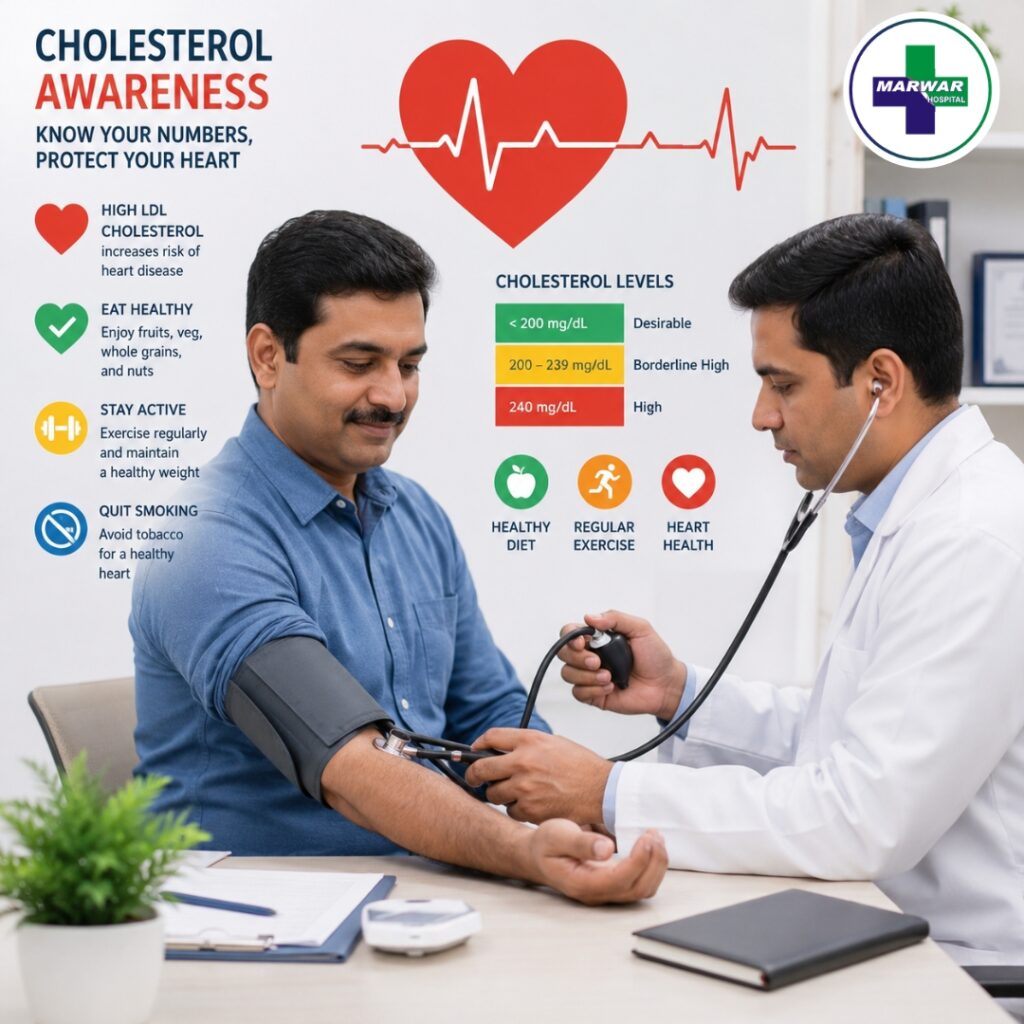
3. Maintain Healthy Cholesterol Levels
Cholesterol plays an important role in the development of heart disease.
LDL Cholesterol (Bad Cholesterol)
High LDL levels can cause plaque buildup inside arteries.
HDL Cholesterol (Good Cholesterol)
HDL helps remove excess cholesterol from the bloodstream.
Ways to Improve Cholesterol
- Eat fiber-rich foods
- Increase fruit and vegetable intake
- Exercise regularly
- Avoid trans fats
- Limit processed foods
Maintaining healthy cholesterol levels reduces the risk of coronary artery disease.

4. Follow a Heart-Healthy Diet
Diet plays a crucial role in protecting cardiovascular health.
Foods That Support Heart Health
Fruits
Examples include:
- Apples
- Oranges
- Pomegranates
- Papaya
- Guava
Vegetables
Choose:
- Spinach
- Broccoli
- Carrots
- Tomatoes
- Green leafy vegetables
Whole Grains
Examples:
- Oats
- Brown rice
- Whole wheat
- Millets
Healthy Protein Sources
Include:
- Fish
- Lentils
- Beans
- Chickpeas
- Skinless poultry
Healthy Fats
Choose:
- Nuts
- Seeds
- Olive oil
- Mustard oil
A balanced diet supports healthy blood pressure, cholesterol, and body weight.

5. Stay Physically Active
Regular exercise is one of the most effective ways to maintain heart health after 40.
Benefits of Exercise
- Strengthens the heart
- Improves circulation
- Reduces blood pressure
- Lowers cholesterol
- Controls weight
- Improves blood sugar levels
Recommended Activity
Aim for:
- 150 minutes of moderate exercise weekly
or - 75 minutes of vigorous exercise weekly
Suitable Activities
- Brisk walking
- Cycling
- Swimming
- Jogging
- Yoga
Even 30 minutes of daily walking can significantly improve cardiovascular health.
6. Maintain a Healthy Weight
Excess body weight increases strain on the heart and contributes to:
- High blood pressure
- Diabetes
- High cholesterol
- Coronary artery disease
Weight Management Tips
- Eat balanced meals
- Control portion sizes
- Stay active
- Limit sugary foods
- Avoid late-night overeating
Losing even a small amount of excess weight can benefit heart health.
7. Manage Blood Sugar Levels
The risk of Type 2 diabetes increases with age.
Diabetes can damage blood vessels and significantly increase cardiovascular risk.
Preventive Measures
- Exercise regularly
- Maintain healthy weight
- Follow a balanced diet
- Monitor blood sugar levels
- Attend routine medical checkups
Good diabetes management protects both the heart and circulation.
8. Quit Smoking and Avoid Tobacco
Smoking remains one of the leading causes of preventable heart disease.
Tobacco use:
- Damages artery walls
- Raises blood pressure
- Reduces oxygen supply
- Promotes blood clot formation
Benefits of Quitting Smoking
- Improved circulation
- Lower heart attack risk
- Better lung function
- Reduced blood pressure
It is never too late to quit and improve heart health.
9. Limit Alcohol Consumption
Excessive alcohol intake can negatively affect the heart.
Potential complications include:
- High blood pressure
- Weight gain
- Irregular heart rhythms
- Heart muscle damage
Moderation is important for long-term cardiovascular wellness.
10. Manage Stress Effectively
Modern life often involves chronic stress from work, finances, family responsibilities, and health concerns.
Long-term stress may contribute to:
- Elevated blood pressure
- Increased heart rate
- Poor sleep
- Unhealthy eating habits
Stress Management Techniques
- Meditation
- Deep breathing exercises
- Yoga
- Walking
- Spending time with loved ones
- Relaxation activities
Mental health plays a vital role in heart health.
11. Prioritize Quality Sleep
Sleep is essential for cardiovascular recovery and overall health.
Adults should aim for:
7–9 Hours of Sleep Each Night
Benefits of adequate sleep include:
- Better blood pressure regulation
- Improved metabolism
- Reduced stress hormones
- Enhanced cardiovascular function
Poor sleep has been linked to increased heart disease risk.
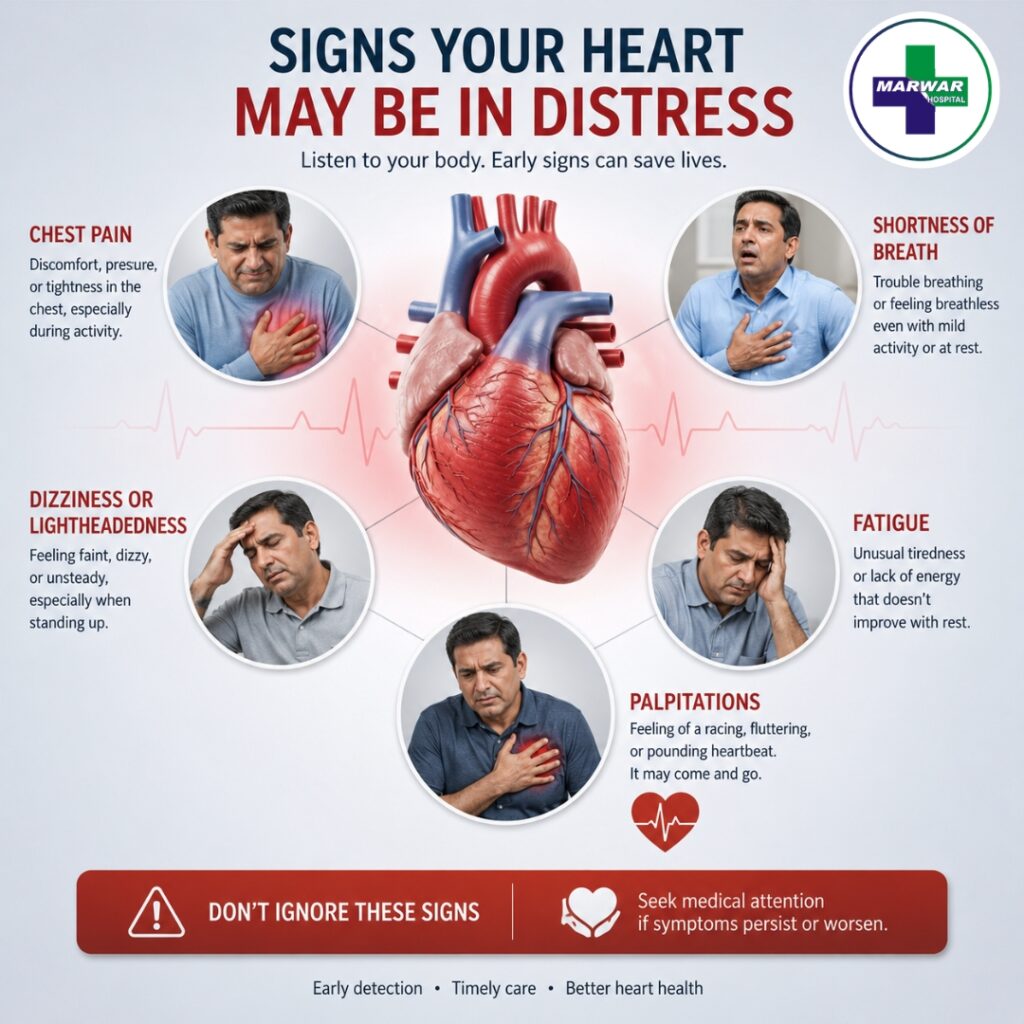
12. Recognize Warning Signs of Heart Disease
Many people dismiss early symptoms of cardiovascular disease.
Seek medical attention if you experience:
Chest Pain or Pressure
A common symptom of reduced blood flow to the heart.
Shortness of Breath
May indicate heart disease or heart failure.
Palpitations
Irregular heartbeat should be evaluated.
Dizziness
Can result from heart rhythm abnormalities.
Swelling in the Legs
May indicate heart failure or circulation problems.
Unusual Fatigue
Persistent tiredness should not be ignored.
Early diagnosis can prevent serious complications.
Heart Health Tips for Men After 40
Men often develop heart disease earlier than women.
Recommendations include:
- Regular cardiac screenings
- Maintaining healthy weight
- Controlling blood pressure
- Avoiding tobacco
- Staying physically active
Preventive care is especially important for men with a family history of heart disease.
Heart Health Tips for Women After 40
Hormonal changes during perimenopause and menopause can increase cardiovascular risk.
Women should pay attention to:
- Blood pressure
- Cholesterol levels
- Weight management
- Physical activity
- Diabetes screening
Women may experience atypical heart symptoms such as fatigue, nausea, or back pain rather than classic chest pain.
Importance of Preventive Cardiology
Preventive cardiology focuses on reducing heart disease risk before serious complications occur.
Benefits include:
- Early detection of risk factors
- Improved long-term health
- Lower risk of heart attacks
- Better quality of life
- Reduced healthcare expenses
Preventive care is one of the most valuable investments in future health.
Creating a Heart-Healthy Daily Routine
A simple daily routine can make a significant difference.
Morning
- Drink water
- Light exercise or walking
- Healthy breakfast
Afternoon
- Balanced lunch
- Stay hydrated
- Avoid prolonged sitting
Evening
- Physical activity
- Stress management
- Healthy dinner
Night
- Adequate sleep
- Avoid excessive screen time
Consistency is the key to long-term cardiovascular wellness.
When Should You Visit a Cardiologist?
You should schedule a consultation if you have:
- High blood pressure
- Diabetes
- High cholesterol
- Obesity
- Family history of heart disease
- Chest discomfort
- Breathlessness
- Palpitations
Even without symptoms, routine cardiac evaluations after 40 can help identify hidden risk factors.
Conclusion
Turning 40 is an important milestone for your health, especially your heart. While aging naturally increases cardiovascular risk, adopting healthy lifestyle habits can dramatically reduce the chances of developing heart disease. Regular health checkups, balanced nutrition, exercise, weight management, stress control, adequate sleep, and avoidance of tobacco are all essential components of a heart-healthy lifestyle.
The choices you make today can determine your heart health for years to come. By taking proactive steps and following cardiologist-recommended guidelines, you can protect your heart, improve your quality of life, and enjoy a healthier future.
Expert Cardiology Care at Marwar Hospital Bikaner
At Marwar Hospital, our experienced cardiologists provide comprehensive heart health evaluations, preventive cardiology services, advanced cardiac diagnostics, ECG, echocardiography, stress testing, and personalized treatment plans. Whether you want a routine heart checkup after 40 or need expert care for an existing heart condition, Marwar Hospital Bikaner is committed to helping you achieve optimal cardiovascular health.
📍 For immediate assistance, get directions to our hospital on Google Maps. Location: Main Road, Sadul Colony, Bikaner, Rajasthan – 334001.
📞 For expert advice and appointments, contact our hospital today. 2207714, 2208814, 2209914
As people age, blood vessels lose elasticity, and risk factors such as high blood pressure, high cholesterol, diabetes, and weight gain become more common, increasing the likelihood of heart disease
Adults over 40 should undergo regular heart health screenings, including blood pressure, cholesterol, blood sugar, and cardiac evaluations, as recommended by their cardiologist.
Brisk walking, cycling, swimming, jogging, and yoga are excellent options. Experts recommend at least 150 minutes of moderate exercise per week.
A heart-healthy diet should include fruits, vegetables, whole grains, lean proteins, nuts, seeds, and healthy fats while limiting processed and high-fat foods.
Common warning signs include chest pain, shortness of breath, palpitations, dizziness, swelling in the legs, and unusual fatigue. Medical evaluation is recommended if these symptoms occur.