
Introduction
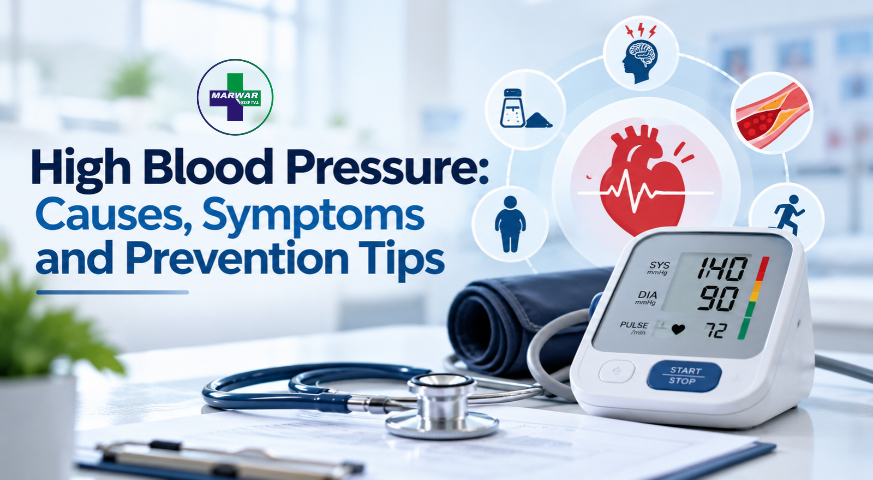
High blood pressure is a health condition in which blood continues to push against artery walls with greater force than normal. Its medical name is hypertension. The condition can develop gradually, and many people do not realise they have it because they may feel perfectly well.
Blood pressure plays an important role in keeping blood flowing properly, allowing the heart to supply oxygen and essential nutrients to every part of the body.
When pressure remains elevated for a long time, this system can become damaged. The effects may eventually involve the heart, brain, kidneys, and eyes.
Understanding hypertension begins with knowing what causes it, how it is detected, and which daily habits can help reduce its risks. This article from Marwar Hospital provides general educational information about high blood pressure and practical ways to support cardiovascular health.
Understanding Blood Pressure Readings
Blood pressure is measured using two numbers, written as systolic pressure over diastolic pressure. The reading is usually expressed in millimetres of mercury (mmHg).
The systolic number measures the pressure inside the arteries when the heart contracts.The diastolic number measures the pressure when the heart relaxes between beats.
A blood pressure reading of 120/80 mmHg indicates a systolic value of 120 and a diastolic value of 80.
According to the World Health Organization (WHO), hypertension in adults is generally diagnosed when systolic pressure is 140 mmHg or higher, or diastolic pressure is 90 mmHg or higher, on measurements taken on two different days. Other clinical guidelines may classify blood pressure differently.
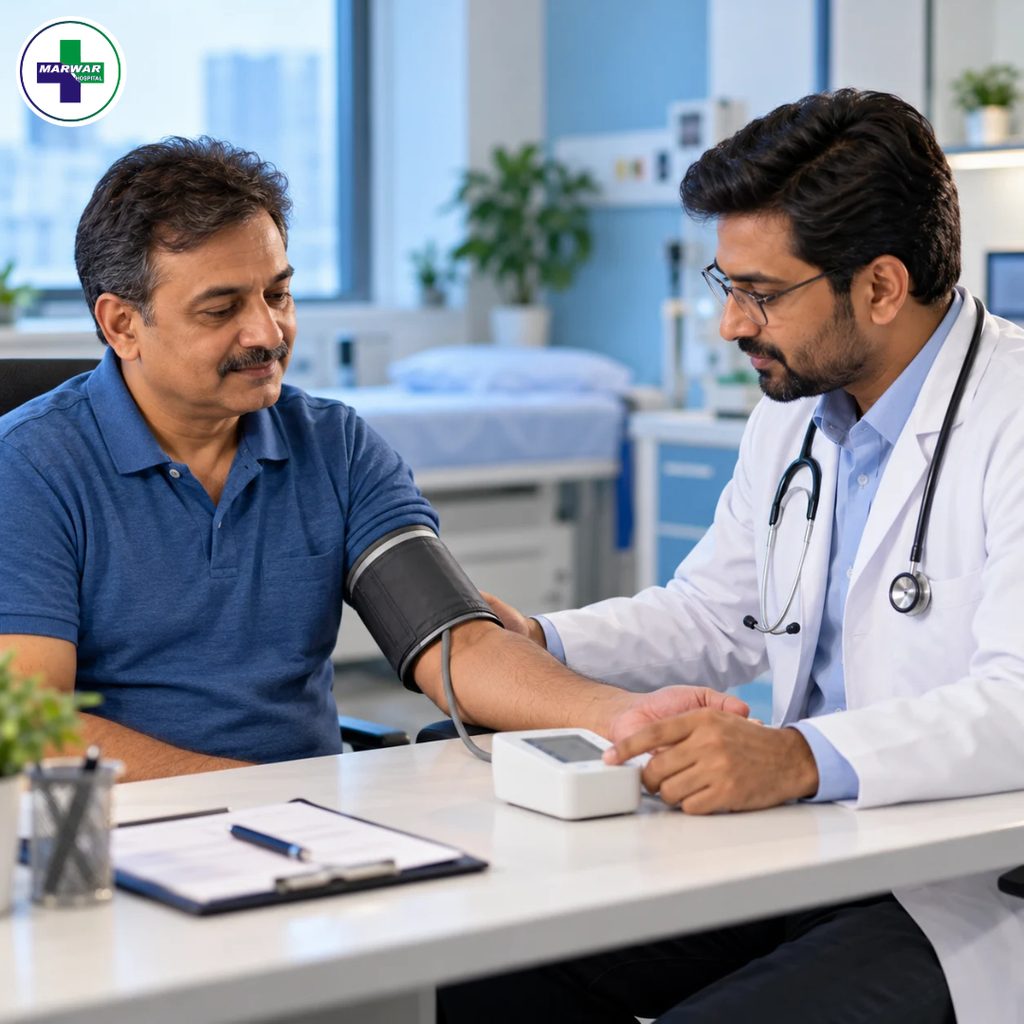
One unusual reading is not enough to establish a diagnosis in every situation. Recent exercise, anxiety, caffeine, pain, and an incorrectly sized cuff can affect the result. Repeated measurements taken correctly provide a clearer picture of a person’s blood pressure.
Learn more about our expert services here.
What Can Cause High Blood Pressure?
Hypertension rarely has one simple explanation. It may develop through a combination of inherited characteristics, ageing, everyday habits, and medical conditions.
1. Too Much Sodium in the Diet
Sodium is a mineral that the body needs in small amounts, but excessive intake can contribute to higher blood pressure. In some people, extra sodium causes the body to retain more fluid, increasing pressure within the circulation.
Salt is not found only in the salt shaker. Packaged snacks, instant meals, sauces, pickles, papad, and many processed foods can contribute substantial amounts to daily intake.
Reading food labels and preparing meals with less salt can help reduce overall sodium consumption.
2. Spending Too Much Time Sitting
The body benefits from regular movement. Long periods of inactivity, particularly when combined with little exercise, may contribute to weight gain and poorer cardiovascular fitness.
Walking, cycling, swimming, and other suitable activities encourage the heart and muscles to work efficiently. Even breaking up long periods of sitting with short movement breaks can help people become more active.
3. Excess Body Weight

Carrying excess body weight may increase the effort required by the heart to circulate blood. It can also be associated with changes in hormones, metabolism, and the body’s regulation of blood pressure.
For people who are overweight, gradual weight reduction may improve blood pressure. The appropriate goal depends on individual health and should not be based on appearance alone.
4. Family History and Ageing
Hypertension can run in families. Genes may influence how the body handles sodium, controls blood vessel activity, and regulates circulation.
With age, the arteries can gradually become stiffer and less flexible, which may lead to higher blood pressure. However, young adults can develop hypertension too, so age alone cannot determine whether a person is at risk.
5. Tobacco and Alcohol
Nicotine may cause a short-term increase in both blood pressure and heart rate. Tobacco exposure also damages blood vessels and increases the risk of heart disease and stroke.
Frequent or excessive alcohol consumption can contribute to persistently elevated blood pressure. Avoiding tobacco and reducing alcohol exposure are important steps towards better cardiovascular health.
6. Stress and Sleep Difficulties
Stress can cause temporary changes in blood pressure. When stress continues for long periods, it may also affect sleep, eating patterns, and physical activity.
Sleep-related conditions, particularly obstructive sleep apnoea, can contribute to hypertension. Persistent snoring, interrupted breathing during sleep, or excessive daytime sleepiness may warrant medical assessment.
7. Other Health Conditions and Medicines
High blood pressure may develop due to kidney disease, hormonal imbalances, or other existing medical conditions. Certain medicines, including some anti-inflammatory pain relievers and decongestants, may also raise blood pressure.
Anyone who suspects that a medicine is affecting their readings should discuss it with a healthcare professional rather than stopping treatment independently.

Symptoms: How Can You Recognise High Blood Pressure?
Most people with hypertension do not experience clear warning signs. A person may have elevated readings for a long time without headaches, dizziness, or any other obvious discomfort.
Therefore, high blood pressure cannot be accurately determined by looking at symptoms alone.. Blood pressure measurement is necessary to establish whether it is elevated.
Severely high blood pressure may occur alongside symptoms such as chest pain, breathing difficulty, changes in vision, confusion, or a severe headache. These symptoms can have several causes and should not automatically be attributed to hypertension.
When urgent care is needed: If a reading is above 180/120 mmHg, wait at least one minute and measure it again. If blood pressure stays at this level, seek urgent medical guidance. WIf these symptoms occur along with high blood pressure, seek emergency medical help immediately, especially if you experience chest pain, shortness of breath, sudden weakness, confusion, or vision disturbances.
Health Problems Associated With Uncontrolled Hypertension
Blood vessels are built to withstand the usual pressure generated as the heart pumps blood throughout the body. Persistently elevated pressure can injure their inner lining and place extra strain on organs that depend on a steady blood supply.
Effects on the Heart
The heart may need to pump harder to move blood through the circulation.As time passes, the heart may become thicker due to the increased strain, raising the risk of heart failure, coronary artery disease, and heart attacks.
Effects on the Brain
High blood pressure increases the risk of stroke. A stroke can occur when a blood vessel supplying the brain becomes blocked or when a weakened vessel ruptures.
Effects on the Kidneys
The kidneys rely on tiny blood vessels to filter waste and regulate fluid levels. Long-term hypertension can damage these vessels, reducing the kidneys’ ability to function properly. Kidney disease can also make blood pressure harder to control.
Effects on Vision
Elevated pressure may injure blood vessels in the retina, the tissue at the back of the eye that detects light. Significant damage can affect vision.
These complications may develop without obvious symptoms in the early stages, which makes prevention, monitoring, and appropriate treatment important.
Everyday Ways to Help Prevent High Blood Pressure
Daily habits cannot eliminate every cause of hypertension, but they can reduce risk and support treatment when the condition is already present.
1. Be Mindful of Salt
The WHO advises adults to consume less than 2,000 mg of sodium daily, equivalent to less than 5 grams of salt from all sources.
Reducing heavily salted foods and checking packaged-food labels can help. Lemon, garlic, herbs, and spices can add flavour without requiring as much salt.
People with kidney disease or those taking certain medicines should seek professional advice before using potassium-based salt substitutes.
2. Choose Varied, Nutritious Meals
Build meals around vegetables, fruits, whole grains, pulses, beans, nuts, and appropriate sources of protein. Limit foods containing excessive sodium and large amounts of saturated or trans fats.
The DASH eating pattern is one dietary approach studied for blood pressure management. It emphasises vegetables, fruits, whole grains, and other nutrient-rich foods.
Dietary changes should take account of individual needs, particularly when someone has kidney disease or another condition requiring specific nutritional restrictions.

3. Make Physical Activity Part of the Week
Adults should generally aim for at least 150 minutes of moderate-intensity aerobic exercise per week. Brisk walking, cycling, and swimming are examples of activities that can raise the heart rate without requiring specialised equipment.
Strength-building activities on two or more days per week can provide additional health benefits.
People who are currently inactive can begin with shorter sessions and increase their activity gradually. Those with significant health concerns should seek guidance about suitable exercise.
4. Work Towards a Suitable Weight
For people carrying excess weight, even gradual weight loss may help improve blood pressure. A sustainable approach combines balanced eating, regular movement, adequate sleep, and realistic goals.
Strict diets and rapid weight-loss methods are generally unnecessary for building healthier long-term habits.
5. Avoid Tobacco and Reduce Alcohol
Avoiding cigarettes and other tobacco products helps protect blood vessels. Reducing exposure to second-hand smoke is also beneficial.
Alcohol can contribute to higher blood pressure, particularly when consumed excessively. Avoiding it or reducing intake can support better blood pressure management.
6. Protect Sleep and Manage Stress
A regular sleep schedule, a comfortable sleeping environment, and time to relax can support general health. Most adults need approximately seven to nine hours of sleep each night.
Slow breathing, meditation, enjoyable hobbies, and regular physical activity may help people manage stress. These habits support well-being but should not be considered a substitute for prescribed hypertension treatment.
7. Measure Blood Pressure Correctly
Regular checks can reveal elevated blood pressure before a person develops symptoms. How often measurements are needed depends on previous readings, age, risk factors, and individual health circumstances.
For home measurements, use a validated automatic upper-arm monitor with the correct cuff size. Avoid caffeine, smoking, and exercise for 30 minutes before taking a reading. Empty your bladder, sit quietly for five minutes, keep your back supported and feet flat on the floor, and place your arm at heart level.
Take two readings approximately one minute apart and record both. Repeatedly elevated results should be discussed with a healthcare professional.
Understanding measurement methods and the limitations of individual readings is part of the general hypertension information presented by Marwar Hospital.
Does High Blood Pressure Always Require Medication?
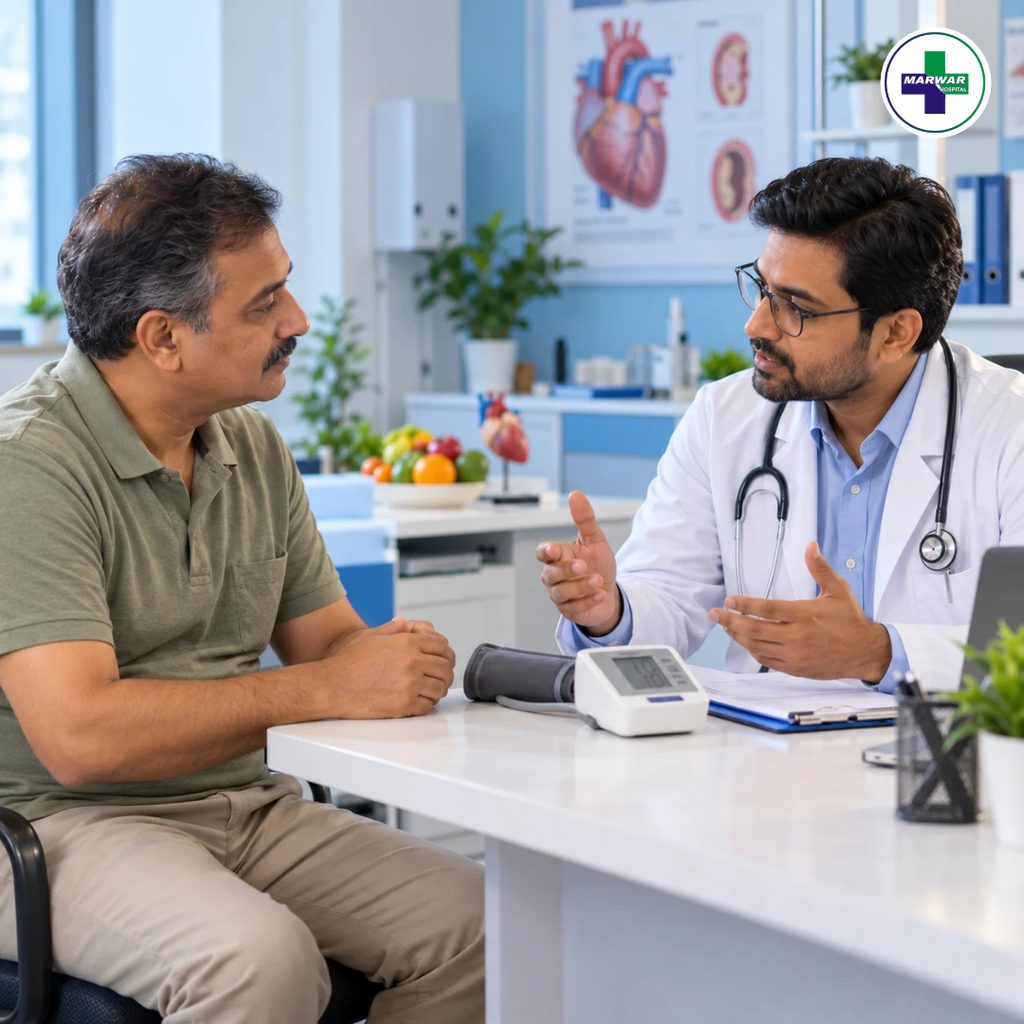
Not everyone with elevated blood pressure will receive the same treatment. Decisions depend on the readings, cardiovascular risk, other medical conditions, and the recommendations of the treating professional.
Lifestyle changes are important for almost everyone, but some people also need medicines to lower their blood pressure and reduce the risk of complications.
Prescribed medication should be taken as directed. A person should not reduce or stop treatment simply because they feel well or obtain a lower reading at home. Any concerns about side effects, costs, or the effectiveness of treatment should be discussed with the prescribing professional.
Conclusion
High blood pressure can develop quietly, but its long-term effects may be serious. It can increase the likelihood of heart disease, stroke, kidney damage, and vision problems when it remains uncontrolled.
Understanding blood pressure readings, reducing sodium intake, eating balanced meals, exercising regularly, avoiding tobacco, sleeping well, and maintaining an appropriate weight can all contribute to better cardiovascular health.
Regular monitoring is essential because feeling healthy does not necessarily mean blood pressure is normal. Early detection, accurate measurements, and appropriate medical guidance help people make informed decisions about managing hypertension.
This article from Marwar Hospital summarises general information about high blood pressure and the everyday measures that may help reduce its risks.
Medical Note
This article is intended for general health education and does not replace professional medical advice, diagnosis, or treatment. Blood pressure targets and treatment plans vary according to individual health needs. Consult a qualified healthcare professional for personalised guidance.
📍 For immediate assistance, get directions to our hospital on Google Maps. Location: Main Road, Sadul Colony, Bikaner, Rajasthan – 334001.
📞 For expert advice and appointments, contact our hospital today. 2207714, 2208814, 2209914
High blood pressure can develop due to excessive salt intake, physical inactivity, excess body weight, family history, ageing, stress, tobacco use, alcohol consumption, and certain medical conditions or medicines.
High blood pressure often causes no noticeable symptoms. Many people feel healthy despite having elevated blood pressure, so regular blood pressure checks are important for early detection.
You can help reduce the risk of high blood pressure by eating a balanced diet, limiting salt intake, exercising regularly, maintaining a healthy weight, avoiding tobacco, managing stress, and getting adequate sleep
According to the World Health Organization (WHO), hypertension in adults is generally diagnosed when systolic blood pressure is 140 mmHg or higher, or diastolic blood pressure is 90 mmHg or higher, based on measurements taken on two different days.
Yes. Uncontrolled high blood pressure can increase the risk of heart disease, heart attack, stroke, kidney damage, and vision problems. Regular monitoring and appropriate medical treatment can help reduce these risks.