
High blood pressure, also known as hypertension, is one of the most common health conditions affecting millions of people worldwide. Often called the “silent killer,” hypertension can develop without noticeable symptoms and gradually damage vital organs such as the heart, brain, kidneys, and eyes. If left untreated, it can significantly increase the risk of heart attacks, strokes, heart failure, and kidney disease. Early diagnosis, proper treatment, and lifestyle modifications are essential to maintaining healthy blood pressure levels and preventing complications.
At Marwar Hospital Bikaner, our experienced cardiology team provides comprehensive diagnosis, treatment, and long-term management of high blood pressure to help patients lead healthier lives.
What is High Blood Pressure?
To maintain good health, it is recommended to engage in at least 150 minutes of moderate-intensity physical activity each week. It is measured using two numbers:
- Systolic Pressure: The upper number that measures pressure when the heart beats.
- Diastolic Pressure: The lower number that measures pressure when the heart rests between beats.
A normal blood pressure reading is generally below 120/80 mmHg. Persistent readings above normal levels may indicate hypertension. High blood pressure forces the heart to work harder and can gradually damage blood vessels throughout the body.
Why High Blood Pressure is Dangerous
Many people live with hypertension for years without realizing it because it often causes no symptoms. During this time, the condition silently damages blood vessels and vital organs. Uncontrolled hypertension can lead to:
- Heart attack
- Stroke
- Heart failure
- Kidney disease
- Vision problems
- Peripheral artery disease
- Cognitive decline and dementia
Because of these risks, regular blood pressure monitoring is extremely important, especially for adults over 40 years of age.
Causes of High Blood Pressure
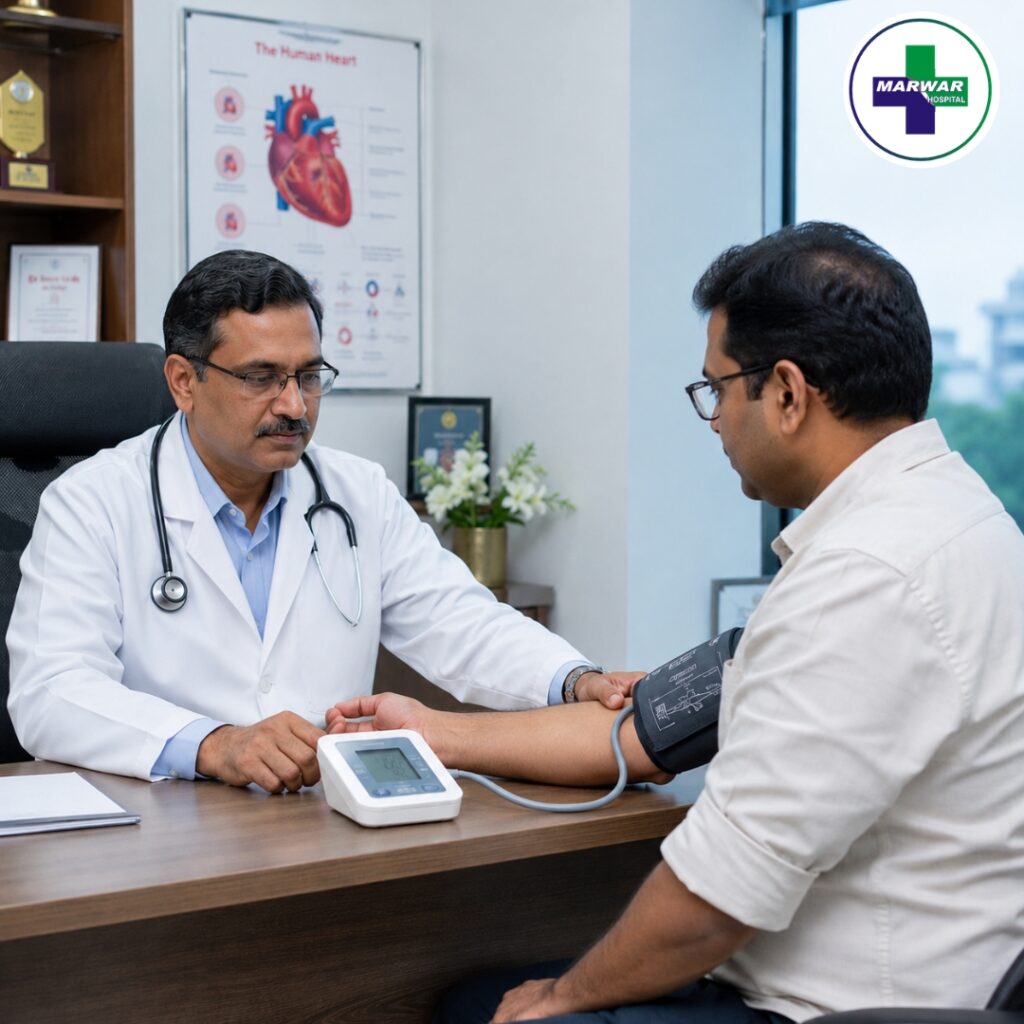
1. Primary (Essential) Hypertension
Most cases of high blood pressure fall under this category. There is no single identifiable cause, but several factors contribute to its development.
Common contributing factors include:
- Family history of hypertension
- Aging
- Obesity
- High salt intake
- Sedentary lifestyle
- Stress
- Smoking
- Excessive alcohol consumption
- Poor dietary habits
Primary hypertension usually develops gradually over many years.
2. Secondary Hypertension
Secondary hypertension occurs due to an underlying medical condition or medication.
Possible causes include:
- Kidney disease
- Thyroid disorders
- Adrenal gland disorders
- Sleep apnea
- Certain medications
- Hormonal disorders
Treating the underlying condition can often help control blood pressure.
Risk Factors for High Blood Pressure
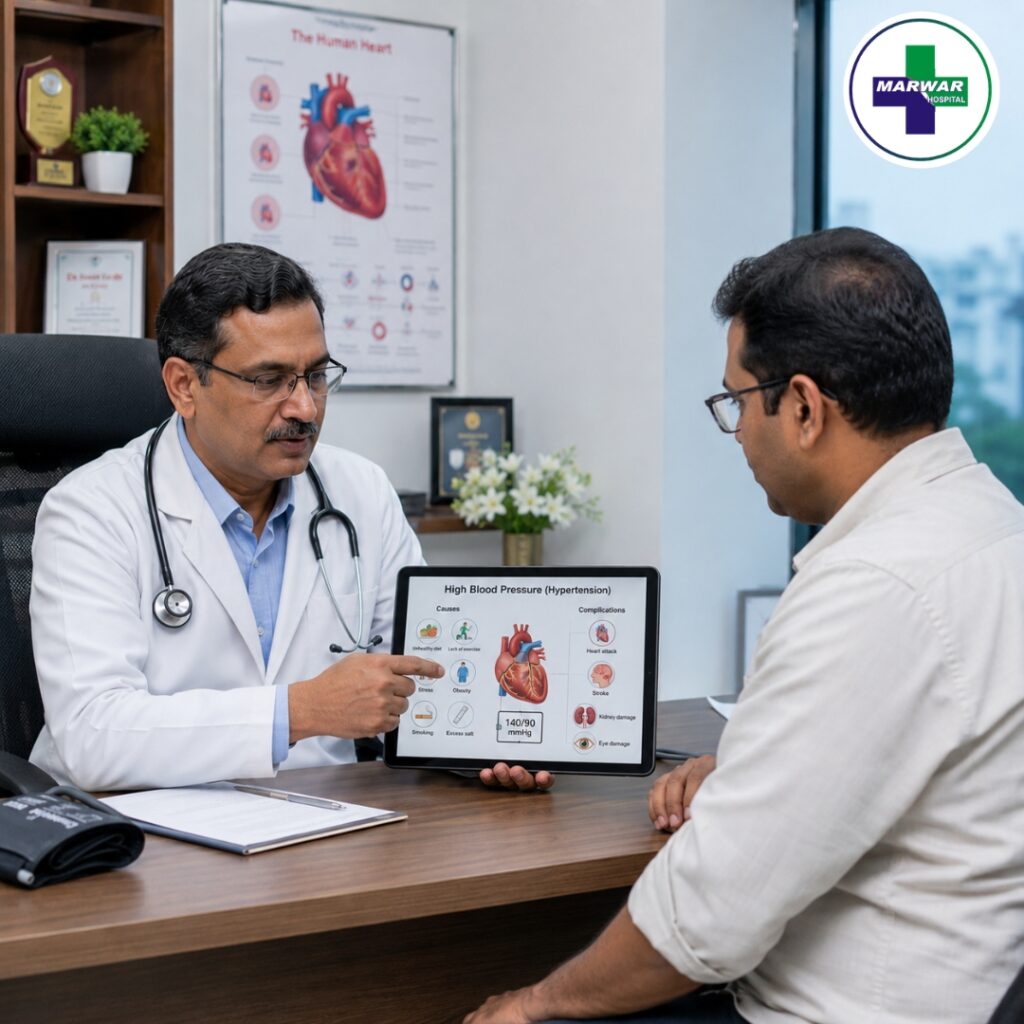
Several factors increase the likelihood of developing hypertension:
Age
The risk of hypertension increases with age because arteries gradually become less flexible.
Family History
Individuals with parents or siblings who have hypertension are more likely to develop the condition themselves.
Obesity
Excess body weight places additional strain on the heart and blood vessels, increasing blood pressure.
Physical Inactivity
Lack of exercise can contribute to weight gain and poor cardiovascular health.
High-Sodium Diet
Consuming too much salt causes the body to retain fluid, leading to increased blood pressure.
Smoking and Alcohol
Tobacco and excessive alcohol consumption can damage blood vessels and elevate blood pressure levels.
Stress
Chronic stress may contribute to hypertension and unhealthy lifestyle habits.
Symptoms of High Blood Pressure
One of the biggest challenges with hypertension is that many people experience no symptoms at all. This is why it is known as a silent killer. The only reliable way to detect hypertension is through regular blood pressure checks.
However, some individuals may experience:
- Frequent headaches
- Dizziness
- Shortness of breath
- Fatigue
- Chest discomfort
- Blurred vision
- Heart palpitations
- Nosebleeds (in severe cases)
These symptoms are more likely to occur when blood pressure becomes dangerously high.
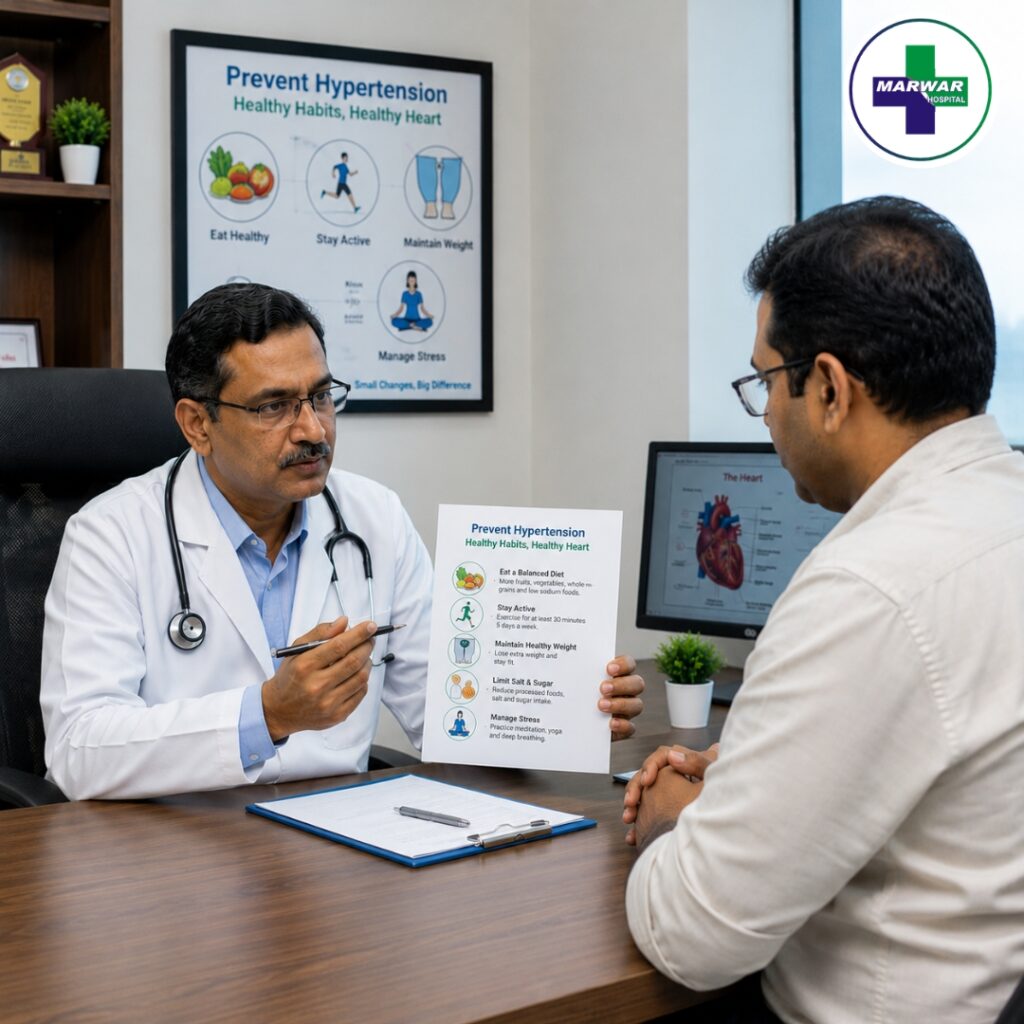
Learn more about our expert cardiologist care services here.
Warning Signs That Require Immediate Medical Attention
Seek emergency medical care if you experience:
- Severe chest pain
- Sudden weakness or numbness
- Difficulty speaking
- Severe headache
- Vision loss
- Confusion
- Blood pressure above 180/120 mmHg
These may indicate a hypertensive emergency, heart attack, or stroke.
How High Blood Pressure is Diagnosed
Diagnosis is simple and painless.
At Marwar Hospital Bikaner, diagnosis may include:
Blood Pressure Monitoring
Multiple readings taken on separate occasions help confirm hypertension.
Blood Tests
These help identify associated conditions such as diabetes, kidney disease, and high cholesterol.
ECG (Electrocardiogram)
Checks the heart’s electrical activity and identifies possible heart damage.
Echocardiography
Evaluates heart structure and function.
Kidney Function Tests
Since hypertension can affect kidney health, kidney assessments are often recommended.
Lifestyle Assessment
Doctors evaluate diet, exercise habits, smoking status, alcohol intake, and family history.
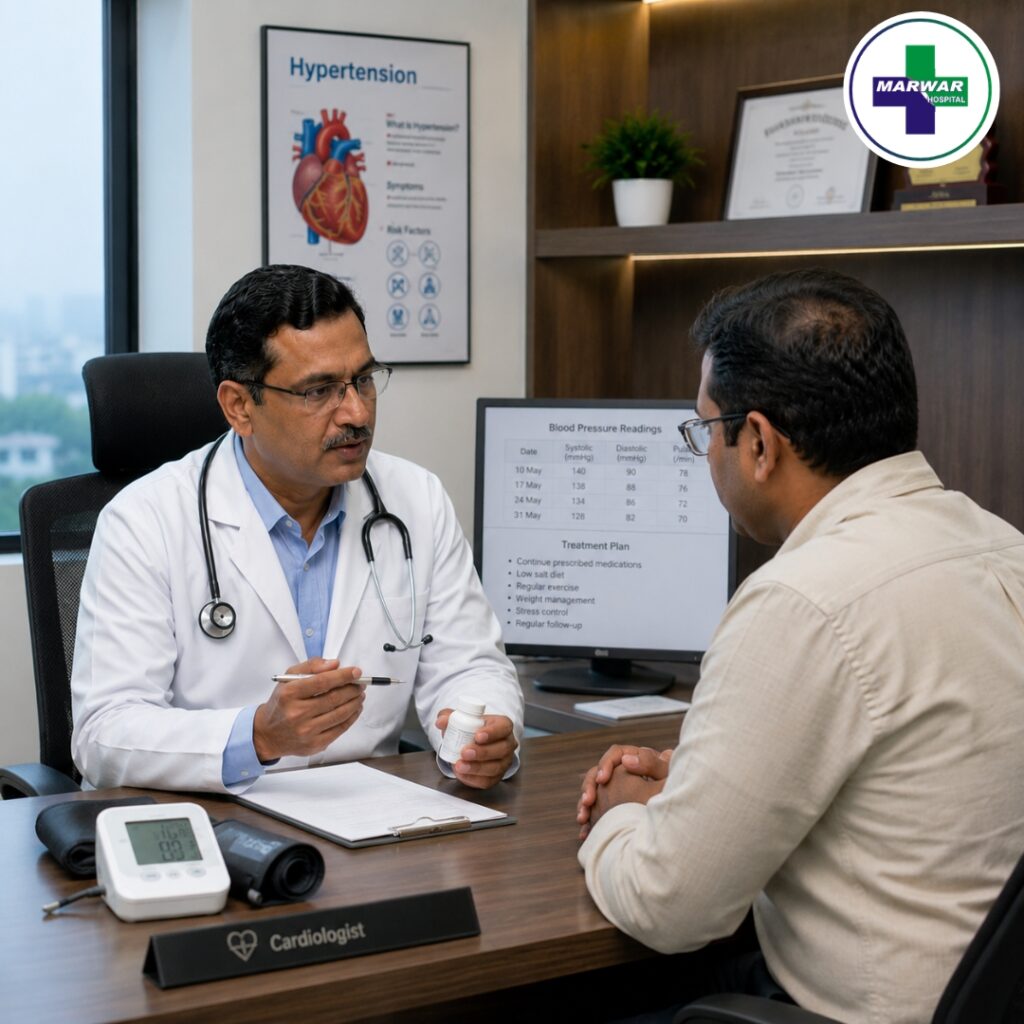
High Blood Pressure Treatment at Marwar Hospital Bikaner
Treatment depends on the severity of hypertension and the patient’s overall health condition.
Lifestyle Modifications
Lifestyle changes form the foundation of hypertension management.
Reduce Salt Intake
Limiting sodium consumption can significantly lower blood pressure.
Maintain Healthy Weight
Even modest weight loss can improve blood pressure control.
Regular Exercise
Experts recommend doing at least 150 minutes of moderate physical activity per week to stay healthy.
Heart-Healthy Diet
Focus on:
- Fresh fruits
- Vegetables
- Whole grains
- Lean proteins
- Low-fat dairy products
- Nuts and seeds
Quit Smoking
Smoking damages arteries and increases cardiovascular risk.
Limit Alcohol Consumption
Excess alcohol can elevate blood pressure levels.
Manage Stress
Yoga, meditation, adequate sleep, and relaxation techniques can help control blood pressure.
Medications
When lifestyle changes alone are insufficient, doctors may prescribe blood pressure medications.
Common medication categories include:
- ACE Inhibitors
- ARBs (Angiotensin Receptor Blockers)
- Calcium Channel Blockers
- Beta Blockers
- Diuretics
The choice of medication depends on age, blood pressure levels, underlying health conditions, and overall cardiovascular risk. Treatment plans are individualized for each patient.
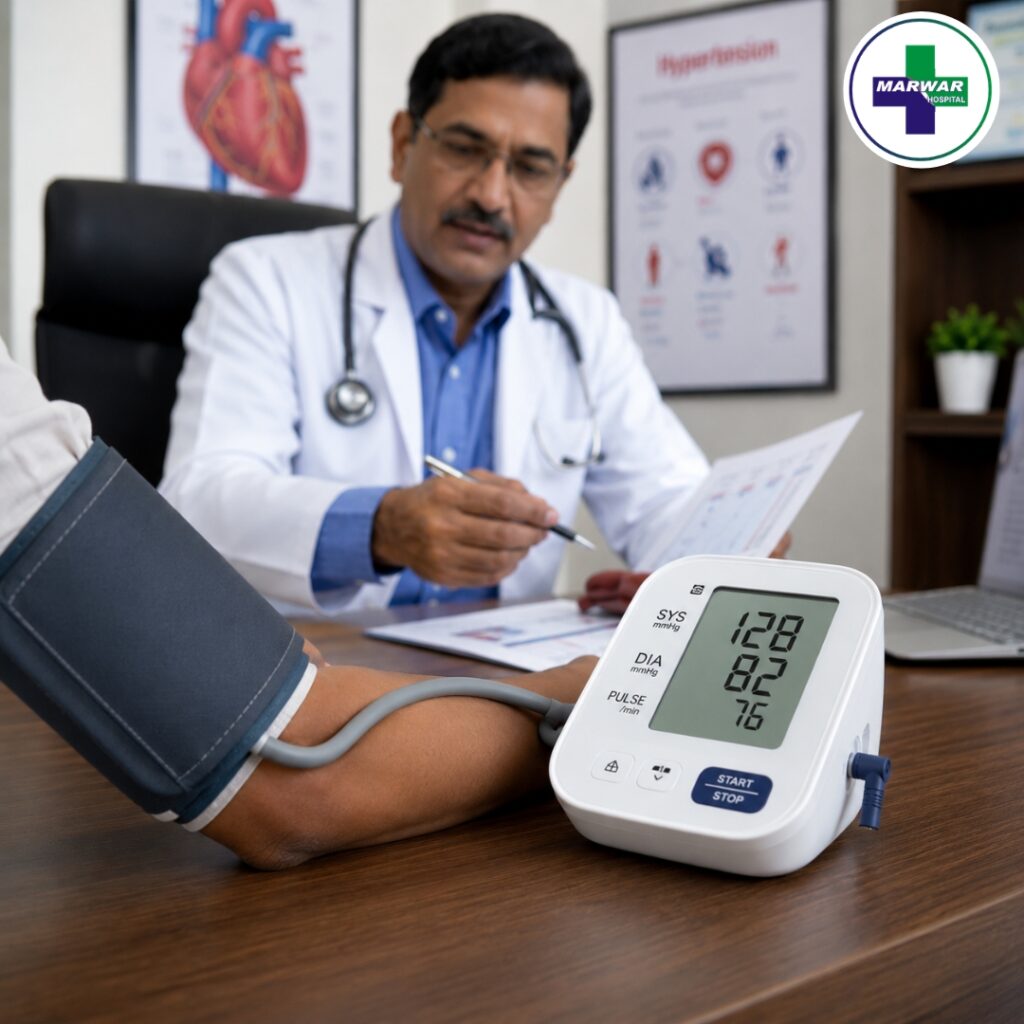
Tips to Prevent High Blood Pressure
Prevention is always better than treatment.
Here are practical ways to reduce your risk:
- Check your blood pressure regularly
- Maintain a healthy body weight
- Exercise consistently
- Eat a balanced diet
- Reduce salt intake
- Avoid smoking
- Limit alcohol
- Manage stress effectively
- Get adequate sleep
- Follow medical advice for chronic conditions like diabetes
Adopting these habits can significantly reduce the likelihood of developing hypertension and cardiovascular disease.
Why Choose Marwar Hospital Bikaner for High Blood Pressure Treatment?
At Marwar Hospital Bikaner, we understand the importance of early diagnosis and effective hypertension management. Our cardiology department offers:
- Expert cardiologists
- Advanced diagnostic facilities
- Personalized treatment plans
- Comprehensive heart health evaluations
- Preventive cardiology services
- Patient-centered care
- Regular follow-up and monitoring
Our goal is to help patients achieve optimal blood pressure control and reduce the risk of life-threatening complications.
Conclusion
High blood pressure is a serious but manageable condition. Because it often develops without symptoms, regular health check-ups are crucial for early detection. Proper treatment, healthy lifestyle habits, and routine monitoring can effectively control hypertension and protect against heart disease, stroke, kidney failure, and other complications.
If you or a loved one is experiencing high blood pressure or related symptoms, consult the experienced cardiology team at Marwar Hospital Bikaner for comprehensive evaluation, accurate diagnosis, and advanced hypertension treatment. Early intervention today can protect your heart and health for years to come.
📍 For immediate assistance, get directions to our hospital on Google Maps. Location: Main Road, Sadul Colony, Bikaner, Rajasthan – 334001.
📞 For expert advice and appointments, contact our hospital today. 2207714, 2208814, 2209914
High blood pressure, or hypertension, is generally diagnosed when blood pressure readings consistently remain at or above 140/90 mmHg. Regular monitoring is important for early detection and management.
High blood pressure often has no symptoms. However, some people may experience headaches, dizziness, shortness of breath, fatigue, blurred vision, or chest discomfort when blood pressure becomes significantly elevated.
In many cases, lifestyle changes such as reducing salt intake, maintaining a healthy weight, exercising regularly, managing stress, and following a heart-healthy diet can help control blood pressure. Some patients may still require medication based on their condition.
Adults should have their blood pressure checked at least once a year. Individuals with hypertension, diabetes, heart disease, or other risk factors may need more frequent monitoring as advised by their doctor.
You should consult a doctor if your blood pressure readings remain consistently high or if you experience symptoms such as severe headaches, chest pain, shortness of breath, vision changes, or dizziness. Immediate medical attention is required for blood pressure readings above 180/120 mmHg.