


Introduction
Stress is a natural response to situations that feel difficult, demanding, or uncertain. It may occur because of work pressure, family responsibilities, financial concerns, studies, or personal problems. Short periods of stress can help a person respond to challenges, but stress that continues for a long time may affect physical health.
When a person feels stressed, the body releases hormones such as cortisol and adrenaline. These hormones help the body handle stressful situations by making a person more alert, speeding up the heartbeat, and providing extra energy when needed. However, when stress becomes frequent or prolonged, it can interfere with sleep, digestion, immunity, and other normal body functions.
Understanding how stress affects the body can help people recognise warning signs and develop healthier ways to manage everyday pressureThis article from Marwar Hospital discusses the ways stress can influence physical well-being and outlines simple strategies for managing it effectively.
What Happens to the Body During Stress?
When the brain senses a challenge or possible danger, it activates the body’s stress response. The heart may beat faster, breathing can become quicker, and muscles may tighten. These changes can be useful for a short time.
Once the stressful situation passes, the body usually begins returning to its normal state. Difficulties can develop when stress occurs frequently and the body does not get sufficient time to rest and recover between stressful situations.
Long-term stress can affect several systems in the body. Its effects vary from person to person and may depend on the duration of stress, general health, sleep habits, and available support.

How Stress Affects Physical Health
1. Headaches and Muscle Tension
Stress can cause muscles to tighten, particularly around the neck, shoulders, jaw, and back. Some people develop tension headaches or notice that existing headaches become more frequent during stressful periods.
Clenching the jaw or sitting in one position for long periods may add to muscle discomfort. Gentle movement, stretching, relaxation exercises, and regular breaks may help reduce tension.
Severe, sudden, or unusual headaches should not automatically be blamed on stress and may require urgent medical assessment.
2. Sleep Problems and Tiredness
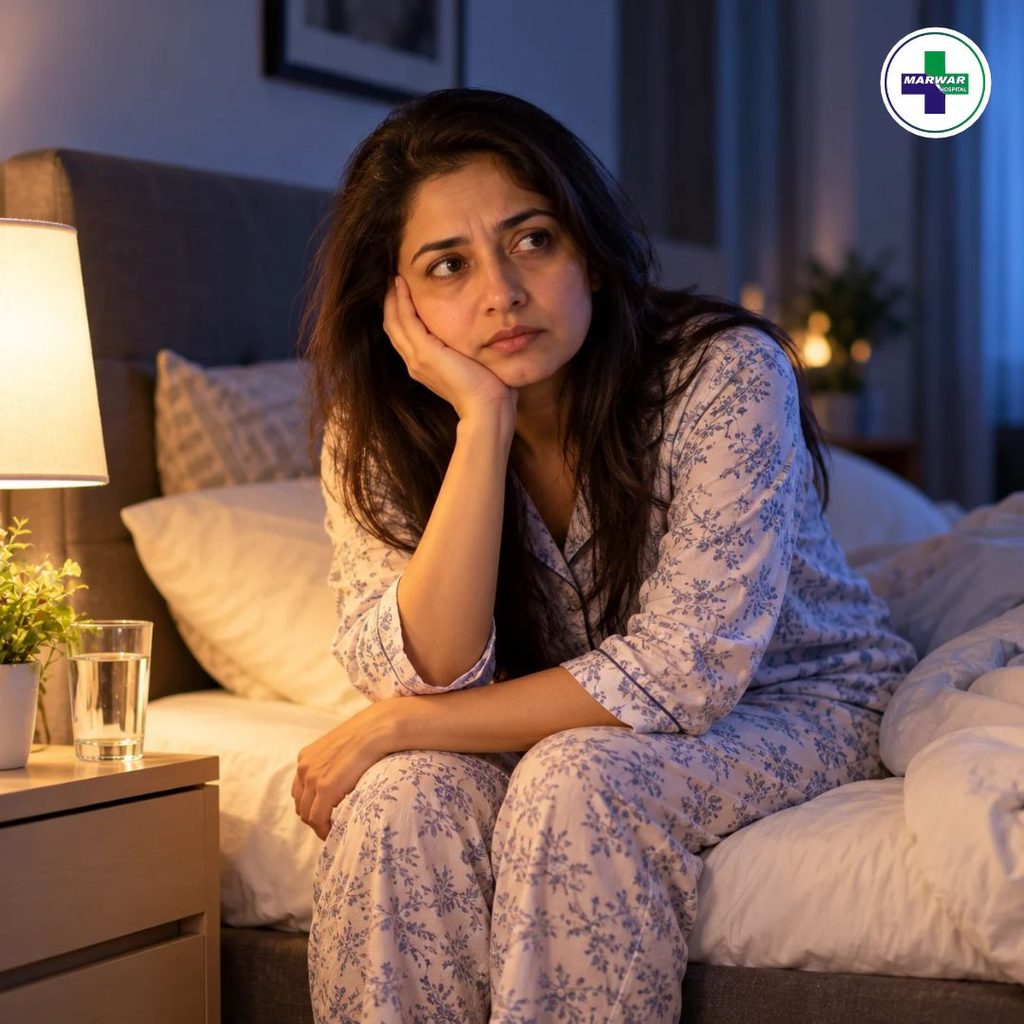
Stress may disrupt sleep by making it harder to calm the mind at bedtime. Worries can keep a person awake, cause repeated awakenings during the night, or delay falling asleep.
Poor sleep can then increase tiredness, irritability, and difficulty concentrating the next day. This may create a cycle in which stress affects sleep and inadequate sleep makes stress harder to manage.
Following a regular sleep schedule, reducing screen use before bed, and creating a quiet sleeping environment may help improve sleep quality.
3. Digestive Problems
Stress can influence communication between the brain and digestive system. Some people experience stomach discomfort, nausea, bloating, constipation, or diarrhoea when they feel anxious or under pressure.
Stress may also affect eating habits. Some people lose their appetite, while others eat more than usual or rely on foods that provide temporary comfort.
Regular meals, adequate water intake, and eating slowly may support digestive comfort. Persistent abdominal pain, blood in the stool, or unexplained weight loss requires medical evaluation.
4. Changes in Heart Rate and Blood Pressure
During a stressful situation, the heart may beat faster and blood pressure can rise temporarily. This is part of the body’s natural response to perceived danger.
Repeated or long-lasting stress may contribute to unhealthy habits, including poor sleep, smoking, inactivity, or excessive alcohol use, which can affect heart health. Stress can also interfere with the control of existing health conditions and make their symptoms more difficult to manage.
Chest pain, fainting, or severe difficulty breathing should never be dismissed as stress. These symptoms require urgent medical attention.
5. Weakened Immune Function
Stress can influence the immune system, particularly when it continues for a long time. Chronic stress may affect the body’s normal regulation of inflammation and immune responses.
A person experiencing prolonged stress may also sleep poorly, eat irregularly, or have less time for physical activity. These habits can affect overall wellbeing.
Eating balanced meals, getting sufficient sleep, remaining physically active, and seeking support may help maintain general health. Stress alone does not explain every infection or illness.
6. Changes in Appetite and Weight
Stress can affect hunger and food choices. Some people eat less because they feel unsettled, while others experience stronger cravings or eat when they are not physically hungry.
If these patterns continue, they may contribute to changes in body weight and energy levels. Planning regular meals and noticing emotional eating patterns can help people make more balanced choices.
Sudden or unexplained weight changes should be discussed with a healthcare professional.
7. Reduced Energy and Concentration
Long-lasting stress can leave a person feeling mentally and physically exhausted. Everyday responsibilities may seem more difficult, and concentration or memory may become less reliable.
Poor sleep, muscle tension, and constant worry can add to this feeling of exhaustion. Taking short breaks, dividing large tasks into smaller steps, and setting realistic daily goals may help reduce pressure.
Persistent fatigue can have several causes, so medical advice may be needed if it continues despite adequate rest.

Practical Ways to Manage Stress
Managing stress does not always mean removing every difficult situation. It often involves building habits that help the body recover and make challenges easier to handle.
Stay Physically Active
Walking, cycling, swimming, dancing, or other enjoyable forms of movement can help improve mood and reduce physical tension. Begin with an activity suited to your fitness level and increase it gradually.
Even a short walk during a busy day may provide a useful break from stressful tasks.
Practise Slow Breathing
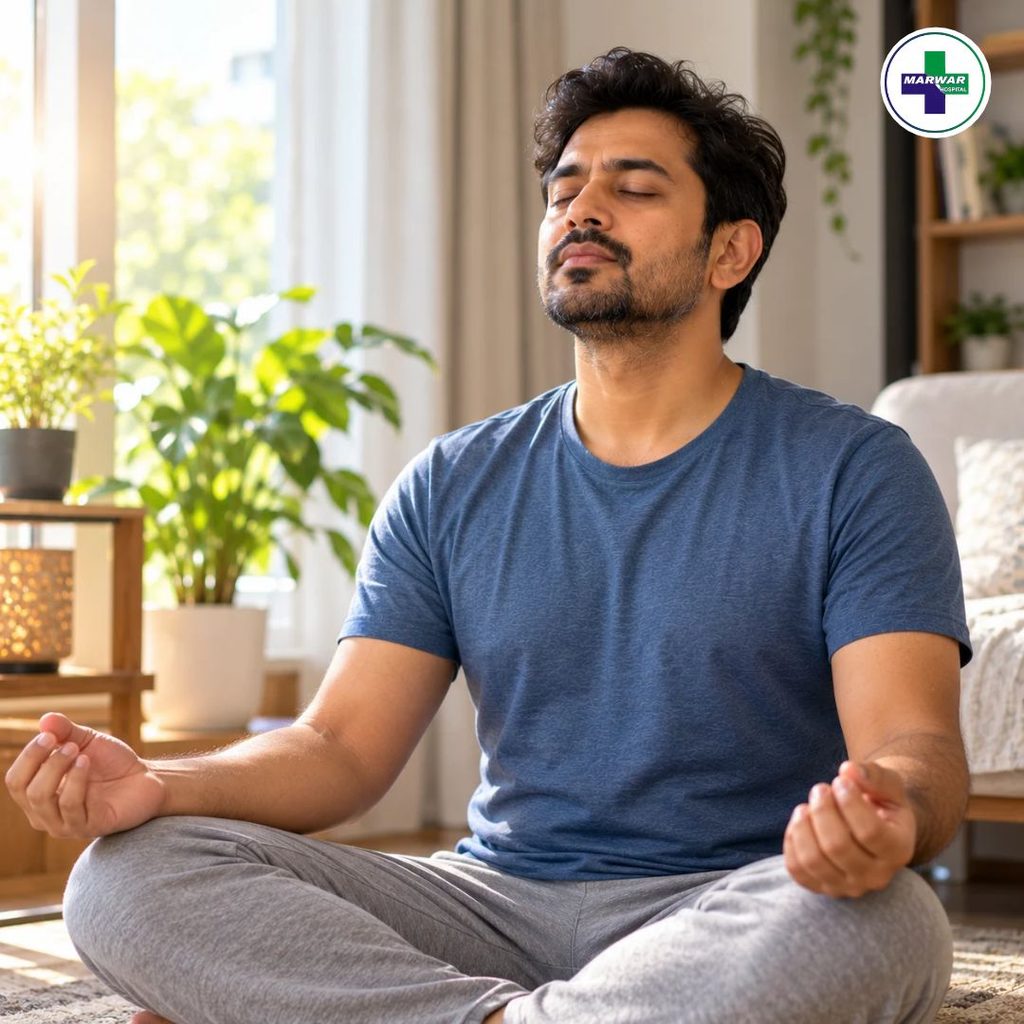
Slow, comfortable breathing can help some people feel calmer during stressful moments. Sit in a comfortable position, relax your shoulders, and breathe gently without forcing or holding your breath.
Practising for a few minutes may help reduce immediate tension. Stop if you feel dizzy or uncomfortable.
Maintain a Regular Sleep Routine
Try to go to bed and wake up at consistent times. Reduce caffeine late in the day, limit stimulating activities before bedtime, and keep the sleeping space comfortable.
If sleep difficulties continue for several weeks or interfere with daily life, consider seeking professional advice.
Eat Balanced Meals
Regular meals that include vegetables, fruits, whole grains, protein sources, and healthy fats can support general health. Drink enough water and avoid relying heavily on caffeine to manage tiredness, as it may worsen anxiety or sleep problems in some people.
Organise Tasks and Set Boundaries
Writing down responsibilities can make them feel more manageable. Prioritise important tasks, break large projects into smaller steps, and take brief breaks when possible.
It is also reasonable to say no to additional responsibilities when your schedule is already full.
Talk to Someone You Trust
Sharing concerns with a trusted friend, family member, or supportive colleague may help you feel less alone. If stress continues to affect sleep, relationships, work, or daily activities, a mental health professional can help you develop effective coping strategies.
The information in this Marwar Hospital educational article highlights practical habits that may support physical wellbeing during stressful periods.
Learn more about our expert services here.
When Should You Seek Professional Help?
Consider seeking professional support if stress feels overwhelming, continues for a long time, or affects your ability to manage daily responsibilities. Persistent sleep problems, frequent physical discomfort, panic symptoms, or difficulty functioning deserve attention.
A healthcare professional can help assess physical symptoms and determine whether another condition may be contributing. Counselling or other suitable treatment may also help when stress becomes difficult to manage alone.
If you experience thoughts of harming yourself or feel unable to remain safe, seek immediate help from local emergency services or a trusted person who can support you.

Conclusion
Stress is a normal part of life, but ongoing stress can affect sleep, digestion, muscles, energy levels, appetite, and general wellbeing. Recognising these effects can help people respond before stress begins to interfere significantly with daily activities.
Regular physical activity, slow breathing, healthy sleep habits, balanced meals, sensible planning, and support from others can help make stress more manageable. When symptoms persist or become severe, professional assessment is important.
Medical Note
This article is intended for general health education and does not replace professional medical advice, diagnosis, or treatment. Physical symptoms may have causes other than stress. Seek medical advice for persistent symptoms and urgent care for chest pain, severe breathing difficulty, fainting, or other serious warning signs.
📍 For immediate assistance, get directions to our hospital on Google Maps. Location: Main Road, Sadul Colony, Bikaner, Rajasthan – 334001.
📞 For expert advice and appointments, contact our hospital today. 2207714, 2208814, 2209914
Prolonged stress can contribute to headaches, muscle tension, sleep problems, digestive discomfort, changes in appetite, fatigue, and difficulty concentrating. It may also cause temporary increases in heart rate and blood pressure.
Common physical symptoms include headaches, neck and shoulder tension, tiredness, rapid heartbeat, stomach discomfort, sleep disturbances, and changes in appetite. Persistent symptoms may require medical evaluation.
Yes. Stress can make it difficult to fall asleep or stay asleep and may contribute to nausea, bloating, constipation, or diarrhoea. Healthy routines and relaxation techniques may help manage these symptoms.
Practical strategies include regular physical activity, slow breathing exercises, maintaining a consistent sleep schedule, eating balanced meals, organising daily tasks, setting boundaries, and talking to someone you trust.
Consider seeking professional help when stress persists, feels overwhelming, or interferes with sleep, relationships, work, or daily activities. Chest pain, severe breathing difficulty, or fainting requires urgent medical attention rather than being assumed to be stress-related.