

Heart attacks are among the leading causes of death worldwide and have become increasingly common in India, affecting not only older adults but also younger individuals. Modern lifestyles, unhealthy eating habits, stress, smoking, obesity, diabetes, and lack of physical activity have significantly increased the risk of cardiovascular diseases. The good news is that most heart attacks can be prevented through healthy lifestyle choices, regular medical checkups, and early management of risk factors.
Many people believe heart attacks happen suddenly without warning. In reality, the process that leads to a heart attack often develops over several years. Understanding the risk factors and taking preventive measures can dramatically reduce your chances of experiencing a cardiac emergency.
In this comprehensive guide, expert cardiologists explain how to prevent heart attacks and maintain a healthy heart for life.
What Is a Heart Attack?
A heart attack, medically known as a myocardial infarction, occurs when blood flow to a part of the heart muscle becomes blocked. This blockage is usually caused by the buildup of fatty deposits, cholesterol, and plaque in the coronary arteries.
When the heart muscle does not receive enough oxygen-rich blood, the affected portion begins to suffer damage. Without prompt treatment, permanent injury to the heart muscle can occur.
Heart attacks can range from mild to life-threatening, making prevention extremely important.
Why Are Heart Attacks Increasing?
Several lifestyle and health-related factors contribute to the rising number of heart attacks:
- Sedentary lifestyle
- Poor dietary habits
- Increased stress levels
- Smoking and tobacco use
- Obesity
- High blood pressure
- High cholesterol
- Diabetes
- Lack of regular health screenings
Many of these risk factors are preventable or manageable, making awareness and early intervention essential.
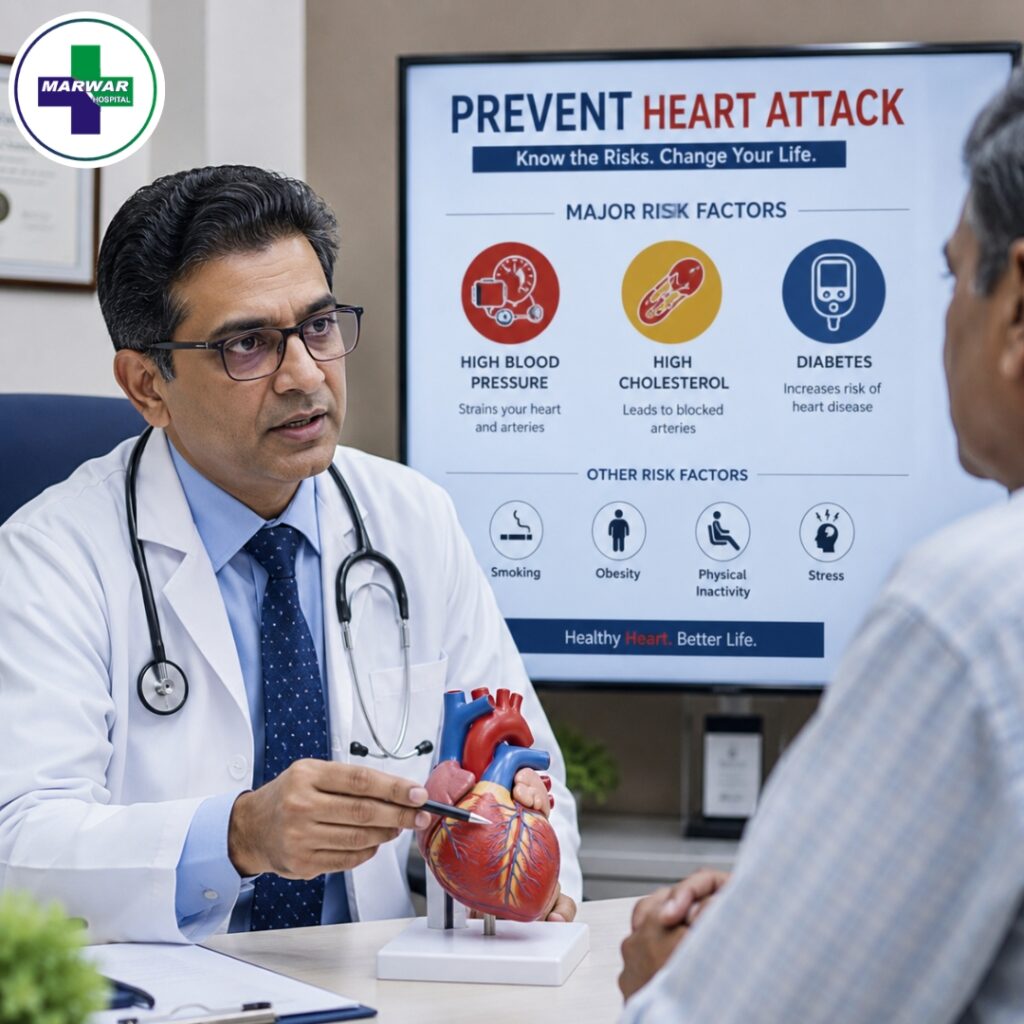
Understanding Heart Attack Risk Factors
Risk factors can be divided into two categories.
Non-Modifiable Risk Factors
These are factors that cannot be changed:
Age
The risk of heart disease increases as people get older.
Family History
A family history of heart attacks or heart disease increases cardiovascular risk.
Gender
Men generally develop heart disease earlier, although postmenopausal women also face significant risk.
While these factors cannot be controlled, understanding them can help individuals take preventive measures sooner.
Modifiable Risk Factors
These factors can be managed through lifestyle changes and medical treatment.
High Blood Pressure
Uncontrolled blood pressure damages arteries and increases the heart’s workload.
High Cholesterol
Elevated cholesterol contributes to plaque buildup in blood vessels.
Diabetes
Poorly controlled diabetes significantly increases the risk of cardiovascular disease.
Obesity
Excess body weight places additional strain on the heart and circulation.
Smoking
Smoking damages blood vessels and accelerates plaque formation.
Physical Inactivity
Lack of exercise weakens the cardiovascular system.
Stress
Chronic stress can negatively affect blood pressure and heart function.
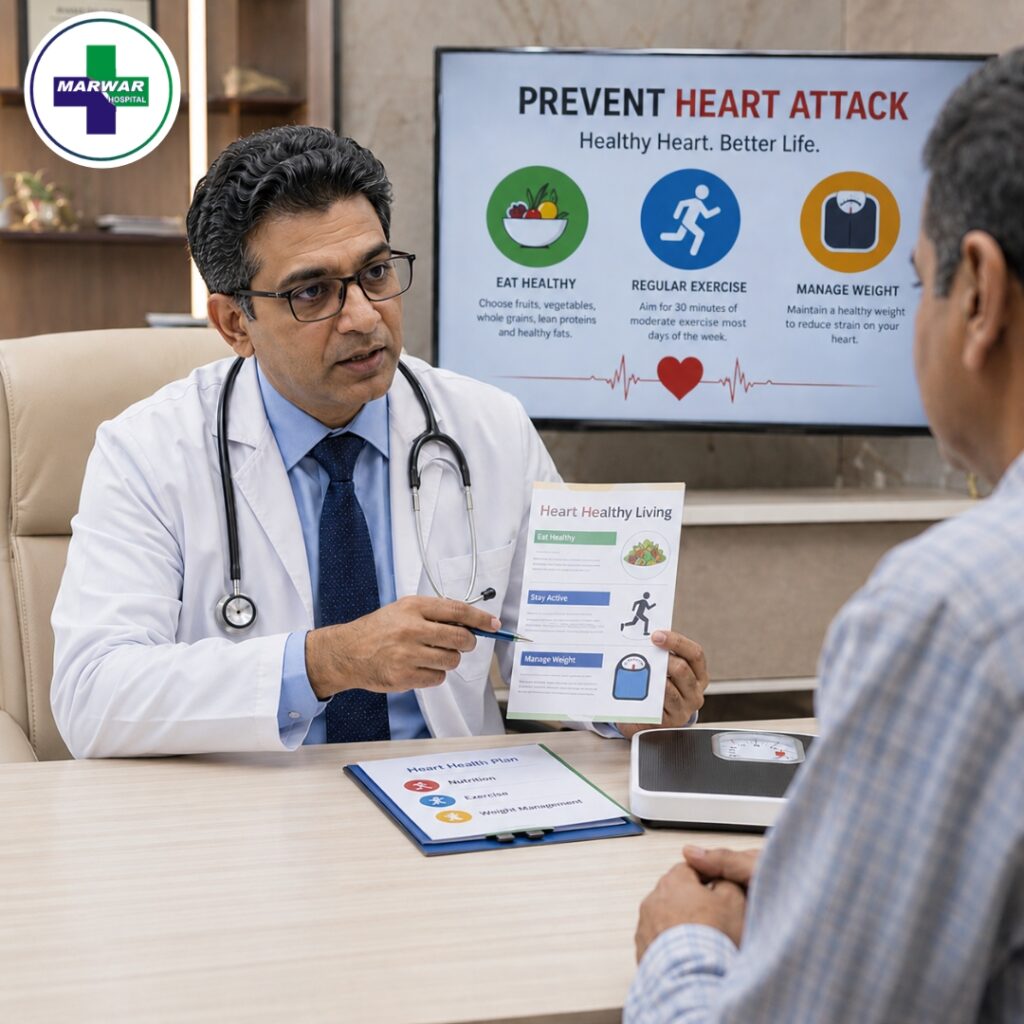
1. Follow a Heart-Healthy Diet
One of the most effective ways to prevent heart attacks is through proper nutrition.
A heart-friendly diet should focus on:
Fruits and Vegetables
Fresh fruits and vegetables provide vitamins, minerals, antioxidants, and fiber that protect the heart.
Examples include:
- Apples
- Oranges
- Pomegranates
- Papaya
- Spinach
- Broccoli
- Carrots
- Tomatoes
Whole Grains
Whole grains help lower cholesterol and improve heart health.
Examples:
- Oats
- Brown rice
- Whole wheat
- Barley
- Millets
Healthy Protein Sources
Choose:
- Fish
- Lentils
- Beans
- Chickpeas
- Skinless poultry
Healthy Fats
Include:
- Olive oil
- Mustard oil
- Nuts
- Seeds
- Avocados
These foods support healthy cholesterol levels and reduce inflammation.
2. Exercise Regularly
Physical activity strengthens the heart and improves circulation.
Recommended Activity
Adults should aim for:
- At least 150 minutes of moderate exercise per week
- Or 75 minutes of vigorous activity weekly
Suitable activities include:
- Brisk walking
- Cycling
- Swimming
- Jogging
- Yoga
Benefits of Exercise
Regular exercise:
- Lowers blood pressure
- Improves cholesterol levels
- Helps control blood sugar
- Maintains healthy weight
- Reduces stress
Even a daily 30-minute walk can significantly improve heart health.

3. Maintain a Healthy Weight
Being overweight increases the risk of:
- High blood pressure
- Diabetes
- High cholesterol
- Coronary artery disease
Tips for Weight Management
- Avoid overeating
- Reduce sugary foods
- Control portion sizes
- Stay physically active
- Choose nutrient-rich foods
Losing even a small percentage of excess body weight can reduce cardiovascular risk.
4. Quit Smoking and Avoid Tobacco
Smoking is one of the most dangerous risk factors for heart disease.
Tobacco use:
- Damages blood vessel walls
- Increases blood pressure
- Reduces oxygen supply
- Promotes blood clot formation
Benefits of Quitting
Within months of quitting:
- Circulation improves
- Blood pressure decreases
- Heart attack risk begins to fall
The sooner you quit, the greater the benefit for your heart.
5. Control High Blood Pressure
High blood pressure is often called the “silent killer” because it may not cause symptoms until serious complications occur.
Ideal Blood Pressure
Generally, healthy adults should maintain blood pressure levels close to:
120/80120/80120/80
Regular monitoring is important, especially if you have risk factors.
Ways to Control Blood Pressure
- Limit salt intake
- Exercise regularly
- Manage stress
- Maintain healthy weight
- Take prescribed medications
Proper blood pressure management greatly reduces heart attack risk.
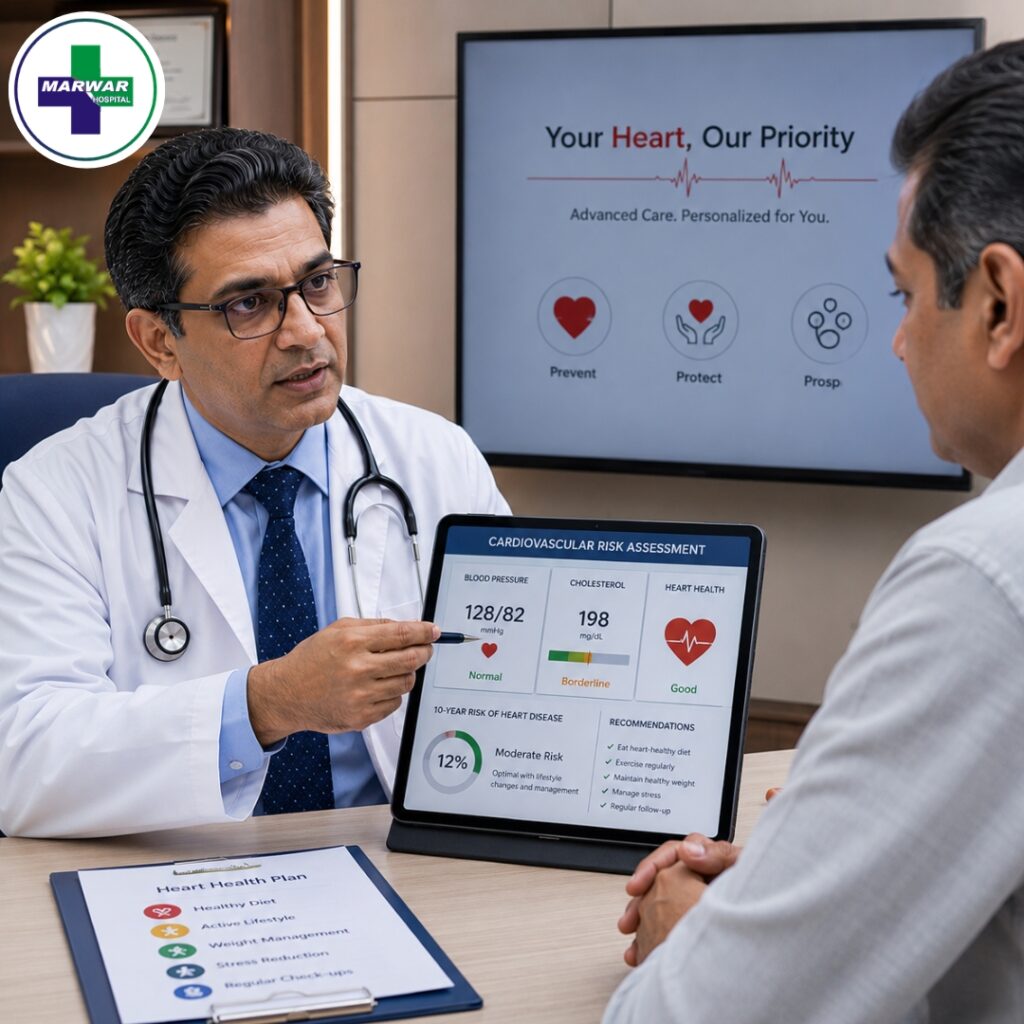
6. Manage Cholesterol Levels
High LDL (“bad”) cholesterol contributes to artery blockage.
Improve Cholesterol Naturally
- Eat more fiber-rich foods
- Reduce saturated fats
- Avoid trans fats
- Exercise regularly
- Maintain healthy weight
Important Screenings
Adults should undergo periodic lipid profile testing, especially if they have risk factors.
7. Keep Diabetes Under Control
People with diabetes are significantly more likely to develop heart disease.
High blood sugar damages blood vessels over time, increasing the likelihood of:
- Coronary artery disease
- Stroke
- Heart failure
Diabetes Management Tips
- Follow a balanced diet
- Exercise regularly
- Monitor blood sugar
- Take medications as prescribed
- Attend regular medical checkups
Good diabetes control protects both the heart and blood vessels.
8. Manage Stress Effectively
Modern lifestyles often expose people to continuous stress.
Chronic stress can:
- Increase blood pressure
- Raise heart rate
- Promote unhealthy eating
- Affect sleep quality
Stress Management Techniques
- Meditation
- Deep breathing exercises
- Yoga
- Walking
- Spending time with family
- Hobbies and relaxation activities
Mental health is closely connected to cardiovascular health.

Learn more about our expert cardiologist care services here.
9. Get Enough Sleep
Poor sleep has been linked to an increased risk of heart disease.
Adults should aim for:
7–9 Hours of Sleep Daily
Quality sleep helps:
- Regulate blood pressure
- Improve metabolism
- Reduce stress hormones
- Support cardiovascular recovery
Sleep disorders such as sleep apnea should also be evaluated by a healthcare professional.
10. Schedule Regular Heart Health Checkups
Preventive screenings can identify heart disease before symptoms develop.
Important tests may include:
- Blood pressure monitoring
- Cholesterol testing
- Blood sugar evaluation
- Electrocardiogram (ECG)
- Echocardiography
- Treadmill stress testing
- Cardiac risk assessment
Regular screenings are especially important for individuals over 40 or those with risk factors.
Warning Signs You Should Never Ignore
Even with preventive measures, it is important to recognize potential symptoms of heart disease.
Seek immediate medical attention if you experience:
- Chest pain or pressure
- Shortness of breath
- Pain in the jaw, neck, shoulder, or arm
- Excessive sweating
- Dizziness
- Palpitations
- Unexplained fatigue
- Sudden weakness
Prompt treatment can prevent severe heart damage.
Heart-Healthy Habits for Everyday Life
Simple daily habits can make a major difference:
Drink Plenty of Water
Proper hydration supports circulation.
Reduce Salt Consumption
Excess sodium raises blood pressure.
Limit Sugary Drinks
Choose water, buttermilk, or green tea instead.
Avoid Excess Alcohol
Heavy alcohol consumption can damage the heart.
Stay Active Throughout the Day
Avoid sitting for long periods.
Follow Medical Advice
Take prescribed medications consistently.
Consistency is the key to long-term heart health.
Why Prevention Is Better Than Treatment
Many heart attacks occur unexpectedly in individuals who ignore risk factors or delay medical care.
Preventive strategies offer numerous benefits:
- Lower healthcare costs
- Better quality of life
- Reduced hospitalization
- Longer life expectancy
- Improved physical fitness
- Better emotional well-being
Investing in heart health today can prevent serious complications tomorrow.
Conclusion
Heart attacks are often preventable when risk factors are identified and managed early. Adopting a heart-healthy diet, exercising regularly, maintaining a healthy weight, controlling blood pressure, managing cholesterol and diabetes, avoiding tobacco, reducing stress, and attending routine health checkups can significantly reduce the risk of cardiovascular disease.
Your heart works tirelessly every day, and taking care of it should be a priority. Small lifestyle changes made consistently over time can have a profound impact on your overall health and longevity.
Expert Cardiology Care at Marwar Hospital Bikaner
If you have risk factors for heart disease or want a comprehensive heart health evaluation, consult the experienced cardiology team at Marwar Hospital. Marwar Hospital offers advanced cardiac diagnostics, preventive cardiology services, emergency cardiac care, and personalized treatment plans to help patients maintain a healthy heart and prevent heart attacks.
📍 For immediate assistance, get directions to our hospital on Google Maps. Location: Main Road, Sadul Colony, Bikaner, Rajasthan – 334001.
📞 For expert advice and appointments, contact our hospital today. 2207714, 2208814, 2209914
Heart attacks are commonly caused by blocked coronary arteries due to cholesterol buildup, high blood pressure, diabetes, smoking, obesity, stress, and an unhealthy lifestyle.
Yes. Most heart attacks can be prevented by following a healthy diet, exercising regularly, maintaining a healthy weight, controlling blood pressure and cholesterol, avoiding tobacco, and getting routine health checkups.
Adults should aim for at least 150 minutes of moderate-intensity exercise or 75 minutes of vigorous activity per week. Activities like walking, cycling, swimming, and yoga can help keep the heart healthy.
Common warning signs include chest pain or pressure, shortness of breath, pain in the jaw, neck, shoulder, or arm, excessive sweating, dizziness, palpitations, and unexplained fatigue. Immediate medical attention is recommended if these symptoms occur.
Regular heart screenings can detect high blood pressure, high cholesterol, diabetes, and early signs of heart disease before symptoms appear, helping prevent serious cardiac complications.