


Introduction
Changes in weather can affect our daily routines, exposure to germs, and overall health. During certain seasons, people may experience illnesses such as the common cold, flu, viral fever, and some stomach infections. Children, older adults, and people with weakened immune systems may be more likely to develop complications from certain infections.
Seasonal illnesses can spread in different ways, including through respiratory droplets, contaminated hands and surfaces, unsafe food, or polluted water, depending on the type of infection. Although not every infection can be prevented, simple hygiene habits and timely medical care can help reduce the risk.
This educational article from Marwar Hospital explains common seasonal infections, their symptoms, and practical prevention tips for children and adults.
What Are Seasonal Infections?
Seasonal infections are illnesses that become more common during particular times of the year. Their patterns depend on weather conditions, the spread of germs, people’s activities, and local environmental factors.
Respiratory infections, including colds, influenza, and some other viral illnesses, may increase during particular seasons. In some areas, monsoon conditions can also increase the risk of illnesses associated with contaminated water, mosquitoes, or poor sanitation.
Not every fever or cough is caused by the same infection. Because many illnesses share similar symptoms, it may not be possible to determine the exact cause based on symptoms alone.
Common Seasonal Infections
1. Common Cold and Flu
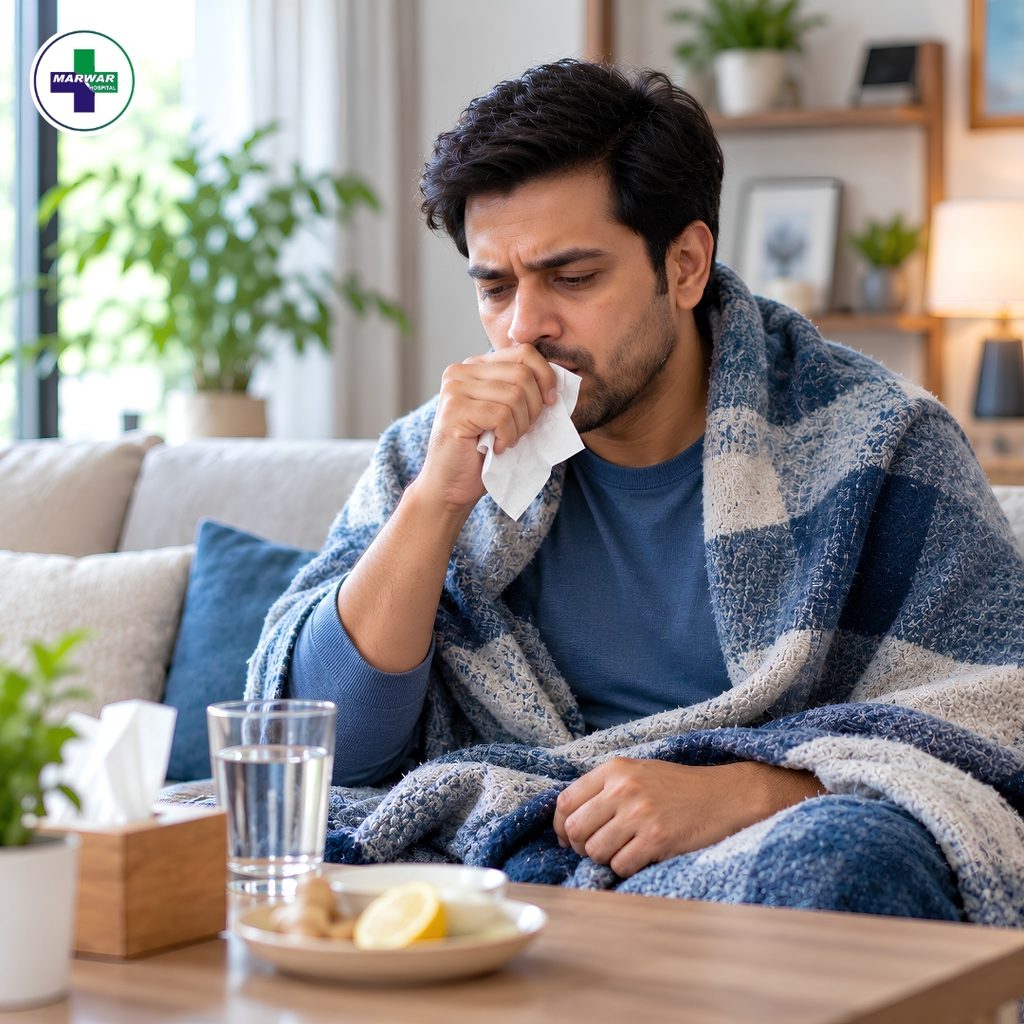
Colds and influenza can cause symptoms such as a runny nose, cough, sore throat, tiredness, and fever. Influenza may cause more pronounced body aches and fatigue and can lead to serious complications in some people.
These infections commonly spread through respiratory particles and contact with contaminated hands or surfaces.
2. Viral Fever
A rise in body temperature can be a sign that the immune system is responding to an infection. Viral infections can also cause headaches, muscle aches, tiredness, and a loss of appetite.
However, fever is not always caused by a virus. Bacterial infections and other medical conditions can also cause it, so persistent or severe symptoms may require medical evaluation.
3. Stomach and Intestinal Infections
Some infections affect the digestive system and cause diarrhoea, vomiting, abdominal discomfort, or fever. They may spread through contaminated food, unsafe water, or poor hand hygiene.
Repeated vomiting and diarrhoea can lead to dehydration, particularly in young children and older adults.
4. Mosquito-Borne Infections
In some regions, mosquito-borne illnesses such as dengue and malaria are more common during periods when mosquito breeding increases. The exact seasonal pattern varies by location.
Fever, headache, body aches, and weakness may occur in these illnesses, but symptoms alone cannot reliably distinguish one infection from another. Medical assessment is important when these diseases are possible.
Prevention Tips for Children and Adults
1. Wash Hands Properly
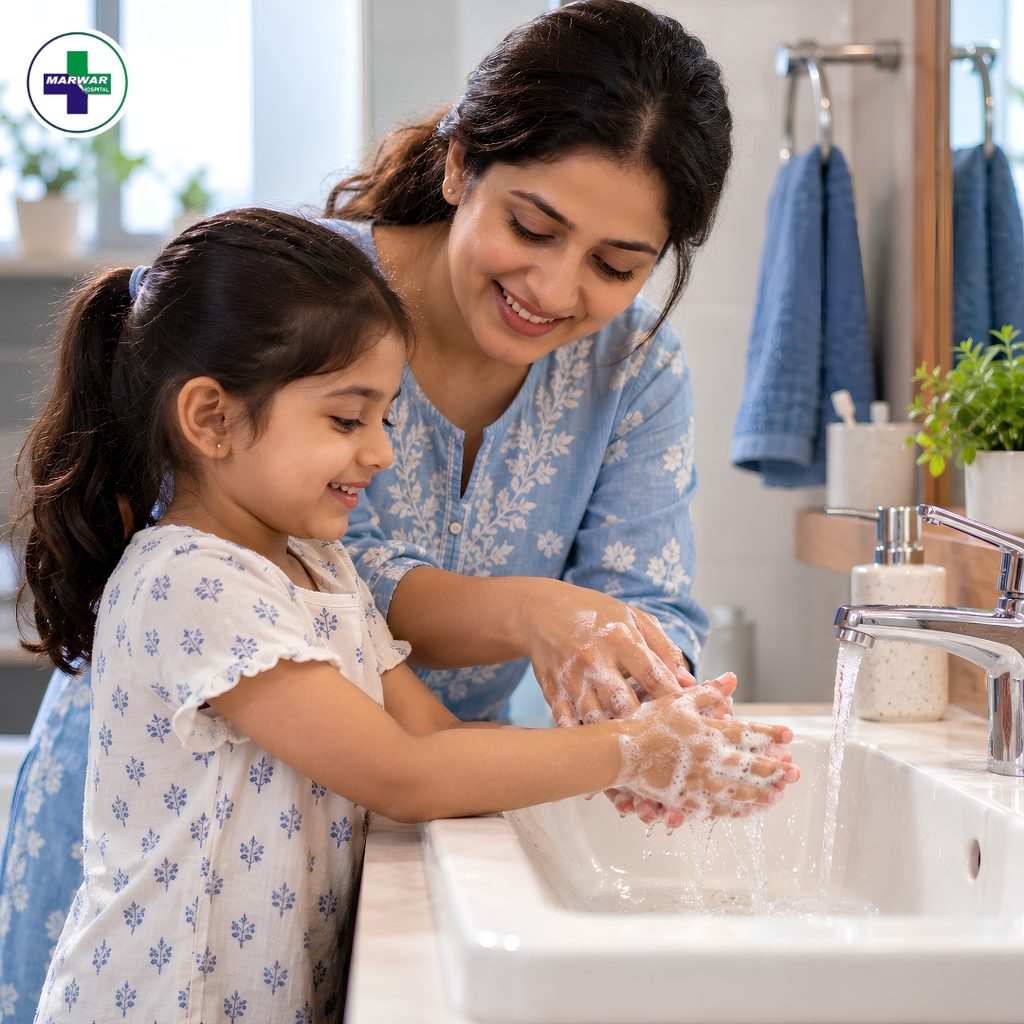
Washing your hands regularly with soap and clean water helps prevent the spread of many germs. Clean your hands before eating or preparing food, after using the toilet or changing a child’s nappy, after coughing or sneezing, and when returning home from public places.
Scrub all parts of the hands, including between the fingers and around the nails. When soap and water are unavailable, an alcohol-based hand sanitiser may be useful if hands are not visibly dirty.
Parents should guide young children in washing their hands properly and make sure they do so regularly.
2. Keep Vaccinations Up to Date
Vaccination helps prevent certain infections and can lower the chances of developing serious illness. Depending on age, health conditions, and local recommendations, vaccinations may include influenza and other routine immunisations.
Children should follow the recommended immunisation schedule, while adults should discuss any recommended vaccines with a qualified healthcare professional.
Vaccination does not prevent every seasonal illness, but it can provide important protection against the diseases targeted by each vaccine.
3. Follow Safe Food and Water Practices
Contaminated food and water can spread infections that affect the digestive system. Use safe drinking water and wash fruits and vegetables thoroughly before eating or preparing them.
Cook food properly, refrigerate perishable items promptly, and avoid food that has been stored unsafely. Store raw and cooked foods separately to prevent cross-contamination and reduce the risk of foodborne illness.
During periods of heavy rainfall or water supply disruption, take extra care to follow local public health advice about drinking water and sanitation.
4. Reduce the Spread of Respiratory Infections
Cover your nose and mouth with a tissue or your bent elbow whenever you cough or sneeze to help limit the spread of germs.Dispose of used tissues properly and wash your hands afterwards to help prevent the spread of germs.
If you are unwell, limit close contact with others where possible, especially infants, older adults, and people with weakened immunity. Improving indoor ventilation and avoiding crowded, poorly ventilated spaces during periods of high respiratory illness activity may also help.
Children who are unwell should stay home from school or childcare when they are too sick to participate or may spread an infection, following the school’s health guidance.

5. Eat Balanced Meals and Stay Hydrated
A varied diet supports general health and provides nutrients needed for normal body functions. Include vegetables, fruits, whole grains, pulses, and suitable sources of protein in daily meals.
Drink enough fluids throughout the day, particularly during hot weather, fever, vomiting, or diarrhoea. If a person has significant fluid loss, oral rehydration solution may help replace water and salts when prepared and used according to instructions.
No particular food or drink can guarantee protection against infection. Balanced nutrition is one part of an overall prevention routine.
6. Prevent Mosquito Bites
Where mosquito-borne infections occur, reducing mosquito exposure is important. Use suitable mosquito repellent according to its label, wear clothing that covers the arms and legs when practical, and use window screens or mosquito nets where appropriate.
Remove standing water from empty containers, keep water-storage vessels covered, and follow local guidelines for mosquito prevention and control.
Young children require extra care when choosing repellents. Follow age-specific product instructions and ask a healthcare professional if you are unsure which product is suitable.
7. Encourage Rest and Good Daily Habits
Adequate sleep, regular physical activity, and avoiding tobacco support overall wellbeing. Children need age-appropriate sleep and time to recover when they are ill.
Healthy habits cannot completely prevent infections, but they can help lower the risk of illness and support overall health.
The information in this Marwar Hospital educational article highlights practical prevention steps that families can use as part of everyday hygiene and health routines.

Learn more about our expert services here.
When Should You Seek Medical Advice?
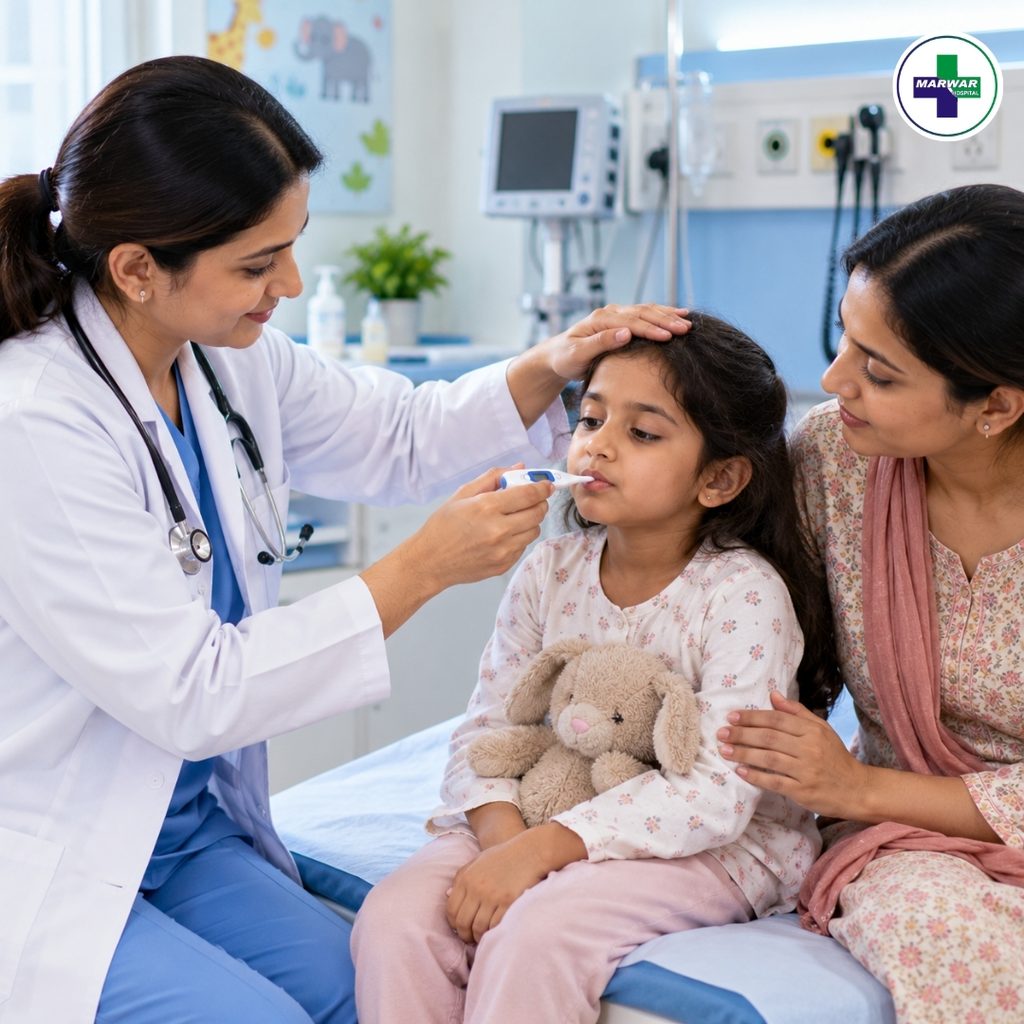
Many mild infections improve with rest and appropriate fluid intake. However, medical assessment is important if symptoms worsen, fever persists, or a person has difficulty drinking enough fluids.
Seek urgent medical care if someone develops difficulty breathing, unusual confusion, severe weakness, a seizure, blue or grey lips, or signs of severe dehydration.
For infants younger than three months, a temperature of 38°C or higher requires urgent medical assessment. Children who are unusually drowsy, have very few wet nappies, or cannot keep fluids down should also receive prompt care.
If dengue is possible, seek medical advice and avoid aspirin or ibuprofen unless a healthcare professional specifically advises otherwise, because these medicines may increase bleeding risk in dengue. Do not give antibiotics without medical guidance, as they do not treat viral infections.
Conclusion
Seasonal infections can affect children and adults in different ways, depending on the illness, age, and general health. Handwashing, safe food and water, appropriate vaccination, respiratory hygiene, mosquito control, and good daily habits can help reduce the risk of many infections.
Pay attention to symptoms and seek medical advice when an illness is severe, persistent, or getting worse. Early assessment can help identify conditions that need specific treatment and reduce the risk of complications.
Medical Note
This article is intended for general health education and does not replace professional medical advice, diagnosis, or treatment. Prevention and treatment depend on the specific infection and individual health needs. Seek urgent care for serious symptoms or signs of dehydration.
📍 For immediate assistance, get directions to our hospital on Google Maps. Location: Main Road, Sadul Colony, Bikaner, Rajasthan – 334001.
📞 For expert advice and appointments, contact our hospital today. 2207714, 2208814, 2209914
Common seasonal infections include the common cold, influenza (flu), viral illnesses, stomach and intestinal infections, and mosquito-borne diseases such as dengue and malaria. Their prevalence depends on the season, location, and environmental conditions.
Regular handwashing, keeping vaccinations up to date, practising safe food and water hygiene, covering coughs and sneezes, maintaining good ventilation, and preventing mosquito bites can help reduce the risk of many infections.
Young children and older adults may be at greater risk of complications from certain infections. People with weakened immune systems or existing medical conditions may also need extra precautions and prompt medical attention when symptoms develop.
Rest, drink adequate fluids, monitor your symptoms, and seek medical advice if the fever persists, worsens, or occurs with concerning symptoms. Fever can have several causes, so avoid self-medicating with antibiotics without medical guidance.
Seek urgent medical care for difficulty breathing, confusion, seizures, severe weakness, or signs of severe dehydration. Infants younger than three months with a temperature of 38°C or higher require urgent medical assessment. If dengue is suspected, consult a healthcare professional and avoid aspirin or ibuprofen unless specifically advised.