
Introduction
Iron plays a vital role in making haemoglobin, the protein in red blood cells responsible for carrying oxygen from the lungs to different parts of the body When iron levels become low, the body may not function as efficiently, leading to tiredness, weakness, and other symptoms.
Iron deficiency can develop slowly, so its early signs may be difficult to recognise. Some people experience low energy, while others notice dizziness, headaches, or difficulty concentrating. This educational article from Marwar Hospital explains the common signs of iron deficiency, its possible causes, and when medical advice may be needed.
What Is Iron Deficiency?
Iron deficiency occurs when the body does not have enough iron to meet its needs. The body uses iron to produce haemoglobin and support several important functions.
When iron intake is insufficient, absorption is poor, or blood loss continues, the body’s iron stores may gradually decrease. If the condition becomes more severe, it can lead to iron-deficiency anaemia.
A person can have low iron stores even when their haemoglobin level is still normal. Therefore, recognising symptoms and getting appropriate tests are important for identifying the condition early.
Common Signs of Iron Deficiency
1. Persistent Tiredness and Weakness
Feeling unusually tired is one of the most common signs associated with iron deficiency. A person may feel exhausted after everyday activities or find it difficult to maintain their usual energy levels.
Iron-deficiency anaemia reduces the amount of oxygen carried in the blood, which can make everyday activities feel more exhausting than usual.
However, fatigue can also result from poor sleep, infections, thyroid problems, and other health conditions.

2. Pale Skin
Some people with iron-deficiency anaemia develop paler skin than usual. The change may also be visible inside the lower eyelids, on the lips, or around the nails.
Paleness alone cannot confirm iron deficiency because it may occur for other reasons and can be difficult to recognise in different skin tones.
3. Shortness of Breath
A person with iron-deficiency anaemia may feel breathless while walking, climbing stairs, or exercising. This can happen because the blood is carrying less oxygen than the body needs.
Sudden or severe breathing difficulty should receive urgent medical attention rather than being assumed to be caused by low iron.
4. Headaches and Dizziness
Headaches, light-headedness, and dizziness may occur in people with iron deficiency, particularly when anaemia develops. These symptoms can also be related to dehydration, migraine, blood pressure changes, and other conditions.
Repeated or worsening symptoms should be discussed with a healthcare professional.
5. Palpitations
Some people notice that their heart beats faster or feels stronger than usual. This may happen when the body attempts to circulate enough oxygen despite reduced haemoglobin.
Palpitations can have several causes, including stress, caffeine, thyroid problems, and heart rhythm disorders. Chest pain, fainting, or severe breathlessness requires urgent medical attention.
6. Difficulty Concentrating
Low iron levels may be associated with reduced alertness, poor concentration, and difficulty completing tasks that require attention. These changes may be more noticeable when tiredness is also present.
However, concentration problems can also result from stress, lack of sleep, medication effects, and other health concerns.

7. Hair and Nail Changes
Iron deficiency may occur alongside increased hair shedding or brittle nails. In more severe cases, the nails may become thin or develop a spoon-like shape.
These changes are not exclusive to iron deficiency. Other nutritional deficiencies, thyroid conditions, and inherited factors may also contribute.
8. Unusual Cravings
Some people with iron deficiency develop cravings for non-food substances such as chalk, soil, paper, or ice. This behaviour is called pica.
These cravings do not confirm iron deficiency, but they can be a reason to seek medical advice. Eating non-food materials may also cause digestive problems or expose a person to harmful substances.
9. Restless Legs
Low iron levels may contribute to restless legs syndrome, a condition that causes an uncomfortable urge to move the legs, especially during rest or at night. This condition causes uncomfortable sensations in the legs and an urge to move them, particularly while resting or trying to sleep.
A medical professional can determine whether iron deficiency or another underlying health issue is responsible for these symptoms through an appropriate evaluation.

What Causes Iron Deficiency?
Several factors can reduce the body’s iron supply.
Insufficient iron in the diet: Regularly eating too few iron-rich foods may gradually reduce iron stores. Sources include lentils, beans, chickpeas, tofu, meat, fish, and iron-fortified cereals. Vitamin C sources, including oranges, lemons, and tomatoes, can improve the absorption of iron from plant-based foods.
Blood loss from the digestive tract, including bleeding associated with ulcers or intestinal conditions, can also contribute.When iron levels remain low without a clear explanation, further medical tests may be needed to check for internal bleeding or other sources of blood loss.
Increased iron requirements: Iron needs increase during adolescence and pregnancy. If the diet does not provide enough iron during these periods, deficiency may develop.
Reduced iron absorption: Certain conditions, such as coeliac disease and digestive tract disorders, can prevent the body from absorbing enough iron. Previous stomach or intestinal surgery may also interfere with iron absorption.
Identifying the cause of iron deficiency is important because dietary changes alone may not be sufficient in every case.
- How Is Iron Deficiency Diagnosed?
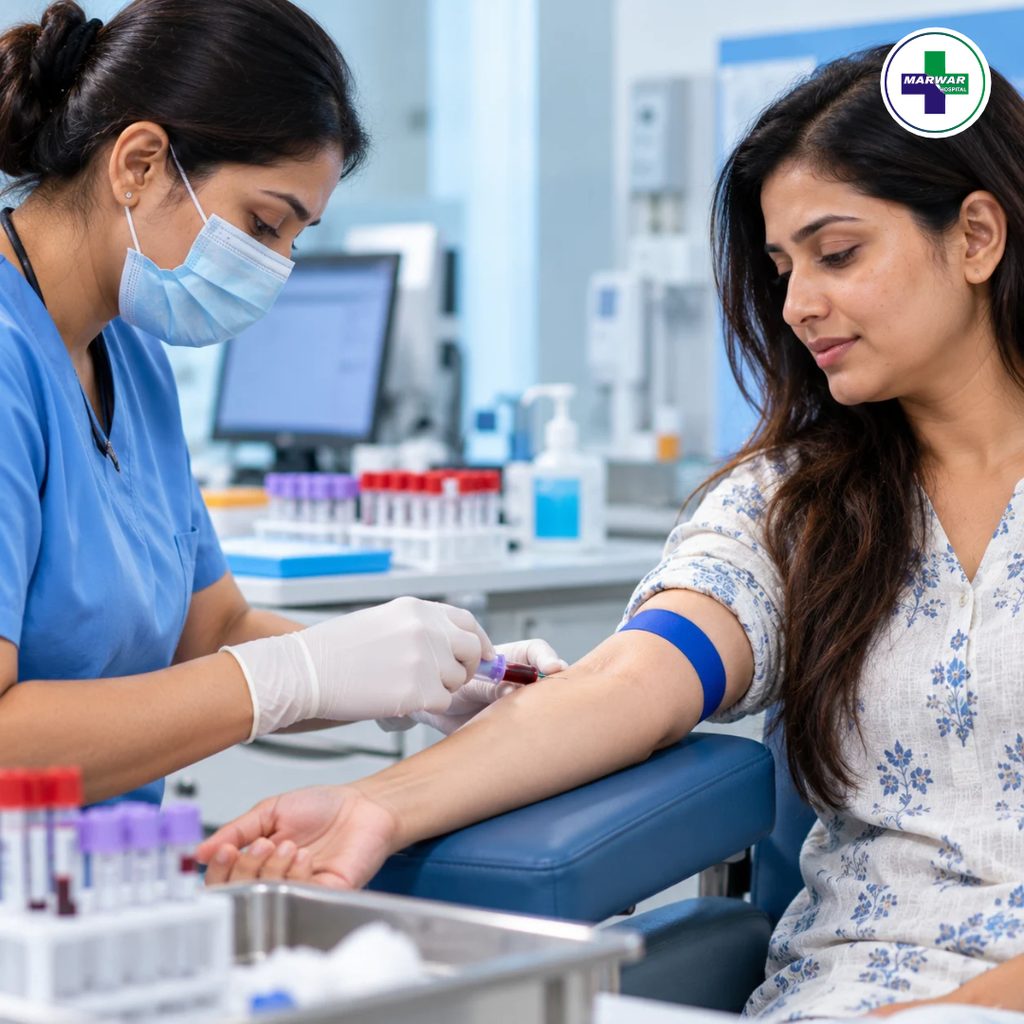
- Symptoms can provide clues, but blood tests are necessary to determine whether iron deficiency or anaemia is present. Depending on the individual’s symptoms and medical history, a healthcare professional may recommend the following test:
- Complete Blood Count (CBC): This blood test checks haemoglobin levels and evaluates different blood cells to help detect anaemia.
- Serum Ferritin Test: This blood test measures ferritin, a protein that stores iron, and helps estimate how much iron the body has in reserve A low level commonly indicates reduced iron stores.
- Additional Iron Tests: Blood tests such as transferrin saturation help determine how much iron is available in the bloodstream and provide further insight into the body’s iron levels.
Ferritin levels can increase during inflammation or infection, so test results must be interpreted alongside a person’s symptoms and medical history.
Identifying the reason for low iron is as important as confirming the deficiency.
Learn more about our expert services here.
When Should You Seek Medical Advice?
Consider a medical assessment if you experience persistent tiredness, unexplained weakness, repeated dizziness, unusual paleness, ongoing hair shedding, or several symptoms together.
Consult a healthcare professional if symptoms persist even after getting enough rest, or if you experience heavy menstrual periods, digestive issues, or unexplained weight loss. These signs may indicate an underlying condition that needs medical attention.
Seek urgent care for chest pain, severe breathlessness, fainting, significant bleeding, or black, tar-like stools. These symptoms may indicate a serious condition and should not be assumed to result from low iron.
The information provided in this Marwar Hospital educational article is intended to help readers recognise possible warning signs and understand when further assessment may be necessary.

Can Iron Deficiency Be Prevented?
Eating a balanced diet that includes iron-rich foods can help maintain healthy iron stores. Suitable options include beans, lentils, chickpeas, seeds, tofu, meat, fish, and iron-fortified cereals.
Combining plant-based iron sources with vitamin C-rich foods may improve absorption. Tea and coffee can reduce the absorption of iron from plant foods when consumed with meals, so timing may be worth discussing with a healthcare professional if you are at risk of deficiency.
People with increased iron requirements or a history of low iron may need monitoring. Iron supplements should be taken only when appropriate, because excessive iron can be harmful and may not address the underlying cause.
Conclusion
Iron deficiency can affect energy, concentration, physical stamina, and other normal body functions. Common signs include tiredness, pale skin, breathlessness during activity, headaches, palpitations, brittle nails, and unusual cravings.
These symptoms can have several causes, so they should not be used to diagnose iron deficiency on their own. Appropriate blood tests can help identify low iron levels and guide further care.
Recognising persistent symptoms early can help prevent the condition from worsening. Marwar Hospital encourages readers to treat this information as general health education and seek professional medical advice when symptoms persist.
Medical Note
This article is for general educational purposes and does not replace professional medical advice, diagnosis, or treatment. Do not start long-term iron supplements without appropriate guidance. Seek urgent medical care for severe breathlessness, chest pain, fainting, or significant bleeding.
📍 For immediate assistance, get directions to our hospital on Google Maps. Location: Main Road, Sadul Colony, Bikaner, Rajasthan – 334001.
📞 For expert advice and appointments, contact our hospital today. 2207714, 2208814, 2209914
Common signs of iron deficiency include persistent tiredness, weakness, pale skin, shortness of breath during activity, headaches, dizziness, heart palpitations, brittle nails, and difficulty concentrating.
Yes, iron deficiency may be associated with increased hair shedding and brittle nails. However, these symptoms can also occur due to other nutritional deficiencies, thyroid problems, and health conditions.
Healthcare professionals may recommend a Complete Blood Count (CBC), serum ferritin test, and additional iron tests such as transferrin saturation. These tests help assess haemoglobin levels and the body’s iron stores.
Iron-rich foods include lentils, beans, chickpeas, tofu, seeds, meat, fish, and iron-fortified cereals. Eating plant-based iron sources with vitamin C-rich foods, such as oranges, lemons, and tomatoes, can improve iron absorption.
Seek medical advice if you experience persistent tiredness, unexplained weakness, repeated dizziness, unusual paleness, or ongoing hair shedding. Chest pain, severe breathlessness, fainting, significant bleeding, or black, tar-like stools require urgent medical attention.